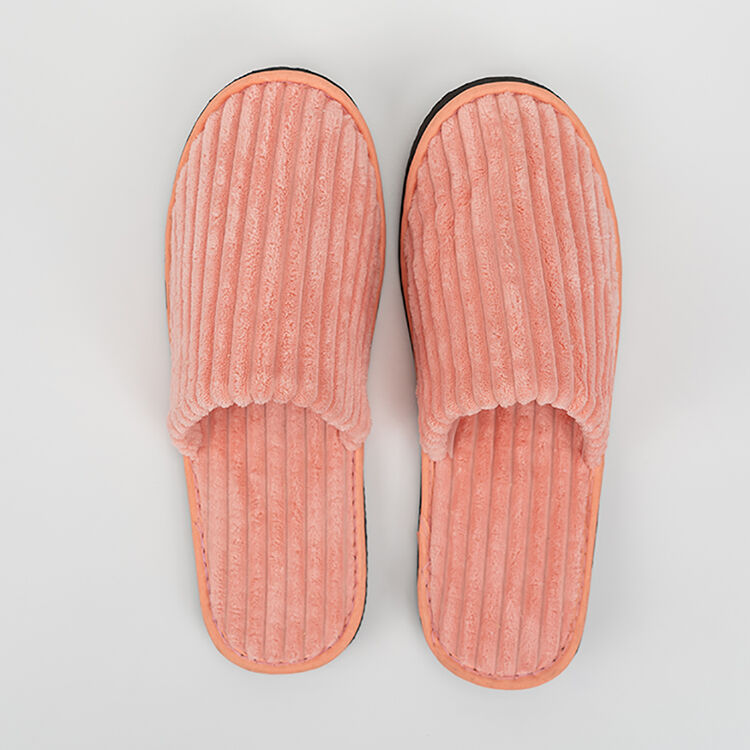
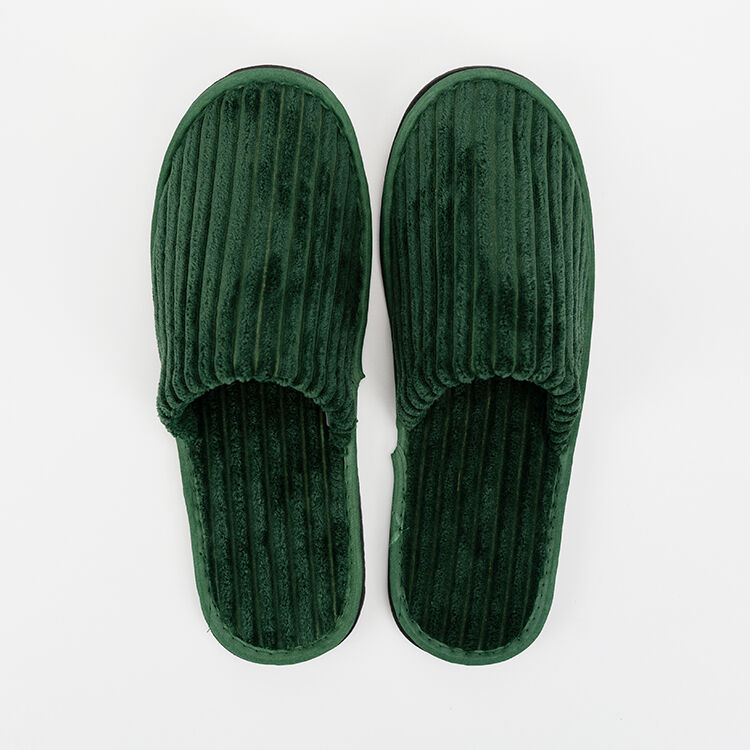
disposable slippers bulk
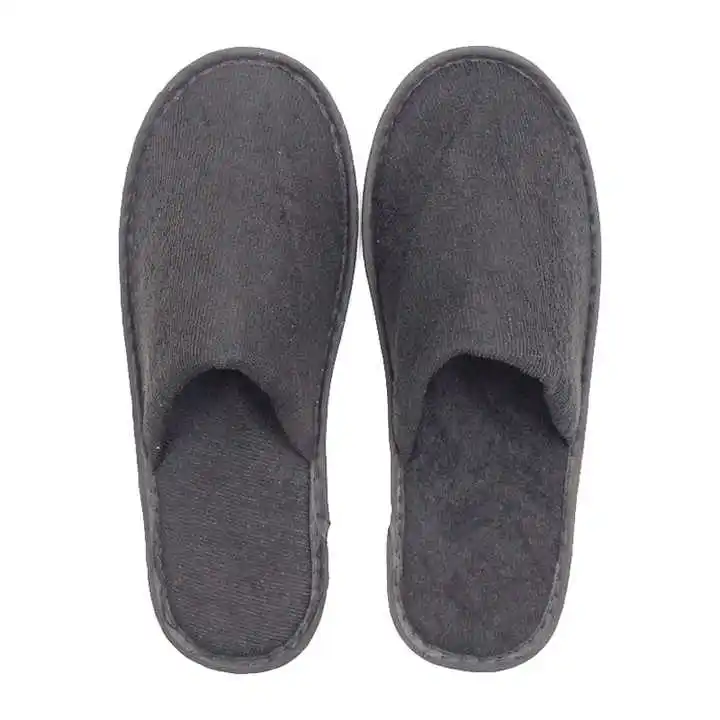
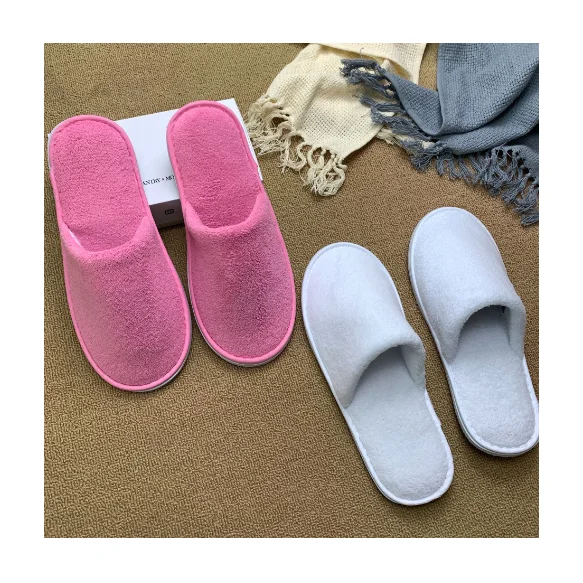
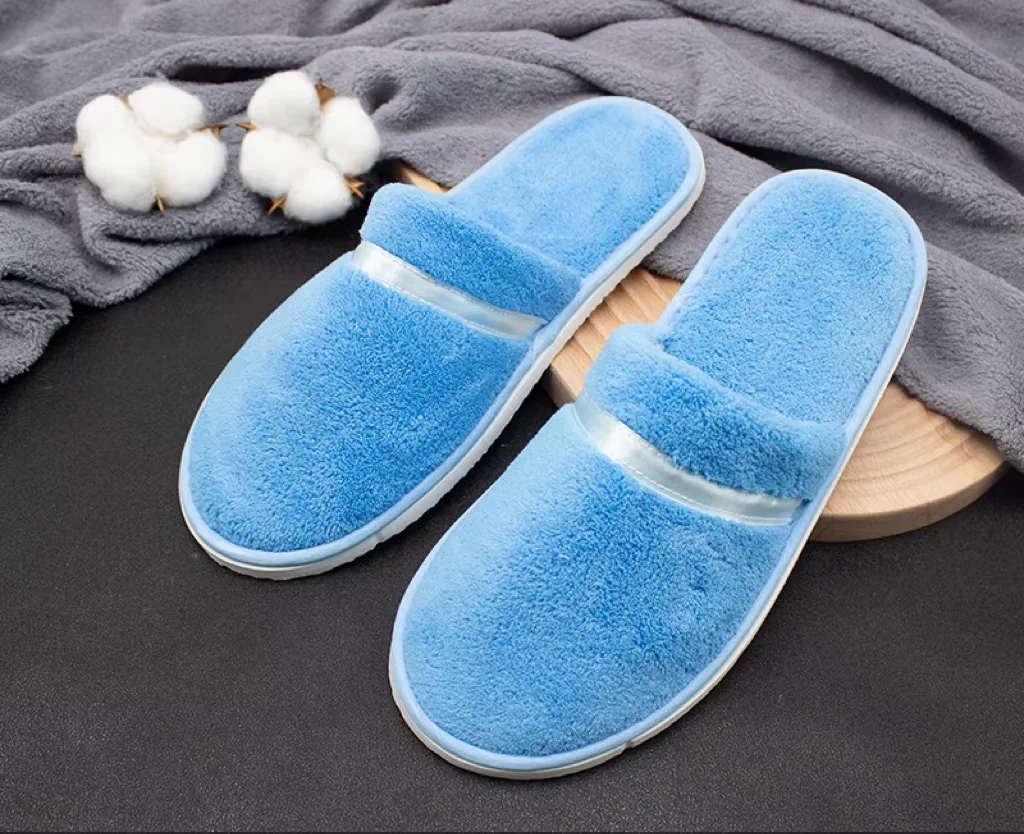
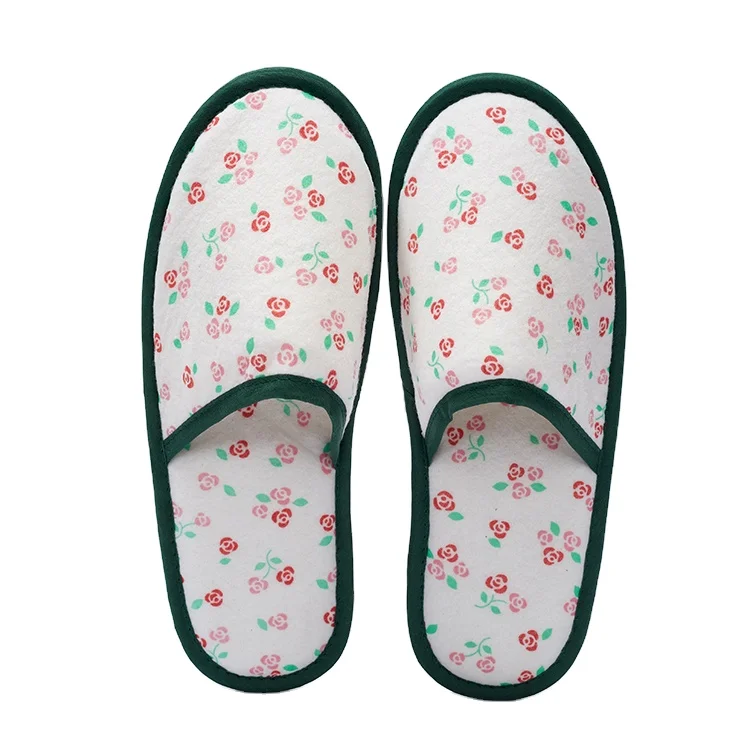
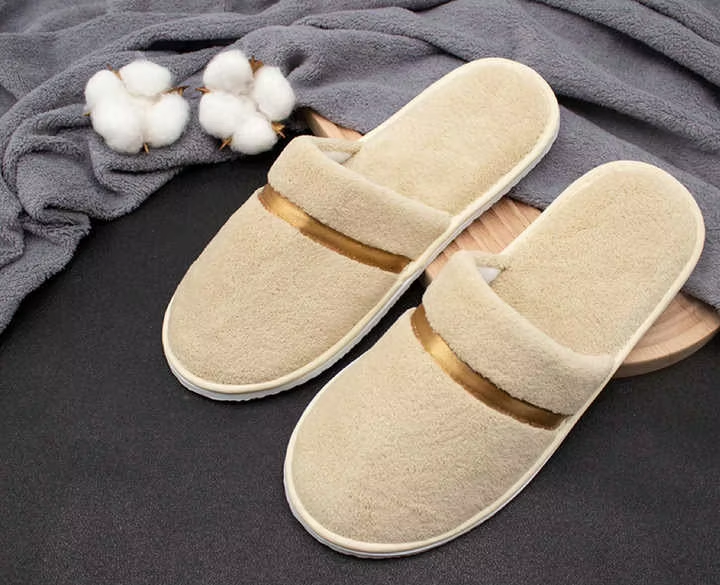
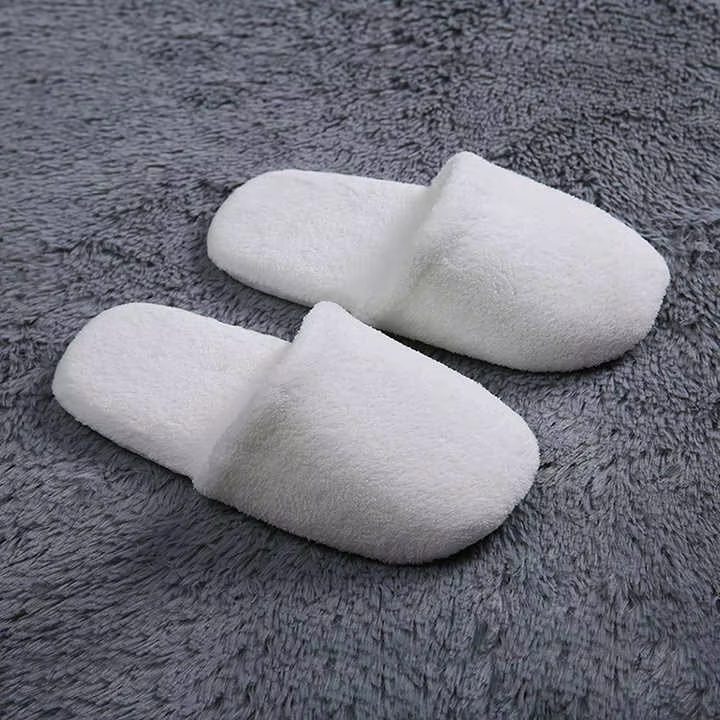
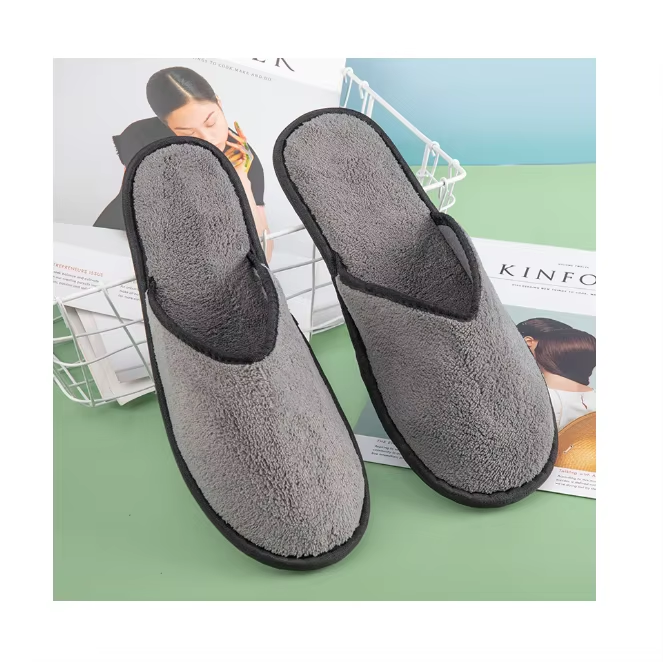
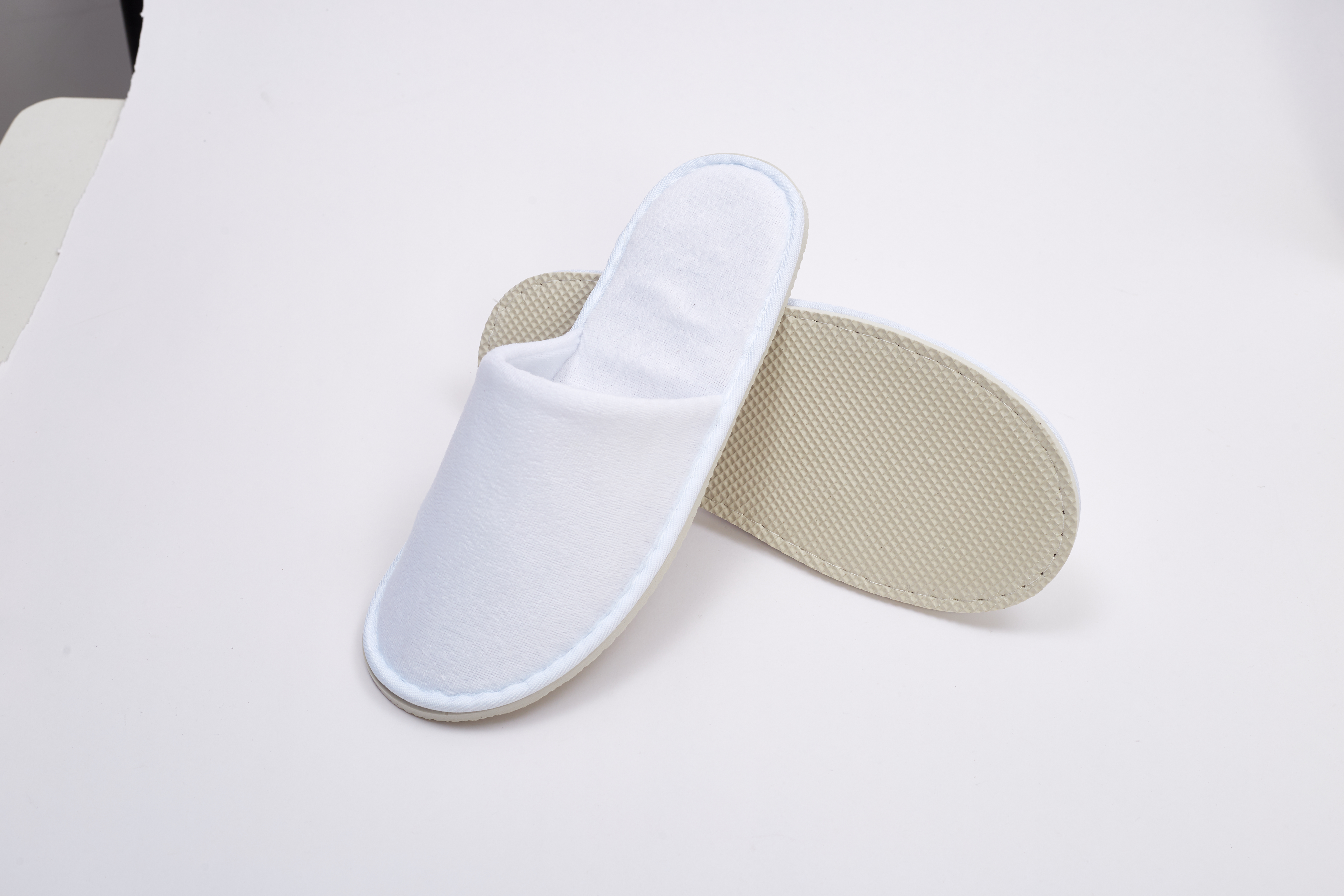
Disposable slippers bulk represent a comprehensive solution for businesses and organizations seeking convenient, hygienic footwear options for their guests, customers, or employees. These lightweight, single-use slippers are manufactured using advanced materials and production techniques to deliver comfort, safety, and cost-effectiveness across various commercial applications. The primary function of disposable slippers bulk lies in providing temporary foot protection and comfort while maintaining strict hygiene standards in environments where shared footwear poses contamination risks. These slippers feature non-slip soles crafted from durable materials that ensure adequate traction on various surface types, including tile, wood, and carpet. The upper portion typically consists of breathable, lightweight fabrics or synthetic materials that accommodate different foot sizes while preventing moisture buildup. Technological innovations in disposable slippers bulk include antimicrobial treatments that inhibit bacterial growth, moisture-wicking properties that enhance comfort during extended wear, and eco-friendly materials that reduce environmental impact. Manufacturing processes incorporate precision cutting, heat-sealing, and quality control measures to ensure consistent product performance across large quantities. Applications span numerous industries, including hospitality establishments such as hotels, spas, and resorts where guests require clean footwear for pool areas, saunas, and room use. Healthcare facilities utilize these products in patient rooms, surgical suites, and rehabilitation centers to prevent cross-contamination. Airlines distribute disposable slippers bulk during long-haul flights to enhance passenger comfort. Corporate wellness centers, gyms, and fitness facilities provide them for locker room and shower areas. Event venues use these slippers for conferences, exhibitions, and cultural events where attendees may need to remove shoes. The bulk purchasing option offers significant advantages for organizations requiring consistent supply chains, enabling better inventory management, reduced per-unit costs, and streamlined procurement processes while ensuring continuous availability for operational needs.

 EN
EN