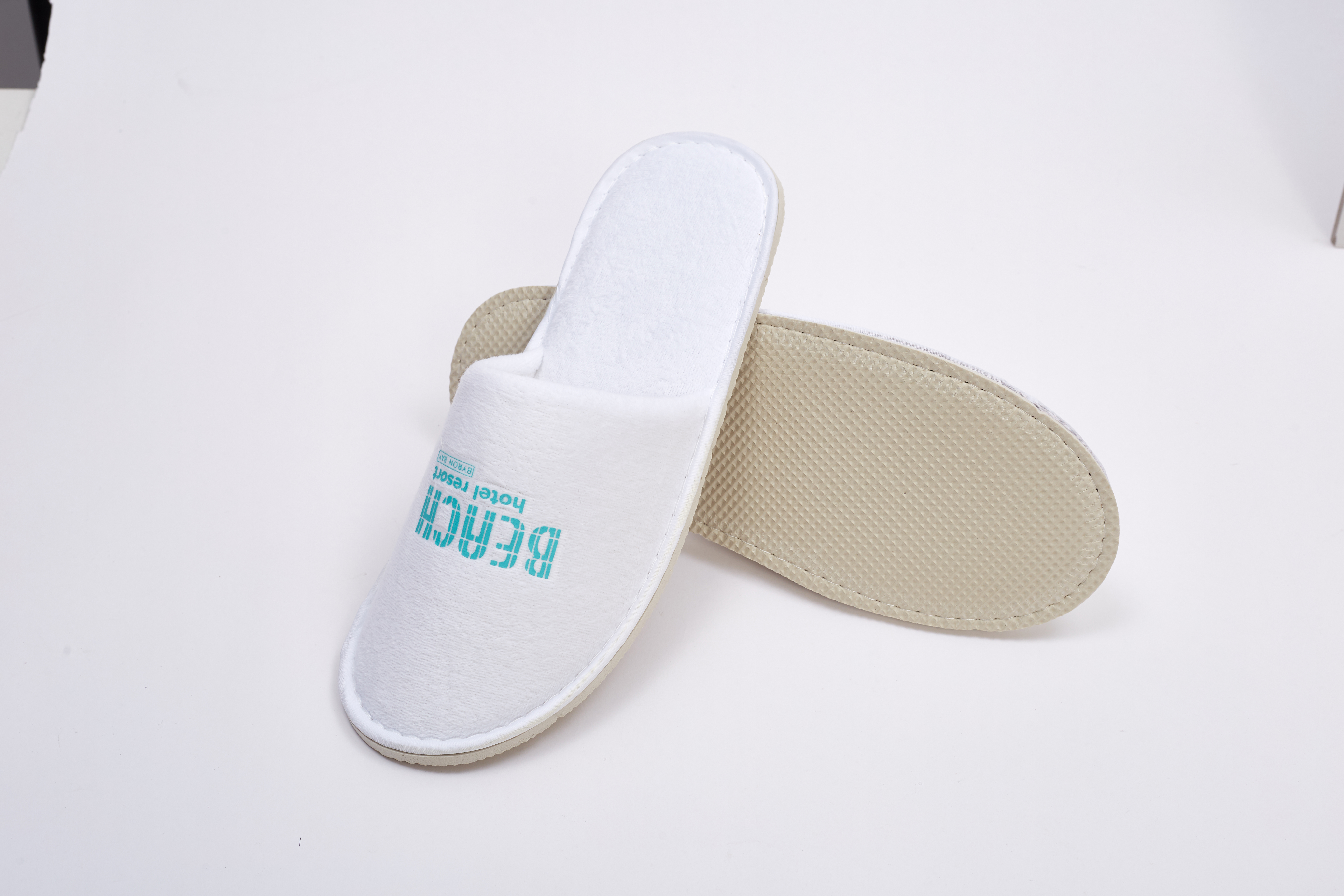
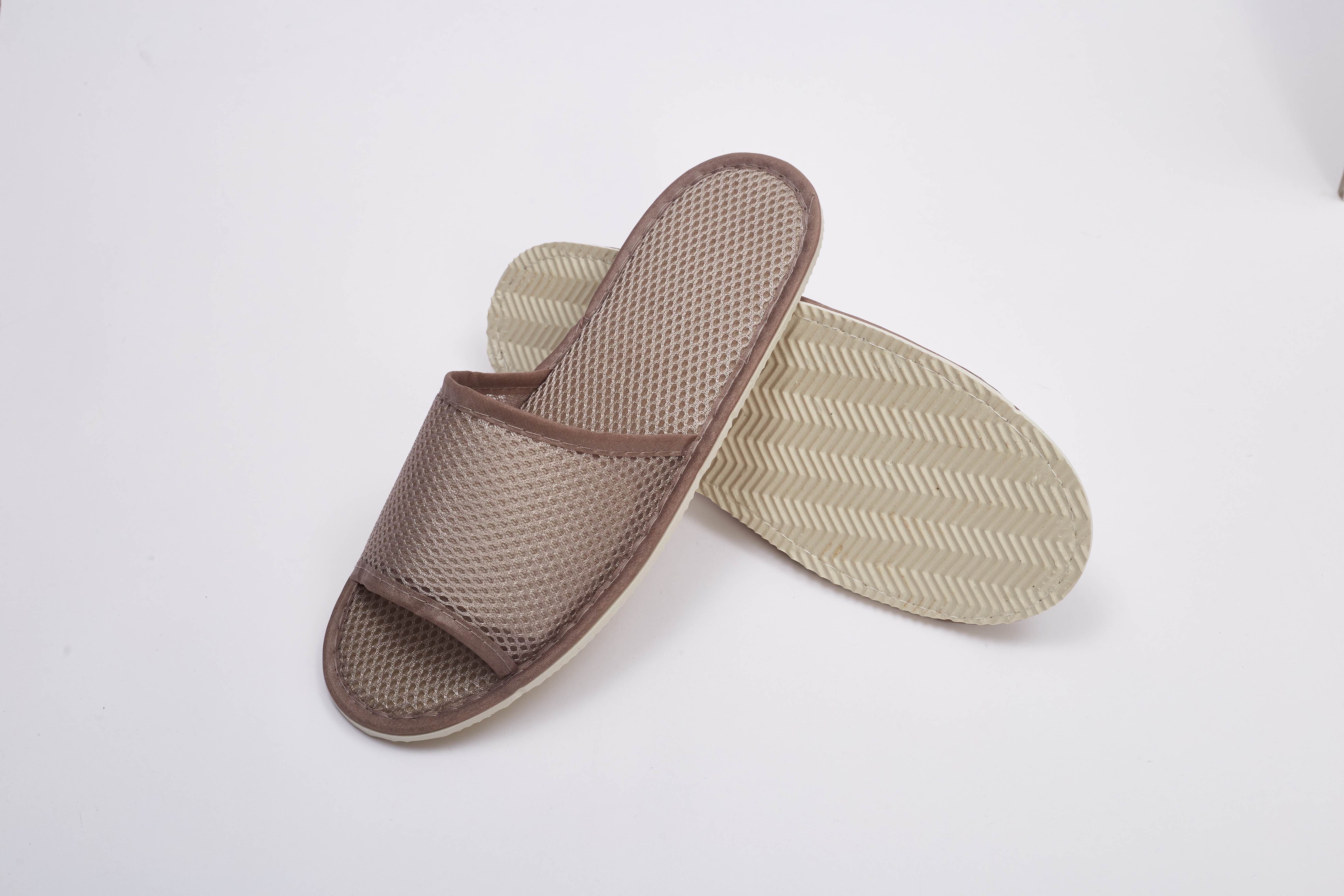
Economic Efficiency and Operational Convenience Benefits
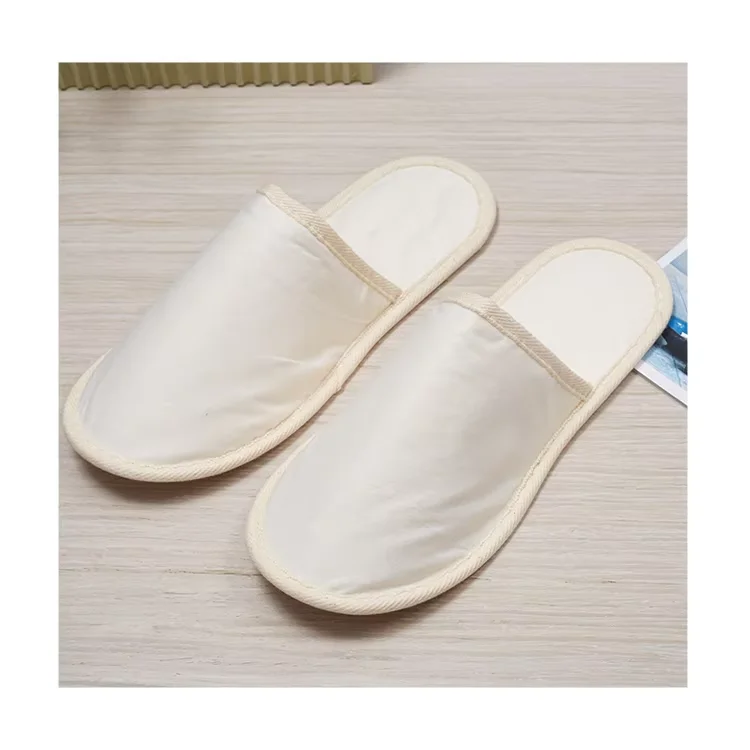
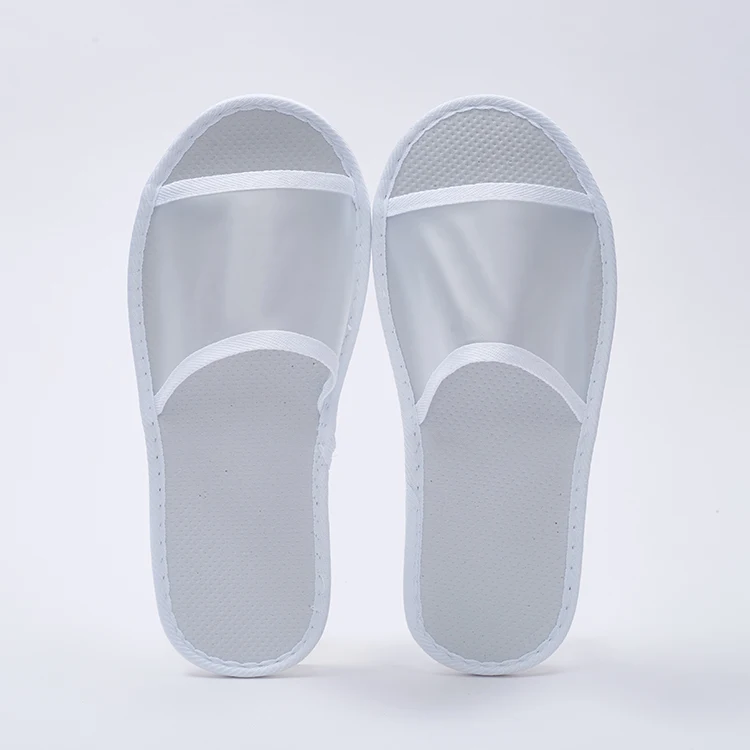
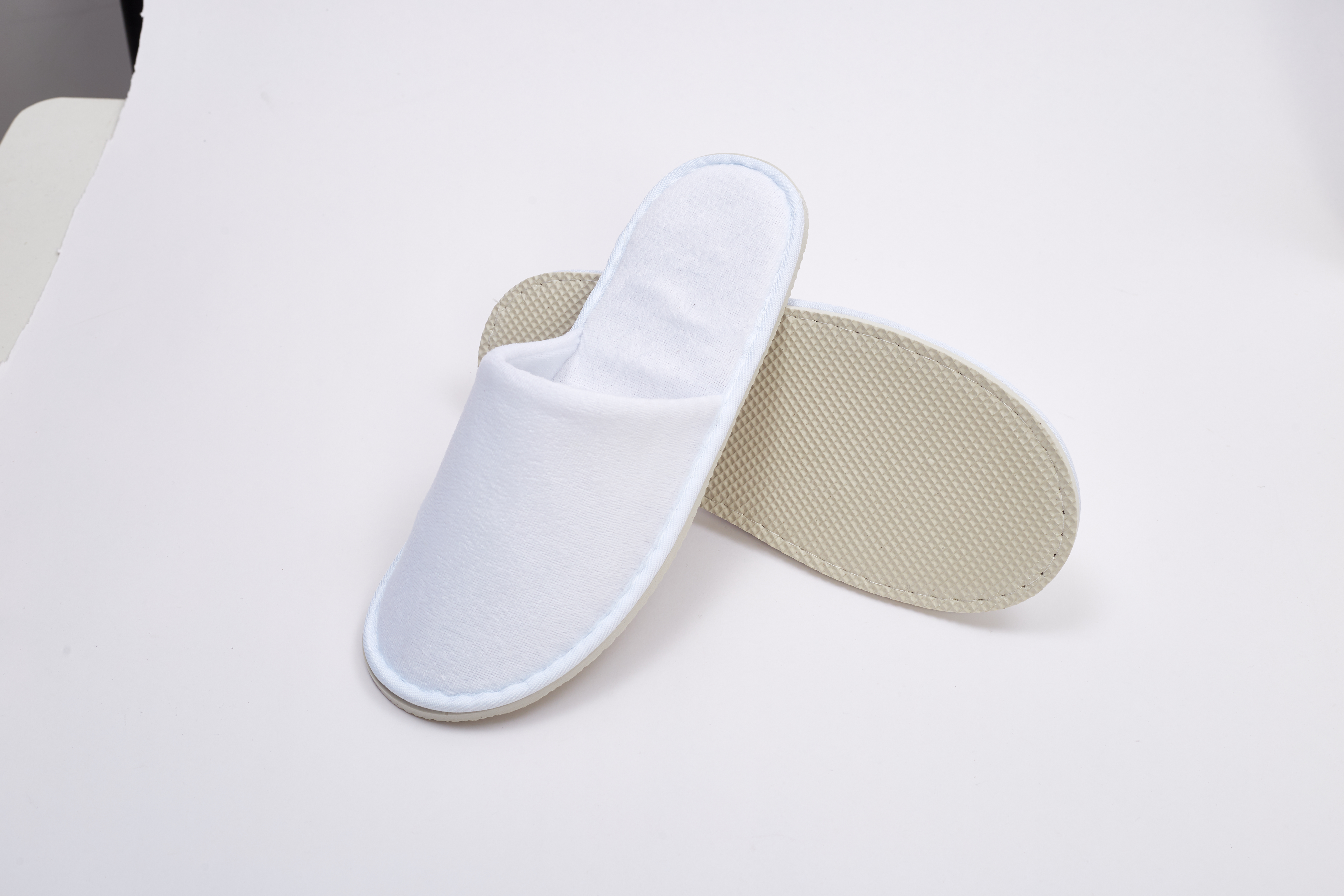
White disposable slippers deliver remarkable economic efficiency through their comprehensive cost-benefit profile that extends far beyond initial purchase price considerations, encompassing reduced labor costs, eliminated maintenance expenses, simplified inventory management, and enhanced operational flexibility that traditional reusable footwear systems cannot match. The economic advantage begins with the elimination of ongoing cleaning and maintenance costs that represent significant hidden expenses in reusable slipper programs, including laundering supplies, water and energy consumption, labor hours for collection and distribution, and replacement costs for items lost or damaged during cleaning processes. Operational convenience benefits include immediate availability without preparation time, allowing businesses to respond instantly to customer needs or emergency situations without delays associated with locating, cleaning, or preparing reusable alternatives. Inventory management becomes dramatically simplified as businesses can maintain adequate stock levels without concerns about item retrieval, loss prevention, or condition monitoring that complicate traditional footwear programs. The standardized sizing approach eliminates the complexity and expense of maintaining multiple size inventories while ensuring universal accommodation for diverse user populations. Labor cost reductions prove substantial when considering the staff time previously dedicated to slipper management tasks, including collection after use, transportation to cleaning facilities, washing and drying processes, quality inspection for wear or damage, and redistribution to usage points. These eliminated tasks allow personnel to focus on revenue-generating activities or core customer service functions that directly impact business success. Storage efficiency advantages include compact packaging that maximizes inventory density while minimizing warehouse space requirements, reducing facility costs and improving supply chain efficiency. Quality consistency eliminates the variability associated with reusable items that degrade over time, ensuring every customer receives identical high-quality experiences that support brand reputation and customer satisfaction objectives. Emergency preparedness benefits include having reliable protective footwear immediately available for unexpected situations, facility evacuations, or sudden hygiene protocol implementations without advance planning or preparation requirements. Bulk purchasing opportunities provide additional cost savings through volume discounts while the extended shelf life ensures inventory investments remain viable for extended periods without deterioration or obsolescence concerns. The scalability advantage allows businesses to adjust usage levels without corresponding changes in maintenance infrastructure or staffing requirements, providing operational flexibility that adapts to seasonal fluctuations or business growth patterns.

 EN
EN