
 EN
EN

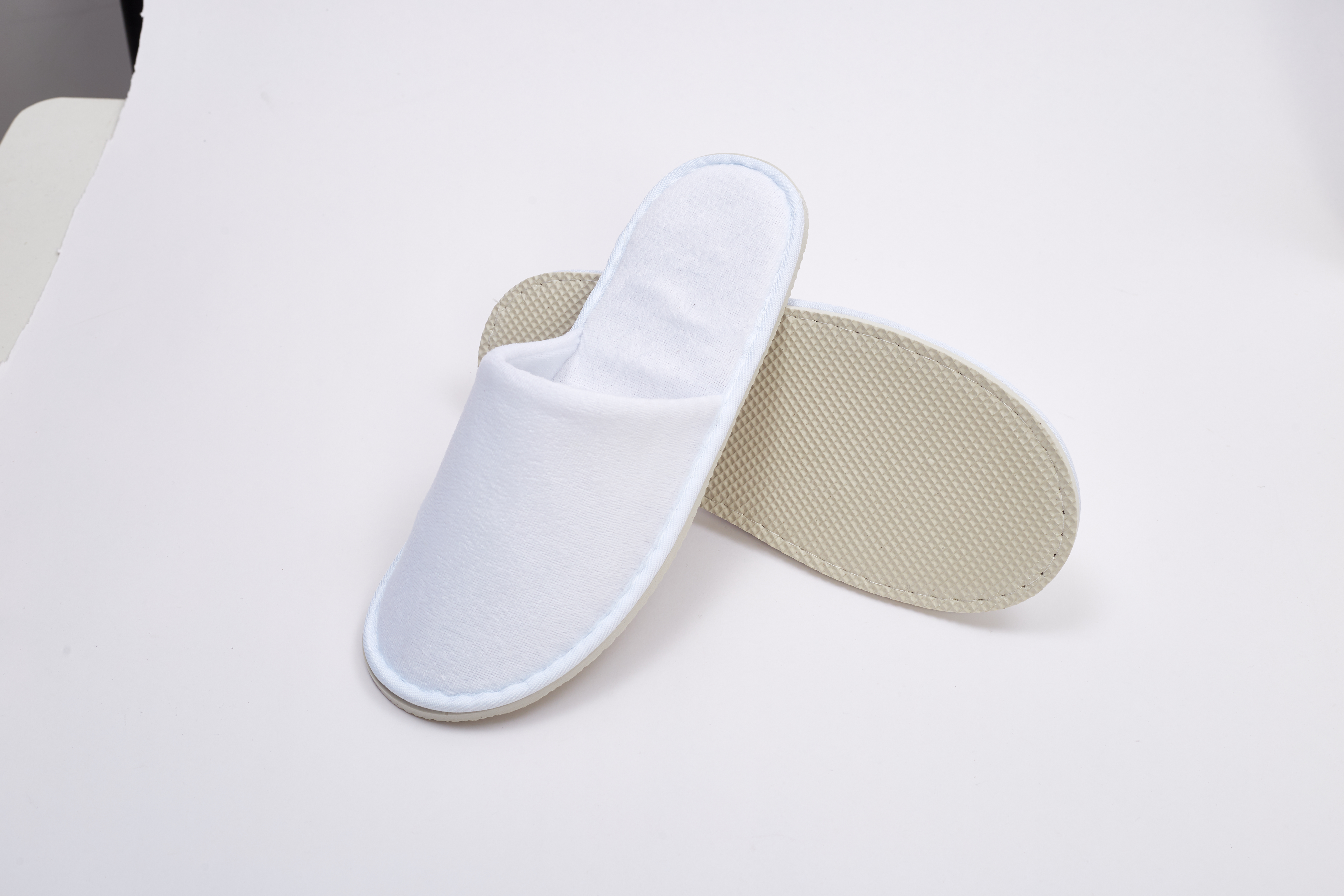
The hospitality industry has evolved significantly in recent years, with guest comfort and convenience becoming paramount concerns for hotel operators worldwide. Among the essential amenities that contribute to exceptional guest experiences, disposable slippers have emerged as a critical component that reflects a property's attention to detail and commitment to hygiene standards. The materials used in manufacturing these temporary footwear solutions directly impact their comfort, durability, and overall guest satisfaction, making material selection a crucial consideration for hospitality professionals seeking to enhance their service offerings.
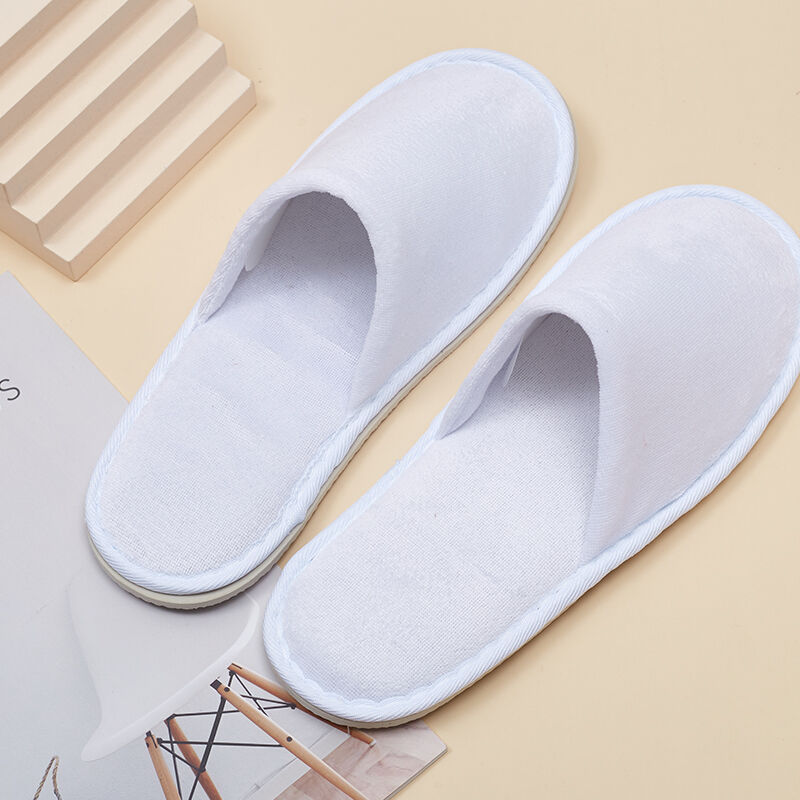
Understanding the Foundation of Quality Disposable Slippers
Material Science Behind Guest Comfort
The foundation of exceptional disposable slippers lies in understanding how different materials interact with human feet and environmental conditions. Modern manufacturing techniques have revolutionized the production of temporary footwear, enabling the creation of products that rival traditional slippers in comfort while maintaining the convenience and hygiene benefits of single-use items. The selection of appropriate materials involves considering factors such as breathability, moisture absorption, temperature regulation, and tactile comfort against the skin.
Contemporary disposable slippers utilize advanced synthetic materials and natural fibers that have been specifically engineered to provide optimal comfort during short-term use. These materials must balance softness with structural integrity, ensuring that guests experience immediate comfort while the product maintains its shape and functionality throughout typical usage periods. The science behind material selection involves understanding how different polymers, natural fibers, and composite materials respond to pressure, moisture, and temperature variations.
Engineering Durability in Temporary Footwear
Durability in disposable slippers represents a unique engineering challenge, as manufacturers must create products that withstand normal use while remaining cost-effective for single-use applications. The materials chosen must provide sufficient strength to prevent tearing, sole separation, or structural failure during typical guest activities such as walking on various floor surfaces, standing for extended periods, or navigating stairs and elevators. This engineering balance requires careful consideration of material thickness, density, and reinforcement strategies.
The durability of disposable slippers depends significantly on the interaction between upper materials and sole construction. High-quality products incorporate materials that maintain their integrity under stress while providing adequate protection for guests' feet. The engineering process involves testing materials under various conditions to ensure they meet hospitality industry standards for temporary footwear applications.
Premium Materials for Superior Performance
Natural Fiber Integration
Natural fibers play a crucial role in creating comfortable disposable slippers that provide excellent breathability and moisture management properties. Cotton and bamboo fibers are increasingly incorporated into modern designs due to their natural antibacterial properties and exceptional softness against the skin. These materials offer superior comfort compared to purely synthetic alternatives while maintaining the structural requirements necessary for disposable footwear applications.
Bamboo fiber has gained particular attention in the manufacturing of premium disposable slippers due to its natural moisture-wicking properties and inherent antimicrobial characteristics. This sustainable material provides excellent temperature regulation, keeping feet comfortable in various environmental conditions while contributing to overall guest satisfaction. The integration of natural fibers also appeals to environmentally conscious consumers and supports hotels' sustainability initiatives.
Advanced Synthetic Materials
Modern synthetic materials have transformed the capabilities of disposable slippers, enabling manufacturers to create products with enhanced performance characteristics. Non-woven polypropylene, polyethylene foams, and specialized polymer blends provide excellent cushioning while maintaining lightweight properties essential for disposable applications. These materials can be engineered to specific densities and thicknesses to achieve optimal comfort levels.
High-performance synthetic materials used in quality disposable slippers incorporate advanced manufacturing techniques that create micro-structures designed to enhance comfort and durability. These materials often feature closed-cell foam construction that provides superior cushioning while preventing moisture absorption, maintaining hygiene standards throughout the product's useful life.
Sole Construction and Material Selection
Anti-Slip Surface Technologies
The sole material of disposable slippers represents one of the most critical components affecting guest safety and comfort. Modern manufacturing techniques enable the creation of soles with excellent grip properties while maintaining the thin profile necessary for disposable footwear. Textured surfaces, specialized rubber compounds, and innovative tread patterns work together to provide adequate traction on various floor surfaces commonly found in hospitality environments.
Advanced sole materials incorporate micro-texturing technologies that create thousands of small contact points with floor surfaces, significantly improving traction without compromising comfort. These materials must perform effectively on wet and dry surfaces, including bathroom tiles, marble floors, and carpeted areas. The engineering of anti-slip surfaces requires careful balance between grip performance and manufacturing cost considerations.
Cushioning and Support Systems
Effective cushioning in disposable slippers depends on material selection that provides immediate comfort while maintaining structural integrity throughout use. Memory foam materials, gel inserts, and multi-density foam systems are increasingly incorporated into premium products to enhance guest comfort. These materials must compress and recover appropriately to provide consistent support during walking and standing activities.
The cushioning system in quality disposable slippers often incorporates layered construction techniques that combine different materials to achieve optimal comfort characteristics. This approach allows manufacturers to optimize specific performance aspects such as initial softness, long-term support, and pressure distribution across the foot surface.
Environmental Considerations and Material Innovation
Sustainable Material Development
The hospitality industry's growing focus on environmental responsibility has driven significant innovation in sustainable materials for disposable slippers. Biodegradable polymers, recycled content materials, and plant-based alternatives are increasingly integrated into product designs to reduce environmental impact while maintaining performance standards. These materials must meet the same comfort and durability requirements as traditional options while offering improved end-of-life disposal characteristics.
Innovative materials derived from agricultural waste, recycled plastics, and renewable resources are transforming the disposable slippers market. These sustainable options often provide performance advantages such as enhanced breathability, natural antimicrobial properties, and improved comfort characteristics while supporting hotels' environmental goals and guest expectations for responsible business practices.
Biodegradable and Compostable Options
Biodegradable materials for disposable slippers represent the cutting edge of sustainable hospitality amenity development. These materials must decompose safely in appropriate disposal environments while providing adequate performance during their intended use period. The development of effective biodegradable options requires sophisticated material science that balances environmental responsibility with guest comfort requirements.
Compostable disposable slippers utilize specially formulated materials that break down into organic compounds under specific environmental conditions. These innovative products support circular economy principles while maintaining the hygiene and convenience benefits that make disposable slippers essential hospitality amenities. The material engineering challenges involve creating products that remain stable during storage and use while degrading appropriately after disposal.
Manufacturing Processes and Material Integration
Quality Control in Material Selection
The manufacturing of high-quality disposable slippers requires rigorous quality control processes that ensure material consistency and performance standards. Raw material inspection, batch testing, and continuous monitoring throughout production help maintain product quality and guest satisfaction. These processes involve evaluating material properties such as tensile strength, compression resistance, and dimensional stability.
Advanced manufacturing facilities utilize automated quality control systems that monitor material properties in real-time during production processes. These systems ensure that disposable slippers meet specified performance criteria while maintaining cost-effectiveness for hospitality applications. Quality control measures also include testing finished products under simulated use conditions to verify performance characteristics.
Integration of Comfort Technologies
Modern manufacturing techniques enable the integration of multiple comfort technologies within single disposable slipper products. Lamination processes, heat bonding, and adhesive systems allow manufacturers to combine different materials in ways that optimize comfort while maintaining structural integrity. These techniques enable the creation of products with specialized zones for different comfort functions.
The integration of comfort technologies in disposable slippers involves careful consideration of material compatibility and manufacturing feasibility. Advanced production processes enable the incorporation of features such as arch support, heel cushioning, and toe box ventilation without compromising the essential characteristics that make these products suitable for single-use applications.
Performance Testing and Material Validation
Standardized Testing Protocols
The development of effective disposable slippers requires comprehensive testing protocols that evaluate material performance under realistic use conditions. These tests assess factors such as wear resistance, moisture management, dimensional stability, and comfort characteristics throughout typical usage periods. Standardized testing ensures that products meet industry requirements and guest expectations.
Material validation processes for disposable slippers include accelerated aging tests, stress evaluations, and comfort assessments that simulate extended use patterns. These testing protocols help manufacturers optimize material selection and processing parameters to achieve optimal performance characteristics while maintaining cost-effectiveness for hospitality applications.
Real-World Performance Evaluation
Field testing of disposable slippers in actual hospitality environments provides valuable insights into material performance under real-world conditions. These evaluations assess how materials respond to various environmental factors, usage patterns, and guest feedback to guide product development and improvement initiatives. Real-world testing often reveals performance aspects that laboratory testing cannot adequately simulate.
The evaluation of disposable slippers in hospitality settings involves collecting feedback from both guests and housekeeping staff to understand how materials perform throughout the complete product lifecycle. This comprehensive approach to performance evaluation ensures that material selections support both guest satisfaction and operational efficiency requirements.
FAQ
What are the most important material characteristics for comfortable disposable slippers
The most crucial material characteristics for comfortable disposable slippers include softness against the skin, adequate cushioning properties, breathability for moisture management, and appropriate thickness to provide protection without compromising flexibility. High-quality materials should also maintain their comfort properties throughout typical usage periods while providing adequate support for walking and standing activities.
How do sustainable materials compare to traditional options in disposable slippers
Sustainable materials in disposable slippers often provide performance advantages such as enhanced breathability, natural antimicrobial properties, and improved comfort characteristics while supporting environmental goals. Many biodegradable and recycled content materials now match or exceed the performance of traditional synthetic options while offering superior end-of-life disposal characteristics that appeal to environmentally conscious consumers and hospitality operators.
What role does sole material play in the overall performance of disposable slippers
Sole material is critical for disposable slippers performance as it directly affects safety, comfort, and durability. Quality sole materials must provide adequate traction on various floor surfaces, sufficient cushioning for comfort during walking and standing, and appropriate thickness to protect feet while maintaining flexibility. The sole material also contributes significantly to the overall structural integrity and lifespan of the product.
How do manufacturers ensure consistent material quality in disposable slippers production
Manufacturers ensure consistent material quality through comprehensive quality control processes including raw material inspection, batch testing, in-process monitoring, and finished product evaluation. Advanced facilities utilize automated systems that monitor material properties in real-time during production, while standardized testing protocols verify that materials meet specified performance criteria for comfort, durability, and safety requirements throughout the manufacturing process.
Table of Contents
- Understanding the Foundation of Quality Disposable Slippers
- Premium Materials for Superior Performance
- Sole Construction and Material Selection
- Environmental Considerations and Material Innovation
- Manufacturing Processes and Material Integration
- Performance Testing and Material Validation
-
FAQ
- What are the most important material characteristics for comfortable disposable slippers
- How do sustainable materials compare to traditional options in disposable slippers
- What role does sole material play in the overall performance of disposable slippers
- How do manufacturers ensure consistent material quality in disposable slippers production