
 EN
EN

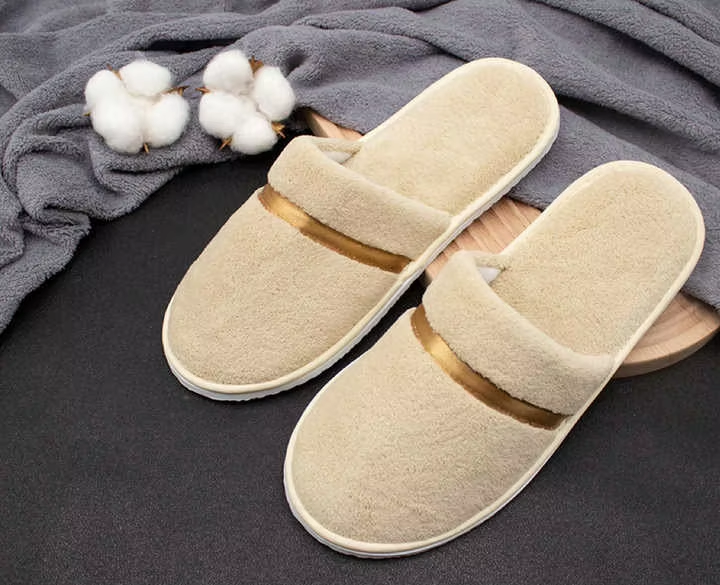
In the competitive hospitality and wellness industry, guest satisfaction depends heavily on attention to detail and comfort amenities. Among the many touchpoints that influence guest experience, spa slippers play a crucial role in creating a sense of luxury, hygiene, and personalized care. These specialized footwear solutions have become essential items in hotels, resorts, wellness centers, and spas worldwide, contributing significantly to overall guest satisfaction and brand reputation.
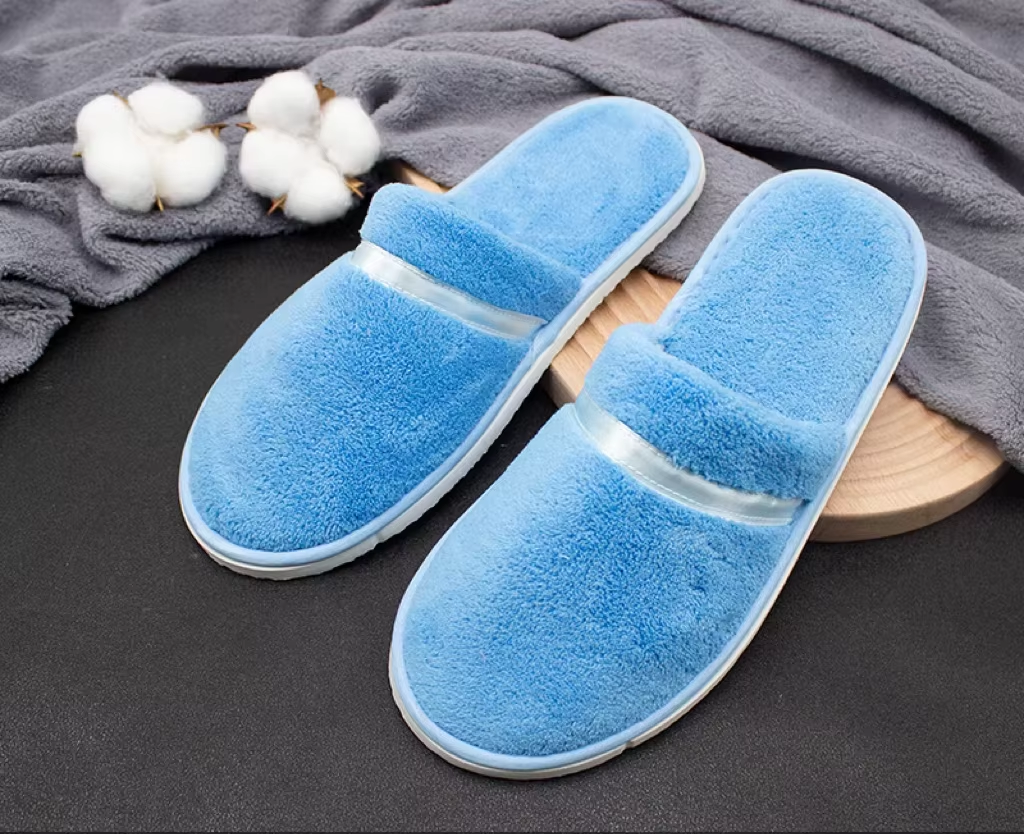
The evolution of guest expectations in hospitality has elevated the importance of premium amenities like spa slippers. Modern travelers seek experiences that combine comfort with cleanliness, making disposable and high-quality footwear essential components of service excellence. Hotels and wellness facilities that invest in superior spa slippers often see improved guest reviews, increased repeat bookings, and enhanced brand differentiation in crowded markets.
Understanding the Role of Spa Slippers in Guest Experience
Creating First Impressions Through Quality Footwear
The moment guests enter their hotel room or spa facility, spa slippers serve as an immediate indicator of the establishment's attention to comfort and quality. High-quality slippers positioned thoughtfully in guest rooms or treatment areas communicate professionalism and care for guest welfare. This first tactile interaction sets expectations for the entire stay experience.
Premium spa slippers made from soft, breathable materials provide instant comfort relief after long travel days or intensive wellness treatments. The psychological impact of slipping into comfortable, clean footwear cannot be understated in creating positive guest emotions and associations with the brand. Hotels that prioritize this detail often receive specific praise in guest reviews.
Hygiene Standards and Health Considerations
Modern spa slippers address critical hygiene concerns in hospitality environments where cleanliness standards are paramount. Disposable options eliminate cross-contamination risks between guests, while reusable variants require robust cleaning protocols. The choice between disposable and washable spa slippers depends on facility type, guest volume, and environmental considerations.
Health-conscious travelers increasingly expect facilities to provide clean, individual footwear options. Spa slippers with antimicrobial properties or eco-friendly biodegradable materials appeal to environmentally aware guests while maintaining high hygiene standards. These features have become selling points for premium hospitality brands targeting health and wellness markets.
Design Features That Maximize Comfort and Functionality
Material Selection and Comfort Technology
The effectiveness of spa slippers largely depends on material selection and construction quality. Premium options feature memory foam insoles, moisture-wicking fabrics, and ergonomic designs that conform to foot contours. These advanced materials provide superior comfort during extended wear periods common in spa and wellness environments.
Breathable materials like bamboo fiber, cotton blends, and specialized synthetic fabrics help regulate temperature and moisture, preventing discomfort during long treatment sessions. The weight distribution and sole cushioning in quality spa slippers reduce foot fatigue, allowing guests to focus entirely on relaxation and treatment benefits rather than footwear discomfort.
Safety Features and Non-Slip Technology
Safety considerations in spa environments require spa slippers with superior traction and stability features. Wet surfaces in treatment rooms, pool areas, and bathroom facilities pose slip risks that quality footwear can mitigate. Textured soles, non-slip grips, and appropriate heel support contribute to accident prevention and guest confidence.
The closed-toe design in many spa slippers provides additional protection while maintaining comfort and breathability. This design choice balances safety requirements with aesthetic appeal, ensuring footwear complements the sophisticated ambiance expected in luxury hospitality settings. Proper sizing options accommodate diverse guest demographics and foot shapes.
Economic Benefits for Hotels and Wellness Centers
Cost-Effectiveness and Inventory Management
Strategic selection of spa slippers can significantly impact operational costs and efficiency. Bulk purchasing of disposable options often provides better unit costs while eliminating laundering expenses and storage requirements for used footwear. Hotels must balance initial investment with long-term operational savings when choosing between disposable and reusable options.
Inventory management becomes streamlined with standardized spa slipper selections across properties. Consistent sizing, packaging, and quality specifications reduce complexity in procurement and housekeeping operations. Many hotel chains negotiate favorable pricing through volume contracts with specialized slipper manufacturers.
Guest Satisfaction and Revenue Impact
Investment in premium spa slippers often correlates with increased guest satisfaction scores and positive online reviews. These intangible benefits translate to improved occupancy rates, higher average daily rates, and increased direct booking percentages. The relatively small per-guest cost of quality footwear provides substantial return on investment through enhanced reputation.
Wellness centers and spas that provide exceptional spa slippers often see increased treatment bookings and extended session durations. Comfortable footwear encourages guests to fully relax and enjoy treatments, leading to higher satisfaction levels and increased likelihood of repeat visits and referral recommendations.
Sustainability and Environmental Considerations
Eco-Friendly Material Options
Environmental consciousness in hospitality has driven innovation in sustainable spa slipper materials. Biodegradable options made from natural fibers, recycled materials, and compostable components appeal to eco-conscious guests and support corporate sustainability initiatives. These materials maintain comfort standards while reducing environmental impact.
Bamboo fiber spa slippers offer natural antimicrobial properties, exceptional softness, and complete biodegradability. Recycled plastic and organic cotton blends provide durability while supporting circular economy principles. Hotels adopting sustainable spa slipper options often highlight these choices in marketing materials and sustainability reports.
Waste Reduction Strategies
Balancing guest expectations with environmental responsibility requires strategic approaches to spa slipper programs. Some facilities offer premium reusable slippers for extended stays while providing biodegradable disposable options for shorter visits. This hybrid approach optimizes both guest satisfaction and environmental impact.
Partnerships with local recycling programs and composting facilities help hotels properly dispose of used spa slippers while supporting community environmental initiatives. Clear communication about disposal methods and environmental benefits helps guests understand and appreciate sustainable practices.
Implementation Best Practices for Hospitality Operations
Staff Training and Quality Control
Successful spa slipper programs require comprehensive staff training on proper placement, replacement schedules, and quality standards. Housekeeping teams must understand the importance of pristine presentation and timely replacement to maintain guest satisfaction levels. Regular quality audits ensure consistency across all guest touchpoints.
Front desk and concierge staff should understand spa slipper features and benefits to address guest questions and highlight property amenities. This knowledge allows staff to position quality footwear as a premium service differentiator during guest interactions and booking conversations.
Customization and Brand Integration
Custom spa slippers featuring hotel logos, brand colors, or unique designs create memorable brand experiences and potential marketing opportunities. Guests often appreciate branded amenities as keepsakes, extending brand exposure beyond the property visit. However, customization must balance brand visibility with guest comfort and usability.
Packaging design and presentation methods significantly impact guest perception of spa slipper quality and value. Professional packaging with care instructions and brand messaging enhances the premium positioning while providing practical information for guest use and potential take-home value.
Future Trends and Innovation in Spa Footwear
Technology Integration and Smart Features
Emerging technologies in spa slippers include temperature regulation, pressure point massage features, and even connectivity capabilities for wellness tracking. These innovations represent the future evolution of guest amenities, though adoption will depend on cost-effectiveness and genuine guest value perception.
Antimicrobial coatings, UV sterilization capabilities, and moisture management technologies are becoming more prevalent in premium spa slipper designs. These features address growing health consciousness while providing tangible benefits that justify higher investment costs for hospitality operators.
Market Evolution and Guest Expectations
Consumer expectations continue evolving toward higher quality, sustainable, and technologically advanced spa slippers. Hotels must balance innovation adoption with practical operational requirements and cost considerations. Market research indicates growing willingness to pay premium rates for properties offering superior amenity packages including quality footwear.
The spa slipper market is experiencing growth driven by increased wellness tourism, higher hygiene standards, and greater attention to guest experience details. Hospitality operators who anticipate and respond to these trends position themselves advantageously in competitive markets.
FAQ
What materials are best for spa slippers in hospitality environments
The best materials for spa slippers in hospitality settings include bamboo fiber for natural antimicrobial properties, memory foam for comfort, and breathable cotton blends for moisture management. Biodegradable options like pulp-based soles offer environmental benefits while maintaining comfort standards. Material selection should balance guest comfort, hygiene requirements, and operational costs.
How do hotels determine between disposable and reusable spa slippers
Hotels choose between disposable and reusable spa slippers based on guest volume, operational costs, environmental goals, and brand positioning. High-volume properties often prefer disposable options for hygiene assurance and reduced laundry costs, while luxury establishments may invest in premium reusable slippers for enhanced guest experience. Environmental considerations increasingly influence these decisions.
What safety features should spa slippers include
Essential safety features for spa slippers include non-slip soles with textured grips, appropriate heel support, and closed-toe designs for protection. The materials should be quick-drying to prevent bacterial growth, and the construction should provide adequate arch support for extended wear. Size variety ensures proper fit, reducing trip hazards and improving guest comfort.
How can spa slippers contribute to hotel sustainability initiatives
Spa slippers support hotel sustainability through biodegradable materials, recycled content construction, and partnerships with composting programs. Hotels can choose suppliers committed to sustainable manufacturing practices and implement take-back programs for used slippers. Clear communication about environmental benefits helps guests understand and appreciate these sustainable choices while supporting corporate responsibility goals.
Table of Contents
- Understanding the Role of Spa Slippers in Guest Experience
- Design Features That Maximize Comfort and Functionality
- Economic Benefits for Hotels and Wellness Centers
- Sustainability and Environmental Considerations
- Implementation Best Practices for Hospitality Operations
- Future Trends and Innovation in Spa Footwear
- FAQ