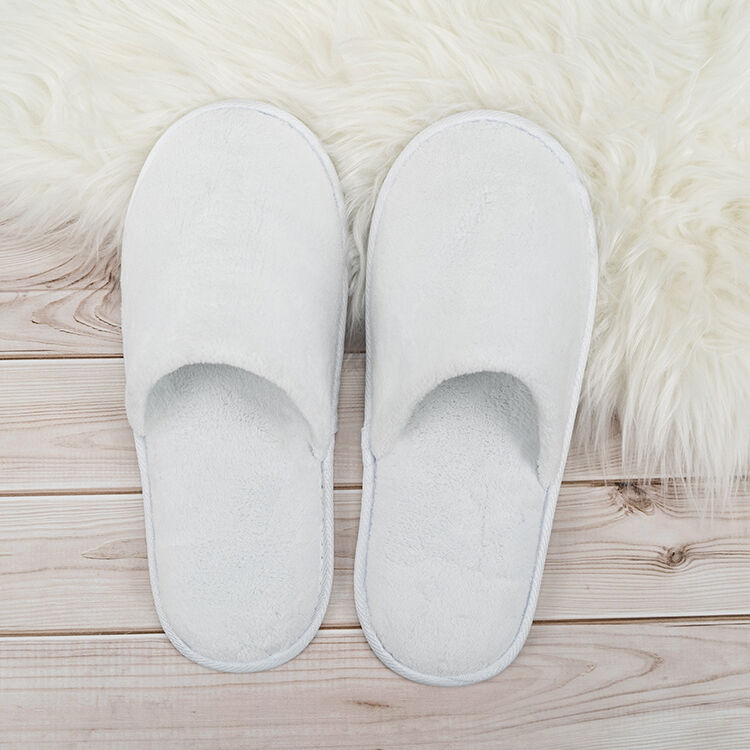
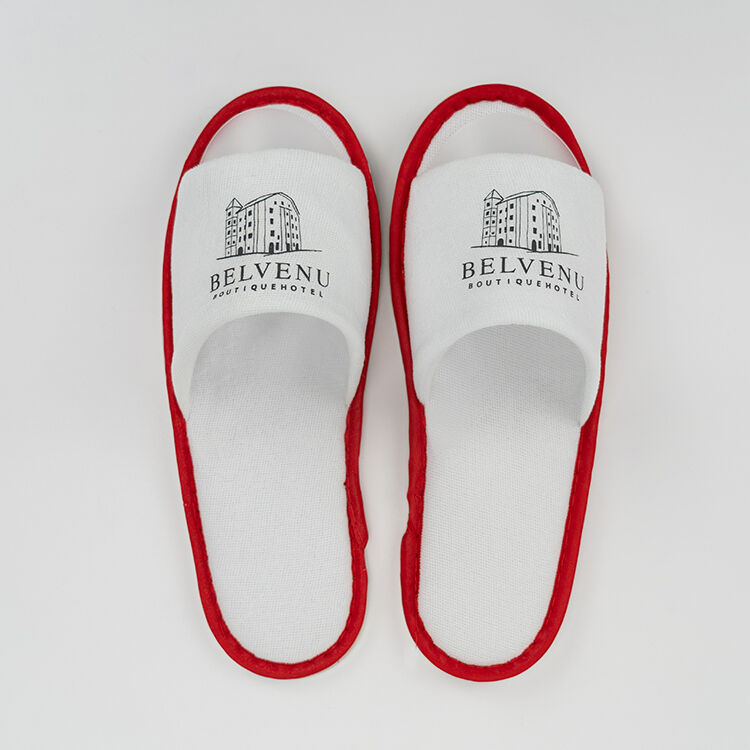
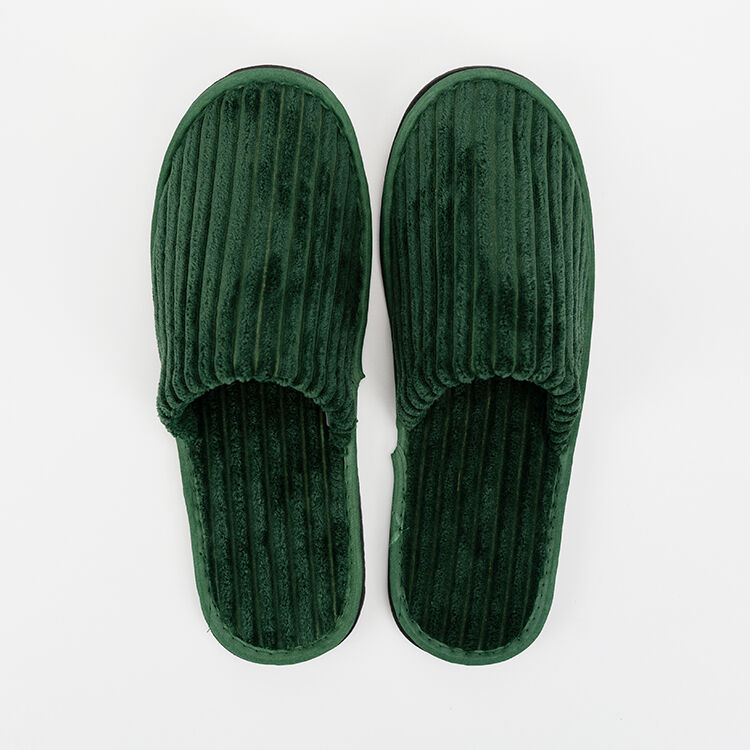
Cost-Effective Solution for Multiple Applications
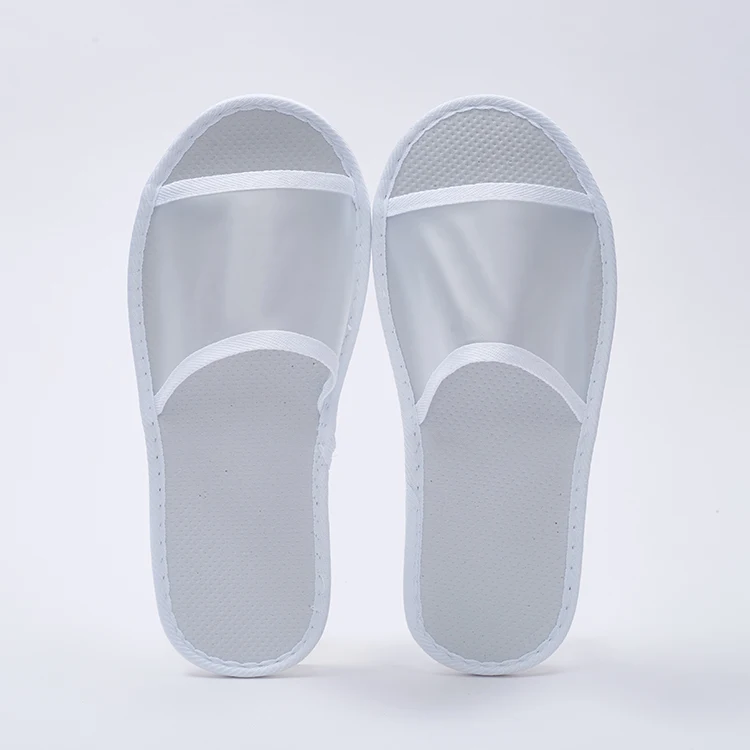
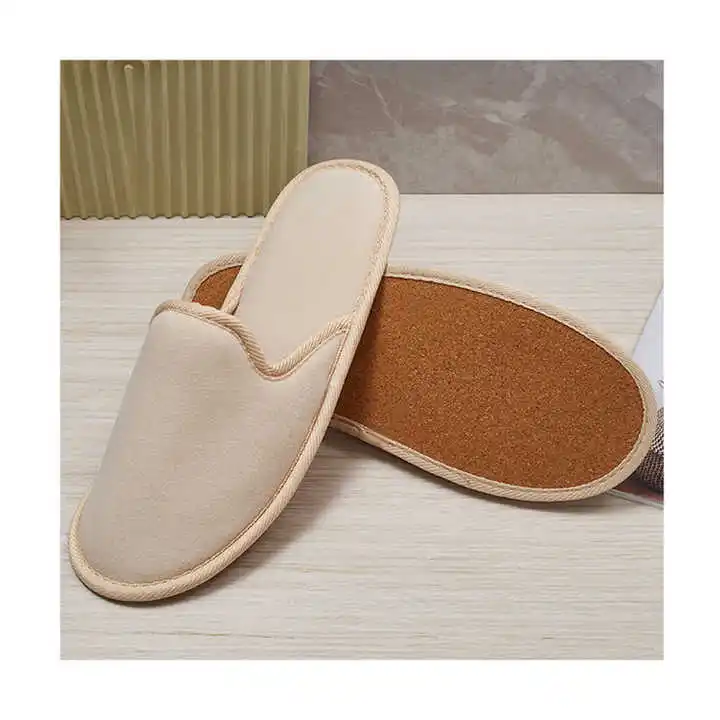
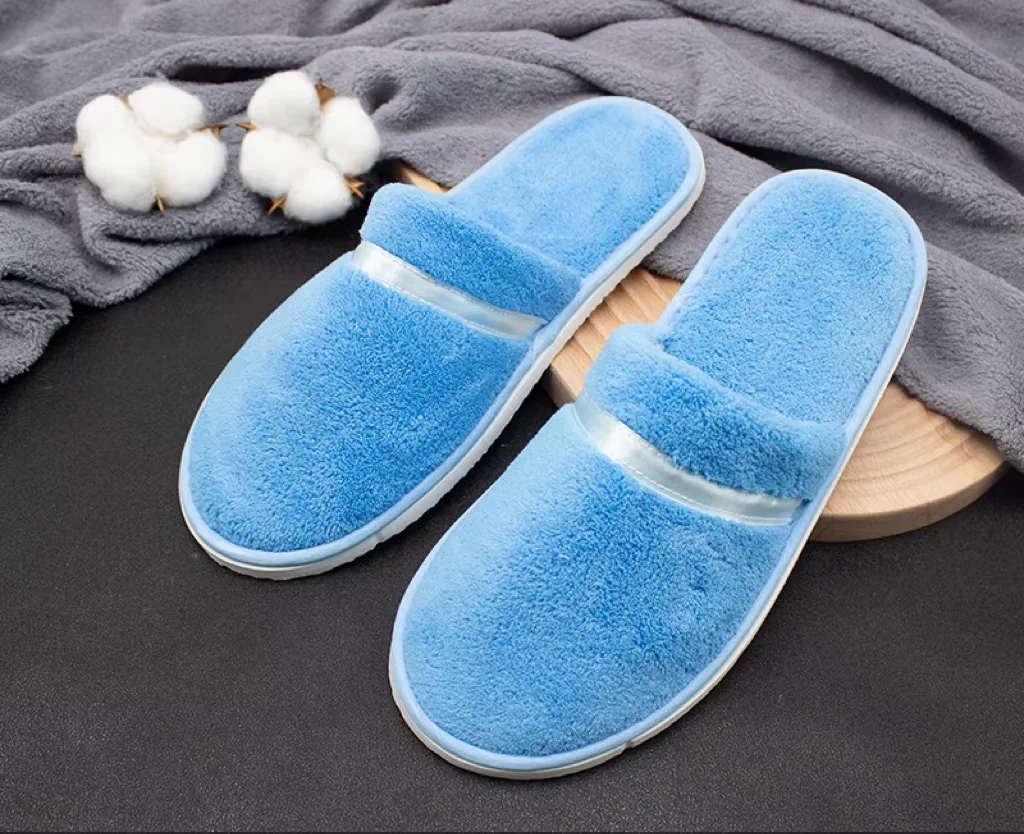
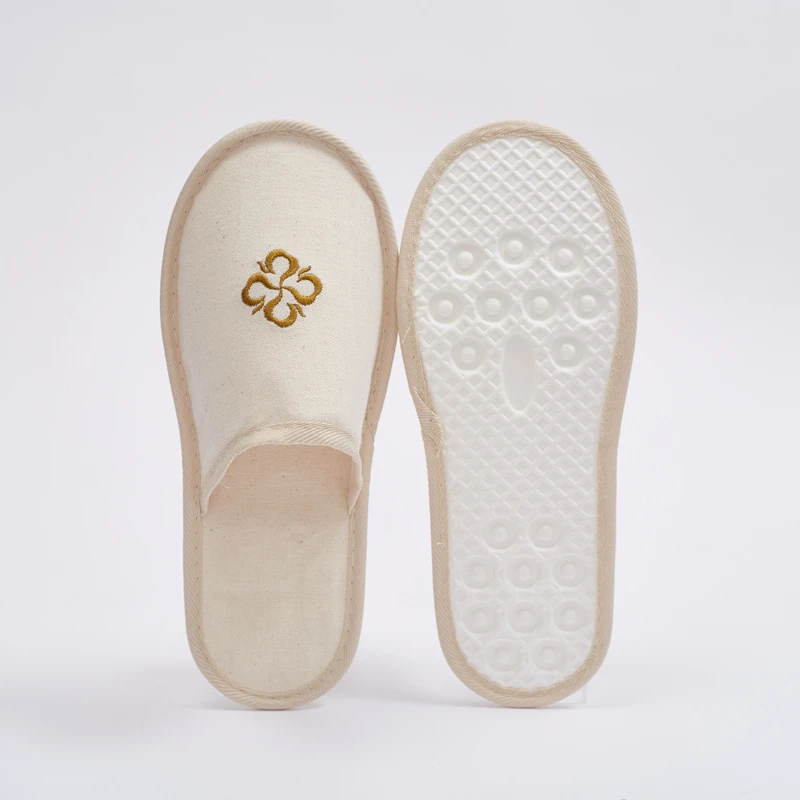
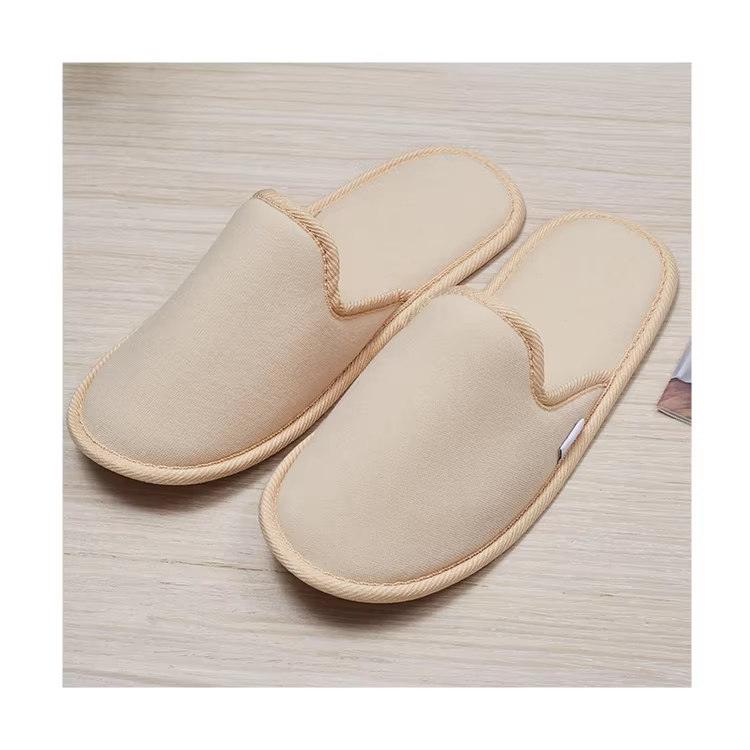
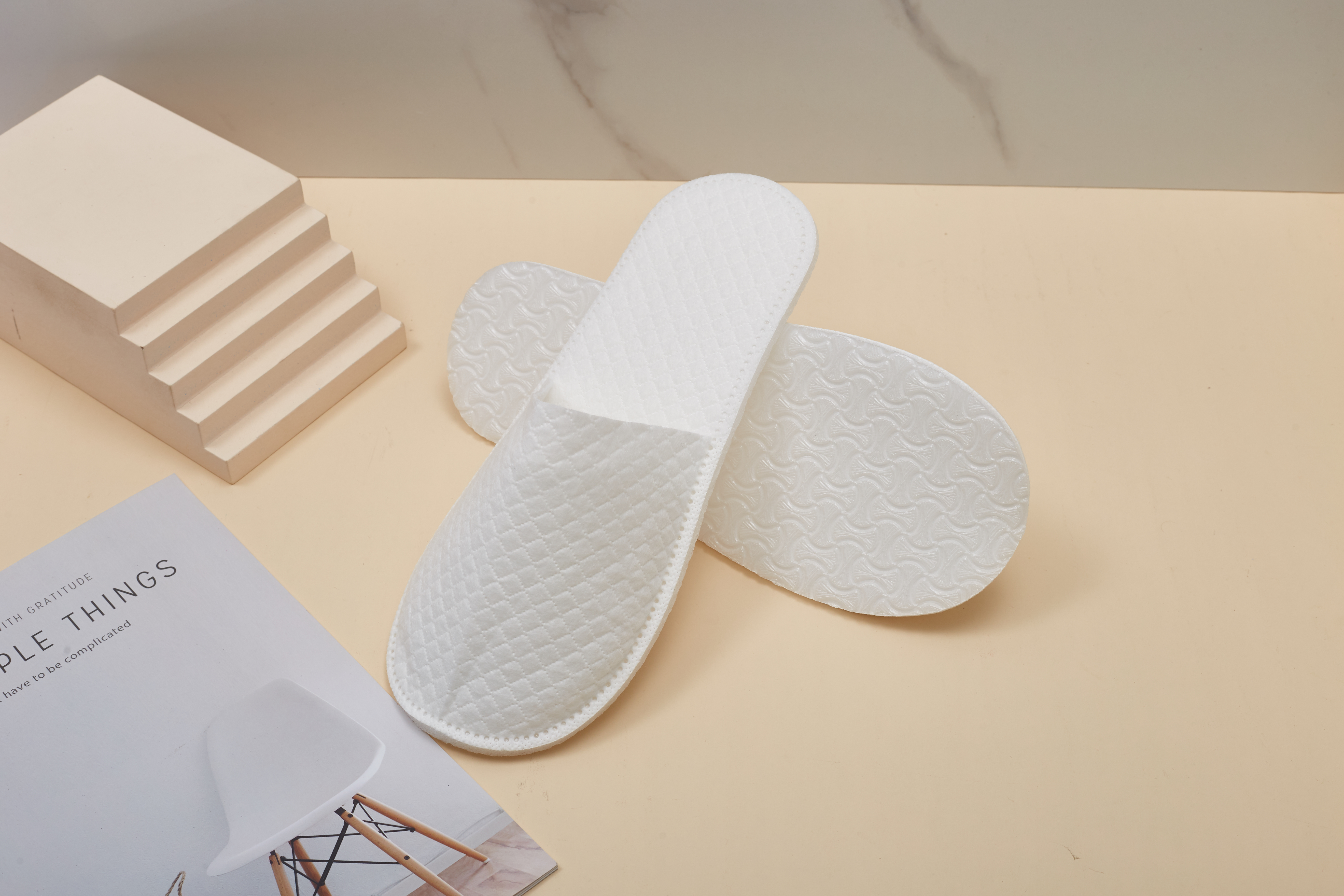
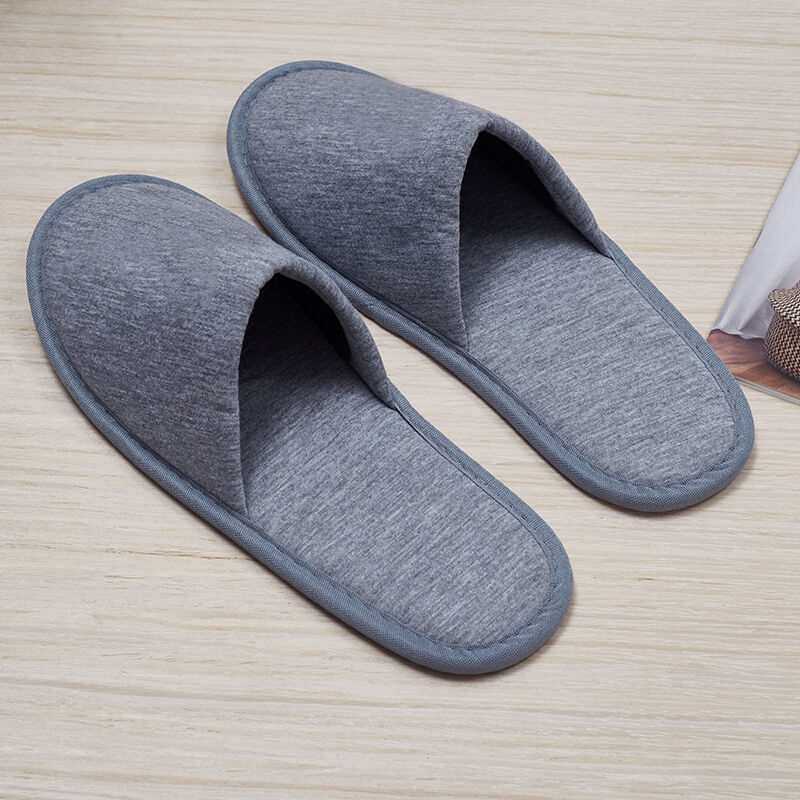
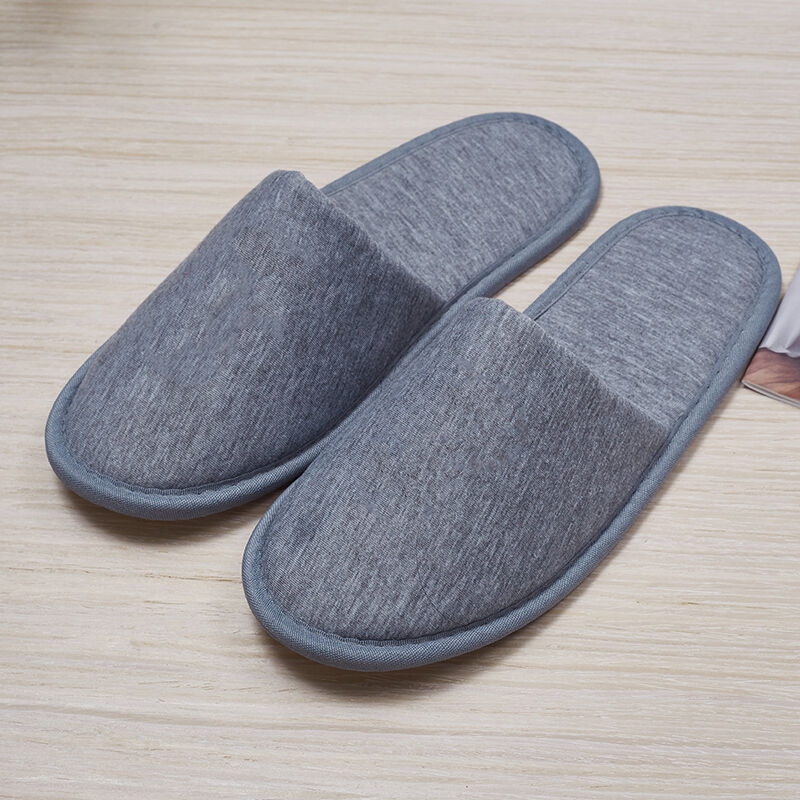
The economic advantages of disposable bedroom slippers extend far beyond their initial purchase price, creating comprehensive cost savings that benefit both individual consumers and commercial enterprises across multiple operational areas. For hospitality businesses, the elimination of laundry processing costs represents significant ongoing savings, as traditional washable slippers require regular cleaning cycles that consume water, energy, detergent, and labor resources while contributing to facility wear and tear. The storage benefits reduce facility overhead by eliminating dedicated space requirements for dirty slipper collection, cleaning supply storage, and inventory management systems needed for reusable alternatives. Purchasing managers appreciate the simplified procurement process that requires minimal inventory planning, as disposable bedroom slippers offer extended shelf life and require no size-specific stocking that complicates traditional footwear purchasing decisions. The reduced labor costs associated with housekeeping operations create additional savings, as staff members spend less time collecting, sorting, washing, drying, and redistributing guest slippers between room preparations. Healthcare facilities benefit from reduced contamination control costs, as disposable bedroom slippers eliminate expensive sterilization procedures and specialized cleaning protocols required for reusable medical footwear. The versatility of disposable bedroom slippers makes them suitable for emergency preparedness kits, temporary housing situations, and special events where providing footwear becomes necessary without long-term commitments. Individual consumers find value in travel applications where luggage space limitations make carrying traditional slippers impractical, while the low cost per pair allows guilt-free disposal after use. The bulk purchasing opportunities available for disposable bedroom slippers create economies of scale that reduce per-unit costs significantly for high-volume users like hotel chains, hospital systems, and spa networks. Insurance considerations favor disposable options due to reduced liability risks associated with slip-and-fall accidents, as fresh anti-slip soles provide consistent traction performance compared to worn reusable alternatives. The predictable replacement costs enable accurate budgeting without unexpected expenses related to damage, theft, or premature wear that affect traditional slipper inventories, making financial planning more reliable and manageable for procurement professionals.

 EN
EN