
 EN
EN

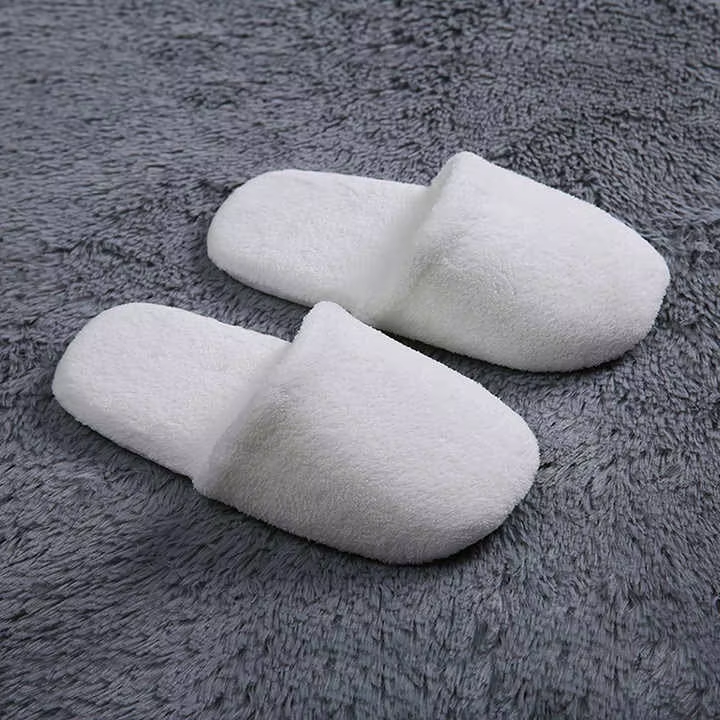
Long-haul flights present unique challenges for passenger comfort, with extended periods of sitting, cabin pressure changes, and limited mobility affecting traveler well-being. Among the various comfort amenities provided by airlines, airline slippers have emerged as essential items that significantly enhance the passenger experience during extended journeys. These specialized footwear solutions address multiple comfort concerns while maintaining hygiene standards and supporting passenger health throughout lengthy flights.
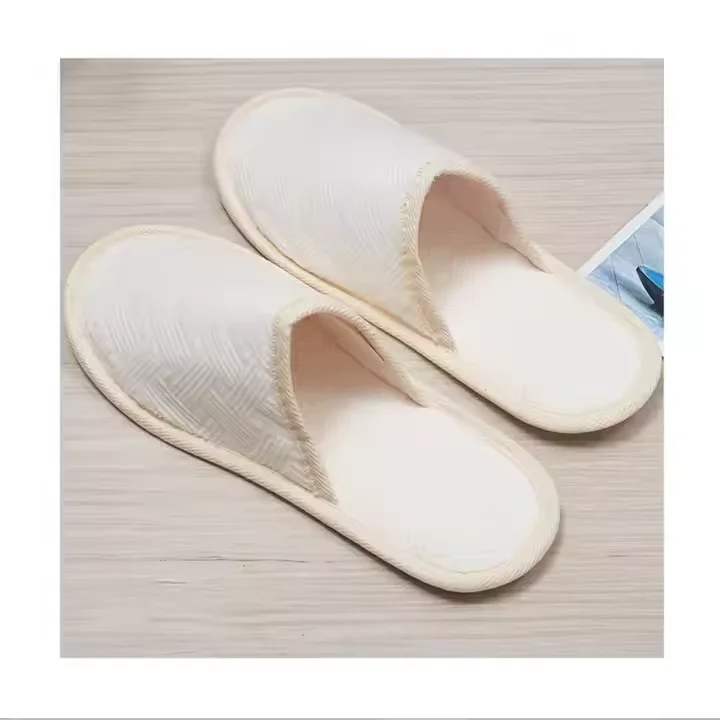
The aviation industry has recognized that passenger comfort directly correlates with customer satisfaction and brand loyalty. Modern travelers expect comprehensive comfort solutions that address their needs during flights lasting eight hours or more. Airline slippers represent a thoughtful approach to passenger care, demonstrating an airline's commitment to providing superior service while addressing practical concerns about foot health and comfort during extended travel periods.
The Science Behind Foot Comfort During Flight
Circulation and Swelling Prevention
During long flights, passengers experience reduced blood circulation due to prolonged sitting and cabin pressure changes. Tight shoes can exacerbate circulation problems, leading to foot swelling, discomfort, and potential health risks. Airline slippers provide a loose-fitting alternative that allows for natural foot expansion and promotes better blood flow throughout the journey.
The design of quality airline slippers incorporates breathable materials and flexible construction that accommodates slight swelling without restricting circulation. This scientific approach to passenger comfort helps prevent deep vein thrombosis risks and reduces the discomfort associated with extended periods of immobility. Airlines that provide these comfort items demonstrate awareness of passenger health concerns and proactive measures to address them.
Temperature Regulation and Moisture Management
Cabin environments maintain specific temperature and humidity levels that can affect passenger comfort. Closed shoes worn for extended periods can create uncomfortable conditions for feet, leading to moisture buildup and temperature regulation issues. Professional airline slippers feature materials designed to manage moisture while providing appropriate insulation for varying cabin temperatures.
Advanced airline slipper designs utilize breathable fabrics and moisture-wicking properties that help maintain optimal foot temperature throughout the flight. This temperature management capability becomes particularly important during overnight flights when passengers attempt to rest and sleep. The ability to regulate foot temperature contributes significantly to overall passenger comfort and sleep quality during long-haul journeys.
Hygiene Standards and Health Considerations
Disposable Design Benefits
Modern airline slippers often feature disposable designs that address hygiene concerns inherent in shared transportation environments. These single-use items eliminate cross-contamination risks while providing passengers with fresh, clean footwear for their journey. The disposable nature of these products ensures that each passenger receives unused items, maintaining high hygiene standards throughout the travel experience.
The implementation of disposable airline slippers reflects industry understanding of passenger health priorities and infection control measures. Airlines that provide these hygiene-conscious amenities demonstrate commitment to passenger safety while addressing concerns about shared spaces and surfaces. This approach particularly resonates with health-conscious travelers who prioritize cleanliness during their journey.
Antimicrobial Properties and Materials
Leading manufacturers of airline slippers incorporate antimicrobial materials and treatments that provide additional protection against bacteria and fungi. These advanced materials help maintain foot health during extended wear periods while providing natural odor control properties. The integration of antimicrobial technology represents a significant advancement in passenger comfort amenities.
Quality airline slippers feature materials treated with silver ions or other antimicrobial agents that provide ongoing protection throughout the flight duration. This technology becomes particularly valuable during ultra-long-range flights where passengers may wear the slippers for twelve hours or more. The antimicrobial properties ensure that foot health remains protected while comfort is maintained throughout the journey.
Design Innovation and Material Technology
Ergonomic Construction Features
Contemporary airline slippers incorporate ergonomic design principles that support natural foot mechanics and provide targeted comfort where needed most. These design considerations include arch support, heel cushioning, and toe box space optimization that addresses the specific needs of seated passengers during extended flights. The ergonomic approach ensures that airline slippers provide genuine comfort rather than merely aesthetic appeal.
Advanced airline slipper designs feature contoured footbeds that support the natural arch of the foot while providing cushioning for pressure points. This ergonomic construction helps reduce fatigue and discomfort associated with prolonged sitting, contributing to overall passenger well-being throughout the flight. The attention to ergonomic detail demonstrates the evolution of airline amenities from basic necessities to sophisticated comfort solutions.
Sustainable Material Innovation
Environmental consciousness has driven innovation in airline slipper materials, with manufacturers developing eco-friendly options that maintain comfort while reducing environmental impact. Biodegradable materials, recycled fibers, and sustainable production processes are becoming standard features in premium airline slipper offerings. This sustainability focus aligns with broader industry environmental initiatives and passenger environmental awareness.
Modern airline slippers utilize materials such as bamboo fiber, organic cotton, and biodegradable synthetic alternatives that provide excellent comfort while supporting environmental responsibility. These sustainable options decompose naturally after disposal, reducing the environmental footprint of airline amenities. Airlines that choose environmentally responsible slipper options demonstrate commitment to sustainability while maintaining passenger comfort standards.
Passenger Experience and Brand Perception
Service Differentiation Strategies
Airlines utilize high-quality airline slippers as part of comprehensive service differentiation strategies that distinguish their brand from competitors. Premium slipper offerings signal attention to passenger comfort details and demonstrate investment in passenger experience enhancement. This differentiation becomes particularly important in competitive long-haul markets where passenger comfort amenities influence booking decisions.
The provision of quality airline slippers creates positive passenger impressions that extend beyond the immediate comfort benefit. Passengers often view these amenities as indicators of overall service quality and attention to detail, influencing their perception of the airline brand. This psychological impact makes airline slippers valuable marketing tools that contribute to customer loyalty and positive word-of-mouth recommendations.
Cultural Considerations and Global Appeal
International airlines must consider cultural preferences and expectations regarding footwear when selecting airline slippers for their amenity kits. Different cultural backgrounds have varying comfort preferences, material sensitivities, and design expectations that influence passenger satisfaction. Understanding these cultural nuances helps airlines select appropriate slipper styles that appeal to diverse passenger demographics.
Quality airline slippers feature universal design elements that transcend cultural preferences while accommodating specific comfort needs. Neutral colors, simple designs, and comfortable fits appeal to passengers from various cultural backgrounds, ensuring broad acceptance and satisfaction. This cultural sensitivity in amenity selection demonstrates airlines' understanding of their diverse passenger base and commitment to inclusive comfort solutions.
Economic Impact and Cost Considerations
Cost-Benefit Analysis for Airlines
Airlines must balance the cost of providing airline slippers against the customer satisfaction and loyalty benefits they generate. Quality airline slippers represent relatively modest per-passenger costs while delivering significant comfort improvements and positive brand associations. This favorable cost-benefit ratio makes airline slippers attractive investments for airlines seeking to enhance passenger experience without substantial expense.
The provision of airline slippers often correlates with increased customer satisfaction scores and reduced complaints related to comfort issues. These improvements in passenger perception can translate into tangible business benefits including increased customer retention, positive reviews, and word-of-mouth marketing. Airlines that invest in quality comfort amenities often see returns through improved brand reputation and customer loyalty.
Bulk Procurement and Quality Management
Airlines typically procure airline slippers through bulk purchasing agreements that enable cost efficiencies while maintaining quality standards. These procurement strategies require careful vendor selection, quality control processes, and inventory management systems that ensure consistent availability and quality. Effective procurement management helps airlines optimize costs while maintaining passenger satisfaction with slipper amenities.
Quality management systems for airline slippers include material testing, comfort assessments, and passenger feedback analysis that ensure products meet performance expectations. Airlines often work closely with manufacturers to develop custom airline slipper specifications that align with brand standards and passenger preferences. This collaborative approach helps optimize both cost and quality outcomes for airline slipper programs.
Future Trends and Technological Advancements
Smart Textile Integration
Emerging technologies in smart textiles offer potential enhancements for future airline slipper designs, including temperature regulation capabilities, moisture sensors, and even massage functions. These advanced features could revolutionize passenger comfort during long flights while maintaining the practical benefits of traditional airline slippers. Smart textile integration represents the next frontier in airline comfort amenity development.
Future airline slippers may incorporate thermoelectric materials that actively regulate foot temperature based on ambient conditions and individual passenger preferences. Pressure-sensitive materials could provide targeted compression for circulation improvement, while embedded sensors might monitor passenger comfort levels and adjust properties accordingly. These technological advancements promise to transform airline slippers from passive comfort items into active health and wellness tools.
Personalization and Customization
Advanced manufacturing techniques and digital technologies enable increased personalization options for airline slippers, including size optimization, material selection, and even custom branding. Airlines may offer passengers the ability to specify their preferred airline slipper characteristics when booking, creating truly personalized comfort experiences. This personalization trend aligns with broader industry movements toward customized passenger services.
Digital scanning technologies could enable airlines to create perfectly fitted airline slippers for frequent travelers, stored in passenger profiles for use on future flights. Custom materials could address specific passenger needs such as diabetic foot care requirements or allergenic sensitivities. This level of personalization would elevate airline slippers from standard amenities to premium, individualized comfort solutions.
FAQ
Are airline slippers provided on all long-haul flights
Airline slippers are not universally provided on all long-haul flights, as availability depends on the specific airline, route, and service class. Premium airlines and business or first-class cabins more commonly offer airline slippers as part of their amenity packages. Passengers should check with their airline regarding amenity provisions for their specific flight and service class.
What materials are commonly used in airline slipper construction
Modern airline slippers typically utilize breathable fabrics such as cotton, bamboo fiber, or synthetic blends that provide comfort while managing moisture. Soles often feature lightweight materials like EVA foam or pulp-based compounds that offer cushioning and grip. Many current designs incorporate eco-friendly materials including biodegradable fibers and recycled content to support environmental sustainability goals.
How do airline slippers contribute to passenger health during flights
Airline slippers support passenger health by promoting better circulation through loose-fitting designs that accommodate natural foot swelling during flights. They reduce pressure points that can cause discomfort during extended sitting periods and provide temperature regulation that helps prevent moisture-related foot problems. The hygiene benefits of fresh, disposable airline slippers also help maintain foot health throughout the journey.
Can passengers keep airline slippers after their flight
Most airline slippers are designed as disposable amenities that passengers can keep as personal items after their flight. Airlines typically encourage passengers to take these items as they are intended for single-use and are part of the overall travel experience package. However, passengers should verify with their specific airline regarding policies for amenity retention, as practices may vary between carriers.