
 EN
EN
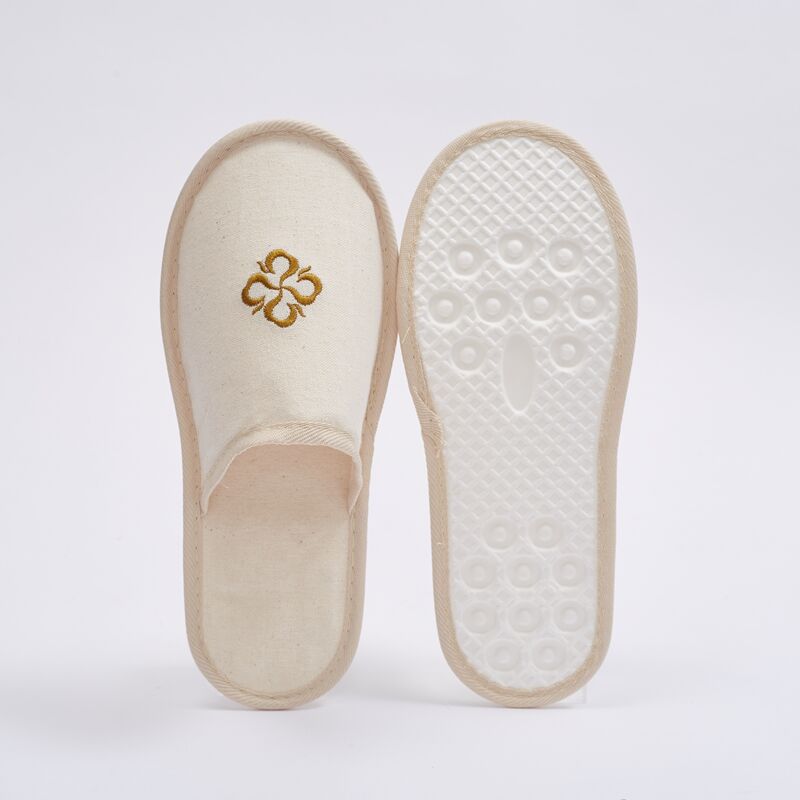
In the hospitality industry, every touchpoint a guest experiences contributes to how they perceive your brand. From the thread count of your linens to the toiletries on the bathroom shelf, these seemingly small details communicate your values loudly and clearly. One of the most underappreciated yet powerful tools in your guest experience toolkit is the humble slipper. Offering eco friendly hotel slippers is no longer just a wellness trend — it is a strategic branding decision that resonates with the growing segment of environmentally conscious travelers worldwide.
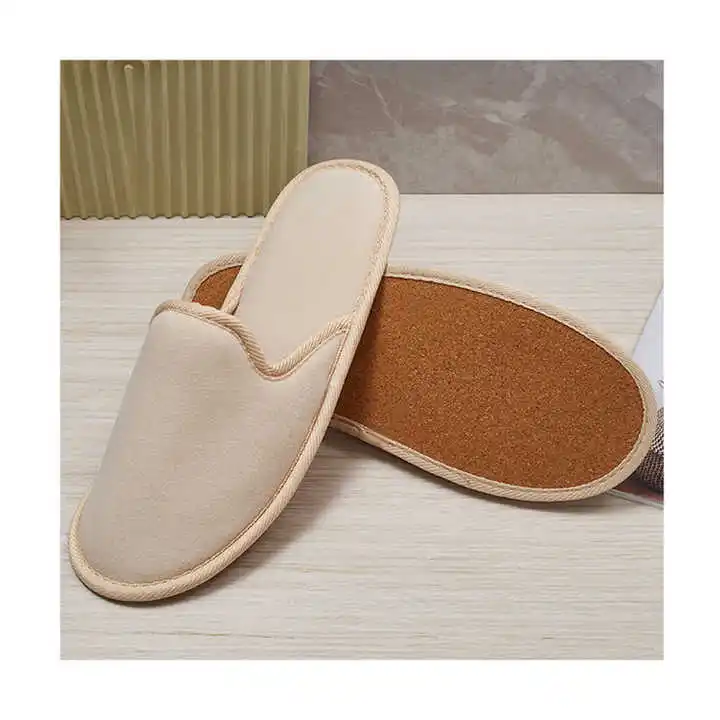
The hospitality sector is under increasing pressure from guests, investors, and industry regulators to reduce its environmental footprint. Hotels that respond proactively — rather than reactively — stand out in a competitive marketplace. Providing eco friendly hotel slippers is one of the most visible, tangible, and cost-effective ways to signal your commitment to sustainability. This article explores exactly how this single guest amenity can elevate your hotel's brand image, attract loyal customers, and reinforce your property's positioning in the minds of modern travelers.
The Growing Demand for Sustainable Guest Amenities
Shifting Guest Expectations in the Hospitality Market
Today's hotel guests are more informed and more values-driven than any previous generation of travelers. Research consistently shows that a significant portion of travelers actively seek out accommodations that demonstrate genuine environmental responsibility. This shift in consumer behavior is not a passing trend — it reflects deep changes in how people make purchasing and lifestyle decisions. When guests encounter eco friendly hotel slippers in their room, they immediately understand that this property shares their values.
Beyond environmental preference, guests also associate sustainable amenities with quality and thoughtfulness. A hotel that invests in responsibly sourced, biodegradable, or recycled-material slippers signals that it pays attention to detail. That perception of care extends far beyond the slipper itself — it colors the entire guest experience. First impressions formed in the room are powerful, and the items placed at the foot of the bed or inside the wardrobe contribute heavily to those impressions.
As eco-consciousness continues to grow across global markets, hotels that fail to adapt risk being perceived as outdated or indifferent. Conversely, properties that embed sustainability into their guest amenity program — including by offering eco friendly hotel slippers — position themselves as forward-thinking and guest-centric. This alignment between brand messaging and physical product delivery is increasingly important for attracting premium guests.
How Guest Amenities Reflect Brand Identity
Brand identity in hospitality is constructed through both grand gestures and microscopic details. A sweeping lobby design sets a visual tone, but it is the in-room experience that truly defines whether a hotel lives up to its brand promise. Guest amenities, including eco friendly hotel slippers, serve as three-dimensional brand ambassadors. They are physical objects that guests touch, use, and sometimes take home — making them enduring reminders of your brand's character.
When a hotel chooses conventional plastic-packaged or synthetic slippers, it communicates a transactional mindset — focused on cost minimization rather than guest experience. In contrast, eco friendly hotel slippers — made from natural fibers, packaged in recycled materials, or carrying a recognized sustainability certification — communicate intentionality. They suggest that the brand has made a deliberate, values-based choice. This kind of brand storytelling through product selection is deeply persuasive.
The ability to customize eco friendly hotel slippers with your brand logo, color palette, and packaging design means these amenities can actively reinforce your visual identity. A well-designed, sustainably produced slipper bearing your logo becomes a quiet but powerful piece of marketing every time a guest slips them on or shares a photo on social media. In the age of Instagram and TikTok, aesthetically pleasing, on-brand room details generate organic digital exposure that no advertising budget can fully replicate.
The Business Case for Investing in Eco-Friendly Slippers
Brand Differentiation in a Competitive Market
The hotel market is saturated across nearly every price segment. Boutique hotels, international chains, and short-term rental platforms all compete fiercely for the same guests. In this environment, differentiation is not optional — it is existential. Eco friendly hotel slippers offer a surprisingly effective lever for brand differentiation, particularly when they are integrated into a broader sustainability narrative that the hotel communicates consistently.
Guests who notice and appreciate eco friendly hotel slippers are often the same guests who write detailed, positive online reviews. These guests tend to be highly vocal advocates for properties that align with their values. A glowing review that mentions your sustainable in-room amenities, including your eco friendly hotel slippers, serves as authentic social proof that no paid promotion can match. Over time, this kind of reputation capital compounds significantly, driving organic bookings and guest loyalty.
Hotels that have adopted sustainable amenity programs often report that the investment pays back through improved guest satisfaction scores, higher repeat booking rates, and enhanced positioning in corporate travel programs that now routinely evaluate supplier sustainability credentials. In B2B hotel procurement contexts — particularly with corporate clients and travel management companies — sustainability performance has become a formal evaluation criterion. Offering eco friendly hotel slippers is one tangible piece of evidence that your property takes these obligations seriously.
Alignment with ESG and Certification Goals
Environmental, Social, and Governance (ESG) frameworks are reshaping how hospitality businesses are evaluated by investors, lenders, and corporate clients. Hotels pursuing green certification programs — such as LEED, Green Key, or EarthCheck — must demonstrate sustainability across all operational touchpoints. Guest amenities are a scrutinized category within these frameworks. Switching to eco friendly hotel slippers is a concrete, documentable step toward certification compliance and ESG reporting credibility.
Many sustainability certifications require that a certain percentage of in-room disposable products be made from renewable, recycled, or biodegradable materials. Eco friendly hotel slippers that use natural cotton, organic bamboo, recycled PET materials, or kraft paper packaging help hotels meet these requirements while simultaneously enhancing the guest-facing experience. The dual benefit — compliance and guest satisfaction — makes this an efficient allocation of sustainability resources.
For hotels that publish annual sustainability reports or participate in global tourism sustainability indices, the shift to eco friendly hotel slippers can be cited as part of a quantifiable reduction in single-use plastic consumption or synthetic material use. This kind of measurable impact data strengthens both investor confidence and brand credibility with socially responsible travelers. The slipper becomes evidence, not just decoration.
Material and Design Choices That Reinforce Brand Perception
Natural and Recycled Material Options
The material composition of eco friendly hotel slippers directly influences how guests perceive their quality and your brand's authenticity. Slippers made from organic cotton, bamboo terry, natural linen, or recycled polyester all carry different sensory and symbolic qualities. Organic cotton slippers, for example, feel soft and familiar, conveying warmth and natural hospitality. Bamboo-derived materials signal innovation and premium positioning. The material choice should align with your brand's personality and target market segment.
Packaging is equally important. Eco friendly hotel slippers that arrive in kraft paper sleeves, recycled cardboard boxes, or compostable packaging reinforce the sustainability message from the first moment of unboxing. In contrast, sustainably made slippers wrapped in virgin plastic packaging send a contradictory signal that attentive guests will notice. Every element of the product presentation is part of the brand story, and consistency between the slipper material and its packaging is critical to maintaining authenticity.
OEM customization options allow hotels to select specific materials, sole constructions, and finishing details that match their brand's quality standards. Whether you manage a luxury resort that requires plush organic cotton interiors or a mid-scale business hotel that needs durable yet biodegradable options at scale, there are eco friendly hotel slippers configurations that serve both your sustainability goals and your operational budget. The breadth of available options means that sustainability and practicality are no longer in tension.
Customization as a Brand Expression Tool
Customization transforms eco friendly hotel slippers from a generic amenity into a branded communication device. Hotels can imprint their logo, emboss their name, or integrate their brand colors into the slipper design itself. When done well, this kind of branded customization elevates the perceived value of the amenity and strengthens brand recall long after the guest has checked out. Many guests keep quality slippers from hotels they loved, turning them into extended-stay brand reminders in their homes.
Beyond logo placement, hotels can customize the vocabulary on packaging — adding brief brand messages, sustainability pledges, or QR codes that link to your property's environmental initiatives page. This transforms a simple slipper into an interactive brand touchpoint. Guests who scan the QR code and discover your hotel's full sustainability story are more likely to become advocates. This kind of integrated storytelling is what separates thoughtful branding from simple product procurement.
For hotel groups managing multiple properties under a unified brand umbrella, customized eco friendly hotel slippers ensure brand consistency across locations while still allowing individual properties to adapt materials or packaging to meet local sustainability certifications or guest profile nuances. Consistency in brand expression — even down to the slipper — builds the kind of trust and recognition that drives multi-property loyalty among frequent travelers.
Guest Experience Impact and Long-Term Brand Loyalty
The Sensory and Emotional Value of Sustainable Comfort
Eco friendly hotel slippers deliver both physical comfort and emotional satisfaction simultaneously, which is a rare quality in any guest amenity. The physical comfort is straightforward — well-made slippers from natural materials feel good underfoot and contribute to the relaxed, cared-for sensation that guests associate with excellent hospitality. The emotional satisfaction comes from knowing that the product they are using aligns with their personal values. This dual pleasure is a powerful driver of positive brand association.
When guests feel genuinely comfortable and simultaneously feel good about their choices, they tend to report higher overall satisfaction with their stay. This phenomenon — sometimes called the 'halo effect' — means that a thoughtful sustainable amenity like eco friendly hotel slippers can positively influence how guests rate entirely unrelated aspects of their stay, from the food quality to the service responsiveness. Investing in the right amenities is, in part, an investment in the guest's entire experience narrative.
Hotels that consistently deliver this combination of physical quality and ethical alignment build something that competitors find very difficult to replicate quickly: genuine guest affection. Guests who feel understood and respected by a hotel's values-based choices are more likely to book again, recommend the property to peers, and defend the brand in online forums and review platforms. This kind of loyalty is built through hundreds of small signals, and eco friendly hotel slippers are one important signal in that larger conversation.
Social Media and Word-of-Mouth Amplification
The visual and tactile appeal of well-designed eco friendly hotel slippers makes them prime candidates for organic social media sharing. Guests who appreciate sustainability-forward design are also statistically more active on social media platforms and more likely to share their travel experiences online. A beautifully photographed in-room arrangement featuring your branded eco friendly hotel slippers can reach thousands of potential guests through a single guest post without any marketing spend from your side.
Word-of-mouth recommendations remain one of the most trusted forms of marketing in the hospitality industry. When a guest tells a friend or colleague that a hotel provided thoughtfully designed, sustainable in-room amenities — mentioning the slippers specifically — it carries far more persuasive weight than a paid advertisement. This kind of peer validation influences booking decisions at the consideration stage, often tipping a potential guest toward your property over an equally priced competitor.
Hotels that actively share their own content about their sustainable amenity choices — including posts about the sourcing and materials behind their eco friendly hotel slippers — further amplify this effect. Content marketing that explains your hotel's sustainability journey in an honest, non-preachy way builds brand credibility and attracts the audience segments most likely to become repeat guests and vocal advocates. The story behind the slipper can be just as compelling as the slipper itself.
FAQ
What materials are commonly used in eco friendly hotel slippers?
Eco friendly hotel slippers are typically made from natural or recycled materials such as organic cotton, bamboo terry cloth, natural linen, jute, and recycled polyester derived from post-consumer plastic bottles. The soles may use natural rubber, cork, or EVA foam with a reduced carbon footprint. Packaging is commonly produced from recycled kraft paper, cardboard, or compostable materials to maintain consistency with the product's sustainability credentials. The specific material combination depends on the hotel's target quality tier, sustainability certification requirements, and brand positioning.
How do eco friendly hotel slippers support green certification programs?
Many hospitality green certification programs, including Green Key, EarthCheck, and various regional eco-label schemes, evaluate the sustainability of in-room consumables and amenities. By switching to eco friendly hotel slippers made from renewable or recycled materials with minimal plastic packaging, hotels can earn points or fulfill specific criteria within these certification frameworks. This contributes to overall certification scores, ESG reporting metrics, and the hotel's ability to market itself credibly as an environmentally responsible property to both leisure and corporate guests.
Can eco friendly hotel slippers be customized with a hotel's branding?
Yes, most manufacturers offering eco friendly hotel slippers provide OEM customization services that allow hotels to add their logo, brand colors, and custom messaging to both the slipper design and packaging. Customization options typically include embroidery, printing, embossing, and packaging graphic design. For hotel groups, customized eco friendly hotel slippers ensure visual brand consistency across all properties while communicating a unified sustainability commitment. This makes them a dual-purpose asset — a functional guest amenity and a branded marketing touchpoint.
Are eco friendly hotel slippers more expensive than conventional options?
The cost of eco friendly hotel slippers has decreased significantly as demand has grown and sustainable material supply chains have matured. While they may carry a modest premium over the cheapest synthetic alternatives, many hotels find that the return on investment — measured through improved guest satisfaction scores, enhanced online reviews, sustainability certification compliance, and corporate client appeal — more than justifies the additional cost. When purchased at scale through OEM channels, eco friendly hotel slippers can be sourced at highly competitive price points that make them accessible across multiple hotel segments, from boutique properties to large resort chains.