
 EN
EN
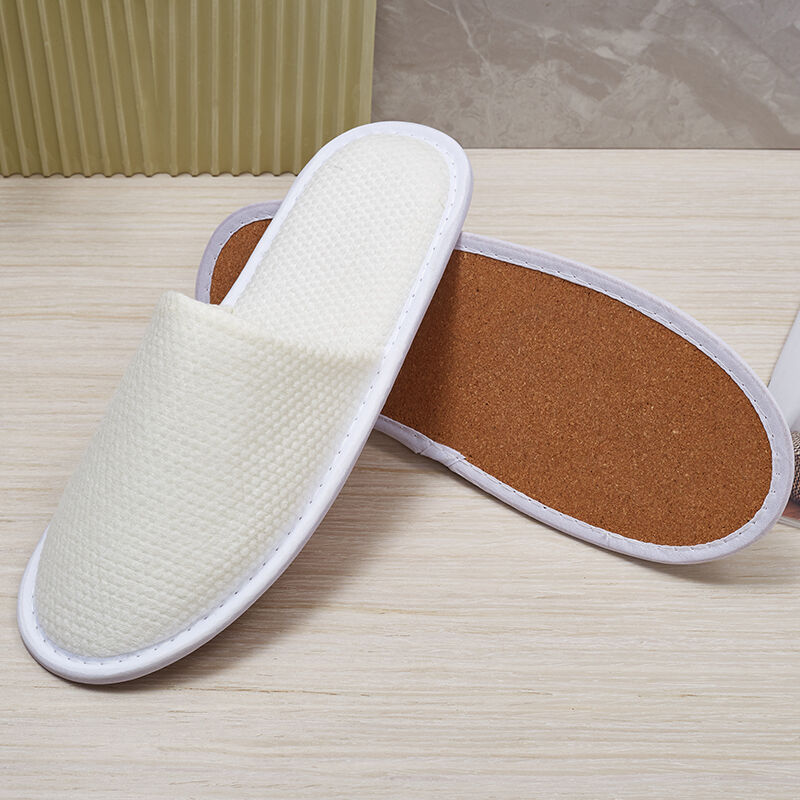
Hotels across the globe face mounting pressure to balance operational efficiency with environmental responsibility, and one often-overlooked opportunity lies in the choice of guest amenities. The shift toward eco friendly hotel slippers represents a strategic decision that can simultaneously reduce costs and enhance brand reputation. By selecting sustainable slipper options made from biodegradable materials, natural fibers, or recycled components, hotels can lower their waste disposal expenses, minimize environmental fees, and appeal to the growing segment of environmentally conscious travelers who prioritize green practices when choosing accommodations.
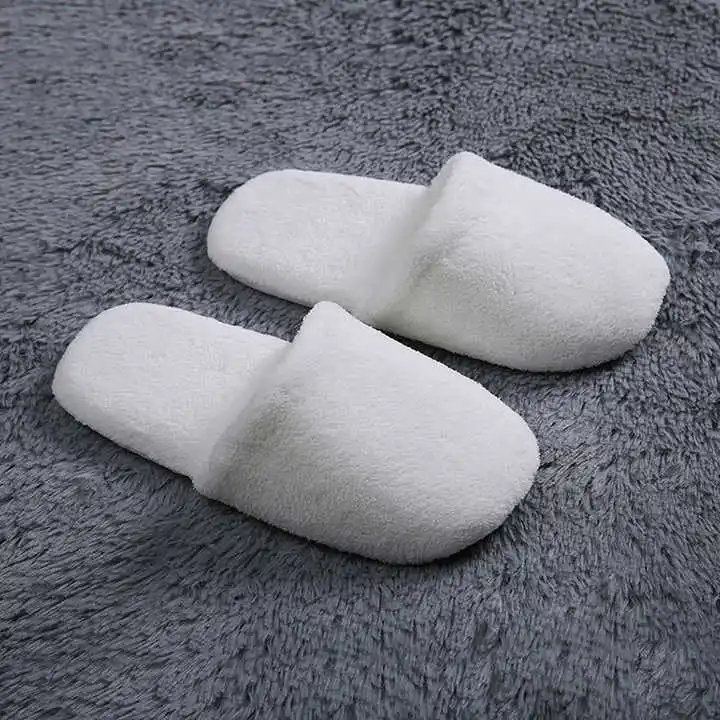
The financial advantages extend beyond immediate procurement savings, as eco friendly hotel slippers typically contribute to reduced laundry costs, extended replacement cycles, and lower carbon offset requirements in markets with environmental taxation. Hotels that implement sustainable slipper programs often discover that these products align with broader corporate social responsibility initiatives while delivering measurable return on investment through reduced supply chain complexity, improved guest satisfaction scores, and enhanced eligibility for green certifications that attract premium clientele. Understanding the full cost reduction potential requires examining how material selection, supplier relationships, waste management integration, and guest perception collectively influence the bottom line.
Understanding the Direct Cost Benefits of Sustainable Slipper Selection
Material Cost Efficiency and Procurement Advantages
The transition to eco friendly hotel slippers begins with understanding how sustainable materials influence procurement costs and long-term supply chain expenses. Natural fiber options such as organic cotton, bamboo, jute, or hemp often carry comparable or lower unit costs than synthetic alternatives when purchased through established supply networks. Hotels that commit to volume purchasing agreements with manufacturers specializing in sustainable hospitality products typically secure pricing tiers that eliminate the premium historically associated with green products. The growing market demand for environmentally responsible materials has driven economies of scale that make biodegradable and recycled-content slippers increasingly cost-competitive with conventional disposable options.
Beyond initial purchase price, sustainable slipper materials frequently demonstrate superior durability characteristics that extend usable lifespan and reduce replacement frequency. Bamboo-based eco friendly hotel slippers, for instance, maintain structural integrity through multiple wearing cycles while resisting moisture degradation better than traditional paper or synthetic foam alternatives. This durability translates directly to lower annual procurement volumes, reduced inventory management costs, and decreased frequency of supply chain disruptions. Hotels implementing quality sustainable slipper programs report inventory turnover reductions of fifteen to twenty-five percent compared to conventional disposable models, creating substantial savings in storage space requirements and working capital allocation.
Waste Management Cost Reduction Through Biodegradable Products
Waste disposal represents a significant operational expense category for hospitality establishments, particularly in urban markets where landfill fees, recycling program costs, and municipal waste surcharges continue escalating. Eco friendly hotel slippers manufactured from biodegradable materials such as plant-based fibers or compostable polymers dramatically reduce the volume of non-recyclable waste requiring commercial disposal services. Hotels can redirect these products into composting programs or organic waste streams that carry substantially lower disposal fees than general refuse, with some municipalities offering reduced rates or even rebates for establishments demonstrating high organic waste diversion percentages.
The financial impact becomes particularly significant for properties operating in jurisdictions with environmental regulations that impose penalties or surcharges based on non-biodegradable waste generation. By transitioning guest room amenities including slippers to fully compostable alternatives, hotels reduce their total waste footprint and avoid regulatory fees that can amount to thousands of dollars annually for mid-sized properties. Additionally, sustainable slipper programs simplify waste sorting protocols for housekeeping staff, reducing labor time allocated to waste segregation and minimizing contamination incidents that result in entire waste batches being reclassified to more expensive disposal categories. These operational efficiencies compound over time, creating recurring cost savings that justify the initial investment in eco friendly hotel slippers procurement strategy development.
Energy and Water Consumption Savings in Laundry Operations
Hotels offering reusable eco friendly hotel slippers instead of disposable alternatives must consider laundry operational costs, yet modern sustainable materials demonstrate surprising efficiency advantages in commercial cleaning environments. Natural fiber slippers constructed from organic cotton or bamboo require less aggressive washing cycles, lower water temperatures, and reduced detergent volumes compared to synthetic materials that accumulate residues or require special treatment protocols. These characteristics translate to measurable reductions in energy consumption for water heating, decreased water usage per cleaning cycle, and lower chemical procurement costs for housekeeping departments.
Advanced sustainable slipper designs incorporate quick-drying properties that reduce tumble drying time or eliminate mechanical drying requirements entirely, creating additional energy savings. Some hotels implementing bamboo-based eco friendly hotel slippers report twenty to thirty percent reductions in drying cycle duration compared to conventional terry cloth options, directly lowering electricity consumption and extending commercial dryer equipment lifespan through reduced operational hours. When calculated across thousands of slipper cleaning cycles annually, these efficiency gains produce substantial utility cost reductions that enhance overall profitability while supporting environmental sustainability objectives. Properties can further optimize these savings by scheduling slipper laundry during off-peak utility rate periods, leveraging the flexibility that durable sustainable materials provide.
Leveraging Guest Perception and Marketing Value for Revenue Protection
Enhanced Brand Positioning Through Environmental Responsibility
The decision to implement eco friendly hotel slippers extends beyond operational cost reduction to encompass significant brand value enhancement that protects revenue streams and justifies premium pricing strategies. Contemporary travelers increasingly prioritize environmental stewardship when selecting accommodations, with recent hospitality industry research indicating that over sixty percent of guests consider sustainability practices important or very important in their booking decisions. Hotels prominently featuring eco friendly hotel slippers and other sustainable amenities differentiate themselves in crowded markets, creating competitive advantages that reduce customer acquisition costs and improve direct booking conversion rates.
This brand positioning advantage translates directly to financial benefits through reduced dependency on commission-bearing distribution channels and improved rate integrity. Properties recognized for genuine environmental commitment typically achieve higher guest satisfaction scores, generating positive online reviews that drive organic traffic and reduce paid marketing expenditures. The presence of biodegradable slippers and other tangible sustainability elements provides guests with visible proof points that validate marketing claims, building trust that encourages repeat visitation and word-of-mouth promotion. Hotels can leverage their sustainable amenity programs, including eco friendly hotel slippers, in targeted marketing campaigns that appeal to environmentally conscious corporate travel programs and group bookings, accessing premium market segments willing to pay higher rates for demonstrable green practices.
Certification and Partnership Opportunities Reducing Marketing Costs
Implementing comprehensive sustainable amenity programs featuring eco friendly hotel slippers strengthens eligibility for environmental certifications such as Green Key, LEED for Hospitality, or regional eco-label programs that provide marketing benefits at substantially lower cost than paid advertising channels. These certifications offer access to specialized booking platforms, travel agent networks, and corporate travel policies that specifically seek certified green accommodations. The marketing exposure gained through certification directories and partner networks represents significant value, particularly for independent properties lacking major brand marketing support.
Environmental certification also opens partnership opportunities with sustainable tourism organizations, eco-conscious travel agencies, and corporate responsibility programs that generate qualified referral traffic without commission expenses. Hotels featuring verifiable sustainable practices including biodegradable guest amenities can participate in green travel consortia that collectively market to environmentally motivated travelers, sharing marketing costs across multiple properties while reaching highly targeted audiences. The incremental revenue generated through these partnerships, combined with reduced customer acquisition costs, creates measurable financial returns that justify the investment in eco friendly hotel slippers and supporting sustainable infrastructure.
Guest Retention and Lifetime Value Optimization
The relationship between sustainable amenities and guest loyalty produces long-term financial benefits that substantially impact hotel profitability through reduced marketing expenditure and improved revenue predictability. Travelers who experience authentic environmental commitment during their stays, reinforced by tangible elements such as eco friendly hotel slippers, demonstrate significantly higher return visit rates compared to guests at properties lacking visible sustainability programs. This loyalty effect reduces the need for aggressive discounting and promotional spending to maintain occupancy levels, protecting average daily rate integrity and improving revenue per available room metrics.
Customer lifetime value increases substantially when properties successfully convert environmentally conscious guests into repeat visitors, as this demographic typically exhibits lower price sensitivity and higher ancillary spending on property amenities and services. Hotels can nurture these relationships through targeted communications highlighting ongoing sustainability improvements, including updates to eco friendly hotel slippers and other green initiatives, maintaining engagement between visits without expensive remarketing campaigns. The cumulative effect of improved retention rates, reduced acquisition costs, and enhanced spending patterns creates a compelling financial case for sustainable amenity investments that extends well beyond simple procurement cost comparisons.
Optimizing Supply Chain and Inventory Management for Cost Control
Supplier Relationship Development and Volume Purchasing Strategy
Achieving optimal cost performance with eco friendly hotel slippers requires strategic supplier relationship management that balances quality requirements, pricing objectives, and sustainability verification standards. Hotels benefit from establishing long-term partnerships with specialized manufacturers who maintain transparent supply chains and can provide detailed documentation of environmental claims, material sourcing practices, and production methods. These relationships typically unlock preferential pricing structures, priority allocation during supply constraints, and customization opportunities that enhance brand differentiation without premium costs.
Volume purchasing strategies become particularly effective when properties collaborate with other hotels within management groups, franchise systems, or informal purchasing cooperatives to aggregate demand for eco friendly hotel slippers and negotiate enterprise-level pricing. This approach allows individual properties to access bulk pricing tiers previously available only to large chain operations, reducing per-unit costs by twenty to forty percent compared to independent purchasing. Collaborative procurement also distributes the administrative burden of supplier evaluation, quality assurance testing, and sustainability verification across multiple properties, reducing individual operational costs while improving purchasing confidence through shared experience and collective bargaining power.
Inventory Optimization Through Predictable Consumption Patterns
The durability characteristics of quality eco friendly hotel slippers enable more predictable consumption patterns that simplify inventory management and reduce carrying costs compared to disposable alternatives with higher variability in guest usage and waste rates. Properties can implement more accurate forecasting models based on occupied room nights rather than estimating disposal rates influenced by unpredictable guest behavior with lower-quality disposable products. This predictability reduces safety stock requirements, minimizes emergency procurement incidents that carry premium pricing, and optimizes storage space allocation for more efficient housekeeping operations.
Advanced inventory management practices leverage the extended lifespan of sustainable slippers to implement rotation systems that ensure even wear distribution and maximize replacement cycle duration. Hotels can track individual slipper sets through simple marking or tagging systems that identify optimal retirement timing based on actual condition rather than arbitrary replacement schedules, further reducing unnecessary procurement. These practices, combined with the inherent durability of materials used in quality eco friendly hotel slippers, typically extend average service life by forty to sixty percent compared to conventional disposable options, creating substantial cumulative savings across multi-year planning horizons while maintaining consistent guest experience quality.
Reduced Supply Chain Disruption Risk Through Sustainable Materials
Global supply chain volatility has emerged as a significant cost risk factor for hospitality operations, with petroleum-based materials and synthetic products particularly vulnerable to price fluctuations and availability constraints. Eco friendly hotel slippers manufactured from renewable plant-based materials such as bamboo, hemp, or organic cotton demonstrate greater supply stability because these agricultural commodities benefit from diversified global growing regions and shorter supply chains compared to petroleum derivatives requiring complex refining and chemical processing. This stability reduces the risk of sudden price spikes or allocation shortages that force hotels into emergency procurement at premium costs or compromise guest amenity standards.
The renewable nature of sustainable slipper materials also insulates hotels from long-term commodity price escalation associated with finite petroleum resources and increasing environmental regulations affecting synthetic material production. As carbon taxation, pollution controls, and waste management regulations tighten globally, the relative cost advantage of eco friendly hotel slippers is expected to increase, making current investments in sustainable supply chains increasingly valuable over time. Properties establishing strong supplier relationships and procurement processes for environmentally responsible amenities position themselves to weather future regulatory changes and market disruptions more effectively than competitors reliant on conventional synthetic products, protecting cost structures and operational continuity.
Implementing Comprehensive Cost Reduction Programs with Sustainable Amenities
Integration with Broader Environmental Management Systems
Maximizing cost reduction potential from eco friendly hotel slippers requires integration within comprehensive environmental management systems that address multiple operational areas simultaneously for synergistic benefits. Properties implementing sustainable slipper programs alongside complementary initiatives such as water conservation, energy efficiency upgrades, and waste reduction protocols achieve greater cumulative cost savings than isolated interventions. The organizational culture shifts and staff training investments required for successful sustainable amenity programs create capabilities that support broader environmental improvements, distributing implementation costs across multiple benefit streams.
Integrated environmental management approaches also strengthen the business case for sustainable investments by demonstrating holistic commitment that enhances certification eligibility, improves guest perception authenticity, and qualifies properties for preferential treatment in corporate travel programs with comprehensive sustainability requirements. Hotels can track and report combined environmental metrics including waste diversion rates, carbon footprint reductions, and sustainable procurement percentages that incorporate eco friendly hotel slippers alongside other initiatives, creating compelling narratives for marketing communications and stakeholder reporting that justify program investments through multiple value dimensions beyond direct cost savings.
Staff Training and Operational Protocol Development
Realizing the full cost reduction potential of eco friendly hotel slippers depends on effective staff training programs that ensure proper handling, cleaning, storage, and guest communication practices. Housekeeping teams require clear protocols for inspecting sustainable slippers to identify optimal retirement timing, maximizing service life without compromising guest experience standards. Proper training on appropriate cleaning methods preserves material integrity and maintains the appearance characteristics that justify premium positioning, avoiding premature replacement costs resulting from improper care techniques.
Front desk and guest services staff benefit from training that enables them to articulate the environmental and experiential benefits of eco friendly hotel slippers to guests, transforming potential concerns about reusable amenities into positive brand impressions that enhance satisfaction scores. Well-trained staff can position sustainable amenities as premium features reflecting property quality rather than cost-cutting measures, protecting revenue potential while achieving operational savings. Investment in comprehensive training programs typically recovers costs within six to twelve months through reduced waste, extended product life, improved guest satisfaction, and decreased customer service incidents related to amenity concerns.
Performance Measurement and Continuous Improvement
Establishing robust performance measurement systems enables hotels to quantify cost savings from eco friendly hotel slippers and identify optimization opportunities that further enhance financial returns. Properties should track key metrics including per-room amenity costs, waste disposal expenses, laundry operational costs, guest satisfaction scores related to room amenities, and environmental certification status to comprehensively assess program performance. Comparative analysis against baseline periods and industry benchmarks provides objective evidence of cost reduction achievements that justify ongoing investments and inform strategic decisions about program expansion or refinement.
Continuous improvement methodologies apply equally to sustainable amenity programs as to other operational areas, with regular supplier performance reviews, guest feedback analysis, and staff input sessions identifying incremental enhancement opportunities. Hotels can experiment with different eco friendly hotel slippers materials, designs, or suppliers through controlled testing in specific room categories or property locations, measuring performance differences before broader implementation. This disciplined approach minimizes risks associated with program changes while ensuring that cost reduction initiatives maintain or improve guest experience quality, protecting revenue generation alongside expense management objectives.
FAQ
What are the typical cost savings hotels can expect from switching to eco friendly hotel slippers?
Hotels typically achieve cost savings ranging from fifteen to thirty-five percent on total slipper-related expenses when transitioning to quality eco friendly hotel slippers, though actual savings vary based on property size, current procurement practices, and implementation approach. These savings result from combined reductions in procurement costs through volume purchasing and extended product life, decreased waste disposal expenses due to biodegradable materials, lower laundry operational costs from efficient cleaning characteristics, and reduced inventory carrying costs from more predictable consumption patterns. Additional indirect savings emerge through improved guest satisfaction reducing customer acquisition costs, enhanced environmental certification eligibility providing marketing benefits, and reduced regulatory compliance expenses in jurisdictions with environmental fees or penalties.
Do eco friendly hotel slippers require special cleaning procedures that increase operational costs?
Quality eco friendly hotel slippers manufactured from natural materials such as bamboo or organic cotton generally require simpler cleaning procedures than synthetic alternatives, often reducing rather than increasing laundry operational costs. These materials typically tolerate standard commercial washing protocols while requiring lower water temperatures, shorter cycle times, and reduced chemical concentrations compared to synthetic fabrics that accumulate residues or require specialized treatments. The quick-drying properties common in sustainable materials further reduce energy consumption by shortening or eliminating mechanical drying requirements. Hotels should verify cleaning requirements with suppliers during procurement to ensure compatibility with existing laundry equipment and protocols, but most sustainable slipper options integrate seamlessly into standard housekeeping operations without specialized equipment or additional labor.
How can hotels verify that eco friendly hotel slippers genuinely deliver environmental benefits and cost savings?
Hotels should implement comprehensive supplier evaluation processes that include requesting third-party certifications such as GOTS for organic textiles, FSC certification for bamboo materials, or biodegradability testing documentation from recognized laboratories. Reputable suppliers provide transparent information about material sourcing, manufacturing processes, and end-of-life disposal characteristics that enable informed purchasing decisions. Properties can also conduct pilot testing programs comparing eco friendly hotel slippers against current amenities across measurable metrics including procurement costs, replacement frequency, waste generation, laundry expenses, and guest satisfaction scores. This evidence-based approach provides objective performance data that validates cost saving claims and environmental benefits before full-scale implementation, reducing investment risk while building organizational confidence in sustainable amenity programs.
Can small independent hotels achieve meaningful cost reductions with eco friendly hotel slippers or is this only viable for large chains?
Independent hotels and small properties can achieve substantial cost reductions through eco friendly hotel slippers by leveraging collaborative purchasing arrangements, selecting suppliers who accommodate smaller order volumes, and focusing on high-impact areas where sustainable alternatives deliver the greatest financial benefits. Many specialized hospitality suppliers offer flexible minimum order quantities specifically designed for independent properties, while purchasing cooperatives and hospitality associations provide access to volume pricing previously available only to large chains. Small hotels often realize proportionally greater benefits from waste reduction and environmental marketing positioning because these factors represent larger percentages of their operational costs and guest acquisition strategies compared to major brands with established marketing infrastructure. The key success factor involves selecting sustainable amenity programs scaled appropriately to property size while maintaining rigorous cost tracking that demonstrates return on investment.
Table of Contents
- Understanding the Direct Cost Benefits of Sustainable Slipper Selection
- Leveraging Guest Perception and Marketing Value for Revenue Protection
- Optimizing Supply Chain and Inventory Management for Cost Control
- Implementing Comprehensive Cost Reduction Programs with Sustainable Amenities
-
FAQ
- What are the typical cost savings hotels can expect from switching to eco friendly hotel slippers?
- Do eco friendly hotel slippers require special cleaning procedures that increase operational costs?
- How can hotels verify that eco friendly hotel slippers genuinely deliver environmental benefits and cost savings?
- Can small independent hotels achieve meaningful cost reductions with eco friendly hotel slippers or is this only viable for large chains?