All Categories

Get a Free Quote

Our representative will contact you soon.
Email
WhatsApp
Name
Company Name
Message
0/1000
recycled material slippers factory-0

Home > 

recycled material slippers factory

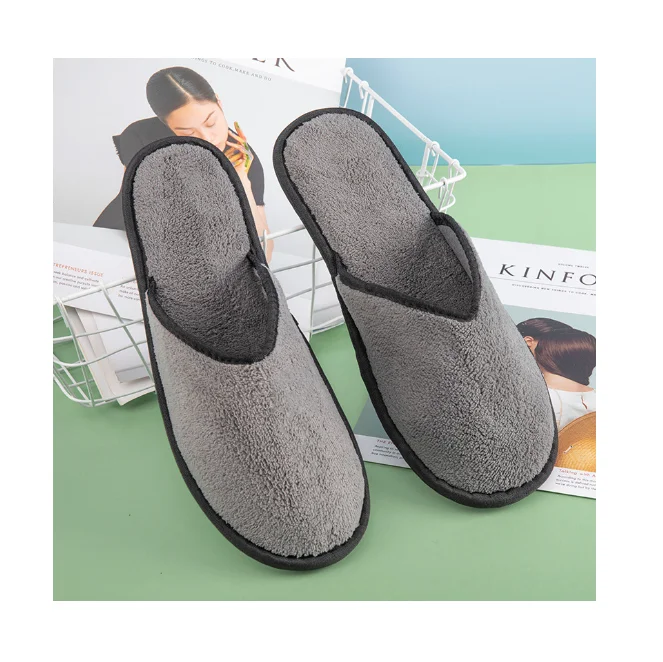
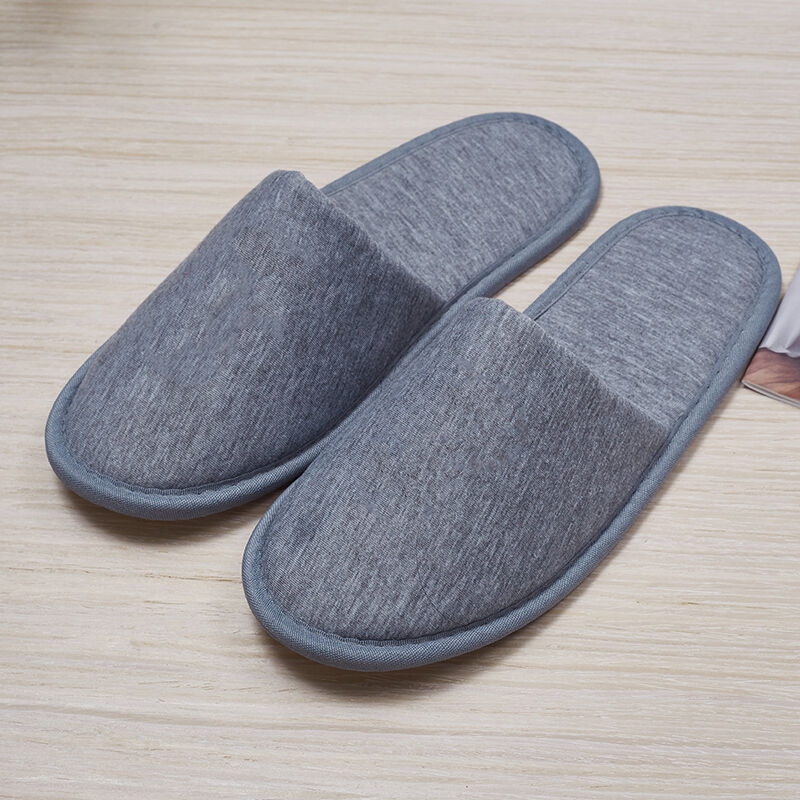
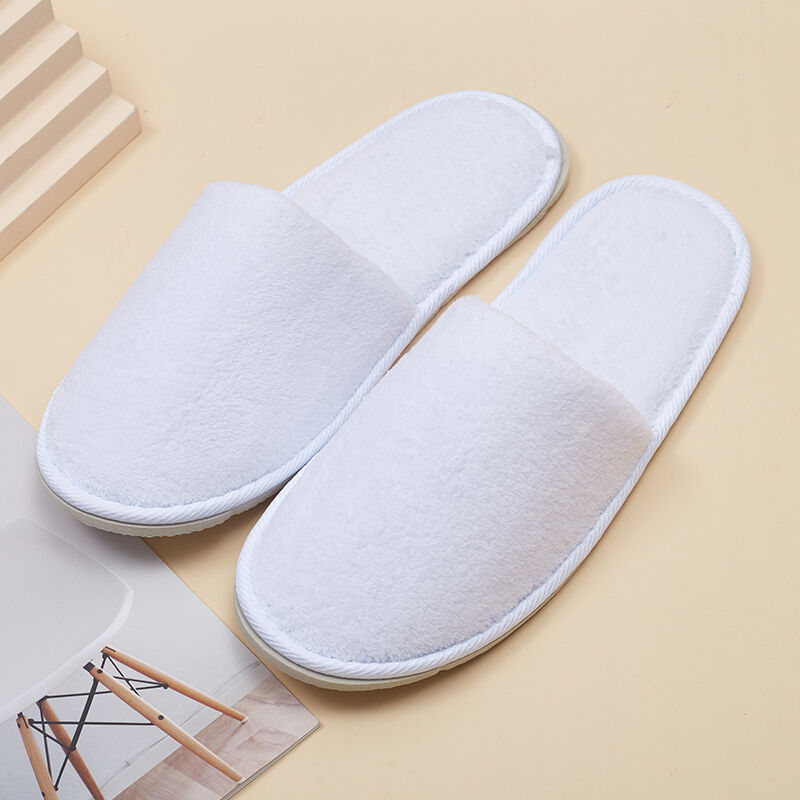
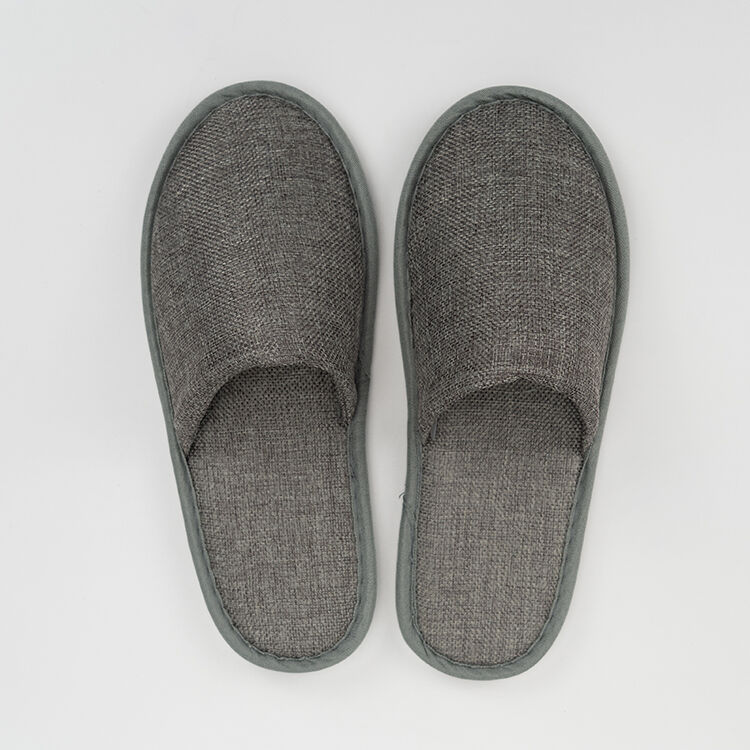
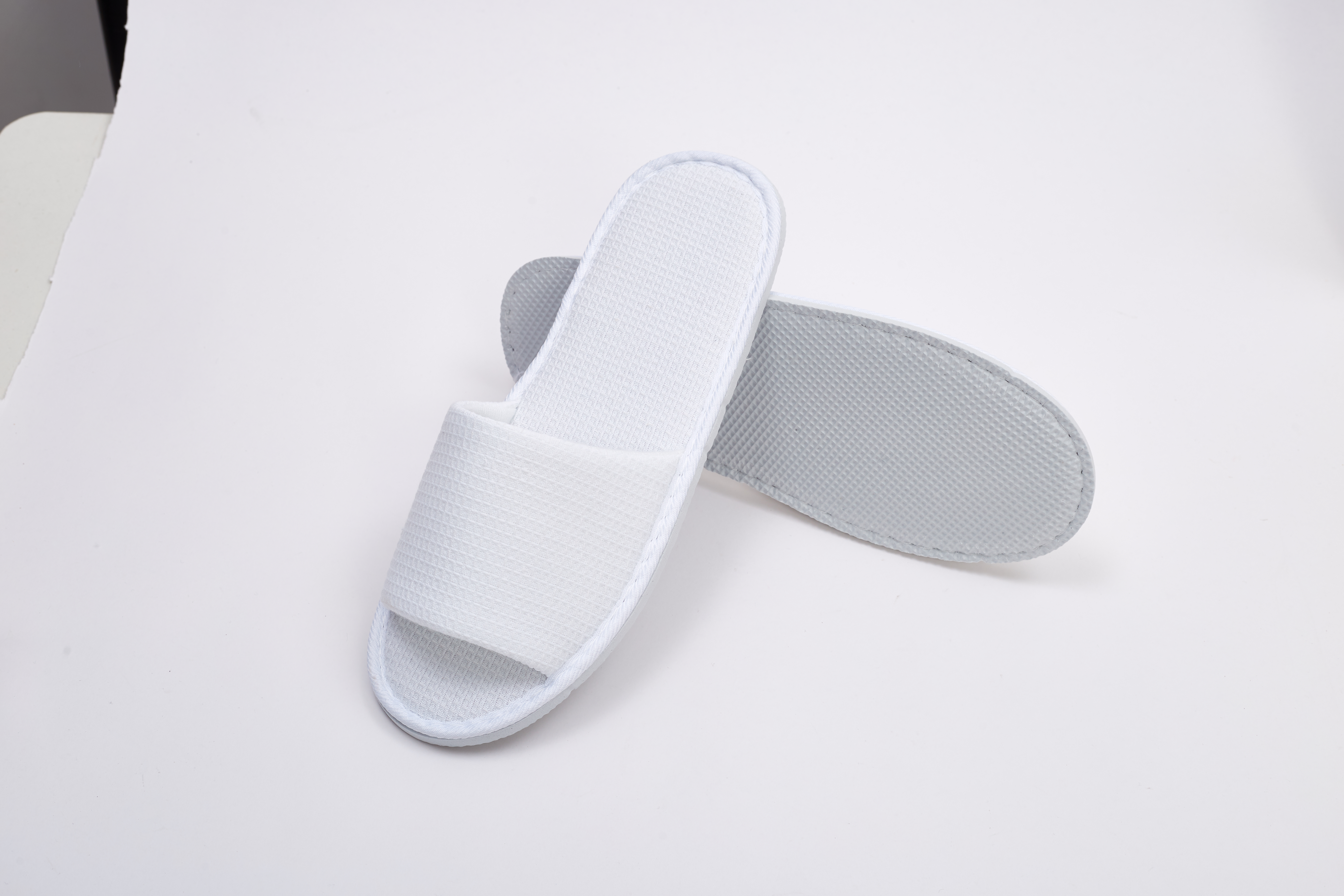
A recycled material slippers factory represents a revolutionary approach to sustainable footwear manufacturing, transforming waste materials into comfortable and durable slippers. This innovative manufacturing facility specializes in converting discarded plastics, rubber compounds, and textile fibers into high-quality footwear products. The recycled material slippers factory employs advanced sorting systems that categorize different types of waste materials based on their chemical composition and physical properties. These sophisticated machines ensure that only suitable materials enter the production pipeline, maintaining consistent quality standards throughout the manufacturing process. The factory utilizes cutting-edge melting and reforming technologies that break down recycled materials at optimal temperatures, preserving their structural integrity while eliminating contaminants. Modern injection molding equipment shapes these processed materials into various slipper designs, accommodating different sizes and style preferences. Quality control systems monitor every stage of production, from raw material inspection to final product testing, ensuring each pair meets durability and comfort standards. The recycled material slippers factory incorporates automated assembly lines that efficiently combine upper materials with sole components, reducing production time while maintaining precision. Environmental monitoring systems track energy consumption and waste output, optimizing resource utilization throughout the manufacturing cycle. Digital inventory management coordinates material flow from collection points to finished goods warehouses, streamlining operations and reducing storage costs. The facility applies specialized coating processes that enhance water resistance and extend product lifespan, making these eco-friendly slippers suitable for various environments. Research and development departments continuously explore new recycling techniques and material combinations, expanding the range of waste sources that can be transformed into valuable footwear products.

New Product Recommendations

The recycled material slippers factory delivers significant cost savings to manufacturers and retailers through reduced raw material expenses. Traditional slipper production relies on virgin plastics and rubber that command premium prices, while recycled materials are often available at fraction of the cost. This pricing advantage allows the recycled material slippers factory to offer competitive wholesale rates without compromising profit margins. Environmental benefits position these facilities as leaders in sustainable manufacturing practices, attracting environmentally conscious consumers who prioritize eco-friendly products. The recycled material slippers factory helps businesses meet corporate sustainability goals and comply with environmental regulations that increasingly favor circular economy approaches. Production flexibility represents another major advantage, as the recycled material slippers factory can adapt to various waste stream compositions and seasonal material availability. Advanced processing capabilities enable these facilities to handle mixed waste inputs, reducing dependence on single material sources and ensuring consistent production schedules. Quality consistency emerges from standardized processing protocols that transform diverse waste materials into uniform production inputs, eliminating variability issues common in traditional manufacturing. The recycled material slippers factory typically maintains shorter supply chains since waste materials are sourced locally, reducing transportation costs and delivery times. Energy efficiency improvements result from optimized processing temperatures and equipment designed specifically for recycled material handling, lowering operational expenses. Innovation opportunities abound as the recycled material slippers factory continuously develops new techniques for incorporating different waste types, expanding product possibilities and market reach. Brand differentiation becomes achievable through association with sustainable practices, helping companies stand out in crowded footwear markets. Customer loyalty increases when consumers recognize genuine environmental contributions, creating repeat business opportunities for the recycled material slippers factory. Risk mitigation occurs through diversified material sourcing strategies that protect against supply disruptions affecting virgin material markets. Scalability advantages allow the recycled material slippers factory to expand operations efficiently by increasing waste collection networks rather than developing new resource extraction capabilities. Government incentives and tax benefits often support recycled material slippers factory operations, providing additional financial advantages through various environmental programs and sustainability initiatives.

Latest News

Why Are Eco-Friendly Hotel Slippers a Must for Sustainable Hotels?

23

Dec

Why Are Eco-Friendly Hotel Slippers a Must for Sustainable Hotels?

The hospitality industry has undergone a significant transformation in recent years, with sustainability becoming a cornerstone of modern hotel operations. Hotels worldwide are recognizing that environmental responsibility is not just a trend but a f...
View More
How Do Disposable Hotel Slippers Improve Guest Comfort?

10

Jan

How Do Disposable Hotel Slippers Improve Guest Comfort?

Hotel slippers represent far more than simple guest amenities in today's competitive hospitality industry. These essential comfort items serve as a direct reflection of your establishment's attention to detail and commitment to guest satisfaction. Qu...
View More
How Do Disposable Slippers for Hotels Improve Guest Hygiene?

16

Jan

How Do Disposable Slippers for Hotels Improve Guest Hygiene?

Industrial workplaces demand comprehensive protection, and proper safety shoes serve as the foundation of personal protective equipment for millions of workers worldwide. These specialized footwear solutions provide essential protection against numer...
View More
How Do Hotel Slippers Improve Guest Comfort and Satisfaction?

22

Jan

How Do Hotel Slippers Improve Guest Comfort and Satisfaction?

The hospitality industry thrives on delivering exceptional guest experiences, and hotel slippers have emerged as a crucial amenity that significantly impacts visitor satisfaction. These simple yet essential items provide guests with immediate comfort...
View More

Get a Free Quote

Our representative will contact you soon.
Email
WhatsApp
Name
Company Name
Message
0/1000

recycled material slippers factory

Advanced Material Processing Technology

Advanced Material Processing Technology

The recycled material slippers factory employs state-of-the-art material processing technology that transforms waste into premium footwear components through sophisticated chemical and mechanical treatments. This advanced system begins with automated sorting mechanisms that use optical sensors and density separation techniques to identify and categorize different plastic and rubber waste types with remarkable precision. The recycled material slippers factory utilizes specialized washing and cleaning stations that remove contaminants, labels, and adhesive residues from collected materials, ensuring purity levels that meet strict manufacturing standards. High-temperature processing chambers apply controlled heat treatment that breaks down molecular structures while preserving essential material properties needed for durable slipper production. Extrusion technology reshapes these processed materials into consistent pellets or sheets, creating standardized inputs that guarantee uniform product quality across all manufacturing runs. The recycled material slippers factory integrates advanced mixing systems that blend different recycled materials to achieve optimal strength, flexibility, and comfort characteristics. Computer-controlled injection molding machines form these blended materials into precise slipper components, maintaining dimensional accuracy and surface finish quality that rivals traditional manufacturing methods. Quality assurance systems continuously monitor temperature, pressure, and timing parameters throughout the processing cycle, ensuring every batch meets predetermined specifications. The recycled material slippers factory incorporates real-time material tracking systems that document the journey from waste collection to finished product, providing complete traceability for quality control and customer confidence. Specialized additives enhance material properties during processing, improving UV resistance, flexibility, and durability without compromising the environmental benefits of recycled content. This comprehensive technological approach enables the recycled material slippers factory to consistently produce high-quality footwear while maintaining competitive production speeds and cost-effectiveness that traditional manufacturers struggle to match.
Environmental Impact Reduction

Environmental Impact Reduction

The recycled material slippers factory delivers measurable environmental benefits by diverting thousands of tons of waste from landfills and incineration facilities annually, directly contributing to waste reduction goals in communities worldwide. This sustainable manufacturing approach significantly reduces the carbon footprint associated with traditional slipper production by eliminating the need for virgin plastic and rubber extraction processes. The recycled material slippers factory consumes substantially less energy compared to conventional manufacturing since recycled materials require lower processing temperatures and reduced chemical treatments. Water usage decreases dramatically through closed-loop systems that recycle process water and eliminate the need for extensive chemical washing required in virgin material production. Air quality improvements result from reduced emissions associated with waste incineration and landfill methane generation that would otherwise occur without the recycled material slippers factory intervention. Habitat preservation occurs indirectly as reduced demand for virgin materials decreases pressure on natural resource extraction that often damages ecosystems. The recycled material slippers factory creates positive environmental multiplier effects by encouraging waste collection and sorting activities in surrounding communities, building local environmental awareness and participation. Soil contamination prevention happens when plastics and rubber waste are diverted from landfills where they might leach harmful chemicals into groundwater systems. Ocean plastic reduction becomes possible when the recycled material slippers factory partners with marine cleanup initiatives to process collected plastic debris into valuable footwear products. Lifecycle assessment studies consistently demonstrate that the recycled material slippers factory produces significantly lower environmental impacts across all major categories including climate change, resource depletion, and toxicity measures. Biodiversity protection results from reduced mining and drilling activities needed to produce virgin materials, preserving natural habitats and wildlife corridors. The recycled material slippers factory exemplifies circular economy principles by keeping materials in productive use rather than allowing them to become environmental pollutants, creating sustainable value chains that benefit both business and environmental objectives.
Economic and Social Benefits

Economic and Social Benefits

The recycled material slippers factory generates substantial economic opportunities by creating employment in waste collection, processing, and manufacturing sectors while developing new revenue streams from previously worthless waste materials. Local job creation occurs at multiple levels, from waste collectors and sorters to skilled technicians and quality control specialists, providing diverse employment opportunities that support community economic development. The recycled material slippers factory stimulates local economies through procurement of services, supplies, and equipment from nearby businesses, creating positive economic multiplier effects throughout the region. Educational partnerships with schools and universities provide training opportunities in sustainable manufacturing practices, preparing the workforce for green economy careers while advancing environmental literacy. Community engagement programs sponsored by the recycled material slippers factory promote environmental awareness and waste reduction behaviors, creating lasting social benefits beyond direct manufacturing activities. Social enterprise opportunities emerge when the recycled material slippers factory partners with community organizations to develop waste collection networks that provide income opportunities for disadvantaged populations. Innovation ecosystems develop around the recycled material slippers factory as entrepreneurs and researchers explore new applications for recycled materials and waste processing technologies. Public health improvements result from reduced environmental contamination and cleaner community environments created through effective waste diversion programs. The recycled material slippers factory contributes to energy independence by reducing reliance on petroleum-based virgin materials, supporting national and regional energy security objectives. Export opportunities expand as global demand for sustainable products increases, positioning the recycled material slippers factory to capture international markets and generate foreign exchange earnings. Technology transfer capabilities allow the recycled material slippers factory to share knowledge and equipment with other regions, spreading sustainable manufacturing practices while creating additional revenue streams. Corporate social responsibility achievements help partner companies meet sustainability commitments and stakeholder expectations, enhancing their brand reputation and market positioning. Long-term economic resilience builds through diversified waste-to-product value chains that reduce dependence on volatile commodity markets while creating stable local economic foundations.

Get a Free Quote

Our representative will contact you soon.
Email
WhatsApp
Name
Company Name
Message
0/1000