
 EN
EN

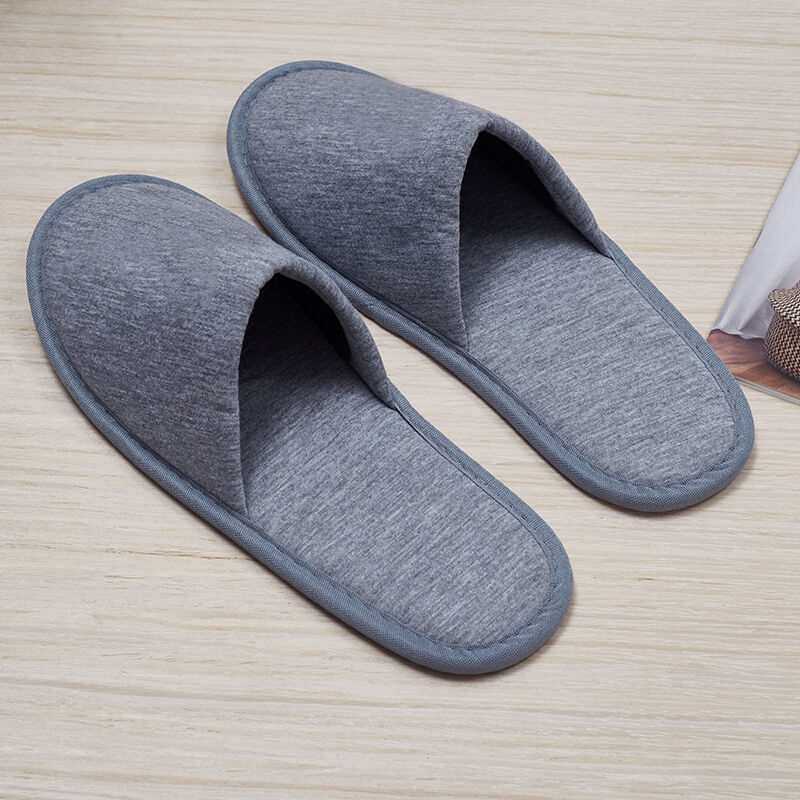
Hotel slippers represent far more than simple guest amenities in today's competitive hospitality industry. These essential comfort items serve as a direct reflection of your establishment's attention to detail and commitment to guest satisfaction. Quality hotel slippers can transform an ordinary stay into an exceptional experience, contributing significantly to positive reviews and repeat bookings. The right choice in guest footwear demonstrates professionalism while ensuring visitors feel welcomed and pampered from the moment they enter their room.
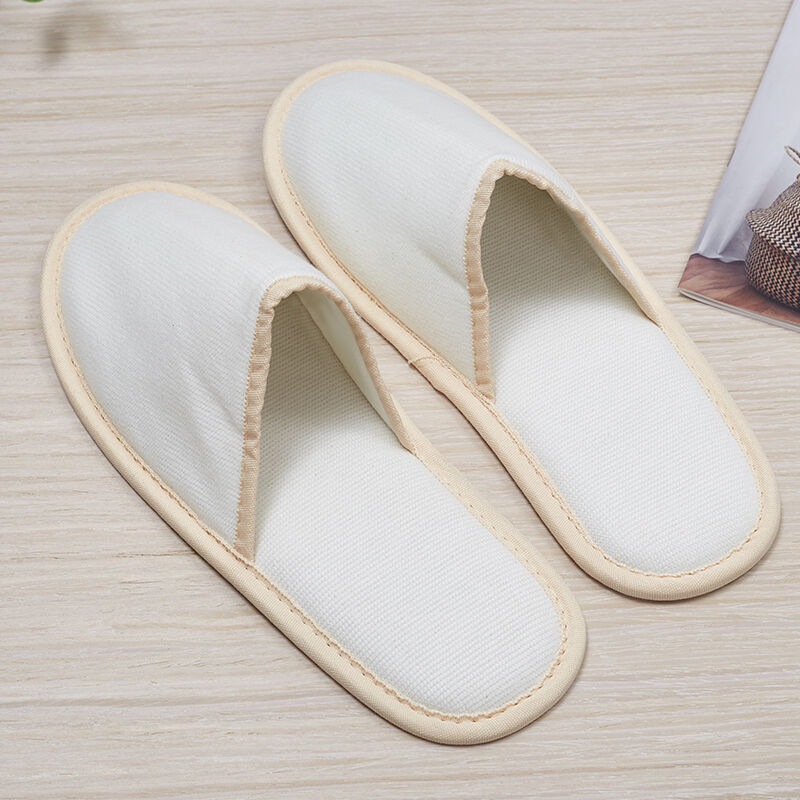
The hospitality sector has witnessed remarkable evolution in guest expectations, with travelers increasingly valuing comfort accessories that enhance their accommodation experience. Modern hotels understand that every touchpoint matters, from premium linens to thoughtfully selected amenities like well-crafted hotel slippers. These items have evolved from basic disposable options to sophisticated, reusable designs that guests often appreciate taking home as memorable keepsakes.
Essential Features of Premium Hotel Slippers
Material Selection and Comfort Standards
The foundation of exceptional hotel slippers lies in carefully selected materials that prioritize both comfort and durability. Premium establishments typically choose soft cotton blends, plush terry cloth, or luxurious velour fabrics that provide gentle cushioning against bare feet. These materials must maintain their softness through multiple washings while resisting wear from regular use. The sole construction plays an equally important role, with quality rubber or EVA foam bases offering slip resistance and adequate support for walking on various hotel room surfaces.
Breathability represents another crucial factor in material selection for hotel slippers. Natural fibers allow air circulation, preventing moisture buildup that could lead to discomfort during extended wear. This consideration becomes particularly important in warmer climates where guests may wear their slippers for extended periods while relaxing in their rooms or moving between spaces like pools and spas.
Design Elements That Enhance Guest Experience
Contemporary hotel slippers incorporate thoughtful design elements that elevate the guest experience beyond basic functionality. Open-toe designs offer versatility for different foot sizes while maintaining an elegant appearance that complements luxury accommodations. Closed-toe variations provide additional warmth and coverage, making them ideal for cooler environments or guests who prefer complete foot enclosure.
Color coordination with existing room decor creates visual harmony that reinforces the hotel's attention to aesthetic details. Many establishments opt for neutral tones like white, cream, or soft grey that complement various interior design schemes while maintaining a clean, sophisticated appearance. Custom embroidery or subtle branding adds a personal touch without overwhelming the overall design aesthetic.
Benefits for Hotel Operations and Guest Satisfaction
Operational Advantages for Hotel Management
Implementing quality hotel slippers programs delivers measurable operational benefits that extend beyond guest satisfaction metrics. These amenities reduce the likelihood of slip-and-fall incidents on smooth bathroom floors, potentially lowering insurance claims and liability concerns. Additionally, providing dedicated footwear encourages guests to remove street shoes when entering rooms, helping maintain cleaner carpets and reducing overall housekeeping maintenance requirements.
Cost-effective procurement strategies enable hotels to offer premium amenities while managing operational budgets effectively. Bulk purchasing agreements with reliable suppliers ensure consistent quality and availability while achieving favorable pricing structures. Many hotels find that investing in slightly higher-quality hotel slippers reduces replacement frequency and enhances perceived value among guests.
Impact on Guest Loyalty and Reviews
Guest reviews consistently highlight thoughtful amenities like comfortable hotel slippers as factors that distinguish memorable stays from ordinary accommodations. These small touches create emotional connections that translate into positive online ratings and word-of-mouth recommendations. Travelers often mention specific comfort features in their feedback, demonstrating how quality footwear contributes to overall satisfaction scores.
The psychological impact of receiving well-made hotel slippers extends beyond immediate comfort, creating a sense of being valued and cared for during the stay. This emotional response influences booking decisions for future visits and recommendations to friends and colleagues. Hotels that consistently provide quality amenities build reputations for excellence that support premium pricing strategies and market positioning.
Selection Criteria for Different Hotel Categories
Luxury and Boutique Hotel Requirements
Luxury establishments require hotel slippers that reflect their premium positioning through superior materials, craftsmanship, and presentation. These properties often select options featuring high-thread-count fabrics, reinforced stitching, and elegant packaging that creates an unboxing experience worthy of the accommodation tier. Custom embroidery with hotel logos or monograms adds exclusivity while reinforcing brand identity.
Boutique hotels frequently choose unique designs that align with their distinctive character and target demographic. This might include locally-inspired patterns, eco-friendly materials, or artisanal construction methods that support the property's positioning as a culturally authentic or environmentally conscious destination. The selection process considers how these amenities contribute to the overall narrative and guest journey.
Business and Extended-Stay Properties
Business-focused hotels prioritize durability and practical functionality in their hotel slippers selection, recognizing that guests may use these items repeatedly during longer stays. These properties often choose designs that withstand frequent washing while maintaining their appearance and comfort characteristics. Closed-toe options provide professional appearance for guests who may wear slippers when receiving room service or conducting casual video calls.
Extended-stay properties benefit from offering higher-quality hotel slippers that justify the investment through extended use periods. Guests staying for weeks or months particularly appreciate comfortable footwear that enhances their temporary living experience. These establishments often provide washable options that guests can maintain throughout their stay, reducing replacement costs while improving satisfaction.
Quality Standards and Supplier Considerations
Manufacturing Quality Indicators
Identifying reliable suppliers requires understanding key quality indicators that distinguish superior hotel slippers from standard alternatives. Consistent stitching patterns, reinforced stress points, and uniform fabric density indicate attention to manufacturing excellence. Quality control processes should include dimensional accuracy testing, colorfastness verification, and durability assessments that simulate extended use conditions.
Reputable suppliers provide detailed specifications regarding materials composition, care instructions, and expected lifespan under typical hotel usage patterns. They also offer samples for evaluation, allowing hotel procurement teams to assess comfort, appearance, and durability before making large-scale purchasing commitments. Certification documentation for materials safety and environmental compliance demonstrates supplier reliability and commitment to industry standards.
Sustainable and Eco-Friendly Options
Environmental consciousness increasingly influences hotel amenity selection, with many properties seeking hotel slippers made from sustainable materials or through eco-friendly manufacturing processes. Organic cotton, bamboo fiber, and recycled materials offer environmentally responsible alternatives without compromising comfort or quality. These options appeal to environmentally conscious travelers while supporting corporate sustainability initiatives.
Biodegradable packaging and minimal waste manufacturing processes align with green hospitality practices that many modern hotels embrace. Some suppliers offer take-back programs for used hotel slippers, enabling recycling or proper disposal that reduces environmental impact. These partnerships demonstrate commitment to sustainability while potentially qualifying for environmental certification programs that enhance marketing appeal.
Implementation and Guest Communication Strategies
Room Placement and Presentation
Strategic placement of hotel slippers within guest rooms significantly impacts their utilization and perceived value. Premium establishments often position these amenities in bedroom areas near seating or in elegant packaging that creates discovery moments for arriving guests. Clear sight lines ensure visibility while maintaining organized appearance that complements overall room aesthetics.
Presentation quality directly influences guest perception of hotel slippers value and appropriateness for use. Individual packaging, whether disposable wrapping or reusable bags, maintains hygiene standards while creating a premium unboxing experience. Coordinated presentation with other amenities like robes and towels reinforces the hotel's commitment to comprehensive guest comfort.
Guest Education and Usage Guidelines
Effective communication regarding hotel slippers availability and proper usage enhances guest satisfaction while protecting hotel interests. Subtle signage or welcome materials can highlight these amenities as complimentary comfort items available throughout the stay. Clear care instructions help guests maintain slipper quality when reusable options are provided for extended stays.
Some hotels include information about hotel slippers in pre-arrival communications or mobile applications, allowing guests to anticipate this amenity and plan accordingly. This proactive approach particularly benefits travelers who might otherwise pack additional footwear, enhancing convenience while demonstrating thoughtful service planning.
Cost Management and ROI Considerations
Budget Planning and Procurement Strategies
Successful hotel slippers programs require careful budget planning that balances quality aspirations with operational realities. Hotels typically allocate amenity budgets based on occupancy projections, average length of stay, and target market expectations. Seasonal variations in guest demographics may influence procurement timing and quantity planning to optimize inventory management.
Volume purchasing agreements provide cost advantages while ensuring consistent quality and availability throughout the operating year. Many hotels negotiate annual contracts that include delivery schedules aligned with seasonal demand patterns. These arrangements often include provisions for emergency restocking and quality guarantee terms that protect hotel interests.
Measuring Return on Investment
Quantifying the impact of quality hotel slippers on overall guest satisfaction requires tracking multiple metrics including review scores, repeat booking rates, and guest feedback themes. Hotels that systematically monitor these indicators often find correlations between amenity quality improvements and measurable business outcomes. Advanced analytics can identify specific guest segments that particularly value comfort amenities, enabling targeted marketing strategies.
The long-term value of hotel slippers investments extends beyond immediate guest satisfaction to brand reputation enhancement and competitive differentiation. Properties that consistently deliver exceptional experiences through attention to amenity details often achieve premium pricing power and market position that justify incremental amenity investments. This strategic perspective recognizes comfort accessories as marketing tools rather than merely operational expenses.
FAQ
What materials are best for hotel slippers in different climates
Climate considerations significantly influence optimal material selection for hotel slippers. In tropical or warm environments, lightweight cotton or bamboo fiber options provide breathability and moisture-wicking properties that enhance comfort. Colder climates benefit from plush terry cloth or fleece-lined designs that offer insulation and warmth. Year-round facilities often choose versatile materials like cotton blends that perform well across seasonal temperature variations while maintaining durability through frequent laundering.
How often should hotels replace guest slippers
Replacement frequency for hotel slippers depends on several factors including material quality, usage intensity, and property standards. Disposable options require replacement after each guest stay to maintain hygiene standards. Reusable designs typically withstand 15-25 washing cycles before showing signs of wear that warrant replacement. Luxury properties may replace hotel slippers more frequently to maintain pristine appearance standards, while budget-conscious establishments focus on functionality and basic cleanliness requirements.
Can hotels customize slippers with branding without compromising comfort
Modern customization techniques enable hotels to incorporate branding elements into hotel slippers without sacrificing comfort or quality. Embroidered logos using soft threads maintain fabric flexibility while adding visual appeal. Subtle color coordination with hotel themes creates brand recognition without overwhelming design aesthetics. Professional suppliers offer various customization options including heel tabs, sole imprinting, and packaging personalization that enhance brand visibility while preserving the primary function of guest comfort.
What safety features should hotels consider in slipper selection
Safety considerations for hotel slippers focus primarily on slip resistance and structural integrity. Non-slip sole materials like textured rubber or specialized grip patterns reduce accident risk on wet bathroom floors. Proper sizing options accommodate diverse guest foot dimensions, preventing trip hazards from ill-fitting footwear. Quality construction with reinforced seams prevents unexpected breakage that could cause falls. Some hotels also consider flame-resistant materials for enhanced fire safety compliance, particularly in jurisdictions with specific hospitality safety regulations.