pulp sole slippers factory
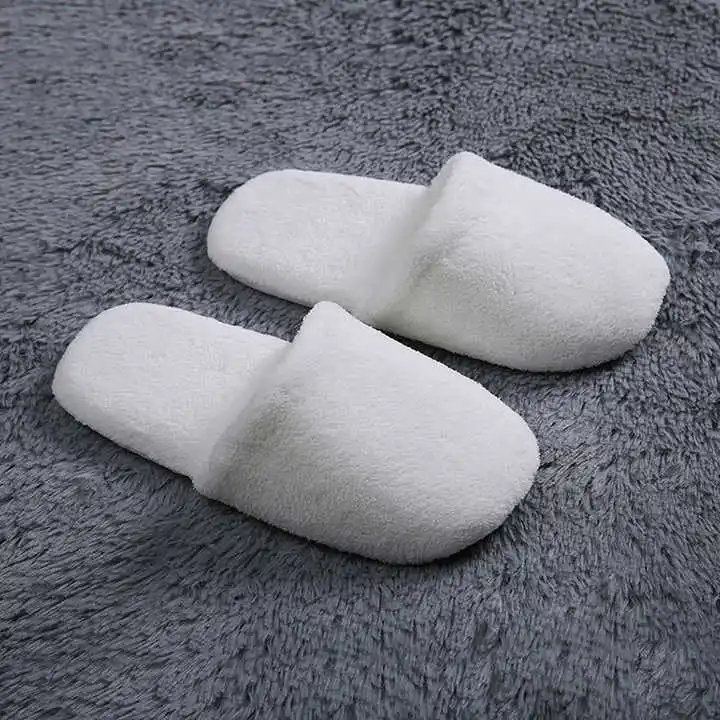
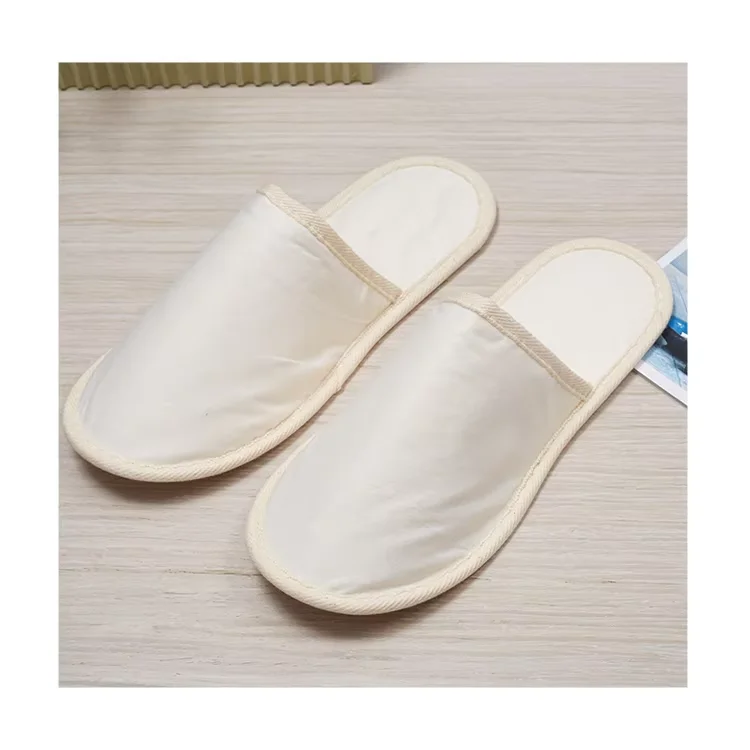
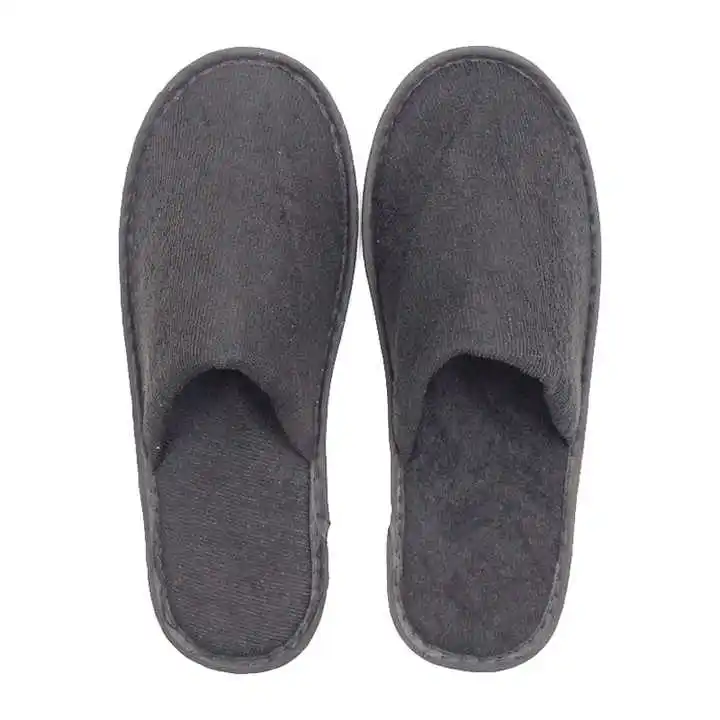
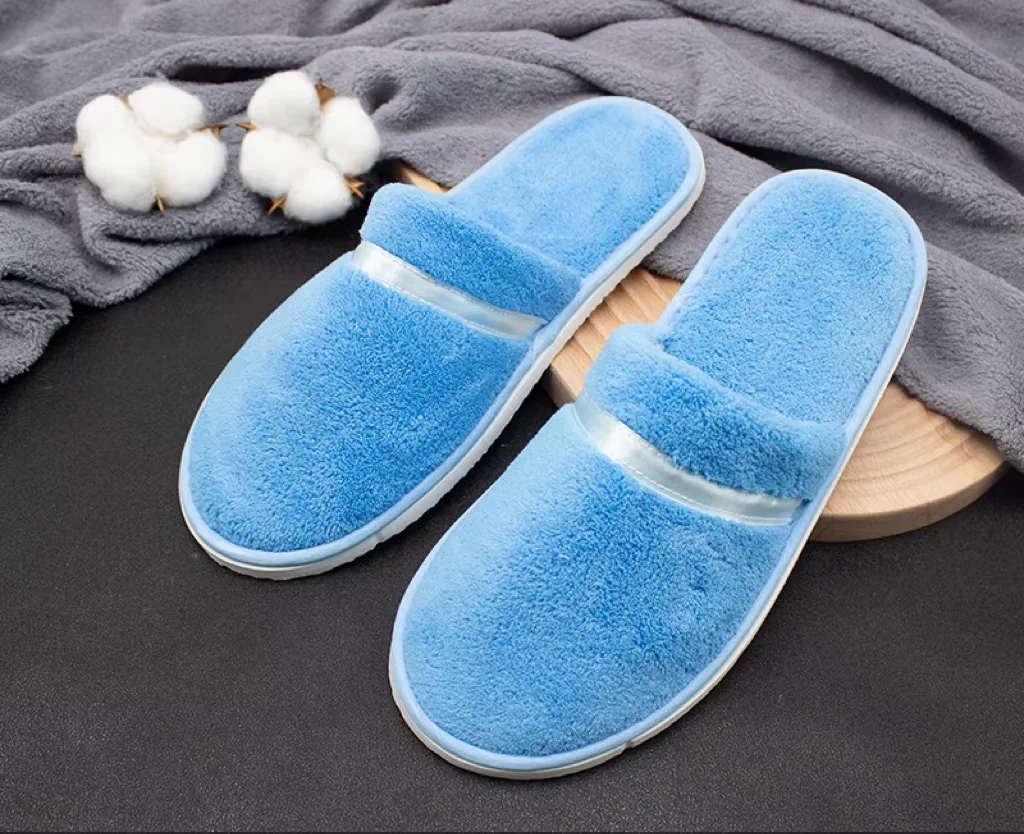
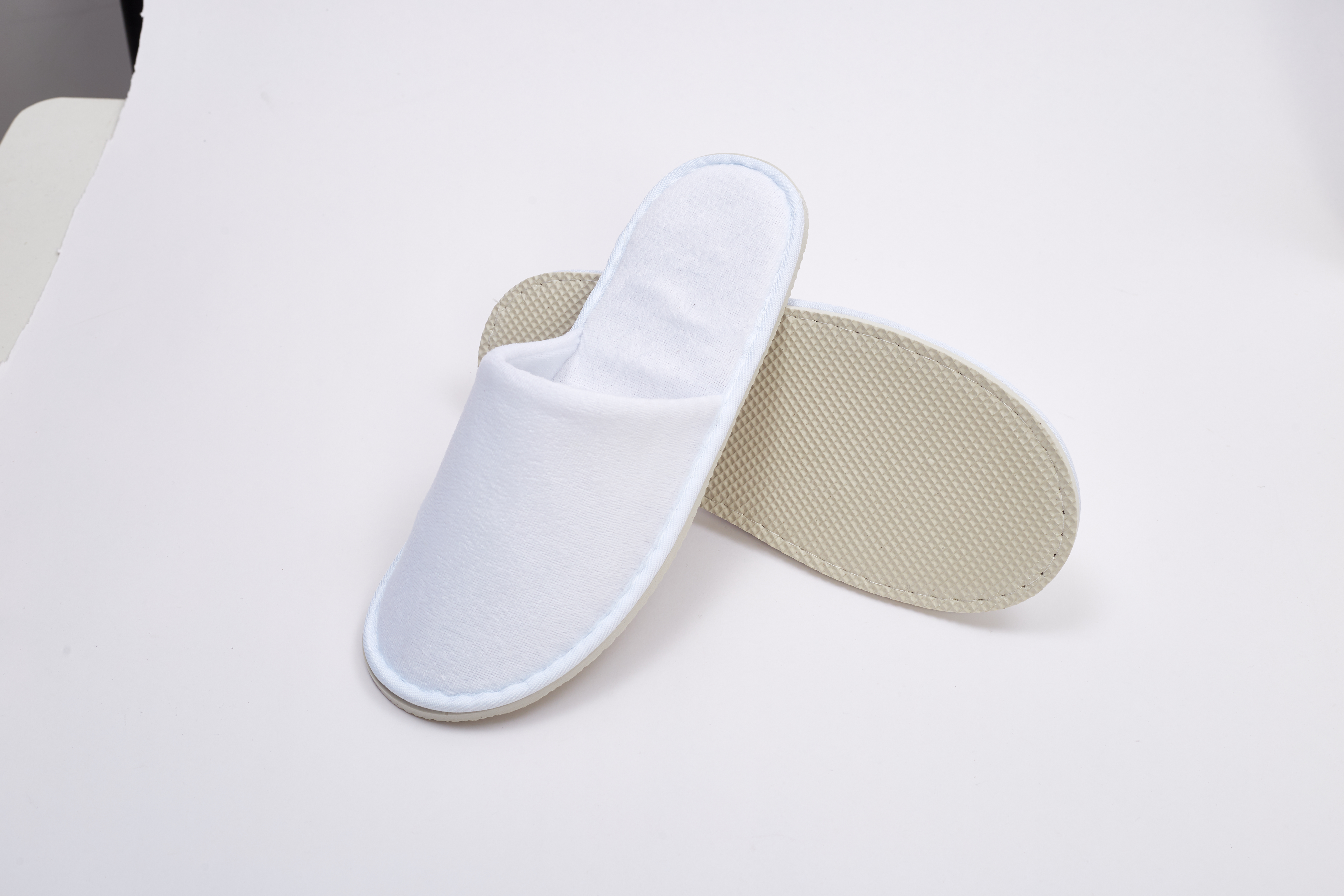
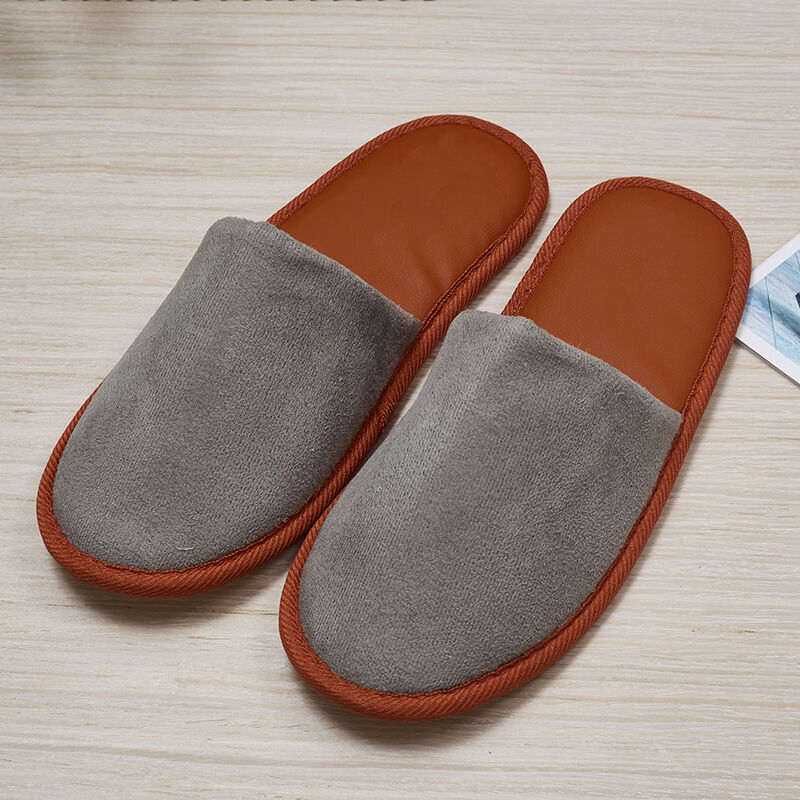
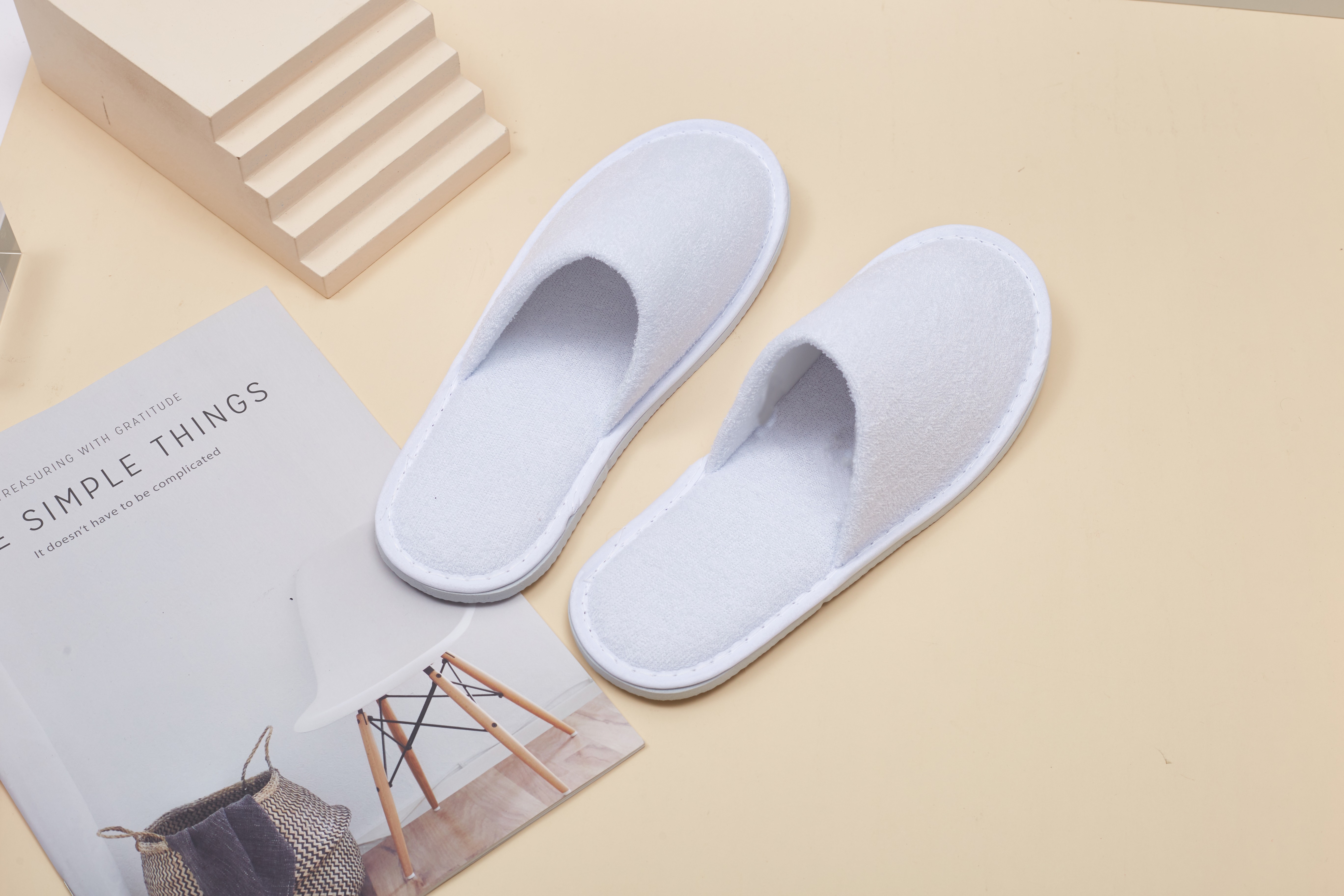
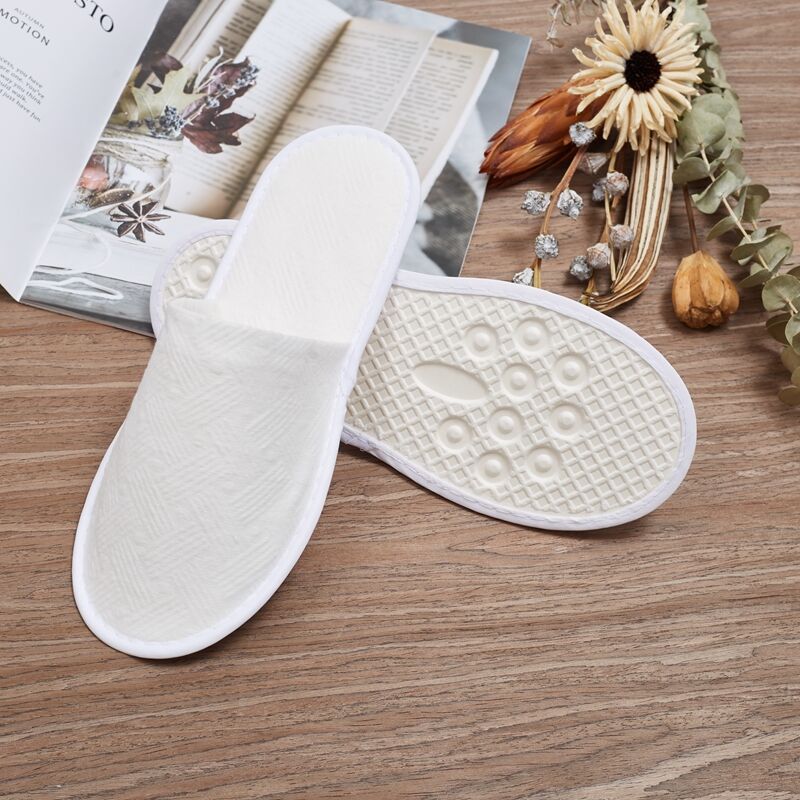
A pulp sole slippers factory represents a specialized manufacturing facility dedicated to producing comfortable, eco-friendly footwear using innovative pulp-based materials for soles. These manufacturing plants focus on creating lightweight, breathable slippers that combine traditional comfort with modern sustainable practices. The pulp sole slippers factory employs advanced production techniques to transform recycled paper pulp and natural fibers into durable, flexible soles that provide excellent cushioning and support. The main functions of a pulp sole slippers factory encompass the entire production cycle, from raw material processing to final product assembly. These facilities typically house multiple production lines equipped with specialized machinery for pulp preparation, molding, drying, and finishing processes. The factory operations include quality control departments that ensure each pair meets strict durability and comfort standards. Material sourcing departments work with suppliers to obtain high-quality recycled paper pulp, natural adhesives, and complementary materials for upper construction. The technological features of modern pulp sole slippers factory operations include automated mixing systems that blend pulp materials with binding agents to achieve optimal consistency and strength. Advanced molding presses shape the pulp mixture into precise sole configurations, while controlled drying chambers cure the materials under specific temperature and humidity conditions. Computer-controlled cutting systems ensure accurate sizing and trimming of finished soles. Integration with fabric processing equipment allows seamless attachment of fabric or textile uppers to completed pulp soles. Applications for products from a pulp sole slippers factory extend across residential, hospitality, and commercial markets. Hotels and resorts frequently source these slippers for guest amenities due to their disposable nature and comfort features. Healthcare facilities utilize them for patient comfort and hygiene purposes. Retail markets offer these products as eco-friendly alternatives to synthetic footwear options.

 EN
EN