
 EN
EN

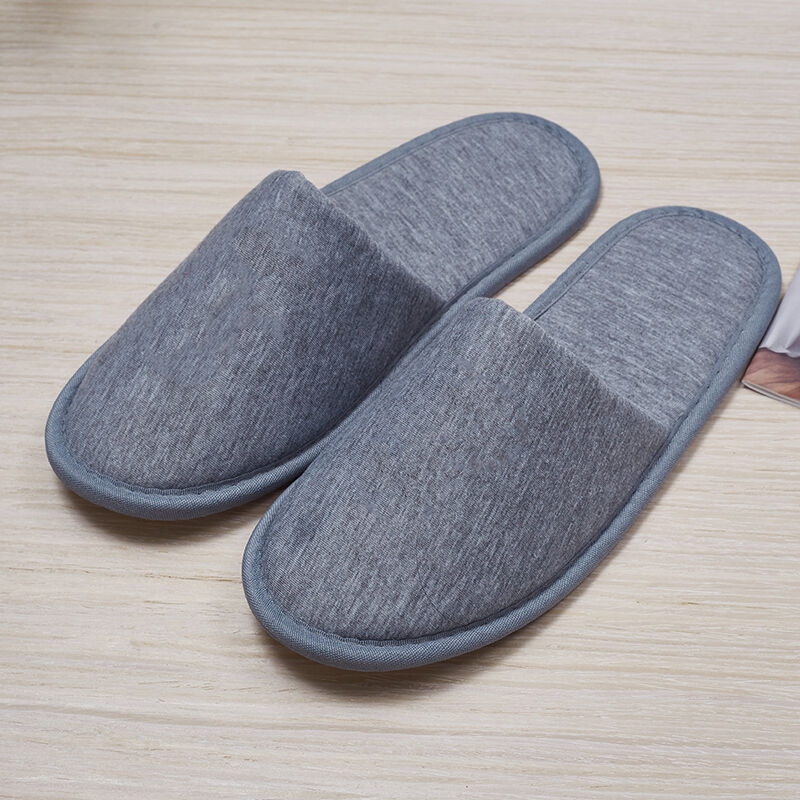
The hospitality industry thrives on delivering exceptional guest experiences, and hotel slippers have emerged as a crucial amenity that significantly impacts visitor satisfaction. These simple yet essential items provide guests with immediate comfort upon entering their rooms, creating a sense of luxury and attention to detail that distinguishes premium accommodations. Modern travelers increasingly expect thoughtful touches that make their stay memorable, and high-quality hotel slippers deliver precisely this level of care.
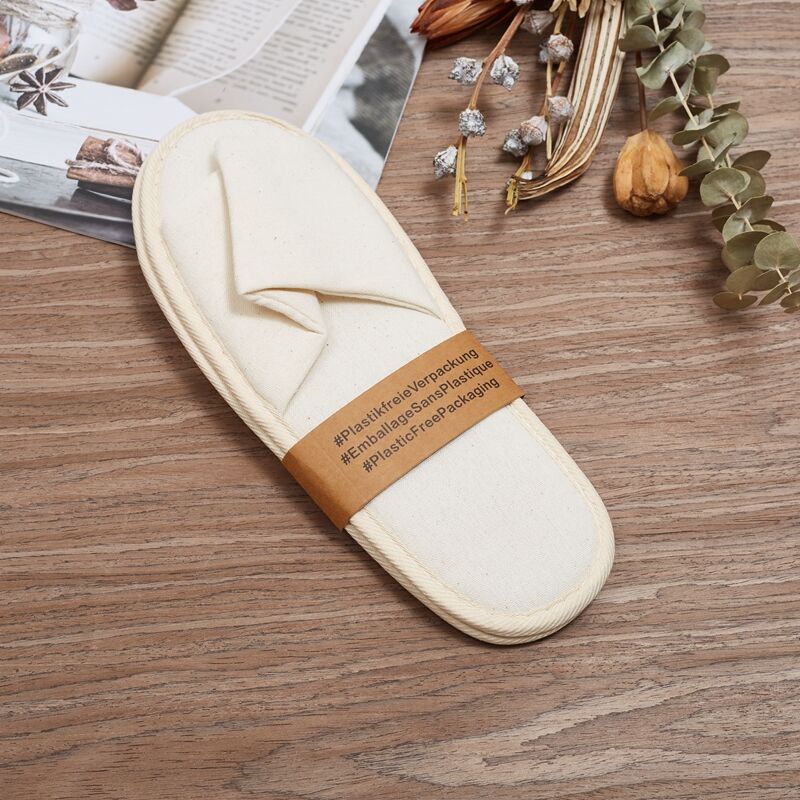
Professional hoteliers understand that guest comfort begins the moment visitors step into their accommodations. Hotel slippers serve as an immediate signal that the establishment prioritizes cleanliness, hygiene, and guest wellbeing. When guests can slip off their travel shoes and don comfortable footwear, they instantly feel more relaxed and at home in their temporary residence.
The psychological impact of providing hotel slippers extends far beyond mere foot comfort. These amenities communicate that the hotel management has considered every aspect of the guest experience, from major facilities to seemingly minor details. This comprehensive approach to hospitality creates lasting impressions that translate into positive reviews, repeat bookings, and valuable word-of-mouth recommendations.
Essential Features of Premium Hotel Slippers
Material Quality and Durability
Superior hotel slippers incorporate high-grade materials that balance comfort, durability, and cost-effectiveness. The outer sole typically features non-slip materials that ensure guest safety on various floor surfaces, including marble, tile, and hardwood commonly found in hotel environments. Premium options utilize memory foam insoles that conform to individual foot shapes, providing personalized comfort throughout extended wear periods.
The upper materials range from soft cotton terry cloth to plush velvet, depending on the hotel's positioning and target demographic. Luxury establishments often select materials with superior moisture-wicking properties that keep feet dry and comfortable during extended use. The stitching quality and construction methods directly impact the longevity of hotel slippers, ensuring they maintain their appearance and functionality throughout a guest's entire stay.
Hygiene and Safety Standards
Modern hotel slippers must meet stringent hygiene requirements that protect both guests and hotel staff. Disposable options eliminate cross-contamination concerns while reducing housekeeping workload and operational costs. These single-use hotel slippers are manufactured in sterile environments and individually packaged to maintain cleanliness until guest use.
Anti-bacterial treatments and antimicrobial materials provide additional protection against harmful microorganisms. The sole design incorporates textured patterns that enhance grip while facilitating easy cleaning between guest stays. Safety certifications ensure that hotel slippers meet international standards for slip resistance and material safety, protecting hotels from liability issues.
Impact on Guest Satisfaction Metrics
Comfort Enhancement Benefits
Research consistently demonstrates that guests who receive quality hotel slippers report higher overall satisfaction scores compared to those staying at properties without this amenity. The immediate comfort provided by well-designed footwear reduces travel fatigue and helps guests transition from transportation mode to relaxation mode more effectively. This comfort factor becomes particularly important for business travelers who spend long days in formal footwear.
Temperature regulation represents another significant comfort benefit provided by appropriate hotel slippers. Properties with heated floors during winter months or air-conditioned environments year-round create temperature differentials that guests notice immediately upon removing their shoes. Quality hotel slippers provide insulation that maintains optimal foot temperature regardless of ambient conditions.
Perceived Value and Luxury Positioning
The presence of thoughtfully selected hotel slippers elevates the perceived value of accommodations without requiring substantial investment. Guests often associate these amenities with higher-tier properties, creating opportunities for mid-range hotels to compete with luxury brands through strategic amenity selection. The cost-per-guest impact remains minimal while the satisfaction boost can justify premium room rates.
Customization options, including hotel branding and logo placement, transform functional hotel slippers into marketing tools that extend brand exposure beyond the property boundaries. Many guests appreciate being able to take these items home as practical souvenirs that remind them of positive experiences, creating ongoing brand awareness and potential future bookings.
Operational Benefits for Hotel Management
Housekeeping Efficiency Improvements
Implementing disposable hotel slippers significantly streamlines housekeeping operations by eliminating the need for washing, sanitizing, and inventory management associated with reusable footwear options. Staff can focus on core cleaning tasks rather than managing textile amenities, improving overall room turnover times and operational efficiency.
The standardized sizing and packaging of modern hotel slippers simplify inventory management and reduce storage requirements. Housekeeping departments can maintain adequate stock levels without dedicating extensive storage space to bulky textile items. This efficiency translates into cost savings and improved staff productivity across all property operations.
Cost Management and ROI Considerations
While the initial investment in quality hotel slippers represents an operational expense, the return on investment manifests through multiple channels. Increased guest satisfaction scores directly correlate with higher occupancy rates and average daily room rates, offsetting the amenity costs through improved revenue generation.
Reduced liability exposure represents another significant cost benefit, as proper hotel slippers minimize slip-and-fall incidents that could result in expensive legal claims. The preventive safety aspect of quality footwear amenities protects both guest welfare and hotel financial interests through proactive risk management strategies.
Selection Criteria for Optimal Results
Size Range and Fit Considerations
Successful hotel slipper programs accommodate diverse guest demographics through comprehensive size ranges that serve both male and female travelers across various age groups. Standard sizing typically includes small, medium, large, and extra-large options that cover the majority of guest foot sizes encountered in international hospitality markets.
The fit characteristics of hotel slippers must balance security and comfort to prevent accidents while ensuring pleasant wear experiences. Open-toe designs accommodate guests with foot sensitivities or medical conditions while closed-toe options provide maximum protection and warmth in climate-controlled environments.
Environmental Sustainability Factors
Contemporary travelers increasingly prioritize environmental responsibility when selecting accommodations, making eco-friendly hotel slippers an important differentiating factor. Biodegradable materials and sustainable manufacturing processes appeal to environmentally conscious guests while supporting hotel sustainability initiatives and corporate social responsibility goals.
Recycling programs and material sourcing transparency demonstrate hotel commitment to environmental stewardship. Properties that communicate their sustainable hotel slipper choices through in-room materials and marketing communications can attract guests who value ecological responsibility alongside comfort and luxury.
Implementation Strategies and Best Practices
Procurement and Supplier Selection
Establishing relationships with reliable hotel slippers suppliers ensures consistent quality and timely delivery that supports uninterrupted guest services. Supplier evaluation criteria should include manufacturing capabilities, quality control processes, certification compliance, and environmental standards that align with hotel operational requirements.
Bulk purchasing agreements and long-term contracts often provide cost advantages while ensuring supply chain stability. Hotels benefit from working with suppliers who understand hospitality industry demands and can provide technical support, customization options, and responsive customer service throughout the partnership duration.
Staff Training and Guest Communication
Proper staff training ensures that hotel slippers are presented appropriately and their benefits are communicated effectively to guests. Housekeeping teams should understand placement protocols, quality standards, and replacement procedures that maintain consistent guest experiences across all rooms and stays.
Guest communication strategies can highlight the availability and benefits of hotel slippers through various touchpoints, including check-in processes, in-room materials, and digital platforms. Clear communication helps guests understand the value provided and encourages utilization of this important amenity.
Measuring Success and Continuous Improvement
Guest Feedback Analysis
Regular collection and analysis of guest feedback regarding hotel slippers provides valuable insights for continuous improvement initiatives. Online reviews, satisfaction surveys, and direct guest comments reveal preferences, concerns, and opportunities for enhancement that inform future procurement decisions.
Tracking specific metrics related to hotel slippers usage, guest satisfaction scores, and operational efficiency helps quantify the return on investment and justify continued or expanded amenity programs. Data-driven decision making ensures that hotel slipper selections align with guest preferences and business objectives.
Innovation and Future Trends
The hotel slippers market continues evolving with new materials, designs, and sustainability innovations that enhance guest experiences while reducing environmental impact. Properties that stay informed about industry developments can implement cutting-edge solutions that differentiate their offerings and attract quality-conscious travelers.
Technology integration possibilities include smart materials with temperature regulation properties and antimicrobial treatments that provide enhanced protection. Forward-thinking hotels can leverage these innovations to create memorable experiences that generate positive word-of-mouth marketing and repeat business opportunities.
FAQ
What materials are best for hotel slippers in different climates
Climate considerations significantly influence optimal hotel slippers material selection. Warm, humid environments benefit from breathable cotton or bamboo fiber materials that wick moisture and provide cooling comfort. Cold climates require insulated materials like fleece-lined options or memory foam that retain warmth. Year-round climate-controlled properties can utilize versatile materials like terry cloth that provide balanced comfort across temperature variations.
How do disposable hotel slippers compare to reusable options
Disposable hotel slippers offer superior hygiene benefits and reduced operational complexity compared to reusable alternatives. They eliminate washing, sanitizing, and inventory management requirements while ensuring each guest receives fresh, unused footwear. Reusable options may provide enhanced comfort and luxury perception but require significant housekeeping resources and present potential cross-contamination risks that disposable hotel slippers completely avoid.
What size range should hotels provide for international guests
International hotels should stock hotel slippers in sizes ranging from US 5-12 for women and US 7-13 for men to accommodate the majority of global travelers. European sizing equivalents ensure clarity for international guests. Properties serving specific markets may adjust ranges based on regional demographics, but comprehensive coverage requires at least four size options per gender to maintain guest satisfaction across diverse traveler populations.
How can hotels customize slippers for brand recognition
Brand customization transforms hotel slippers into effective marketing tools through logo placement, color coordination, and packaging design. Embroidered or printed hotel logos on the upper surface create lasting brand impressions. Custom packaging with hotel branding extends the marketing impact and creates premium presentation. Color schemes that match hotel decor or brand guidelines reinforce visual identity while maintaining the functional benefits that make hotel slippers valuable guest amenities.