
 EN
EN
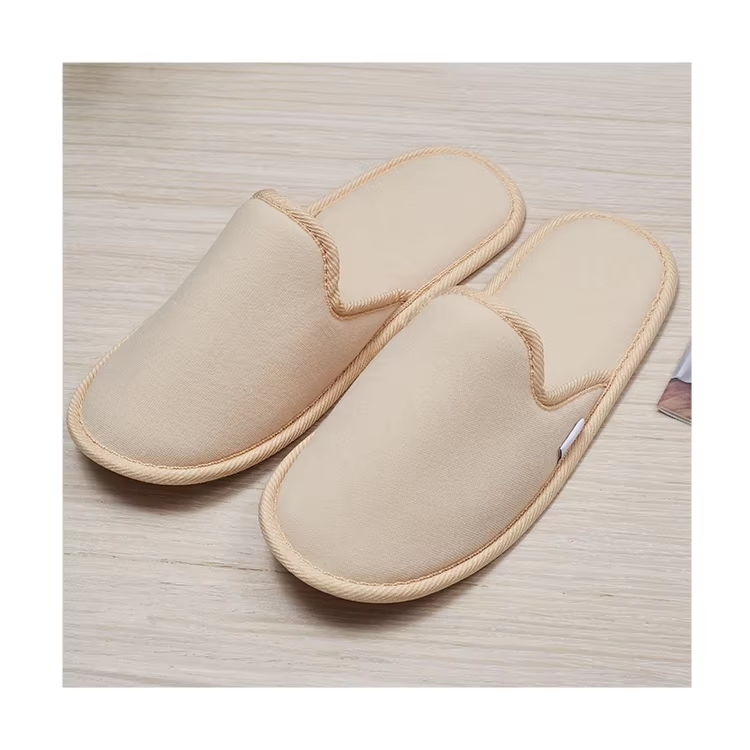
The hospitality industry has undergone a significant transformation in recent years, with sustainability becoming a cornerstone of modern hotel operations. Hotels worldwide are recognizing that environmental responsibility is not just a trend but a fundamental business requirement. Among the various amenities that hotels provide to enhance guest experiences, eco-friendly hotel slippers have emerged as an essential component of sustainable hospitality practices.
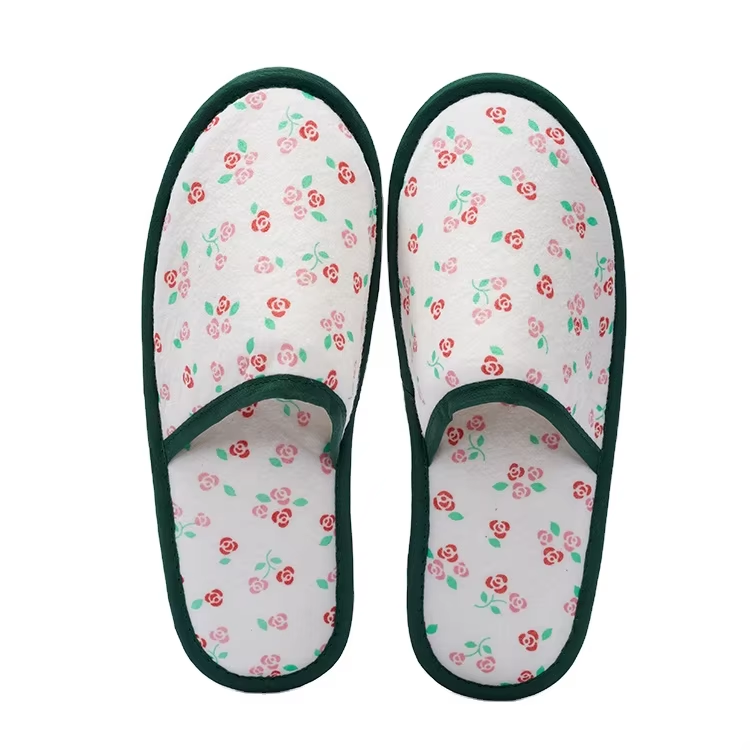
Modern travelers are increasingly conscious about their environmental footprint, making informed choices about where they stay based on sustainability credentials. This shift in consumer behavior has prompted hotels to evaluate every aspect of their operations, from energy consumption to the smallest guest amenities. Eco-friendly hotel slippers represent a perfect opportunity for properties to demonstrate their commitment to environmental stewardship while maintaining the comfort and luxury that guests expect.
The Environmental Impact of Traditional Hotel Slippers
Material Composition Challenges
Traditional hotel slippers often utilize synthetic materials that present significant environmental challenges throughout their lifecycle. Conventional slippers frequently contain petroleum-based plastics, non-recyclable foam padding, and chemical-laden synthetic fabrics that persist in landfills for decades. These materials not only contribute to waste accumulation but also release harmful substances during production and disposal processes.
The manufacturing process of conventional hotel amenities typically involves energy-intensive procedures that generate substantial carbon emissions. Chemical treatments used in synthetic materials can contaminate water sources and soil, creating long-term environmental consequences. Furthermore, the non-biodegradable nature of these materials means that millions of hotel slippers end up in landfills annually, contributing to the growing global waste crisis.
Disposal and Waste Management Issues
Hotels face significant challenges when disposing of used traditional slippers, as most municipal waste systems are not equipped to handle the complex synthetic materials effectively. The single-use nature of many hotel slippers compounds this problem, creating a continuous cycle of waste generation. Studies indicate that hospitality amenities account for a substantial portion of commercial waste streams, with footwear representing a notable segment of this waste.
The economic implications of waste disposal are also considerable, as hotels must allocate resources for proper waste management while facing increasing regulatory pressure to reduce their environmental impact. Many regions are implementing stricter waste disposal regulations, making it imperative for hotels to adopt more sustainable alternatives to meet compliance requirements and avoid potential penalties.
Benefits of Implementing Eco-Friendly Hotel Slippers
Environmental Advantages
Eco-friendly hotel slippers offer substantial environmental benefits that align with global sustainability goals and corporate responsibility initiatives. These products are typically manufactured using renewable materials such as organic cotton, bamboo fiber, or recycled fabrics that have minimal environmental impact during production. The biodegradable nature of these materials ensures that they decompose naturally without leaving harmful residues in soil or water systems.
Carbon footprint reduction is another significant advantage of sustainable slipper options, as their production processes generally require less energy and generate fewer greenhouse gas emissions. Many manufacturers of eco-friendly hotel slippers utilize renewable energy sources and implement circular economy principles in their manufacturing processes, further enhancing their environmental credentials.
Guest Satisfaction and Brand Image Enhancement
Modern travelers increasingly value sustainability and are willing to pay premium rates for accommodations that demonstrate environmental responsibility. By providing eco-friendly hotel slippers, properties can differentiate themselves in a competitive market while appealing to environmentally conscious guests. This amenity serves as a tangible representation of the hotel's commitment to sustainability, creating positive guest experiences and encouraging repeat bookings.
The psychological impact of sustainable amenities extends beyond immediate guest satisfaction, contributing to overall brand perception and reputation management. Hotels that prioritize environmental responsibility often receive higher ratings on review platforms and benefit from positive word-of-mouth marketing. Social media engagement tends to increase when guests can share their experiences with sustainable hospitality practices, amplifying the hotel's environmental message to broader audiences.
Material Innovations in Sustainable Hotel Footwear
Biodegradable and Renewable Materials
The development of innovative materials has revolutionized the production of eco-friendly hotel slippers, offering properties multiple options that meet both sustainability requirements and comfort standards. Bamboo fiber has emerged as a particularly popular choice due to its rapid growth rate, natural antimicrobial properties, and soft texture that rivals traditional synthetic materials. Organic cotton provides another excellent alternative, offering breathability and comfort while supporting sustainable agricultural practices.
Natural rubber and cork materials are increasingly being incorporated into slipper soles, providing durability and comfort while maintaining biodegradability. These materials offer excellent grip and cushioning properties that meet safety requirements while ensuring that the entire product can decompose naturally at the end of its lifecycle. Advanced material processing techniques have enabled manufacturers to create eco-friendly hotel slippers that match or exceed the performance characteristics of conventional alternatives.
Recycled and Upcycled Options
Recycled materials represent another significant advancement in sustainable hospitality amenities, transforming waste products into high-quality slipper components. Post-consumer recycled plastics can be processed into comfortable, durable slipper materials that prevent waste from entering landfills while maintaining the performance characteristics that hotels require. Ocean plastic recycling initiatives have created opportunities for hotels to contribute to marine conservation efforts through their amenity choices.
Textile recycling programs have enabled the creation of slipper fabrics from discarded clothing and industrial textile waste, creating a circular economy approach to hospitality amenities. These upcycled materials often possess unique aesthetic qualities that can enhance the guest experience while demonstrating innovative approaches to sustainability. The integration of recycled materials into eco-friendly hotel slippers helps hotels achieve their sustainability goals while supporting broader environmental conservation initiatives.
Economic Considerations for Hotel Properties
Cost-Benefit Analysis
While eco-friendly hotel slippers may have higher initial procurement costs compared to conventional alternatives, the long-term economic benefits often justify the investment. Hotels can realize significant savings through reduced waste disposal fees, as biodegradable products require less specialized handling and processing. Additionally, many regions offer tax incentives or rebates for businesses that implement sustainable practices, helping offset the initial cost differential.
The marketing value of sustainable amenities contributes to revenue generation through increased occupancy rates and premium pricing opportunities. Hotels that successfully position themselves as environmentally responsible often achieve higher average daily rates and improved guest loyalty metrics. The positive publicity generated by sustainability initiatives can reduce marketing expenses while enhancing brand visibility and reputation in the hospitality market.
Supply Chain and Procurement Strategies
Successful implementation of eco-friendly hotel slippers requires strategic supply chain management and vendor partnership development. Hotels should evaluate suppliers based on environmental certifications, manufacturing practices, and transportation methods to ensure that sustainability extends throughout the procurement process. Establishing long-term relationships with certified sustainable suppliers can provide cost stability and ensure consistent product availability.
Bulk purchasing agreements and collaborative procurement with other properties can help reduce costs while supporting suppliers committed to sustainable manufacturing practices. Many eco-friendly hotel slipper manufacturers offer customization options that allow properties to maintain their brand identity while demonstrating environmental responsibility. The integration of sustainable procurement policies can enhance overall operational efficiency while supporting broader corporate sustainability objectives.
Guest Education and Communication Strategies
In-Room Information and Messaging
Effective communication about eco-friendly hotel slippers is essential for maximizing guest appreciation and reinforcing the hotel's sustainability message. Strategic placement of informational materials in guest rooms can educate visitors about the environmental benefits of their amenities while encouraging broader environmental consciousness. Simple tent cards or elegant signage can explain the sustainable features of the slippers without overwhelming guests with technical details.
Digital communication channels offer additional opportunities to share sustainability stories and engage guests in environmental initiatives. QR codes linking to detailed information about the hotel's eco-friendly amenities can provide interested guests with comprehensive details while maintaining a clean, uncluttered room environment. Social media integration allows guests to share their experiences with sustainable hospitality practices, amplifying the hotel's environmental message to their personal networks.
Staff Training and Guest Interaction
Comprehensive staff training programs ensure that team members can effectively communicate the benefits of eco-friendly hotel slippers and other sustainable amenities to guests. Front desk personnel, housekeeping staff, and concierge teams should understand the environmental impact and guest benefits of these products to provide informed responses to guest inquiries. Regular training updates keep staff informed about new sustainability initiatives and product developments.
Proactive guest engagement strategies can enhance appreciation for sustainable amenities while demonstrating the hotel's commitment to environmental responsibility. Staff members trained to discuss sustainability initiatives naturally can create meaningful connections with environmentally conscious guests while identifying opportunities for additional sustainable services. This approach transforms routine guest interactions into opportunities for environmental education and brand enhancement.
Implementation Best Practices
Gradual Transition Strategies
Successful implementation of eco-friendly hotel slippers often requires a phased approach that allows properties to evaluate performance, adjust procurement strategies, and manage costs effectively. Initial pilot programs in select room categories can provide valuable feedback about guest satisfaction and operational considerations before full-scale implementation. This approach enables hotels to refine their sustainability strategies while minimizing potential disruptions to guest experiences.
Seasonal implementation strategies can help manage cash flow while taking advantage of procurement opportunities and supplier promotions. Many hotels find success by introducing eco-friendly amenities during traditionally slower periods when they have more flexibility to adjust operations and train staff. Gradual expansion allows properties to build expertise in sustainable procurement and guest communication while developing internal sustainability capabilities.
Quality Assurance and Supplier Evaluation
Rigorous quality assurance protocols ensure that eco-friendly hotel slippers meet both sustainability requirements and guest comfort expectations. Regular supplier audits and product testing help maintain consistent quality standards while verifying environmental claims and certifications. Hotels should establish clear performance metrics that balance sustainability goals with guest satisfaction requirements to ensure successful implementation.
Continuous evaluation of supplier performance and market developments enables hotels to optimize their sustainable amenity programs over time. Regular market research helps identify new eco-friendly hotel slipper options and emerging sustainability trends that could enhance the guest experience. Feedback systems that capture guest opinions and staff observations provide valuable insights for program refinement and supplier selection decisions.
FAQ
What makes hotel slippers truly eco-friendly?
Genuinely eco-friendly hotel slippers are characterized by their use of sustainable materials such as organic cotton, bamboo fiber, or recycled plastics, combined with environmentally responsible manufacturing processes. These products should be biodegradable or recyclable at the end of their lifecycle and produced using minimal energy and water resources. Third-party certifications from recognized environmental organizations provide verification of sustainability claims and manufacturing practices.
How do eco-friendly hotel slippers impact guest satisfaction?
Eco-friendly hotel slippers typically enhance guest satisfaction by appealing to environmentally conscious travelers who value sustainability in their accommodation choices. These products often provide superior comfort through natural materials that offer better breathability and moisture-wicking properties compared to synthetic alternatives. Guests appreciate knowing that their accommodation choices support environmental conservation efforts, contributing to positive overall experiences and increased likelihood of return visits.
Are sustainable hotel slippers more expensive than traditional options?
While eco-friendly hotel slippers may have higher initial procurement costs, the total cost of ownership often favors sustainable options when considering waste disposal savings, marketing benefits, and potential premium pricing opportunities. Many hotels find that the positive guest response and brand enhancement justify the investment, particularly as production scales and costs continue to decrease. Long-term contracts with sustainable suppliers can help manage costs while ensuring consistent product availability.
What should hotels consider when selecting eco-friendly slipper suppliers?
Hotels should evaluate potential suppliers based on environmental certifications, manufacturing transparency, product quality, and supply chain sustainability practices. Important considerations include the supplier's commitment to renewable energy use, waste reduction programs, and ethical labor practices. Hotels should also assess the supplier's ability to provide consistent quality, competitive pricing, and reliable delivery schedules while maintaining their environmental standards throughout the production process.