Operational Efficiency and Cost Management
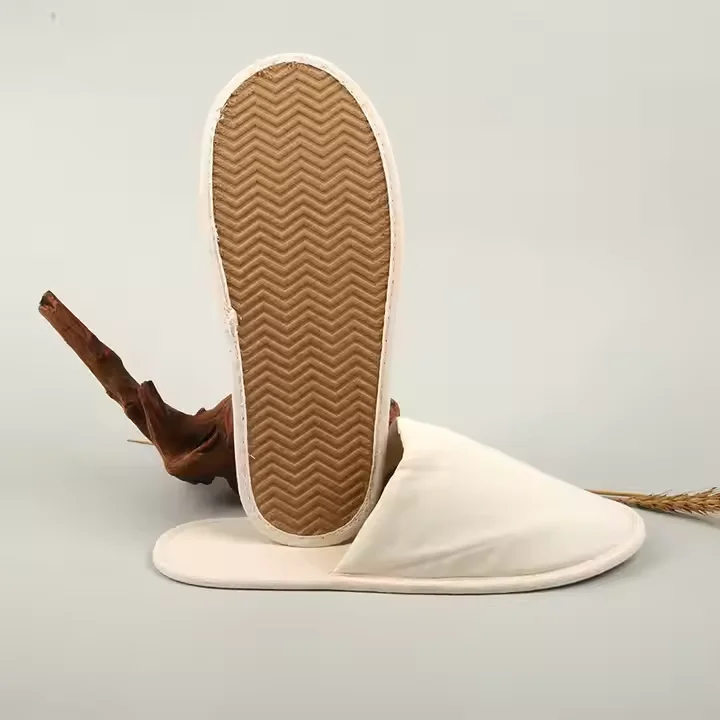
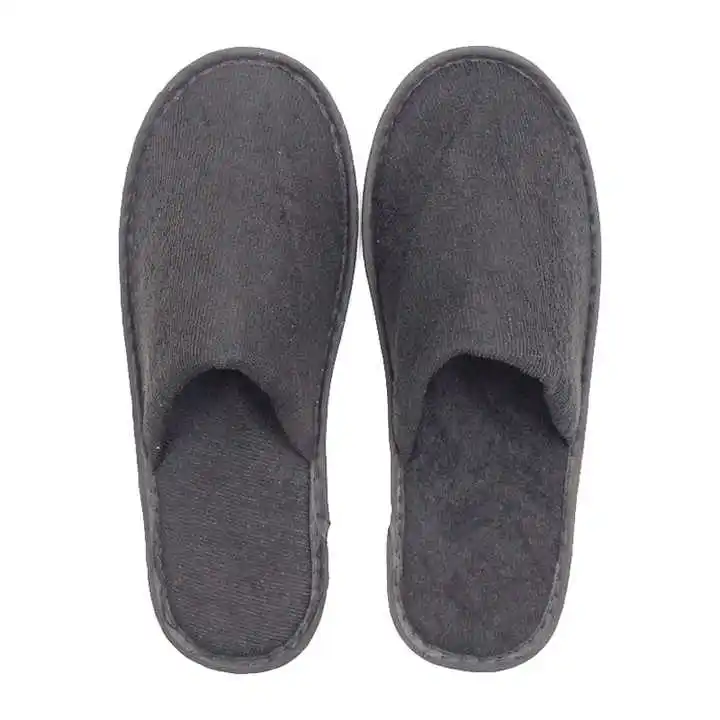
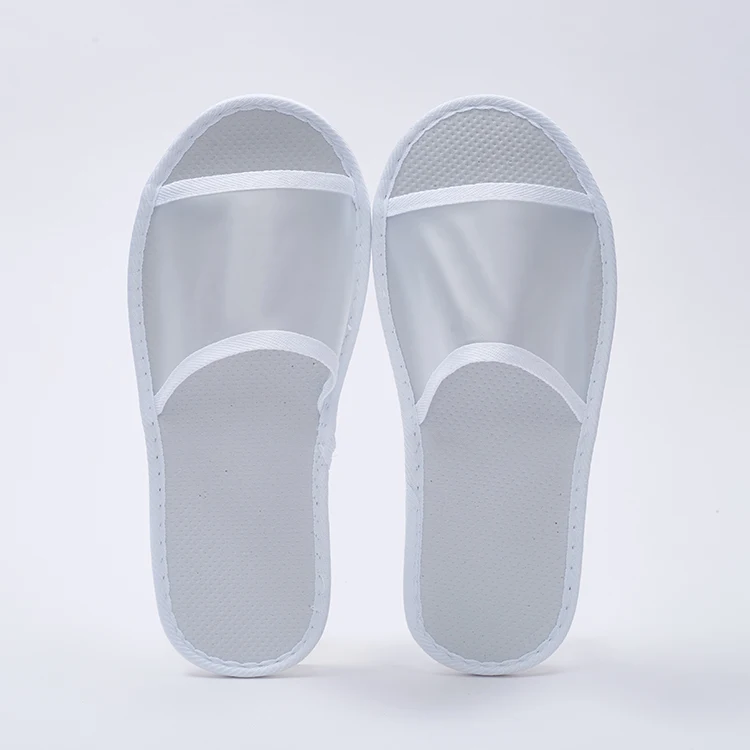
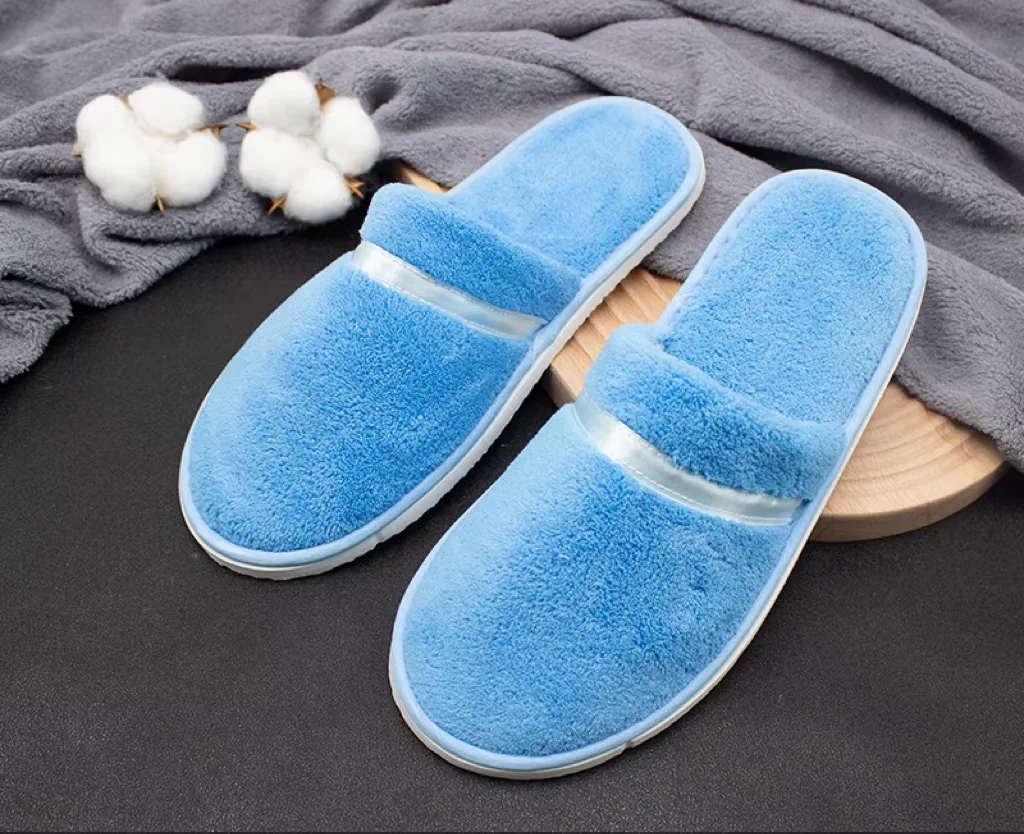
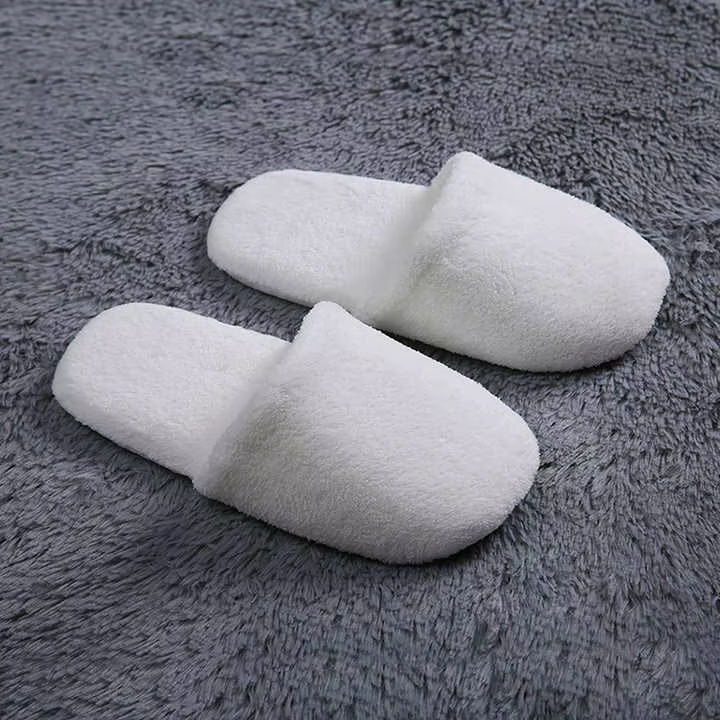
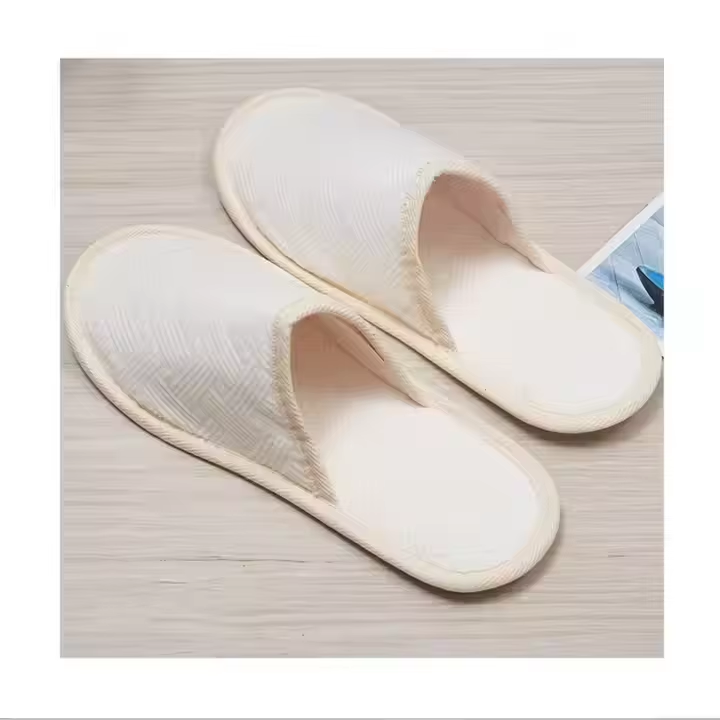
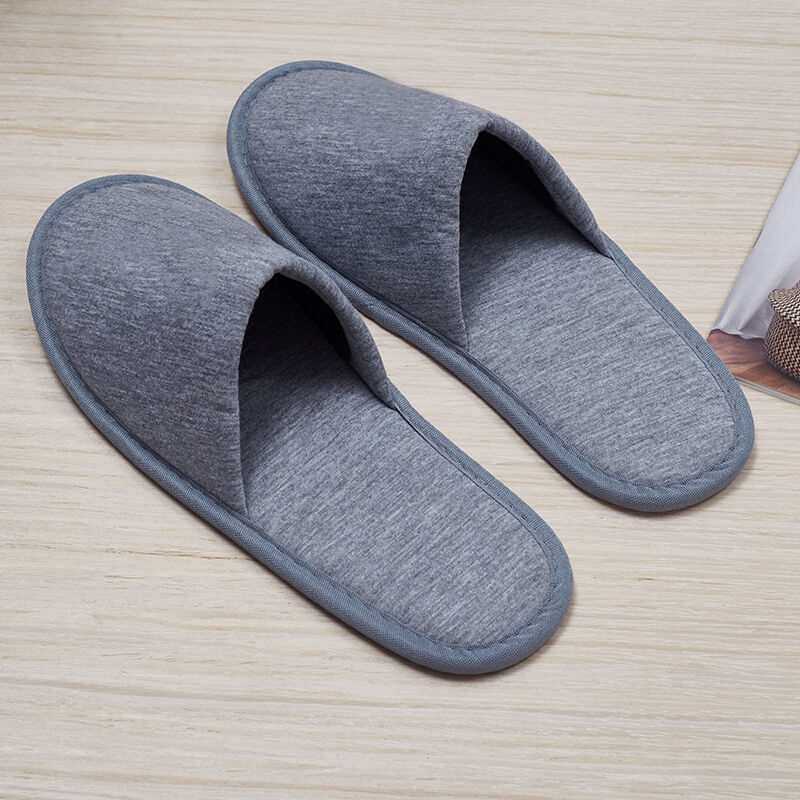
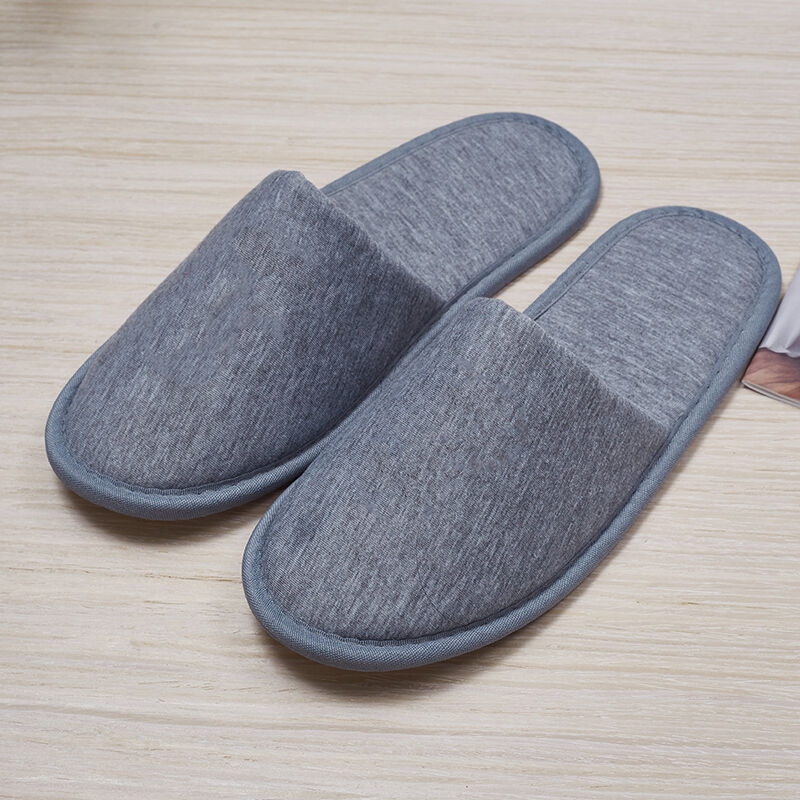
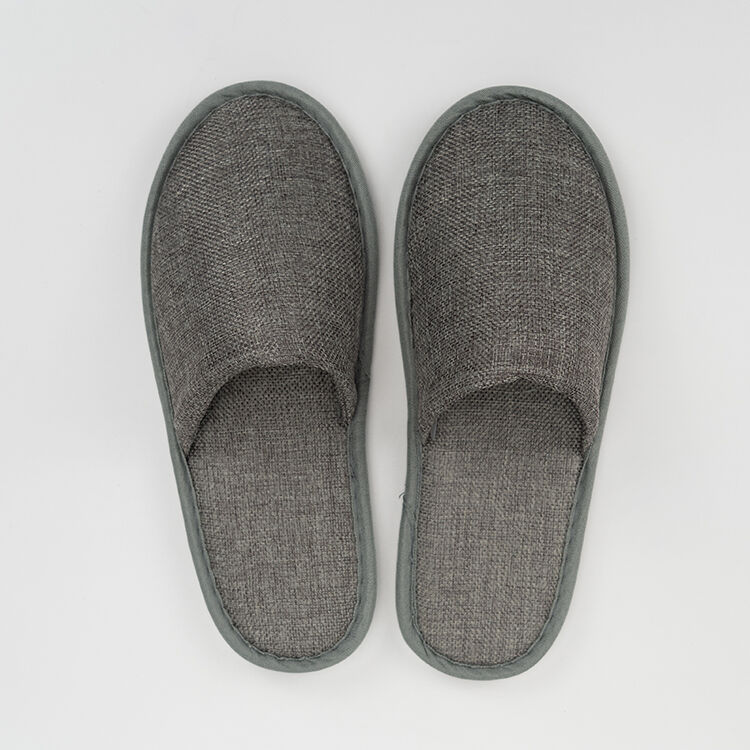
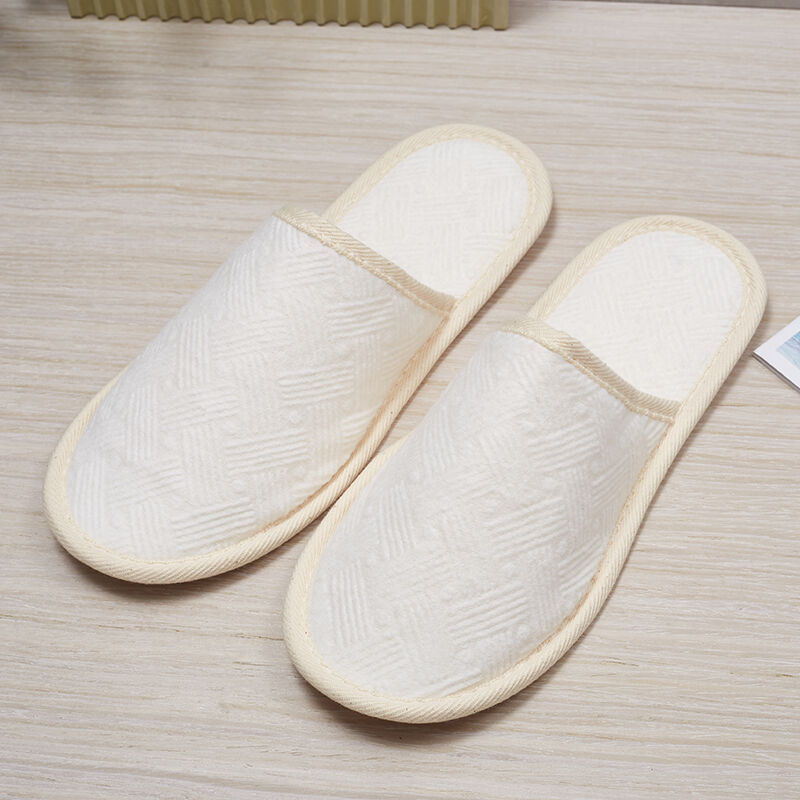
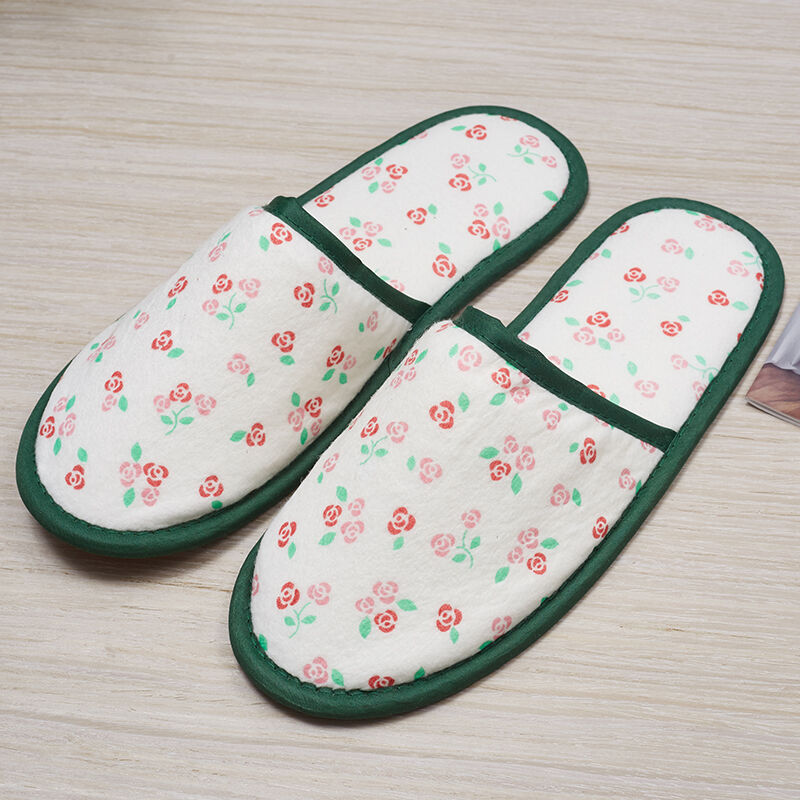
Disposable slippers for guests revolutionize operational workflows by eliminating complex logistical challenges associated with traditional reusable footwear programs. The streamlined approach significantly reduces staff workload as employees no longer need to collect, sort, wash, dry, inspect, and redistribute slippers throughout their facility. This operational simplification allows organizations to reallocate human resources toward revenue-generating activities and customer service improvements rather than time-consuming maintenance tasks. Healthcare facilities experience particularly dramatic efficiency gains as nursing staff can focus on patient care instead of footwear management, directly improving care quality and patient outcomes. The inventory management advantages of disposable slippers for guests include predictable consumption patterns and simplified procurement processes. Organizations can accurately forecast usage based on guest volume and maintain appropriate stock levels without concerns about lost, damaged, or worn-out reusable items. This predictability extends to budgeting processes where facilities can calculate precise per-guest costs for footwear amenities, enabling more accurate financial planning and pricing strategies. Storage requirements for disposable slippers for guests are significantly reduced compared to reusable alternatives, as compact packaging allows facilities to maintain adequate inventory in minimal space while eliminating dedicated washing and drying areas. The immediate availability of clean slippers enhances guest experience by reducing wait times and ensuring consistent service delivery during peak occupancy periods. Quality control becomes substantially easier with disposable slippers for guests as each pair meets identical manufacturing standards without degradation from repeated use and cleaning cycles. Staff can confidently provide guests with products that maintain consistent comfort, safety, and appearance throughout their intended use period. The elimination of repair and replacement decisions associated with damaged reusable slippers further streamlines operations while ensuring that guests always receive products in optimal condition. These operational efficiencies translate into improved staff satisfaction, reduced training requirements, and enhanced overall service quality that customers notice and appreciate during their visits.
 EN
EN