
 EN
EN

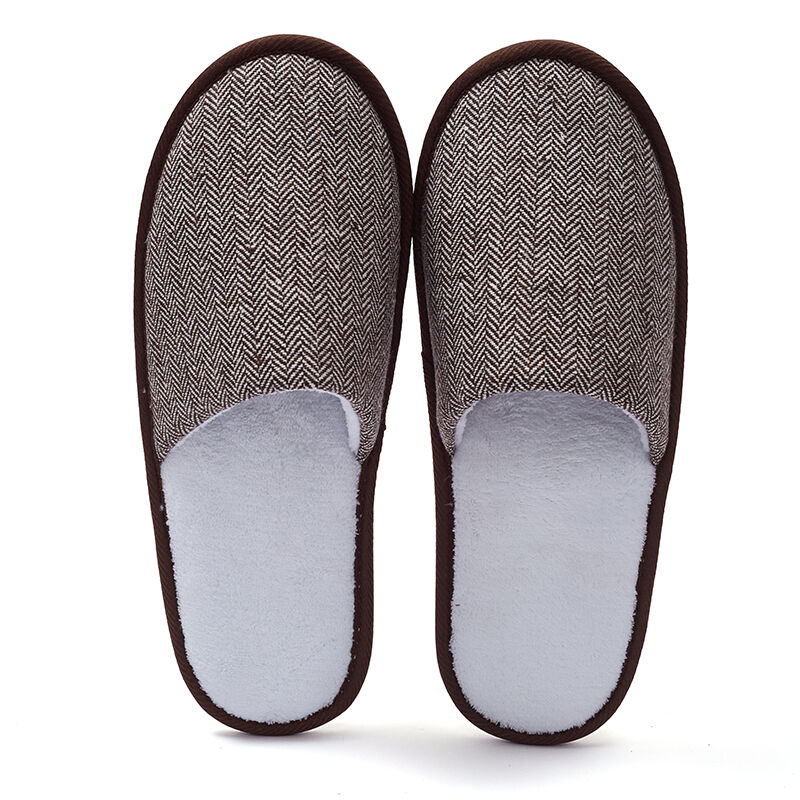
When guests settle into a hotel room and slip their feet into a pair of complimentary slippers, they rarely consider what those slippers are made of. Yet for hotel operators and sustainability directors, the material composition of eco friendly hotel slippers has become a central purchasing decision. As the hospitality industry faces increasing pressure to reduce its environmental footprint, the choice of raw materials in guest amenities carries real operational and reputational weight.
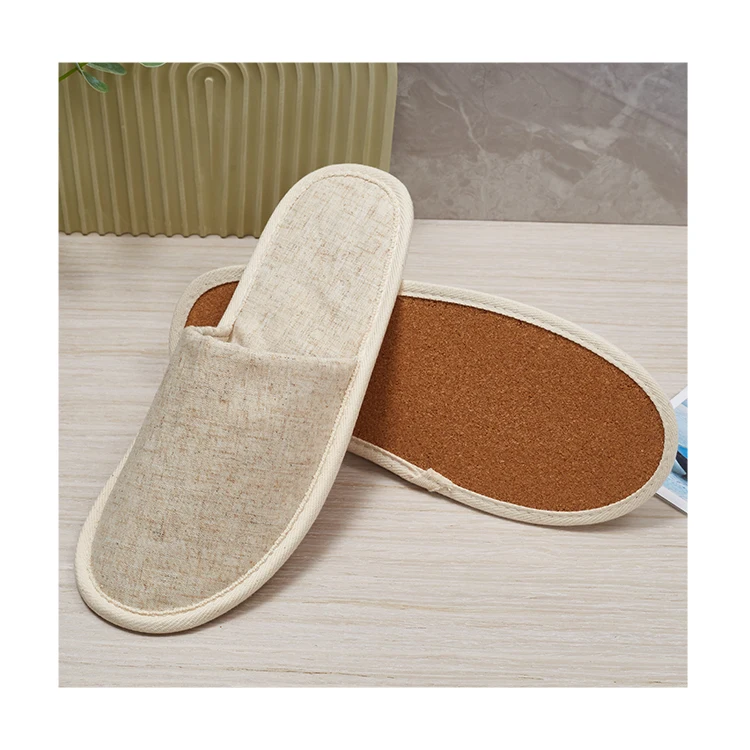
Understanding exactly which materials qualify a pair of slippers as 'eco friendly' requires looking beyond surface-level marketing claims. Genuine eco friendly hotel slippers are defined by the sustainability profile of every component, from the outer fabric and inner lining to the sole and any adhesives or dyes used in production. This article breaks down the key material categories, explains what makes each suitable for sustainable hospitality, and helps procurement teams make informed, responsible sourcing decisions.
Natural Fiber Fabrics in Eco Friendly Hotel Slippers
Organic Cotton as a Primary Material
Organic cotton is one of the most widely adopted materials in eco friendly hotel slippers, and for good reason. Unlike conventionally grown cotton, organic cotton is cultivated without synthetic pesticides, herbicides, or genetically modified seeds, significantly reducing soil contamination and water pollution during agriculture. This makes it a far more responsible choice for properties seeking to reduce their upstream environmental impact.
In slipper construction, organic cotton is most commonly used for the upper fabric and the inner lining. Its soft texture provides immediate comfort for guests, while its natural breathability prevents moisture buildup during wear. Hotels that source organic cotton eco friendly hotel slippers can typically reference certifications such as GOTS (Global Organic Textile Standard) to verify the material's integrity throughout the supply chain.
From a guest-facing perspective, organic cotton projects warmth and authenticity. It communicates a commitment to natural living rather than synthetic convenience, which aligns well with the values of today's environmentally conscious travelers. For mid-scale to luxury properties, this material selection reinforces brand storytelling around responsible hospitality.
Linen and Its Role in Sustainable Slipper Design
Linen, derived from the flax plant, is another key material used in eco friendly hotel slippers, particularly in warmer climates and premium hospitality settings. Flax cultivation requires minimal irrigation compared to cotton and can thrive without chemical fertilizers in most growing regions. This inherent efficiency gives linen a favorable environmental profile from the very start of its lifecycle.
As a slipper fabric, linen offers a distinctive texture that feels refined and natural. It is highly breathable, moisture-wicking, and durable enough to withstand multiple uses before disposal or composting. These properties make it especially suitable for hotels that offer multi-day stays or prefer slippers with a slightly longer usable life before replacement.
Linen-cotton blended fabrics are also common in eco friendly hotel slippers, combining the structural strength of linen with the softness of organic cotton. This blend produces a material that performs well across a range of guest comfort expectations while maintaining strong sustainability credentials. Many hospitality suppliers now offer this blended construction as a standard eco-grade option.
Sole Materials That Define Eco Performance
Natural Rubber Soles
The sole of a slipper is often overlooked in sustainability discussions, yet it represents one of the most environmentally significant components. In eco friendly hotel slippers, natural rubber derived from the Hevea brasiliensis tree is increasingly favored as a sole material. Natural rubber is biodegradable under the right conditions and does not rely on petroleum-based inputs in its raw form, unlike synthetic rubber alternatives.
Natural rubber soles provide excellent grip and durability, making them practical for in-room and corridor use. They perform reliably on tile, hardwood, and carpeted surfaces, ensuring guest safety without compromising the slipper's green credentials. Responsible sourcing of natural rubber, particularly from certified plantations that comply with forest conservation standards, further strengthens the environmental case for this material.
Hotels that specify natural rubber soles in their eco friendly hotel slippers can communicate this detail in their sustainability reporting and guest communication materials. It is a tangible, verifiable claim that reflects genuine material decision-making rather than vague 'green' positioning.
EVA and Plant-Based Foam Alternatives
Ethylene-vinyl acetate, commonly known as EVA, is a synthetic foam widely used in slipper soles for its cushioning properties. While traditional EVA is petroleum-derived, manufacturers supplying eco friendly hotel slippers have developed plant-based EVA alternatives using sugarcane ethanol as a raw material feedstock. This bio-based EVA delivers comparable performance while producing a lower carbon footprint than its conventional equivalent.
Sugarcane-derived EVA is lightweight, flexible, and provides adequate arch and heel support for in-room guest use. It can also be formulated to be more readily recyclable than standard EVA, addressing one of the primary end-of-life criticisms of foam-soled footwear. For high-volume hospitality procurement, the availability of bio-based EVA in slipper soles represents a meaningful step forward in sustainable material adoption.
It is important for hotel buyers to request clear material data sheets from suppliers when evaluating eco friendly hotel slippers with foam soles. Terms like 'eco foam' or 'green sole' are not standardized, and the actual bio-content percentage can vary significantly between products. Verified third-party certification or supplier transparency documentation provides the most reliable basis for procurement decisions.
Degradable and Recycled Material Innovations
Recycled PET Fabric from Post-Consumer Waste
A growing segment of the eco friendly hotel slippers market utilizes fabrics made from recycled polyethylene terephthalate, commonly labeled as rPET. This material is derived from post-consumer plastic bottles and other PET waste streams, diverting plastic from landfill and ocean environments and converting it into usable textile fiber. The result is a soft, durable fabric that carries a measurable environmental benefit in its creation.
rPET fabric used in eco friendly hotel slippers typically requires significantly less energy to produce than virgin polyester and generates fewer greenhouse gas emissions in the manufacturing process. For hotels with strong corporate sustainability commitments or those pursuing green building certifications, specifying rPET-based slippers contributes directly to their reported environmental metrics.
While rPET is not biodegradable, its value lies in extending the useful life of materials that would otherwise persist in the environment as waste. When paired with a responsible end-of-life collection or recycling program, rPET eco friendly hotel slippers can participate in a circular material economy. Some progressive hotel groups have implemented in-room or front-desk collection programs specifically to facilitate this downstream recycling loop.
Biodegradable and Compostable Material Options
For hotels targeting the highest standard of environmental performance, fully biodegradable eco friendly hotel slippers represent the premium tier of sustainable product design. These slippers are constructed using materials that can break down through natural biological processes under composting or soil conditions, leaving no persistent synthetic residue. Materials in this category include unbleached cotton canvas, natural jute, cornstarch-based bioplastics, and natural latex coatings.
Jute, in particular, has gained attention as a secondary structural material in eco friendly hotel slippers. It is one of the most sustainable natural fibers available, requiring minimal water, no pesticides, and enriching the soil in which it grows. Jute-reinforced insoles or outer panels add structural integrity to the slipper while maintaining full biodegradability at end of life.
The practical challenge with fully biodegradable eco friendly hotel slippers is ensuring that their performance during the guest stay is not compromised by the use of natural materials. Reputable suppliers address this through careful construction engineering, ensuring that stitching, adhesion, and layering methods do not introduce non-biodegradable elements that would undermine the product's end-of-life credentials. Buyers should request full bill-of-materials documentation to verify claims.
Dyes, Adhesives, and Secondary Materials
Natural and Low-Impact Dyes
The sustainability of eco friendly hotel slippers is not determined by fiber content alone. Dyeing processes represent a significant environmental concern in textile manufacturing, with conventional synthetic dyes contributing to water pollution and requiring toxic chemical inputs. For slippers marketed as eco friendly, the use of natural dyes or low-impact fiber-reactive dyes is an important supplementary material consideration.
Natural dyes derived from plant and mineral sources have been used in textile production for centuries and are experiencing a revival in sustainable manufacturing. They are biodegradable and carry a significantly lower toxicity profile than their synthetic counterparts. However, they require careful sourcing and quality control to ensure color consistency across large hospitality batches, which is a practical concern for high-volume hotel procurement.
Low-impact fiber-reactive dyes are a middle-ground solution widely used in certified eco friendly hotel slippers. These dyes bond efficiently to natural fibers with minimal water and produce consistent, durable coloration without the heavy metal compounds found in conventional textile dyes. Products carrying OEKO-TEX Standard 100 certification have been tested to confirm the absence of harmful substances in the final product, making this certification a reliable guide for hotel buyers.
Non-Toxic Adhesives and Stitching Methods
The adhesives used to bond soles to uppers in eco friendly hotel slippers are a frequently overlooked material category. Solvent-based glues common in conventional footwear manufacturing release volatile organic compounds (VOCs) during production and can contaminate compostable materials at end of life. Water-based adhesives or heat-bonding methods are preferred in genuine eco-grade slipper construction.
Where possible, the most environmentally rigorous eco friendly hotel slippers use stitched construction rather than adhesive bonding. Stitched assembly eliminates adhesive entirely, simplifying the biodegradation pathway and reducing chemical inputs in manufacturing. This approach also tends to produce a more durable product, which supports a 'longer use per unit' sustainability argument even in single-use hospitality contexts.
Packaging materials are also part of the full material story. Eco friendly hotel slippers supplied in bleached plastic bags or heat-sealed film packaging undermine the overall sustainability message. Responsible suppliers pair their eco-grade slippers with kraft paper wrapping, recycled cardboard sleeves, or minimal biodegradable packaging that aligns with the product's green credentials.
FAQ
What certifications should I look for when sourcing eco friendly hotel slippers?
Key certifications to look for include GOTS for organic textiles, OEKO-TEX Standard 100 for harmful substance testing, and FSC certification if any wood-derived materials are used in packaging or insoles. For recycled content claims, GRS (Global Recycled Standard) provides a reliable verification framework. These third-party certifications confirm that the eco credentials of the slippers extend beyond marketing language to independently verified material and process standards.
Are eco friendly hotel slippers more expensive than conventional options?
The unit cost of eco friendly hotel slippers is typically higher than that of conventional synthetic alternatives, primarily because sustainable raw materials and certified production processes carry a premium. However, the price gap has narrowed significantly as demand has scaled. Hotels often find that the reputational value, guest experience alignment, and contribution to sustainability reporting justify the incremental cost difference, particularly in the mid-range to luxury segment where guest expectations around environmental responsibility are highest.
Can eco friendly hotel slippers be used for airline amenity kits as well as hotel rooms?
Yes, many eco friendly hotel slippers are designed with a lightweight, compact format that makes them equally suitable for airline business class amenity kits. Materials such as organic cotton and linen are naturally lightweight, and minimalist sole constructions keep the overall package weight low. Airlines and hotels often source from shared supplier catalogs, and the same eco-grade product lines frequently appear in both hospitality contexts. Buyers should confirm that the specific product dimensions meet airline kit size requirements before finalizing orders.
How should hotels communicate their use of eco friendly hotel slippers to guests?
The most effective communication approaches include a brief in-room card or insert that explains the materials used and why the hotel has chosen eco friendly hotel slippers as part of its sustainability program. QR codes linking to supplier certification pages add credibility. Mentioning the slipper material choice in pre-arrival guest communications, sustainability pages on the hotel website, and CSR reports reinforces the signal that this is a considered decision rather than a superficial gesture. Specificity, such as naming the cotton type, the certification body, or the biodegradability timeline, builds more guest trust than broad claims alone.
Table of Contents
- Natural Fiber Fabrics in Eco Friendly Hotel Slippers
- Sole Materials That Define Eco Performance
- Degradable and Recycled Material Innovations
- Dyes, Adhesives, and Secondary Materials
-
FAQ
- What certifications should I look for when sourcing eco friendly hotel slippers?
- Are eco friendly hotel slippers more expensive than conventional options?
- Can eco friendly hotel slippers be used for airline amenity kits as well as hotel rooms?
- How should hotels communicate their use of eco friendly hotel slippers to guests?