
 EN
EN

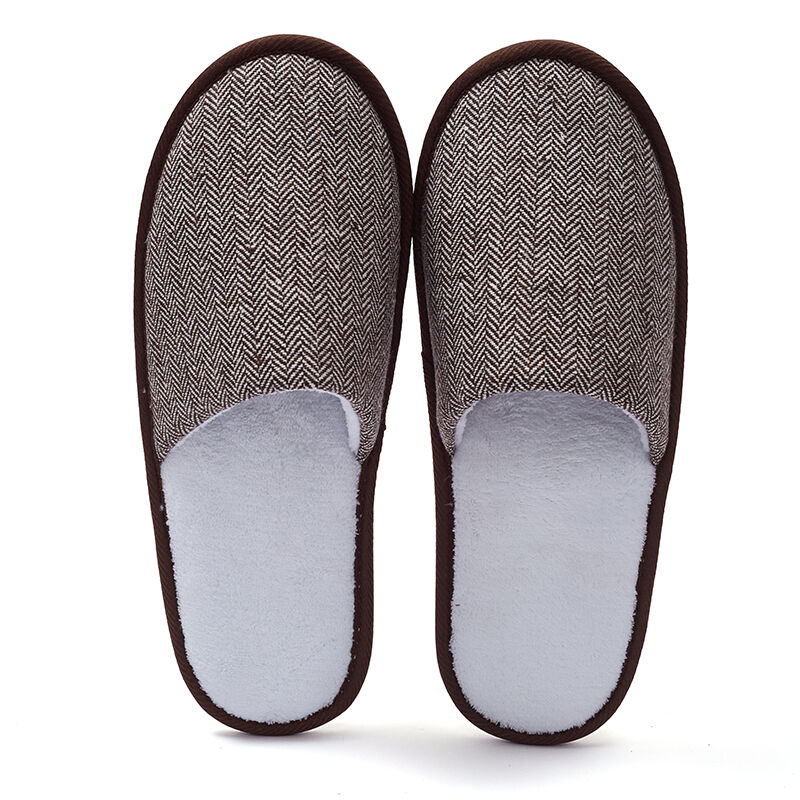
In the hospitality industry, every operational decision carries a financial weight, and guest amenities are no exception. eco friendly hotel slippers have emerged as one of the most practical tools for hotels looking to trim costs without compromising the guest experience. As sustainability becomes a core expectation among modern travelers, switching to eco friendly hotel slippers is no longer just an ethical choice — it is a financially strategic one that touches procurement, waste management, brand positioning, and long-term operational efficiency.
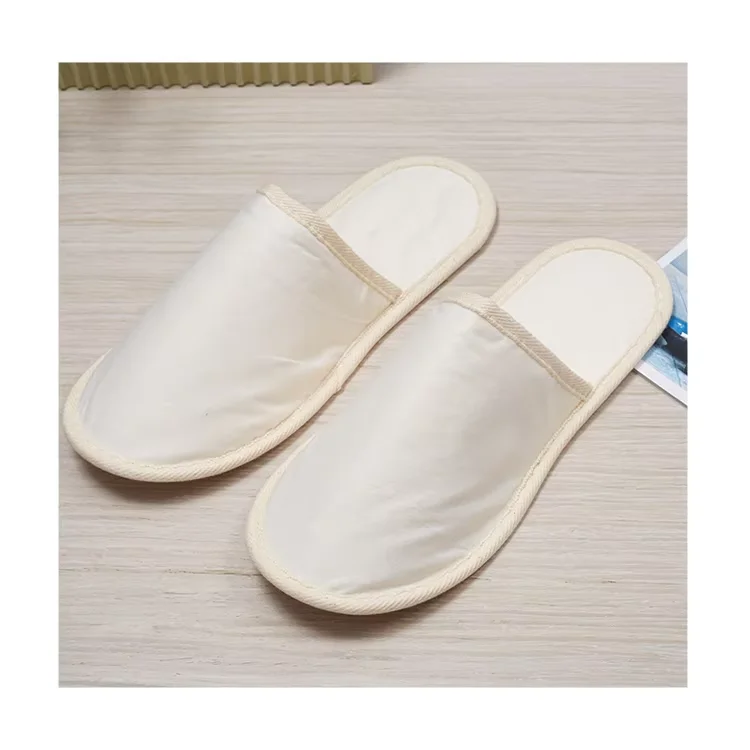
Understanding how eco friendly hotel slippers contribute to cost reduction requires looking beyond the unit price. Hotels that have made the transition report measurable savings across multiple departments, from housekeeping and laundry to procurement and waste disposal. This article breaks down the specific mechanisms through which eco friendly hotel slippers help hotels reduce costs, and why this shift makes strong business sense for properties of all sizes.
The Real Cost Structure Behind Hotel Slipper Programs
Why Traditional Slipper Programs Are More Expensive Than They Appear
Many hotel operators focus on the per-unit cost of guest slippers when evaluating their amenity budget, but this approach misses the full picture. Traditional synthetic or non-recyclable slippers carry hidden costs that accumulate over time. Disposal fees, frequent reordering cycles, and the environmental compliance costs associated with non-biodegradable waste all add up to a significantly higher total cost of ownership than the purchase price suggests.
When hotels switch to eco friendly hotel slippers made from biodegradable or sustainably sourced materials, they often find that the disposal cost per unit drops considerably. Materials such as recycled cotton, natural rubber, or plant-based fibers decompose more easily and may qualify for lower-cost waste streams in many municipalities. This alone can represent a meaningful reduction in the annual waste management budget for mid-to-large properties.
Beyond disposal, the sourcing cycle for eco friendly hotel slippers tends to be more stable. Suppliers of sustainable materials often operate on longer-term contracts and more predictable pricing models, which reduces the volatility that hotels experience when sourcing petroleum-based synthetic products subject to commodity price swings.
Bulk Procurement Advantages for Sustainable Amenities
Eco friendly hotel slippers are increasingly available through wholesale channels at competitive price points, particularly as demand from the hospitality sector has grown. Hotels that consolidate their amenity purchasing and commit to volume orders of eco friendly hotel slippers can negotiate favorable unit pricing that rivals or beats the cost of conventional alternatives.
Procurement teams that treat eco friendly hotel slippers as a standard line item rather than a premium add-on are better positioned to leverage supplier relationships for cost efficiency. Standardizing on a single eco-certified slipper model across all room categories also simplifies inventory management, reduces storage complexity, and lowers the administrative overhead associated with managing multiple SKUs.
The consolidation effect is particularly valuable for hotel groups and chains. When a brand-level decision is made to adopt eco friendly hotel slippers across multiple properties, the combined purchasing volume creates significant leverage that individual properties cannot achieve independently.
Operational Savings Driven by Eco-Friendly Slipper Design
Lighter Materials and Reduced Logistics Costs
One of the less-discussed advantages of eco friendly hotel slippers is their weight profile. Many sustainable slipper designs use lightweight natural or recycled materials that result in a lower shipping weight per unit compared to heavier synthetic alternatives. For hotels that import amenities or receive deliveries from distant distribution centers, this weight reduction translates directly into lower freight costs per order.
Over the course of a year, the cumulative freight savings from switching to lighter eco friendly hotel slippers can be substantial, especially for resort properties or island hotels where logistics costs are amplified. This is a cost lever that is easy to overlook during initial product evaluation but becomes very visible in the annual logistics budget.
Compact packaging is another design feature common among eco friendly hotel slippers. Suppliers focused on sustainability typically minimize packaging materials, which means more units fit per shipping carton and more cartons fit per pallet. This density improvement reduces the number of shipments required and lowers the cost per delivered unit further.
Housekeeping Efficiency and Reduced Replacement Rates
Eco friendly hotel slippers designed for single-use or limited-use applications are engineered to perform reliably for their intended lifespan without over-engineering that adds unnecessary cost. This design philosophy aligns well with housekeeping workflows, where slippers are replaced on a predictable schedule rather than assessed individually for wear and reuse potential.
When housekeeping staff work with eco friendly hotel slippers that have a clear and consistent disposal protocol, the time spent per room on amenity assessment decreases. Standardized eco friendly hotel slippers with simple packaging that doubles as a disposal bag or compostable wrapper further streamline the turnover process, contributing to faster room readiness and lower labor cost per room turn.
Hotels that have documented their housekeeping workflows before and after switching to eco friendly hotel slippers frequently report a modest but consistent reduction in per-room amenity handling time. Across hundreds of daily room turns, these minutes accumulate into measurable labor savings over a full operating year.
Green Certification, Guest Loyalty, and Revenue Protection
How Eco Credentials Protect Rate Integrity
Cost reduction is not only about spending less — it is also about protecting revenue. Hotels that invest in eco friendly hotel slippers as part of a broader sustainability program are better positioned to achieve and maintain green certifications that influence booking decisions. Travelers who prioritize sustainability, a segment that has grown consistently over the past decade, actively filter for certified properties when comparing options.
A hotel that can credibly claim sustainable guest amenities, including eco friendly hotel slippers, is less likely to compete purely on price. Sustainability credentials support rate integrity by giving the property a differentiated value proposition that justifies its pricing relative to less sustainable competitors. This means the cost investment in eco friendly hotel slippers contributes indirectly to revenue protection, not just expense reduction.
Green certification bodies often evaluate in-room amenities as part of their scoring criteria. Switching to eco friendly hotel slippers that meet recognized environmental standards — such as biodegradability, recycled content, or FSC-certified materials — can contribute points toward certification thresholds that unlock marketing benefits and preferred listing status on sustainability-focused booking platforms.
Guest Perception and Repeat Business Value
Guest perception of a hotel's environmental commitment is shaped by the tangible details they encounter in the room. Eco friendly hotel slippers are a visible, tactile signal of the property's values. When guests notice that their slippers are made from natural or recycled materials and packaged with minimal waste, it reinforces a positive brand impression that contributes to loyalty and repeat bookings.
The cost of acquiring a new guest is consistently higher than the cost of retaining an existing one. Hotels that use eco friendly hotel slippers as part of a coherent sustainability narrative are investing in the guest relationship in a way that supports long-term revenue efficiency. A guest who returns because they trust the brand's values is a lower-cost revenue source than one acquired through discounting or paid advertising.
Positive guest reviews that mention sustainability details, including eco friendly hotel slippers, also contribute to organic search visibility and social proof. These reviews reduce the hotel's dependence on paid channels for reputation management, which is another form of cost efficiency that originates from the amenity decision.
Waste Reduction Strategies That Lower Compliance and Disposal Costs
Biodegradable Materials and Municipal Waste Cost Implications
Hotels in many jurisdictions face increasing regulatory pressure around single-use plastics and non-biodegradable waste. Eco friendly hotel slippers made from compostable or biodegradable materials help properties stay ahead of these regulations without requiring costly operational overhauls. Proactive compliance is almost always less expensive than reactive compliance, and eco friendly hotel slippers are a low-friction way to reduce the hotel's single-use plastic footprint.
In regions where waste disposal is priced by volume or weight, biodegradable eco friendly hotel slippers that can be directed to composting or organic waste streams rather than general landfill can reduce the effective disposal cost per unit. Some municipalities offer preferential waste processing rates for certified compostable materials, which creates a direct financial incentive for hotels to specify eco friendly hotel slippers that meet composting standards.
Hotels that track their waste metrics for sustainability reporting purposes will also find that eco friendly hotel slippers improve their waste diversion rates, a key performance indicator for environmental management systems. Better waste metrics support stronger sustainability reports, which in turn support grant eligibility, investor relations, and corporate social responsibility commitments that have financial value beyond the operational budget.
Supplier Partnerships and Circular Economy Opportunities
Some suppliers of eco friendly hotel slippers offer take-back or material recovery programs that allow hotels to return used slippers for recycling or composting at scale. These programs can eliminate disposal costs entirely for participating properties, replacing a cost line with a neutral or even credit-generating activity depending on the program structure.
Engaging with suppliers who operate within a circular economy model also gives hotels access to sustainability documentation that supports their own reporting and certification needs. The value of this documentation — in terms of audit readiness, certification maintenance, and stakeholder communication — is real and should be factored into the total value calculation when evaluating eco friendly hotel slippers against conventional alternatives.
Building a supplier relationship around eco friendly hotel slippers that includes material transparency, environmental certifications, and program support creates a partnership dynamic that is more resilient and cost-stable than transactional purchasing. Hotels that invest in these relationships tend to experience fewer supply disruptions and more favorable pricing adjustments over time.
Implementation Considerations for Hotels Transitioning to Eco-Friendly Slippers
Evaluating Product Specifications Against Cost Targets
Not all eco friendly hotel slippers are created equal, and hotels should evaluate product specifications carefully to ensure that sustainability claims align with actual environmental performance. Key specifications to assess include material composition, biodegradability certification, packaging waste ratio, and compliance with relevant environmental standards. A product that carries credible third-party certification will deliver more reliable cost and compliance benefits than one with unverified claims.
Hotels should also consider the guest experience dimension of eco friendly hotel slippers during product evaluation. A slipper that is sustainable but uncomfortable or poorly constructed will generate negative guest feedback that offsets the cost savings achieved through the switch. The goal is to find eco friendly hotel slippers that meet both the environmental specification and the guest comfort standard expected at the property's service level.
Pilot testing eco friendly hotel slippers in a subset of rooms before full rollout is a low-risk way to validate both guest response and operational fit. Feedback from housekeeping staff on handling, storage, and disposal ease is as important as guest satisfaction scores during the pilot phase, since operational friction has a direct cost implication at scale.
Communicating the Change to Guests and Staff
The cost and brand benefits of eco friendly hotel slippers are maximized when the transition is communicated clearly to both guests and internal teams. Guests who understand why the hotel has chosen eco friendly hotel slippers are more likely to respond positively and to associate the choice with quality and care rather than cost-cutting. A brief in-room card or digital message explaining the environmental benefits of the slippers turns a procurement decision into a guest engagement opportunity.
Staff training on the correct handling and disposal of eco friendly hotel slippers ensures that the operational benefits are realized consistently. If housekeeping teams are not aware of the composting or recycling protocols associated with the new slippers, the waste diversion benefits will not materialize and the disposal cost savings will be lost. Training investment at the point of transition is small relative to the ongoing savings it enables.
Hotels that document and share their results — in terms of waste reduction, cost savings, and guest feedback — after switching to eco friendly hotel slippers create internal case studies that support future sustainability investments. This documentation also has external value for sustainability reports, award submissions, and media coverage that reinforces the brand's environmental positioning.
FAQ
Are eco friendly hotel slippers more expensive than conventional options?
The unit price of eco friendly hotel slippers can be comparable to or slightly higher than conventional synthetic slippers, but the total cost of ownership is often lower when disposal fees, logistics savings, and waste compliance costs are factored in. Hotels that purchase eco friendly hotel slippers in volume through wholesale channels typically achieve pricing that is competitive with non-sustainable alternatives.
What materials are commonly used in eco friendly hotel slippers?
Eco friendly hotel slippers are commonly made from materials such as recycled cotton, natural rubber, plant-based fibers, bamboo-derived fabrics, and biodegradable foam. The specific material composition varies by supplier and product line, and hotels should request material data sheets and environmental certifications to verify the sustainability credentials of any eco friendly hotel slippers they are considering.
How do eco friendly hotel slippers support green certification programs?
Many green certification programs for hotels evaluate in-room amenities as part of their scoring criteria. Eco friendly hotel slippers that meet recognized standards for biodegradability, recycled content, or sustainable sourcing can contribute to certification thresholds. Hotels should confirm with their certification body which specific attributes of eco friendly hotel slippers are recognized under the applicable scoring framework.
Can switching to eco friendly hotel slippers improve guest satisfaction scores?
Yes, when the transition is communicated effectively and the product meets guest comfort expectations, eco friendly hotel slippers can positively influence guest satisfaction scores. Guests who value sustainability respond well to visible eco-conscious choices in the room, and eco friendly hotel slippers are a tangible detail that reinforces the hotel's environmental commitment in a way that guests directly experience.
Table of Contents
- The Real Cost Structure Behind Hotel Slipper Programs
- Operational Savings Driven by Eco-Friendly Slipper Design
- Green Certification, Guest Loyalty, and Revenue Protection
- Waste Reduction Strategies That Lower Compliance and Disposal Costs
- Implementation Considerations for Hotels Transitioning to Eco-Friendly Slippers
- FAQ