
 EN
EN
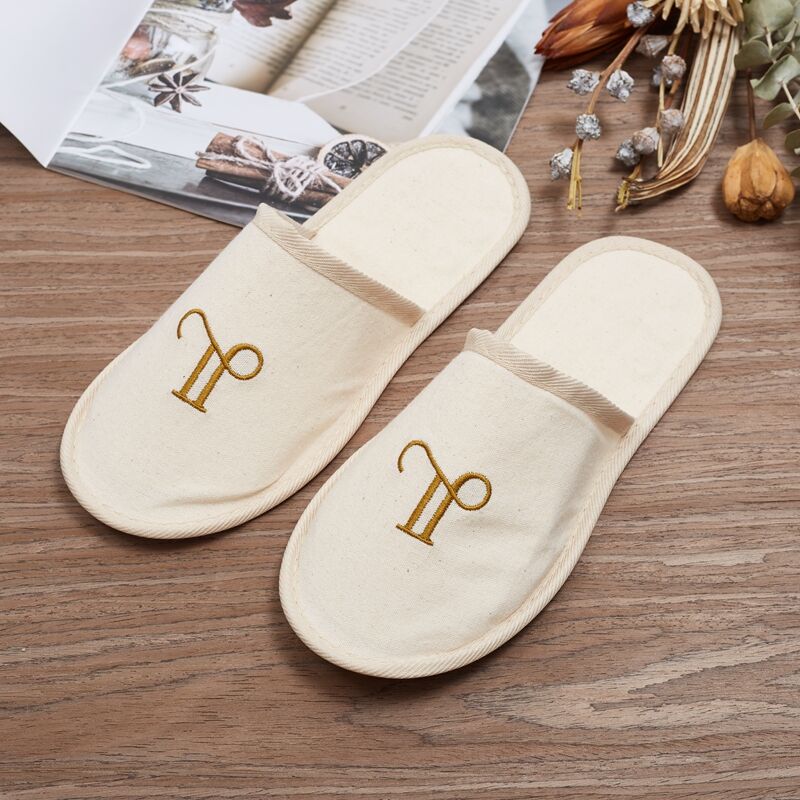
In the hospitality industry, every detail contributes to the overall guest experience, and one often-overlooked element that plays a significant role is footwear provided in guest rooms. Hotel disposable slippers have become a standard amenity in properties ranging from boutique hotels to large international chains, serving both functional and experiential purposes. These lightweight, single-use footwear items offer numerous benefits that extend beyond simple comfort, addressing hygiene concerns, operational efficiency, brand perception, and guest satisfaction in measurable ways. Understanding the specific advantages of incorporating hotel disposable slippers into your property's amenity program can help hospitality managers make informed decisions that enhance service quality while managing costs effectively.
The adoption of disposable slippers in hotel environments reflects a broader shift toward prioritizing guest wellness, cleanliness standards, and personalized comfort. Unlike reusable footwear options that require extensive cleaning protocols and carry potential cross-contamination risks, hotel disposable slippers provide a fresh, untouched experience for each arriving guest. This approach aligns with modern traveler expectations for hygiene transparency, particularly in a post-pandemic landscape where cleanliness standards have become a primary decision factor for accommodation selection. Beyond hygiene, these amenities offer practical advantages in inventory management, maintenance reduction, branding opportunities, and environmental responsibility when sourced thoughtfully. The following sections explore the multifaceted benefits that make hotel disposable slippers an essential component of contemporary hospitality operations.
Enhanced Hygiene and Guest Safety Standards
Superior Sanitation Through Single-Use Design
The most compelling advantage of hotel disposable slippers lies in their inherent hygienic properties. Each pair is individually packaged and intended for single-guest use, eliminating any possibility of cross-contamination between visitors. This one-time use model provides absolute assurance that no previous guest has worn the footwear, addressing a significant concern that many travelers harbor about shared amenities. In bathroom and spa environments where moisture and bacteria thrive, hotel disposable slippers create a protective barrier between bare feet and potentially contaminated surfaces, reducing the risk of fungal infections, plantar warts, and other foot-related health issues. The sealed packaging further ensures that the slippers remain untouched from manufacturing through to guest use, maintaining pristine condition throughout the supply chain.
This hygiene advantage becomes particularly valuable in wellness-focused properties such as resort spas, hot spring hotels, and health-oriented accommodations where guests specifically seek clean, therapeutic environments. The visible newness of disposable slippers communicates a commitment to cleanliness that guests can immediately perceive and appreciate. Unlike cloth slippers that may appear clean but carry invisible wear or microbial presence, hotel disposable slippers offer transparent, verifiable freshness. This visible hygiene standard helps establish trust with guests from the moment they enter their room, setting a positive tone for their entire stay. Properties that emphasize their use of single-use amenities in marketing materials can differentiate themselves in competitive markets where sanitation has become a key booking consideration.
Reduced Disease Transmission Risks
Beyond general cleanliness, hotel disposable slippers play a meaningful role in infection control protocols, particularly relevant during flu seasons or public health concerns. Shared footwear can serve as vectors for various pathogens, including bacteria, viruses, and fungi that thrive in warm, moist environments. By providing fresh slippers to each guest, hotels eliminate this transmission pathway entirely, contributing to overall property health safety. This becomes especially critical in properties serving immunocompromised guests, elderly travelers, or families with young children who may be more susceptible to infections. The disposable nature ensures that any potential contaminants are removed from circulation after a single use rather than being repeatedly disinfected with varying degrees of effectiveness.
Hotels implementing comprehensive sanitation programs find that hotel disposable slippers integrate seamlessly with broader infection prevention strategies. These items complement enhanced cleaning protocols, touchless technologies, and air quality improvements that collectively create safer guest environments. During health crises or epidemic situations, the ability to guarantee completely fresh footwear provides both actual protection and psychological reassurance to concerned travelers. This advantage extends to staff safety as well, since housekeeping teams do not need to handle, clean, or sanitize used footwear, reducing their exposure to potential contaminants. The disposable model simplifies compliance with health department regulations and industry safety standards, making documentation and verification of hygiene practices more straightforward during inspections or certifications.
Operational Efficiency and Cost Management Benefits
Streamlined Housekeeping and Maintenance Processes
From an operational standpoint, hotel disposable slippers significantly reduce the workload burden on housekeeping departments compared to reusable alternatives. Traditional cloth slippers require collection, sorting, washing, drying, inspection for wear, and redistribution—a multi-step process that consumes considerable staff time and laundry resources. By contrast, disposable options simply need to be removed during room cleaning and replaced with fresh pairs from inventory, streamlining the turnover process between guests. This time savings allows housekeeping staff to focus attention on more complex cleaning tasks that directly impact room quality, improving overall service efficiency. The simplified workflow also reduces training requirements for new staff members, who can quickly learn the straightforward replacement procedure without mastering complex laundry protocols or quality inspection criteria.
The elimination of laundry processing for slippers generates measurable cost savings in water consumption, energy usage, detergent expenses, and equipment wear. Industrial washing and drying cycles required for fabric footwear contribute to utility bills and environmental impact, costs that accumulate substantially across properties with hundreds of rooms turning over daily. Hotel disposable slippers bypass this entire infrastructure, allowing properties to allocate laundry capacity toward linens and towels that genuinely require commercial cleaning. Additionally, the disposable model removes concerns about slipper degradation, color fading, or elastic loosening that necessitate premature replacement of reusable options. While the per-unit cost of disposable slippers may appear higher initially, comprehensive cost analysis typically reveals favorable economics when factoring in labor, utilities, equipment maintenance, and replacement frequency associated with reusable alternatives.
Simplified Inventory Management and Storage
Inventory control becomes considerably more manageable with hotel disposable slippers due to their compact packaging, extended shelf life, and predictable consumption patterns. Unlike fabric slippers that require sizing assortments and periodic replacement due to wear, disposable versions typically come in universal or limited size ranges and can be stored efficiently for extended periods without degradation. This reduces the complexity of stock management, minimizes the need for extensive storage space, and allows for more accurate demand forecasting based on occupancy rates. Housekeeping supervisors can easily track inventory levels, establish reorder points, and maintain appropriate par levels without dealing with the variability introduced by laundering cycles or unexpected damage to reusable items.
The standardized nature of hotel disposable slippers also simplifies procurement processes, enabling properties to establish reliable supplier relationships with consistent quality and pricing. Bulk purchasing becomes more straightforward when dealing with non-perishable, uniformly packaged items that can be ordered quarterly or semi-annually rather than requiring frequent replenishment due to laundering losses or quality degradation. This procurement efficiency translates to better negotiating positions with suppliers and reduced administrative overhead in managing vendor relationships. For hotel chains with multiple properties, centralized purchasing of disposable slippers creates economies of scale while ensuring brand consistency across locations, something more difficult to achieve with varied reusable slipper styles that may have different suppliers or availability issues.
Guest Experience Enhancement and Satisfaction Impact
Perceived Value and Premium Positioning
The presence of hotel disposable slippers in guest rooms significantly influences how visitors perceive property quality and attention to detail. These amenities signal that management prioritizes guest comfort and has invested in providing thoughtful touches that enhance the stay experience. Even though slippers represent a relatively modest cost item, their psychological impact on guest satisfaction is disproportionately positive, creating an impression of luxury and care that influences overall stay ratings. Guests interpret the provision of fresh slippers as evidence that the property anticipates their needs and values their comfort, contributing to the premium positioning that justifies higher room rates. This perceived value becomes particularly important in competitive markets where properties differentiate primarily through service quality rather than physical features alone.
Many travelers have come to expect hotel disposable slippers as a standard amenity in upscale and mid-range properties, and their absence can create disappointment or the perception of inadequate service. By meeting and exceeding these expectations, hotels enhance their reputation and increase the likelihood of positive reviews on travel platforms where amenity mentions frequently appear in guest feedback. The slippers serve as tangible evidence of hospitality that guests can immediately use and appreciate, unlike abstract service promises. Furthermore, attractive packaging and quality materials elevate the amenity from functional necessity to experiential delight, creating memorable touchpoints that guests associate with the property brand. Some guests even keep disposable slippers as travel souvenirs or use them during their journey home, extending brand exposure beyond the property boundaries.
Comfort and Convenience Across Property Areas
Hotel disposable slippers provide guests with comfortable footwear options that facilitate movement throughout the property while maintaining relaxation. Travelers can wear them from their rooms to breakfast areas, fitness centers, pools, spas, or other facilities without needing to put on outdoor shoes, enhancing the convenience and comfort of their stay. This ease of movement encourages greater utilization of hotel amenities, potentially increasing revenue from food and beverage outlets, spa services, and other facilities. The lightweight, flexible nature of quality disposable slippers makes them ideal for quick transitions between spaces, supporting the relaxed, vacation mindset that many guests seek during their travels.
The comfort factor becomes especially important for business travelers who spend extended periods in their rooms working and appreciate having footwear that allows them to move comfortably without the formality of dress shoes or the inconvenience of barefoot walking. Hotel disposable slippers accommodate various foot sizes reasonably well through open-toe designs or flexible materials that adapt to different dimensions, reducing fit complaints common with fixed-size reusable options. For guests with mobility considerations or foot sensitivities, having clean, soft slippers available immediately upon arrival eliminates the need to unpack personal footwear for in-room use. This attention to comfort details contributes measurably to guest satisfaction scores and influences repeat booking decisions, particularly among frequent travelers who develop preferences based on cumulative experience with property amenities.
Branding Opportunities and Marketing Advantages
Customization for Brand Recognition
Hotel disposable slippers present valuable opportunities for brand reinforcement through customization options that keep property identity visible throughout the guest experience. Many suppliers offer printing or embroidering services that allow hotels to add logos, property names, or design elements to slipper surfaces or packaging, transforming a functional amenity into a marketing tool. This branded presence in the intimate space of guest rooms creates repeated exposure to property identity in a positive context associated with comfort and care. Unlike promotional materials that guests may ignore or discard, slippers that guests actively use and appreciate carry branding messages in a non-intrusive, value-adding manner that builds positive associations with the hotel brand.
The customization potential extends beyond simple logo placement to include color schemes that match property aesthetics, materials that reflect brand positioning (luxury, eco-conscious, practical), and packaging designs that communicate brand personality. Boutique hotels and luxury properties particularly benefit from distinctive slipper designs that become recognizable signature amenities, discussed in reviews and social media posts. Some guests photograph attractive hotel disposable slippers as part of their travel documentation, creating organic social media content that provides free marketing exposure. For hotel chains, consistent slipper design across properties reinforces brand recognition and creates familiarity for frequent guests, while allowing individual properties some flexibility in packaging or minor design elements to reflect local character or special themes.
Differentiation in Competitive Markets
In saturated hospitality markets where properties compete intensely for guest attention, superior amenities like high-quality hotel disposable slippers can provide meaningful differentiation. Properties that invest in premium materials, thoughtful design, or unique features distinguish themselves from competitors offering basic or no slipper options. This differentiation becomes a talking point in property descriptions, sales presentations, and guest communications, helping establish a quality reputation that justifies premium positioning. Hotels can highlight their slipper amenities in pre-arrival communications, on-property signage, and post-stay follow-ups, ensuring guests recognize and appreciate the thoughtful provision.
The strategic advantage extends to specific market segments particularly attuned to amenity quality, including luxury travelers, wellness tourists, and hygiene-conscious visitors who actively seek properties with superior cleanliness standards. By featuring hotel disposable slippers prominently in marketing materials and booking platform descriptions, properties can attract these valuable segments and command rate premiums based on perceived service excellence. Some hotels create amenity packages or room categories specifically highlighting enhanced comfort features including premium slippers, allowing for tiered pricing that captures additional revenue from guests willing to pay for superior experiences. This merchandising approach transforms slippers from basic amenities into value-added features that contribute directly to revenue optimization strategies.
Environmental Considerations and Sustainable Practices
Eco-Friendly Material Options
Modern hotel disposable slippers increasingly incorporate environmentally responsible materials that address sustainability concerns without sacrificing hygiene benefits. Many suppliers now offer options made from biodegradable materials, recycled fibers, or plant-based fabrics that minimize environmental impact compared to traditional synthetic disposables. These eco-friendly alternatives decompose more readily in landfill conditions or can be composted under appropriate circumstances, significantly reducing the long-term waste footprint of slipper programs. Properties committed to sustainability can select materials like bamboo fiber, organic cotton, or biodegradable non-woven fabrics that maintain the hygiene advantages of single-use items while aligning with environmental values that resonate with increasingly eco-conscious travelers.
The availability of sustainable hotel disposable slippers allows properties to balance guest expectations for fresh amenities with environmental responsibility, avoiding the false choice between hygiene and sustainability. Some innovative materials even offer performance advantages alongside environmental benefits, such as enhanced breathability, moisture-wicking properties, or superior softness that elevates guest comfort. Hotels can communicate their use of eco-friendly disposable slippers in sustainability reports, green certification applications, and marketing materials targeting environmentally aware travelers. This messaging demonstrates that the property takes a nuanced approach to sustainability, recognizing that some disposable items serve important hygiene functions while still prioritizing environmental responsibility through thoughtful material selection. The growing availability of genuinely sustainable options makes it increasingly feasible for hotels to maintain high cleanliness standards without compromising environmental commitments.
Waste Reduction Through Proper Sourcing
Thoughtful procurement strategies can further minimize the environmental impact of hotel disposable slippers while maintaining their operational and hygiene advantages. Properties can work with suppliers who use minimal packaging, avoid excessive plastic wrapping, or provide bulk packaging options that reduce per-unit waste. Some manufacturers have developed innovative packaging solutions using recyclable materials or designing boxes that serve secondary purposes in housekeeping operations, extending product life cycles beyond immediate slipper use. Hotels can also consider suppliers with transparent supply chains that document sustainable forestry practices, ethical labor conditions, and efficient manufacturing processes that minimize energy consumption and emissions.
The environmental calculus of hotel disposable slippers becomes more favorable when compared comprehensively against reusable alternatives. While disposables create solid waste, reusable slippers consume substantial water, energy, and chemical detergents throughout their use cycle, with environmental costs that accumulate with each laundering. Life cycle analyses often reveal that well-sourced disposable options have competitive or even superior environmental profiles when all factors are considered, particularly in regions facing water scarcity where laundry operations carry significant ecological costs. Hotels can optimize their environmental performance by right-sizing slipper provision—offering them to guests who want them rather than automatically placing them in every room—and ensuring proper disposal channels that maximize recycling or composting opportunities where infrastructure exists. This strategic approach allows properties to provide the hygiene and convenience benefits of disposable slippers while minimizing environmental impact through intelligent sourcing and thoughtful implementation.
FAQ
How often should hotel disposable slippers be replaced in guest rooms?
Hotel disposable slippers should be replaced with each new guest arrival, as their fundamental purpose is to provide a fresh, hygienic amenity for every visitor. During extended stays, housekeeping staff typically replace slippers every two to three days as part of regular room servicing, or upon guest request if the original pair becomes soiled or damaged. Properties should never reuse disposable slippers between different guests, as this defeats their primary hygiene advantage and creates potential health and liability concerns. The single-use nature is what distinguishes hotel disposable slippers from reusable alternatives and justifies their role in modern hospitality hygiene protocols.
Can hotel disposable slippers accommodate guests with different foot sizes?
Most hotel disposable slippers are designed with flexibility to accommodate a range of foot sizes through open-toe designs, stretchy materials, or adjustable features that adapt to different dimensions. Standard sizes typically fit the majority of adult guests comfortably, though some properties stock multiple size options to better serve guests with particularly small or large feet. The lightweight, flexible construction of quality disposable slippers allows them to conform reasonably well to various foot shapes without the rigid sizing constraints of traditional footwear. Properties serving diverse international clienteles may benefit from offering a size selection available upon request, ensuring all guests can enjoy comfortable in-room footwear regardless of their specific measurements.
What materials are commonly used in hotel disposable slippers?
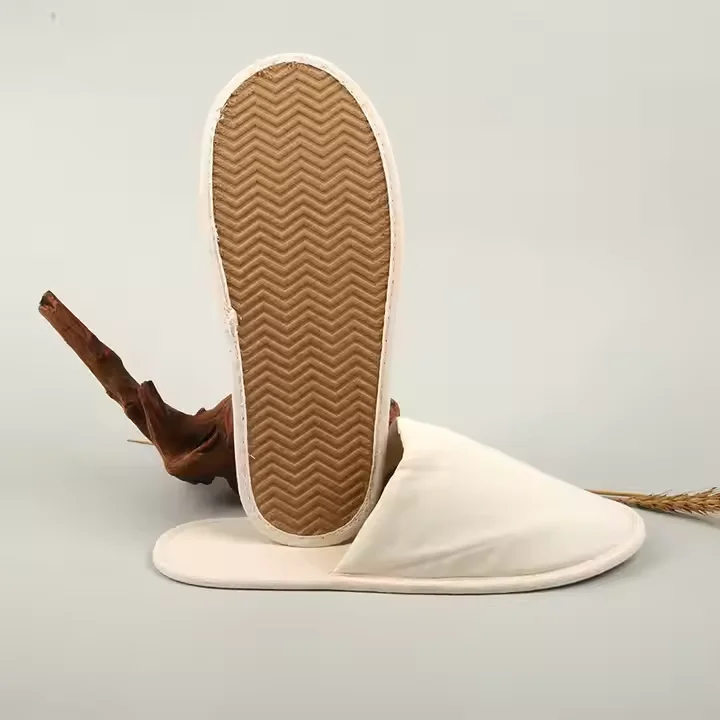
Hotel disposable slippers are manufactured from various materials depending on quality tier and sustainability priorities, with common options including non-woven fabrics, cotton blends, terry cloth, waffle weave textiles, and synthetic fibers like polyester or polypropylene. Premium versions may incorporate natural materials such as bamboo fiber, organic cotton, or linen that offer superior comfort and environmental profiles. The sole components typically use EVA foam, felt, or thin rubber layers that provide cushioning and slip resistance without adding excessive bulk. Increasingly, manufacturers are developing biodegradable and recycled material options that maintain functionality while addressing environmental concerns, giving hotels sustainable choices that align with corporate responsibility goals without sacrificing the hygiene benefits that make disposable slippers valuable amenities.
Do hotel disposable slippers provide adequate support for extended wear?
While hotel disposable slippers prioritize lightweight comfort and hygiene over orthopedic support, quality versions provide adequate cushioning for typical in-room and property facility use throughout a guest's stay. They are designed for indoor environments and light activity rather than extended walking or outdoor use, making them suitable for their intended purpose of comfortable movement within the hotel. Guests requiring specialized foot support for medical reasons should use their personal orthopedic footwear, but for general comfort during relaxation, sleeping, and short walks to property amenities, well-constructed disposable slippers serve effectively. Premium hotel disposable slippers with enhanced sole padding and anatomical shaping offer improved support that approaches the comfort level of dedicated house slippers while maintaining the hygiene advantages and operational efficiency of the disposable format.