
 EN
EN

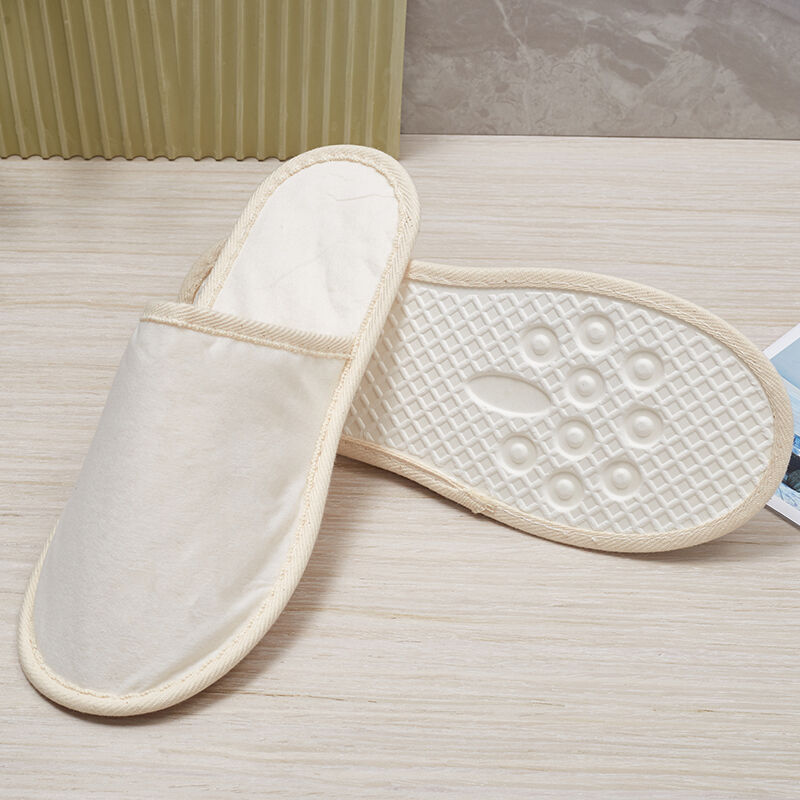
Guest satisfaction stands as the cornerstone of hospitality success, and hoteliers continuously seek practical methods to enhance every touchpoint of the guest experience. Among the seemingly minor amenities that carry disproportionate impact, hotel disposable slippers have emerged as a strategic tool for elevating comfort perceptions and driving positive reviews. These simple footwear items influence how guests perceive cleanliness standards, attention to detail, and overall hospitality quality from the moment they enter their rooms. Understanding how hotel disposable slippers function as satisfaction drivers requires examining their psychological impact, hygiene reassurance value, and role in creating memorable stay experiences that translate into loyalty and positive word-of-mouth.
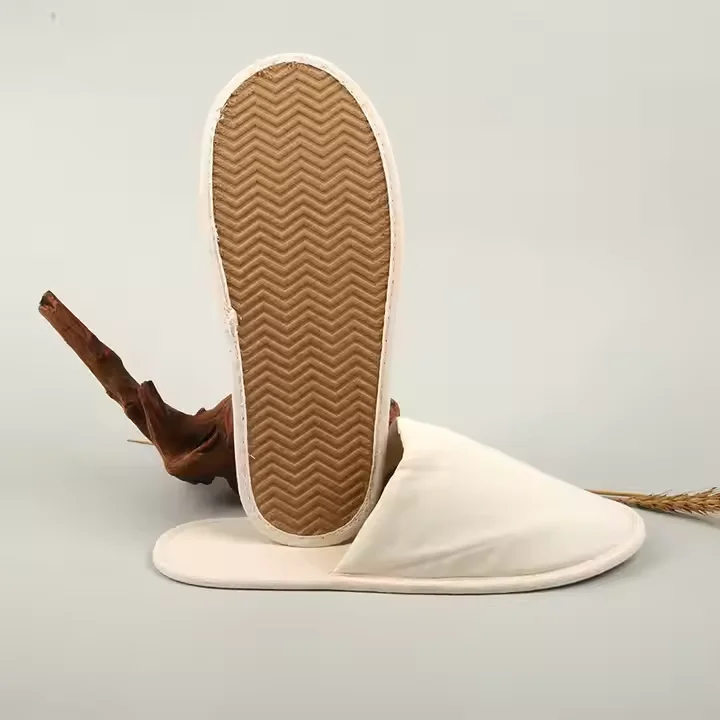
The provision of quality hotel disposable slippers addresses multiple guest needs simultaneously, functioning as both a practical amenity and a subtle signal of hospitality standards. When guests find fresh, properly packaged slippers waiting in their rooms, they experience an immediate sense of being cared for and valued. This initial positive impression sets the tone for their entire stay, creating a psychological foundation that colors subsequent experiences. The strategic deployment of disposable slippers within hotel amenity programs demonstrates how small investments in guest comfort can yield substantial returns in satisfaction metrics, review ratings, and repeat booking rates across diverse property types and market segments.
The Psychological Impact of Hotel Disposable Slippers on Guest Perception
Creating Immediate Comfort Signals Upon Room Entry
The presence of hotel disposable slippers generates an instant comfort signal that shapes guest perception within the critical first moments of room entry. Hospitality research consistently demonstrates that initial impressions formed during the first fifteen minutes in a guest room significantly influence overall satisfaction ratings. When travelers discover thoughtfully placed slippers, they subconsciously register the hotel's attention to personal comfort needs, triggering positive emotional responses that extend beyond the functional value of the footwear itself. This psychological mechanism operates particularly powerfully among business travelers and international guests who associate such amenities with premium service standards.
The comfort signal transmitted by hotel disposable slippers connects to deeper human needs for safety and cleanliness in unfamiliar environments. Guests entering hotel rooms instinctively assess hygiene standards through visible cues, and individually wrapped slippers provide tangible evidence of sanitation protocols. This visual reassurance reduces unconscious anxiety about floor cleanliness and pathogen exposure, allowing guests to relax more fully. Properties that understand this psychological dynamic position their hotel disposable slippers prominently, ensuring immediate visibility that maximizes their psychological impact on arrival experience.
Enhancing the Perception of Luxury and Attention to Detail
Quality hotel disposable slippers elevate guest perceptions of luxury by demonstrating meticulous attention to details that extend beyond basic necessities. In competitive hospitality markets, properties differentiate themselves through accumulated small touches that collectively signal premium positioning. Disposable slippers function as visible markers of this commitment, particularly when they feature soft materials, thoughtful design, and attractive packaging. Guests consciously and unconsciously compare amenity offerings across properties, and the presence of comfortable slippers influences their mental categorization of hotel quality tiers.
The luxury perception generated by hotel disposable slippers extends beyond the items themselves to reflect overall service philosophy. When guests encounter slippers alongside other carefully curated amenities, they infer systematic attention to comfort across all operational aspects. This inference strengthens confidence in housekeeping standards, maintenance quality, and staff training levels. Properties serving business clientele and upscale leisure travelers particularly benefit from this halo effect, as these guest segments actively seek evidence of comprehensive quality commitment that justifies premium rates and influences future booking decisions.
Building Emotional Connections Through Thoughtful Amenities
The provision of hotel disposable slippers contributes to emotional connection building by addressing unspoken guest needs in ways that create pleasant surprises. Many travelers do not consciously expect slippers but experience genuine delight upon finding them, triggering positive emotional responses that strengthen affinity toward the property. This surprise-and-delight mechanism proves particularly effective because it exceeds baseline expectations without requiring guests to request additional services. The emotional impact multiplies when slippers feature superior comfort or eco-friendly materials that align with guest values.
Emotional connections formed through thoughtful amenity provision translate directly into loyalty behaviors and advocacy. Guests who feel genuinely cared for through small comforts like hotel disposable slippers demonstrate higher propensity to leave positive reviews, recommend properties to colleagues and friends, and select the same hotel for future visits. These emotional bonds prove especially valuable in markets with abundant accommodation options, where rational differentiators like location and price converge across competitors. Properties that strategically leverage disposable slippers as relationship-building tools recognize their role in creating memorable moments that transcend transactional hospitality interactions.
Hygiene Assurance and Cleanliness Perception Through Disposable Footwear
Addressing Post-Pandemic Heightened Cleanliness Expectations
The global health crisis fundamentally transformed guest expectations regarding hotel hygiene standards, with cleanliness concerns now ranking among the top three booking decision factors across all traveler segments. Hotel disposable slippers directly address these heightened expectations by providing visible, tangible evidence of sanitation protocols that reassure health-conscious guests. The individually sealed packaging of quality slippers communicates that no previous guest has contacted the footwear, eliminating cross-contamination concerns that increasingly influence satisfaction ratings. Properties that prominently feature sealed disposable slippers effectively signal their responsiveness to evolved guest priorities.
Post-pandemic traveler behavior reveals sustained preference for single-use amenities that minimize shared surface contact and perceived infection risk. Hotel disposable slippers satisfy this preference while maintaining comfort standards that reusable alternatives struggle to match given laundering concerns. Guest surveys consistently show that travelers associate disposable slippers with superior hygiene compared to cloth alternatives, even when hotels implement rigorous washing protocols. This perception gap underscores the psychological power of visible cleanliness signals, making disposable options strategically valuable for properties seeking to maximize satisfaction scores in an environment where hygiene perceptions directly impact revenue performance.
Reducing Guest Anxiety About Floor Contamination
Floor cleanliness represents a persistent source of guest anxiety in hotel environments, where thousands of visitors track diverse contaminants through corridors and rooms. Hotel disposable slippers alleviate this concern by creating a protective barrier that allows guests to move comfortably without direct floor contact. This practical function addresses both rational health considerations and emotional discomfort, particularly among guests who prefer not to walk barefoot on hotel carpets or flooring. The availability of fresh slippers transforms potentially anxious floor interactions into comfortable, worry-free movement throughout the room.
The anxiety-reduction function of hotel disposable slippers proves especially valuable for international travelers and business guests who spend extended periods working in rooms. These segments frequently remove street shoes to enhance comfort during long work sessions, but hesitate to go barefoot due to cleanliness uncertainty. Disposable slippers resolve this dilemma elegantly, enabling relaxed productivity without hygiene compromise. Properties serving extended-stay guests and corporate travelers recognize that such seemingly minor comfort enablers significantly influence overall satisfaction and willingness to recommend the property for future business travel programs.
Communicating Comprehensive Sanitation Standards
The presence of sealed hotel disposable slippers functions as a communication device that signals broader sanitation commitments extending beyond visible surfaces. Guests who observe attention to footwear hygiene infer similar diligence in less visible cleaning areas like bathroom fixtures, bedding protocols, and air quality management. This inference mechanism makes disposable slippers strategically valuable as trust-building elements within comprehensive cleanliness communication strategies. Properties that combine quality slippers with visible sanitation certifications and cleaning protocol information create synergistic reassurance that maximizes confidence and satisfaction.
The communicative power of hotel disposable slippers extends to online reputation management, where cleanliness mentions directly correlate with booking conversion rates and revenue per available room. Guests who feel reassured by sanitation signals including fresh slippers frequently reference these details in positive reviews, creating valuable content that influences prospective bookers. Review analysis reveals that mentions of thoughtful hygiene amenities increase perceived property value and justify premium pricing in competitive markets. Hoteliers who understand this connection invest strategically in visible cleanliness signals that generate measurable returns through enhanced reputation and rate optimization opportunities.
Comfort Enhancement and the Role of Quality Materials
Material Selection Impact on Perceived Value
The materials comprising hotel disposable slippers dramatically influence guest perception of overall amenity quality and property positioning. Budget-grade slippers constructed from thin, uncomfortable materials actively detract from satisfaction, creating negative impressions that undermine other positive room features. Conversely, slippers featuring soft linings, adequate cushioning, and durable construction signal premium positioning and generate genuine appreciation. Material quality becomes particularly noticeable during extended wear periods, with comfortable options enabling guests to remain relaxed throughout their stay while uncomfortable alternatives prompt removal and negative association formation.
Guest sensitivity to slipper material quality reflects broader expectations regarding hospitality standards and value delivery. Travelers increasingly evaluate hotels through accumulated detail impressions rather than isolated feature assessments, meaning that substandard hotel disposable slippers can diminish perceptions of otherwise excellent properties. Material selection therefore represents a strategic decision that extends beyond cost considerations to encompass brand positioning and competitive differentiation. Properties targeting upscale segments particularly benefit from investing in premium materials that align with overall luxury positioning and justify rate premiums through comprehensive quality delivery.
Cushioning and Support for All-Day Comfort
Adequate cushioning transforms hotel disposable slippers from basic foot coverings into genuine comfort enhancers that improve guest experiences throughout their stays. Well-cushioned slippers enable comfortable movement during morning routines, work sessions, and evening relaxation periods without the fatigue or discomfort associated with thin-soled alternatives. This functional superiority proves especially valuable for business travelers who spend considerable time working in rooms and leisure guests who appreciate the ability to move comfortably between room areas without donning street shoes.
The support characteristics of quality hotel disposable slippers address diverse guest needs across age groups and physical conditions. Elderly travelers and guests with foot sensitivities particularly value slippers offering adequate arch support and shock absorption that prevent discomfort during room navigation. Properties that select slippers with enhanced cushioning demonstrate awareness of guest diversity and commitment to inclusive comfort provision. This attention to varied needs strengthens satisfaction across demographic segments and reduces negative experiences that might otherwise result from inadequate footwear options during extended room occupancy periods.
Temperature Regulation and Seasonal Adaptability
Temperature management capabilities distinguish premium hotel disposable slippers from basic alternatives, with breathable materials preventing overheating while providing adequate warmth on cool flooring surfaces. Guests experience significant comfort variation based on slipper temperature properties, particularly in climates with extreme seasonal temperature ranges or properties with tile and stone flooring that feels uncomfortably cold. Slippers incorporating breathable fabrics and moisture-wicking properties maintain comfort across diverse environmental conditions, eliminating the need for seasonal inventory variations while maximizing year-round satisfaction.
The seasonal adaptability of well-designed hotel disposable slippers reduces operational complexity while ensuring consistent guest comfort regardless of ambient conditions. Properties operating in variable climates benefit from selecting slippers that perform adequately in both warm and cool seasons, avoiding the inventory management challenges and cost implications of maintaining separate seasonal stocks. This operational efficiency combines with guest satisfaction benefits to create compelling value propositions for investing in higher-quality temperature-regulating materials that deliver superior performance across the full range of environmental conditions encountered throughout annual operating cycles.
Strategic Implementation for Maximum Satisfaction Impact
Optimal Placement and Presentation Techniques
The positioning and presentation of hotel disposable slippers significantly influence their impact on guest satisfaction, with strategic placement ensuring immediate discovery and maximum psychological effect. Optimal positioning varies by room layout but generally involves visible placement near the entry area or beside the bed where guests naturally look upon arrival or when preparing to relax. Clear visibility eliminates the frustration of searching for amenities and ensures that the positive impression occurs during the critical initial room assessment period when satisfaction foundations form.
Presentation quality amplifies the satisfaction impact of hotel disposable slippers through packaging aesthetics and arrangement thoughtfulness. Slippers displayed in attractive, individually sealed packages convey premium positioning and hygiene assurance more effectively than loose or poorly wrapped alternatives. Some properties enhance presentation through small amenity baskets or welcome displays that group slippers with other comfort items, creating cohesive luxury impressions. The investment in thoughtful presentation yields returns through strengthened brand perception and differentiation in markets where multiple properties offer similar base amenities but vary in execution quality.
Integration with Comprehensive Amenity Programs
Maximum satisfaction impact occurs when hotel disposable slippers function as components within comprehensive amenity programs rather than isolated offerings. Strategic integration involves coordinating slippers with complementary comfort items like robes, premium toiletries, and bedding to create holistic luxury experiences that exceed guest expectations. This systems approach to amenity provision generates satisfaction synergies where the combined impact exceeds the sum of individual elements, creating memorable stays that drive loyalty and positive word-of-mouth.
Integration effectiveness depends on maintaining quality consistency across all amenity categories, as disparities between premium and budget items create cognitive dissonance that undermines overall impressions. Properties offering luxury hotel disposable slippers alongside substandard toiletries or worn linens confuse guests and dilute brand positioning. Successful integration requires aligning all guest-facing elements with target positioning and ensuring that quality standards remain consistent throughout the amenity portfolio. This comprehensive approach maximizes return on amenity investments by creating coherent luxury narratives that justify premium rates and strengthen competitive differentiation.
Staff Training for Amenity Value Communication
Front-line staff training amplifies the satisfaction impact of hotel disposable slippers by ensuring that team members effectively communicate amenity value during guest interactions. Trained staff members can highlight slipper availability during check-in conversations, particularly when serving first-time guests unfamiliar with property offerings. This proactive communication prevents missed opportunities where guests overlook slippers and fail to benefit from their comfort and hygiene advantages. Effective training transforms passive amenity provision into active satisfaction enhancement that demonstrates attentive service.
Staff knowledge regarding hotel disposable slippers enables responsive service when guests request additional pairs or express specific preferences regarding footwear options. Empowered team members who understand the strategic importance of amenities can accommodate reasonable requests that strengthen satisfaction and demonstrate flexibility. Training programs that emphasize the connection between small amenity touches and overall guest experience quality create service cultures where every team member recognizes their role in satisfaction delivery. This cultural alignment ensures consistent execution that maximizes the return on amenity investments across all guest interactions and operational touchpoints.
Measuring Satisfaction Impact and Optimizing Slipper Programs
Tracking Mention Frequency in Guest Feedback
Systematic monitoring of guest feedback reveals the satisfaction impact of hotel disposable slippers through mention frequency analysis in reviews, surveys, and direct comments. Properties that track amenity references gain valuable insights into which elements guests notice and appreciate most, enabling data-driven optimization of amenity budgets and selection criteria. Positive slipper mentions in reviews signal successful implementation while absence of references may indicate presentation issues, quality concerns, or guest unawareness that requires operational adjustment.
Advanced feedback analysis examines sentiment patterns associated with hotel disposable slippers to identify improvement opportunities and competitive advantages. Natural language processing tools can categorize feedback into quality dimensions like comfort, cleanliness, and presentation, revealing specific strengths and weaknesses that inform procurement decisions. Properties discovering consistent praise for slipper comfort can leverage this strength in marketing communications, while those encountering criticism regarding quality can justify investments in superior alternatives. This evidence-based approach to amenity management ensures that resources flow toward elements generating measurable satisfaction returns.
Correlation Analysis Between Amenities and Overall Ratings
Statistical analysis of the relationship between amenity provision and overall satisfaction scores quantifies the value contribution of hotel disposable slippers within broader guest experience frameworks. Properties conducting correlation studies frequently discover that seemingly minor amenities exert disproportionate influence on overall ratings, particularly when they address hygiene concerns or comfort needs. These findings justify continued investment in quality slippers even during cost-reduction pressures, as the satisfaction impact typically exceeds the modest per-room expense involved in providing premium options.
Correlation insights enable sophisticated amenity portfolio optimization where properties allocate resources according to satisfaction impact rather than tradition or competitor imitation. Hotels discovering strong correlations between slipper quality and repeat guest rates can confidently invest in premium alternatives, while those finding weak relationships might redirect resources toward higher-impact elements. This analytical approach transforms amenity management from subjective decision-making into data-driven optimization that maximizes satisfaction return on investment. Properties embracing such methodologies gain competitive advantages through superior resource allocation that delivers measurable performance improvements.
Continuous Improvement Through Guest Preference Research
Ongoing research into evolving guest preferences ensures that hotel disposable slippers programs remain aligned with changing expectations and emerging trends. Hospitality markets experience continuous shifts in material preferences, sustainability priorities, and comfort expectations that require periodic program reassessment. Properties conducting regular preference surveys and focus groups with target segments gain early awareness of shifting priorities, enabling proactive adjustments that maintain satisfaction leadership. This commitment to continuous improvement prevents gradual relevance erosion that occurs when amenity programs remain static amid dynamic market conditions.
Guest preference research reveals segment-specific needs that enable targeted customization of hotel disposable slippers offerings across property portfolios. Business travelers may prioritize different features than leisure guests, while international visitors often carry distinct expectations shaped by home market norms. Properties serving diverse guest mixes can optimize satisfaction by tailoring slipper selections to dominant segment preferences or offering choice options that accommodate varied needs. This strategic sophistication in amenity provision demonstrates market understanding that strengthens competitive positioning and supports premium rate maintenance in increasingly commoditized hospitality environments.
FAQ
Why do hotel disposable slippers matter for guest satisfaction when they seem like a minor amenity?
Hotel disposable slippers significantly influence guest satisfaction because they address multiple psychological and practical needs simultaneously, including hygiene assurance, comfort provision, and perception of attentive service. Research in hospitality psychology demonstrates that accumulated small touches create disproportionate impacts on overall satisfaction compared to their individual significance. Slippers function as visible signals of cleanliness standards and attention to detail, triggering positive impressions that color perceptions of the entire property. Additionally, they resolve practical concerns about floor cleanliness and barefoot discomfort that would otherwise create minor but persistent irritations throughout stays. The modest cost of providing quality slippers delivers substantial returns through enhanced satisfaction scores, positive review generation, and strengthened loyalty among guests who consciously and subconsciously register the thoughtful provision of comfort amenities.
How can hotels choose the right quality level for disposable slippers without overspending?
Selecting appropriate quality levels for hotel disposable slippers requires balancing guest expectations with budget constraints through strategic analysis of target market preferences and competitive positioning. Properties should begin by researching prevailing standards within their competitive set and segment, as guest expectations calibrate to comparable offerings in similar price ranges. Mid-scale hotels can typically satisfy guests with moderately priced slippers featuring adequate cushioning and clean presentation, while luxury properties must invest in premium materials and packaging that align with overall positioning. Cost-effectiveness optimization involves calculating the incremental guest satisfaction and review impact per dollar spent, often revealing that moderate quality upgrades generate returns exceeding their marginal costs through improved ratings and repeat bookings. Properties can also test different quality levels across room categories or time periods, measuring satisfaction impact to identify optimal investment points that maximize value without unnecessary expenditure on features guests do not notice or prioritize.
What role do eco-friendly materials play in guest satisfaction with hotel slippers?
Eco-friendly materials increasingly influence guest satisfaction with hotel disposable slippers as environmental consciousness becomes a significant decision factor across traveler segments, particularly among younger demographics and corporate clients with sustainability mandates. Properties offering slippers made from biodegradable, recycled, or sustainably sourced materials demonstrate environmental responsibility that resonates with values-driven guests who actively seek accommodations aligning with their personal commitments. Satisfaction surveys reveal that eco-conscious travelers experience enhanced appreciation when discovering sustainable amenity options, often mentioning these features prominently in positive reviews that influence environmentally aware prospective guests. However, sustainability attributes must combine with adequate comfort and quality, as guests rarely accept performance compromises despite environmental preferences. The most effective approach involves selecting hotel disposable slippers that deliver both environmental credentials and functional excellence, creating satisfaction synergies where guests feel positive about comfort enjoyment without environmental guilt that might otherwise diminish their experience.
How frequently should hotels replace or update their disposable slipper offerings?
Hotels should evaluate their hotel disposable slippers programs annually while remaining alert to emerging quality issues, guest feedback patterns, and market innovations that might justify interim adjustments. Annual reviews enable properties to assess whether current offerings continue meeting guest expectations amid evolving standards and competitive developments, while also providing opportunities to negotiate improved pricing with suppliers or explore alternative vendors offering superior value. Immediate replacement becomes necessary when guest feedback reveals consistent quality complaints, when suppliers discontinue products requiring substitute identification, or when sustainability expectations shift dramatically requiring rapid adaptation. Properties experiencing significant brand repositioning or renovation programs should synchronize slipper updates with broader amenity program refreshes to ensure coherent quality signals across all guest touchpoints. Between formal review cycles, operations teams should monitor slipper performance through housekeeping feedback and guest comments, addressing emerging issues proactively rather than waiting for scheduled evaluation periods that might allow satisfaction erosion to persist unnecessarily.
Table of Contents
- The Psychological Impact of Hotel Disposable Slippers on Guest Perception
- Hygiene Assurance and Cleanliness Perception Through Disposable Footwear
- Comfort Enhancement and the Role of Quality Materials
- Strategic Implementation for Maximum Satisfaction Impact
- Measuring Satisfaction Impact and Optimizing Slipper Programs
-
FAQ
- Why do hotel disposable slippers matter for guest satisfaction when they seem like a minor amenity?
- How can hotels choose the right quality level for disposable slippers without overspending?
- What role do eco-friendly materials play in guest satisfaction with hotel slippers?
- How frequently should hotels replace or update their disposable slipper offerings?