 EN
EN
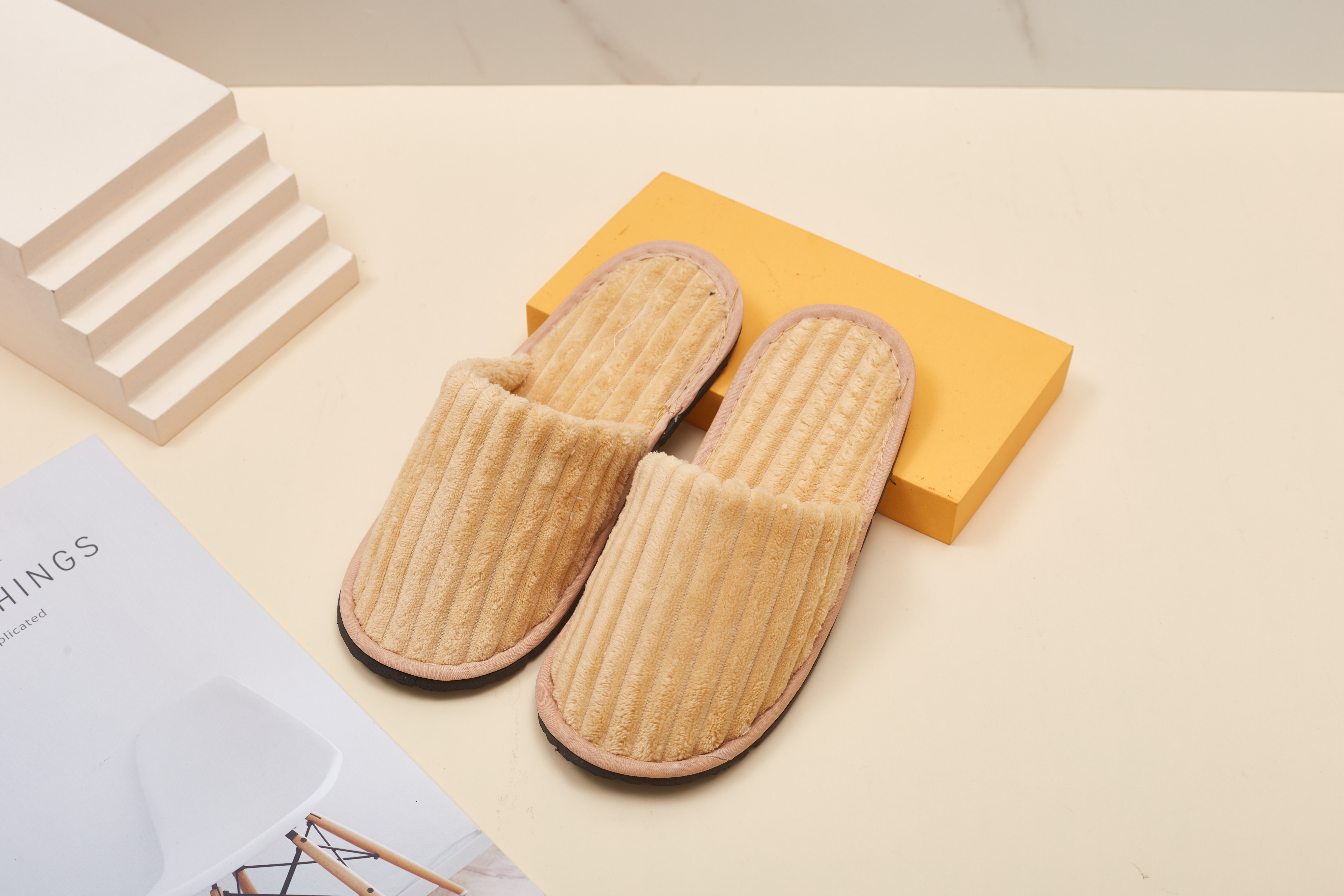
Airlines operating in today's competitive aviation market face mounting pressure to differentiate their services while maintaining cost efficiency and passenger satisfaction. The decision to invest in premium airline slippers represents a strategic opportunity that extends far beyond simple passenger comfort, touching on brand perception, operational efficiency, and long-term customer loyalty. Understanding why premium airline slippers deserve investment consideration requires examining the multifaceted benefits they deliver across passenger experience, operational metrics, and competitive positioning.
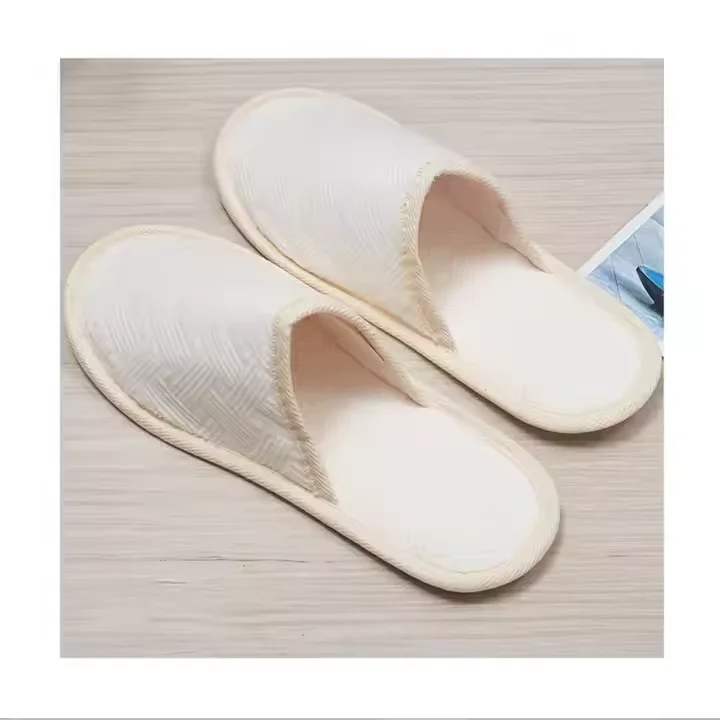
The aviation industry's evolution toward premium passenger experiences has elevated seemingly minor amenities into significant competitive advantages. Premium airline slippers serve as tangible representations of an airline's commitment to passenger comfort and attention to detail, influencing passenger perceptions from the moment they board until they disembark. These investment decisions reflect broader strategic considerations about brand positioning, operational excellence, and the creation of memorable travel experiences that encourage passenger loyalty and positive word-of-mouth marketing.
Enhanced Passenger Experience and Comfort
Physical Comfort During Long-Haul Flights
Premium airline slippers address fundamental passenger comfort needs during extended flight periods, particularly on long-haul international routes where passengers spend eight to fifteen hours in confined cabin spaces. The investment in quality airline slippers directly correlates with improved passenger circulation, reduced foot swelling, and enhanced overall comfort levels throughout the journey. Airlines that provide premium slippers enable passengers to remove restrictive footwear safely, promoting better blood flow and reducing the risk of deep vein thrombosis during extended periods of limited mobility.
The material quality and design features of premium airline slippers contribute significantly to passenger comfort metrics that airlines track through satisfaction surveys and feedback systems. High-quality materials provide breathability, moisture management, and temperature regulation that standard disposable options cannot match. This enhanced comfort translates into measurable improvements in passenger sleep quality, reduced complaints about physical discomfort, and higher overall flight experience ratings that directly impact airline reputation and repeat booking rates.
Psychological Impact on Passenger Satisfaction
The psychological benefits of premium airline slippers extend beyond physical comfort to encompass feelings of care, luxury, and value that passengers associate with their travel experience. When airlines invest in quality amenities, passengers perceive greater value in their ticket purchase and develop stronger emotional connections to the airline brand. This psychological impact influences passenger loyalty decisions, recommendation behaviors, and willingness to pay premium fares for future flights with the same carrier.
Research in aviation psychology demonstrates that small luxury touches, including premium airline slippers, create disproportionately positive impacts on passenger satisfaction scores compared to their relatively modest cost investment. Passengers often remember and discuss these thoughtful amenities when sharing travel experiences with friends, family, and colleagues, generating valuable word-of-mouth marketing that extends the investment's return beyond the immediate passenger. The psychological value creation from premium amenities helps justify higher ticket prices and supports premium positioning strategies in competitive markets.
Brand Differentiation and Competitive Advantage
Premium Service Positioning
Investment in premium airline slippers supports broader brand differentiation strategies that help airlines distinguish their services in increasingly commoditized aviation markets. Quality amenities serve as tangible proof points of an airline's premium service commitment, supporting marketing messages about superior passenger care and attention to detail. Airlines that consistently invest in premium passenger amenities, including high-quality slippers, build reputations for excellence that command pricing premiums and attract discerning travelers who prioritize service quality over cost considerations.
The competitive landscape in aviation requires airlines to identify cost-effective differentiation opportunities that create meaningful passenger value without disproportionate expense increases. Premium airline slippers represent precisely this type of strategic investment, offering visible quality improvements at relatively modest per-passenger costs while supporting broader premium positioning initiatives. This differentiation becomes particularly valuable on competitive routes where multiple airlines offer similar scheduling and pricing, making service quality the primary decision factor for passengers.
Corporate Travel Market Appeal
The corporate travel segment represents a crucial revenue source for airlines, with business travelers typically generating higher per-passenger profitability through premium cabin bookings and flexible fare purchases. Premium airline slippers appeal specifically to corporate travelers who value comfort and professional image during business trips, particularly on international routes where they may proceed directly to business meetings upon arrival. The investment in quality amenities signals respect for corporate travelers' needs and supports airline efforts to secure lucrative corporate travel contracts.
Corporate travel managers increasingly evaluate airline partnerships based on passenger satisfaction metrics and amenity quality when negotiating preferred supplier agreements. Airlines that invest in premium passenger amenities, including quality slippers, strengthen their competitive positions in corporate travel bidding processes and improve their chances of securing volume-based contracts with major corporations. The corporate market's willingness to pay premium fares for enhanced comfort makes the investment in premium airline slippers economically attractive from a revenue optimization perspective.
Operational Efficiency and Cost Considerations
Hygiene and Health Benefits
Premium airline slippers contribute to cabin hygiene standards by encouraging passengers to remove street footwear that may carry contaminants, allergens, and moisture into the aircraft environment. This hygiene improvement reduces cleaning requirements, minimizes odor issues, and creates more pleasant cabin atmospheres for all passengers. Airlines investing in quality slippers often experience reduced passenger complaints related to cabin cleanliness and air quality, translating into improved satisfaction scores and reduced customer service workload.
The health benefits of premium airline slippers extend to crew members who work in the cabin environment for extended periods and benefit from improved air quality and reduced exposure to contaminants tracked aboard by passengers. Enhanced cabin hygiene standards support airline safety protocols and demonstrate commitment to passenger and crew health that becomes increasingly important in post-pandemic aviation environments. These health considerations provide additional justification for slipper investment decisions beyond passenger comfort considerations.
Durability and Cost Management
Premium airline slippers often demonstrate superior durability compared to basic disposable alternatives, resulting in lower replacement costs and reduced waste generation over time. Quality materials and construction enable multiple-use scenarios for passengers on round-trip flights or connecting itineraries, maximizing the investment's utility while reducing per-passenger costs. Airlines that choose durable slipper options often achieve better cost-per-use ratios despite higher initial purchase prices, particularly on long-haul routes where passenger retention throughout the journey is critical.
The environmental benefits of investing in more durable airline slippers align with sustainability initiatives that many airlines pursue to reduce their environmental footprint and appeal to environmentally conscious travelers. Reduced waste generation from disposable amenities supports corporate social responsibility goals while potentially reducing disposal costs and regulatory compliance requirements. These operational efficiency gains help offset the initial investment costs while supporting broader sustainability marketing messages that resonate with modern travelers.
Revenue Impact and Return on Investment
Customer Loyalty and Retention
The investment in premium airline slippers contributes to customer loyalty programs by enhancing the overall service experience that passengers associate with specific airlines. Loyal customers generate significantly higher lifetime value through repeat bookings, premium cabin upgrades, and reduced price sensitivity compared to occasional travelers. Airlines that consistently invest in passenger comfort amenities, including quality slippers, build emotional connections that translate into measurable retention improvements and reduced customer acquisition costs over time.
Passenger retention metrics demonstrate clear correlations between service quality investments and booking pattern improvements, with premium amenities serving as differentiating factors that influence carrier selection decisions. The relatively modest cost of premium airline slippers generates disproportionate loyalty benefits when passengers compare airlines based on overall service quality and attention to passenger needs. This loyalty impact becomes particularly valuable in competitive markets where passengers have multiple carrier options for similar routes and schedules.
Premium Pricing Support
Quality amenities, including premium airline slippers, provide tangible justification for premium pricing strategies that airlines employ to improve revenue per passenger metrics. Passengers demonstrate greater willingness to pay higher fares when they perceive genuine value in the service offerings, and visible quality improvements in amenities support these pricing strategies effectively. The investment in premium slippers helps airlines maintain pricing power in competitive markets by providing clear service differentiation that passengers can readily identify and appreciate.
The revenue impact of premium amenity investments extends beyond direct fare premiums to include ancillary revenue opportunities from passengers who develop stronger brand affinity and increased spending on airline-provided services. Passengers who perceive high service quality are more likely to purchase upgrades, premium meal options, and other ancillary services that generate additional revenue streams. This comprehensive revenue impact makes the investment in premium airline slippers economically attractive when evaluated against the full range of revenue generation opportunities it supports.
FAQ
How much do premium airline slippers typically cost compared to basic disposable options?
Premium airline slippers generally cost between three to five times more than basic disposable alternatives, with pricing ranging from $2 to $8 per pair depending on materials, design complexity, and order quantities. However, the superior durability and passenger satisfaction benefits often justify this cost difference through improved customer retention, reduced replacement frequency, and enhanced brand positioning that supports premium pricing strategies.
What passenger feedback do airlines typically receive regarding premium slipper investments?
Airlines consistently report positive passenger feedback regarding premium airline slippers, with satisfaction surveys showing measurable improvements in comfort ratings, overall flight experience scores, and likelihood to recommend metrics. Passengers frequently mention quality amenities in online reviews and social media posts, generating valuable word-of-mouth marketing that extends the investment's return beyond direct passenger satisfaction improvements.
Do premium airline slippers provide measurable return on investment for airlines?
Airlines typically achieve positive return on investment from premium airline slippers through multiple channels including increased customer loyalty, reduced passenger complaints, enhanced brand perception, and support for premium pricing strategies. The investment usually pays for itself within six to twelve months through improved passenger retention rates and increased willingness to pay premium fares for enhanced service quality.
How do premium airline slippers support airline sustainability initiatives?
Premium airline slippers often feature eco-friendly materials, biodegradable construction, and improved durability that reduces waste generation compared to frequently replaced disposable alternatives. Many premium options use sustainable materials like organic cotton, bamboo fibers, or recycled content that align with corporate environmental goals while providing superior passenger comfort and supporting green marketing initiatives that appeal to environmentally conscious travelers.
Table of Contents
- Enhanced Passenger Experience and Comfort
- Brand Differentiation and Competitive Advantage
- Operational Efficiency and Cost Considerations
- Revenue Impact and Return on Investment
-
FAQ
- How much do premium airline slippers typically cost compared to basic disposable options?
- What passenger feedback do airlines typically receive regarding premium slipper investments?
- Do premium airline slippers provide measurable return on investment for airlines?
- How do premium airline slippers support airline sustainability initiatives?