closed toe slippers factory
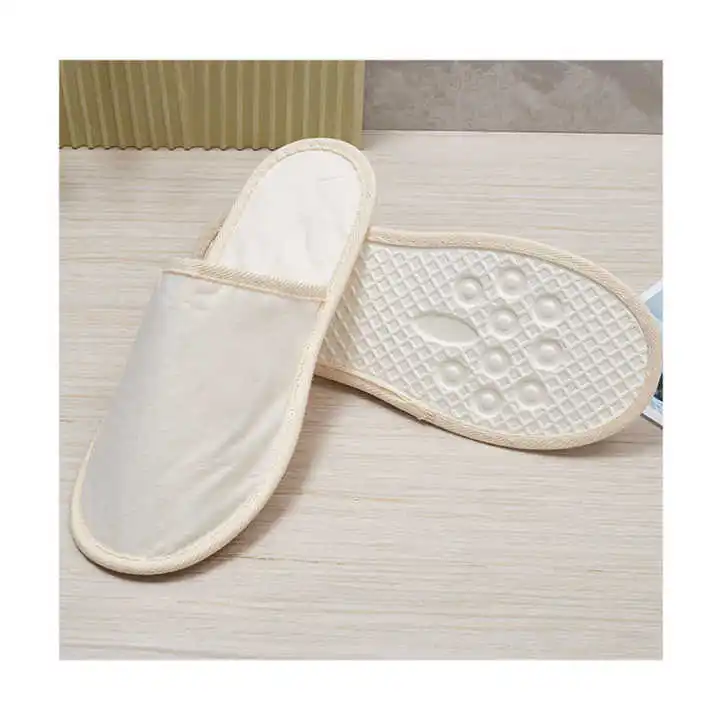
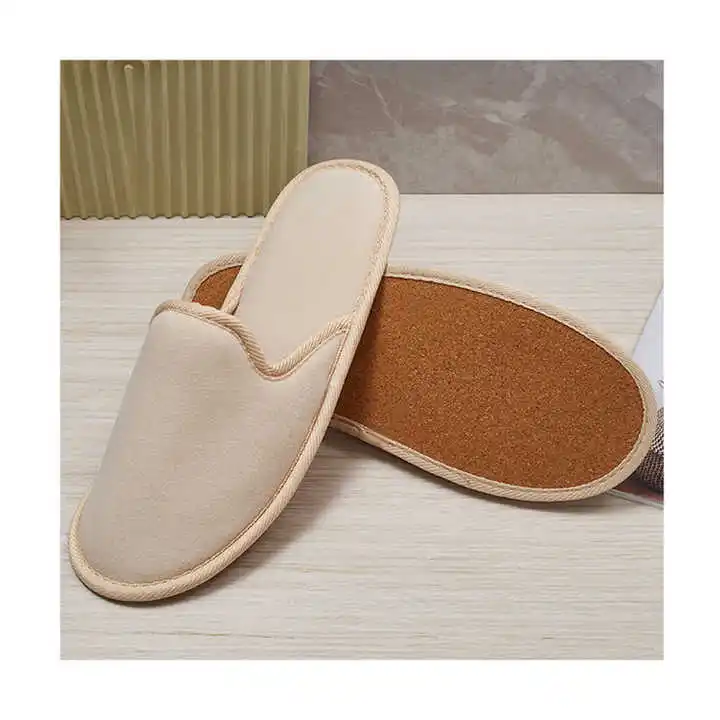
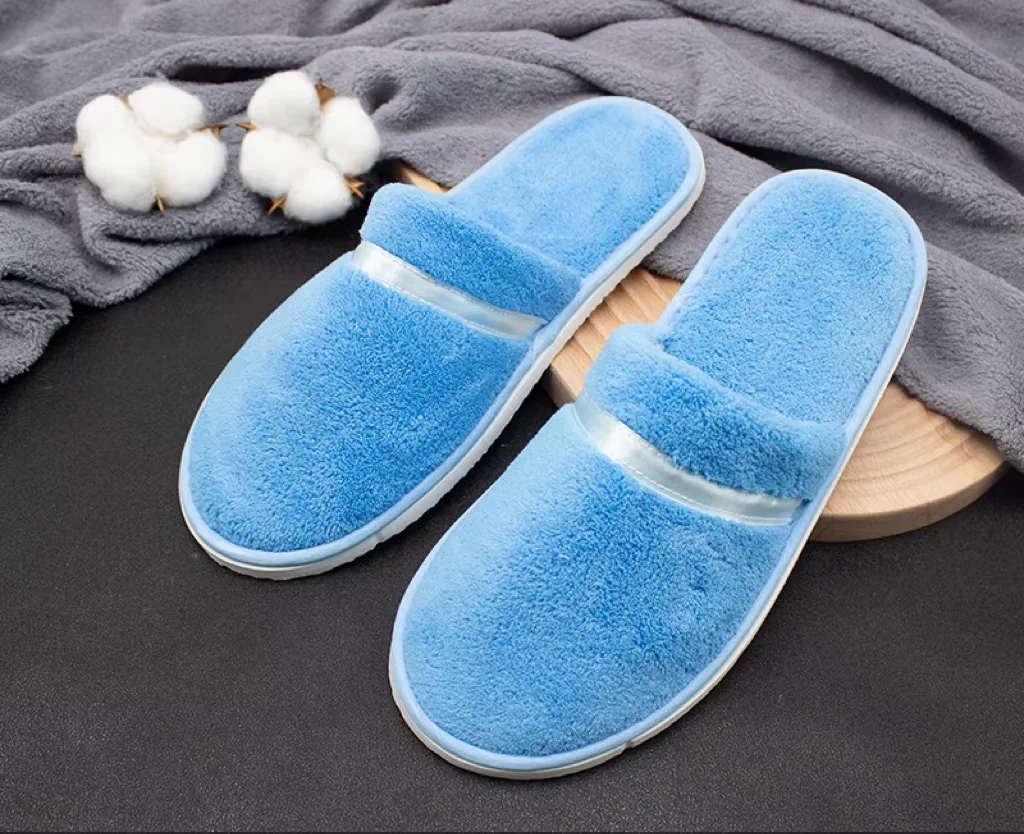
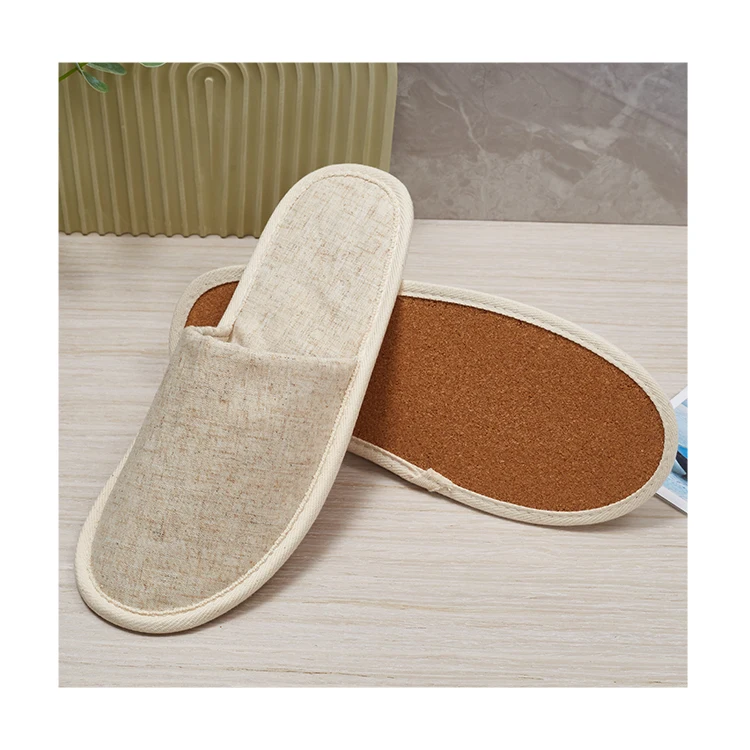
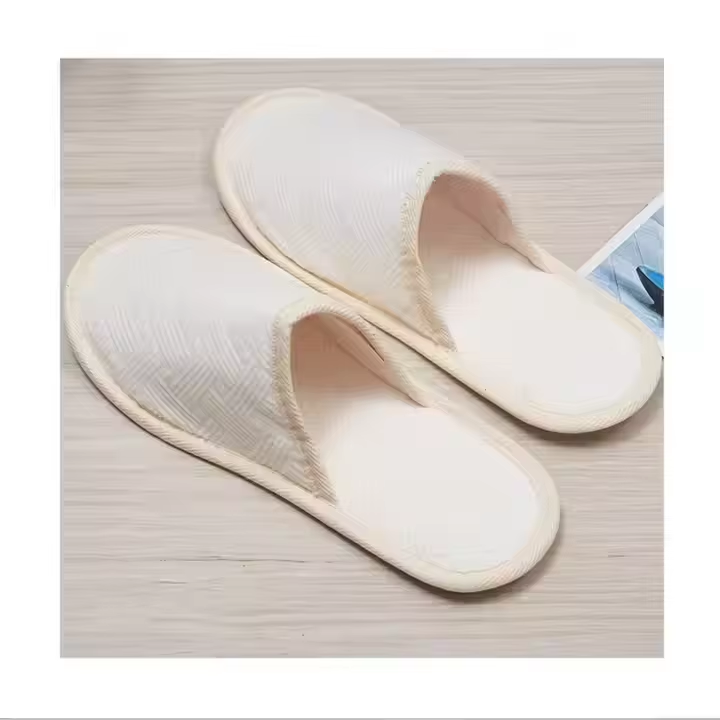
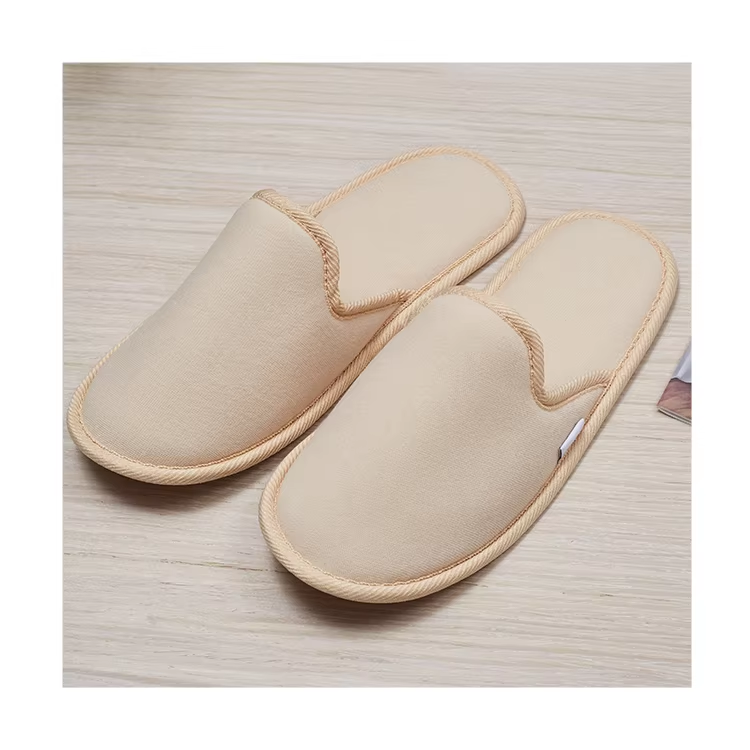
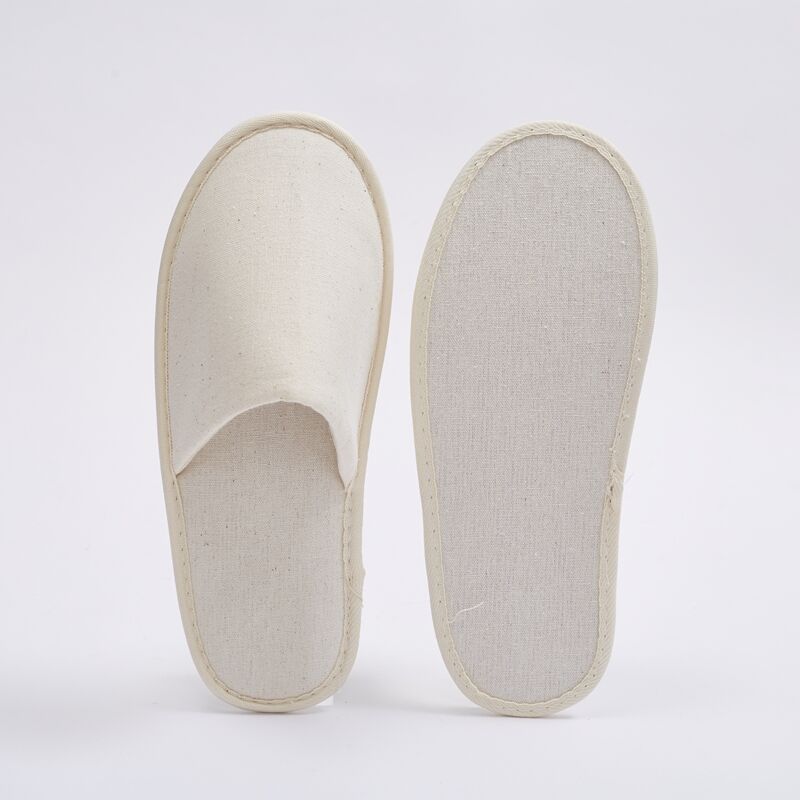
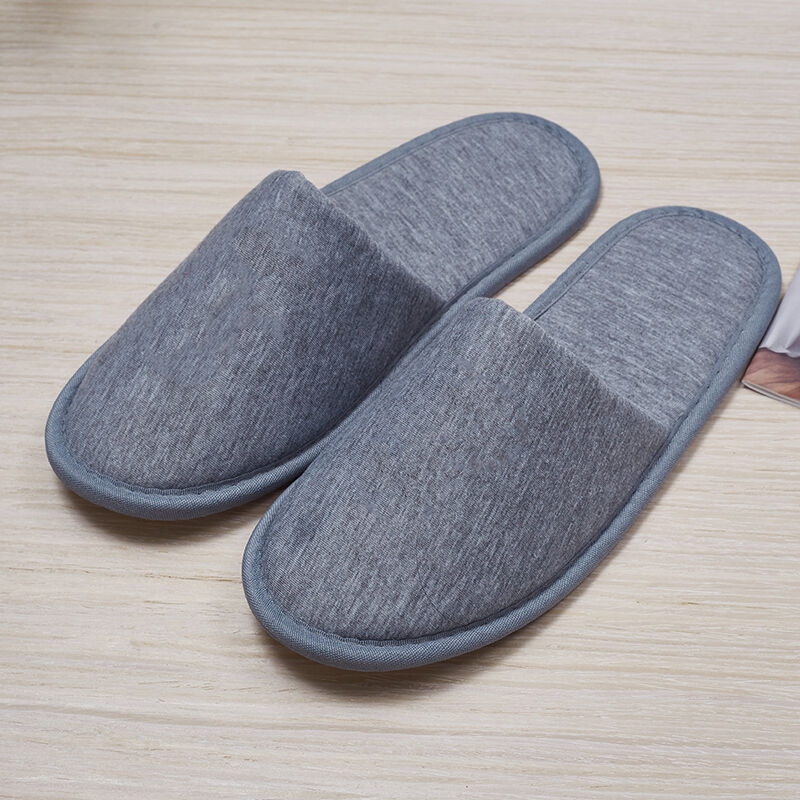
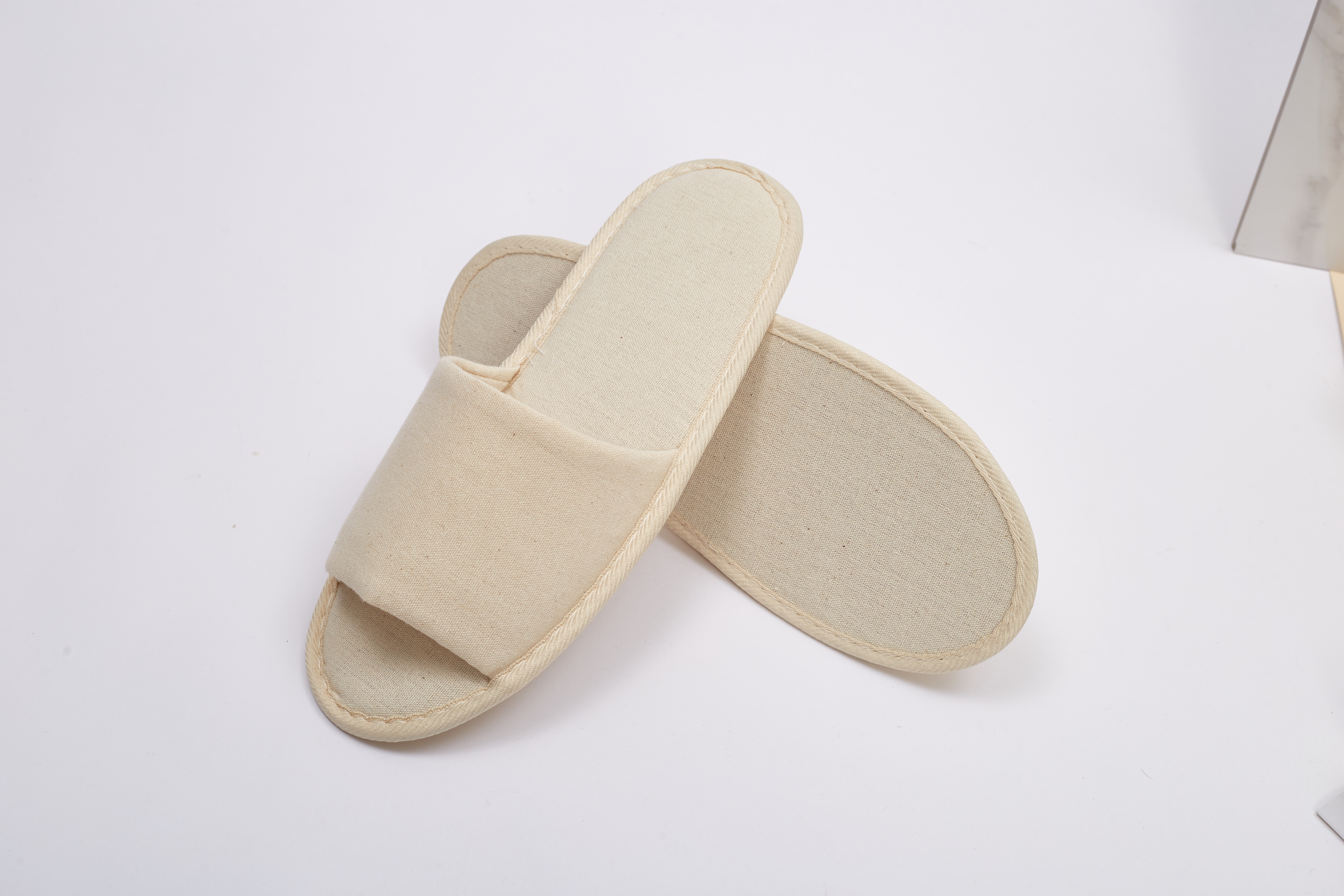
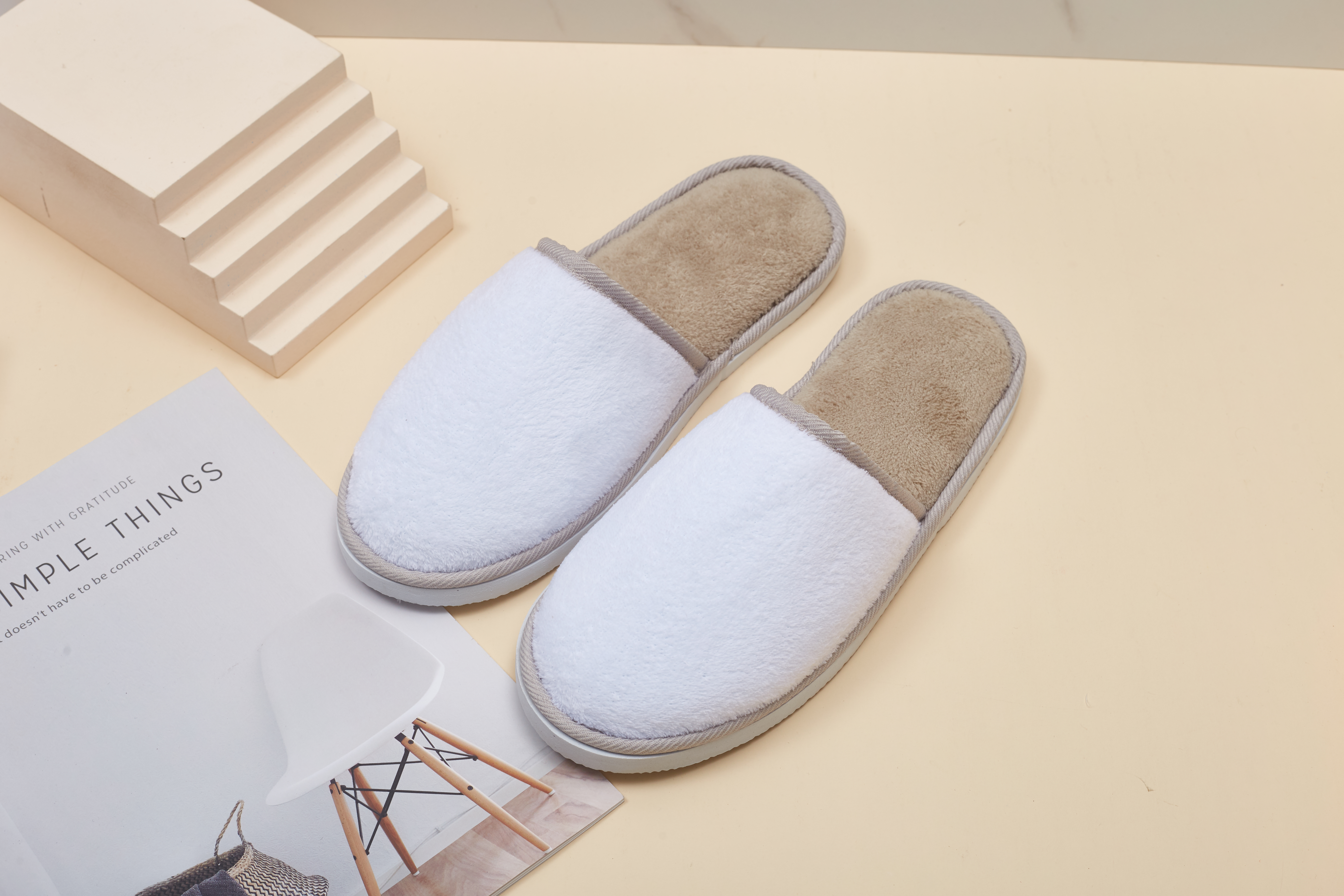
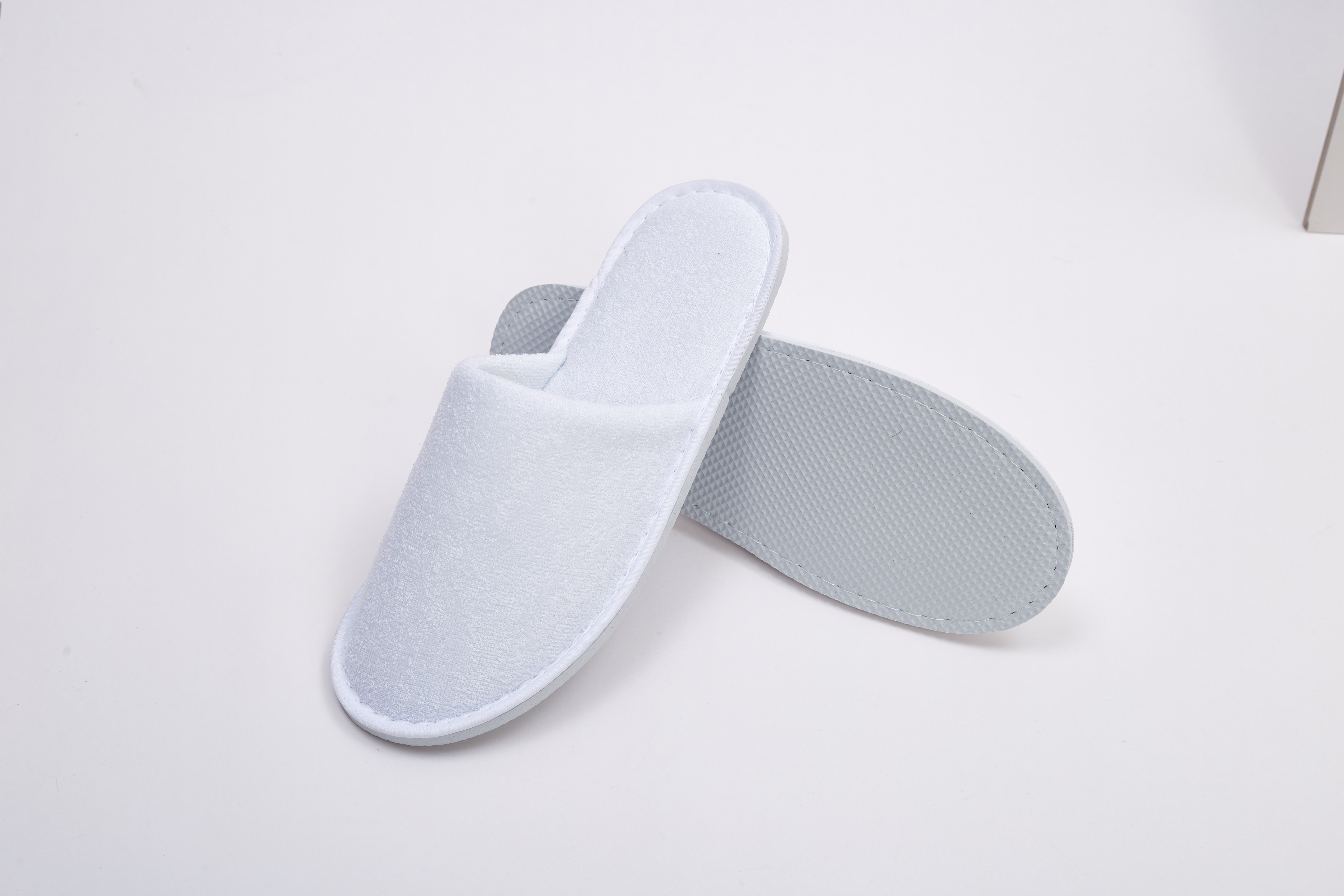
A closed toe slippers factory represents a specialized manufacturing facility dedicated to producing high-quality indoor footwear designed for comfort, safety, and style. These production facilities serve as the backbone of the global slipper industry, combining traditional craftsmanship with modern manufacturing techniques to create footwear that meets diverse consumer needs. The closed toe slippers factory operates through multiple integrated departments, including design and development, material sourcing, cutting and preparation, assembly, quality control, and packaging. Each department plays a crucial role in ensuring the final product meets stringent quality standards and customer expectations. The main functions of a closed toe slippers factory encompass product development, where skilled designers create innovative styles that balance aesthetics with functionality. The manufacturing process begins with material selection, where premium fabrics, synthetic materials, leather, and various sole components are carefully chosen based on durability, comfort, and cost-effectiveness. Advanced cutting machinery ensures precise material preparation, while skilled craftspeople handle the intricate assembly process that transforms raw materials into finished products. Technological features within modern closed toe slippers factory environments include computerized pattern-making systems, automated cutting equipment, industrial sewing machines with specialized attachments, heat-pressing units for sole attachment, and comprehensive quality testing apparatus. These facilities often incorporate sustainable manufacturing practices, utilizing eco-friendly materials and energy-efficient production methods to minimize environmental impact. Applications of closed toe slippers factory output extend across residential, hospitality, healthcare, and retail sectors. The factory produces various styles including memory foam slippers, thermal winter options, lightweight summer variants, therapeutic designs for medical applications, and luxury hotel amenities. Each application requires specific design considerations, material selections, and manufacturing processes tailored to meet distinct market demands and regulatory requirements.

 EN
EN