eco-friendly airline slipper
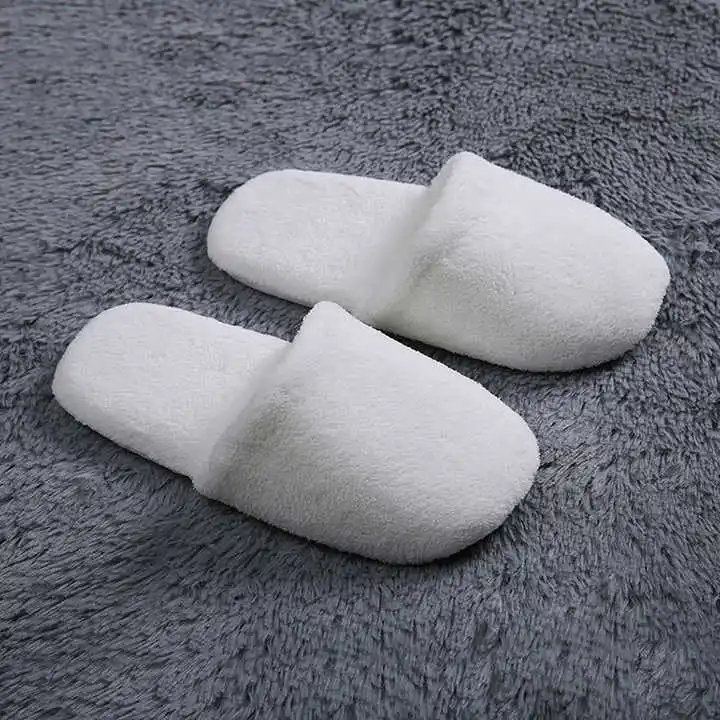
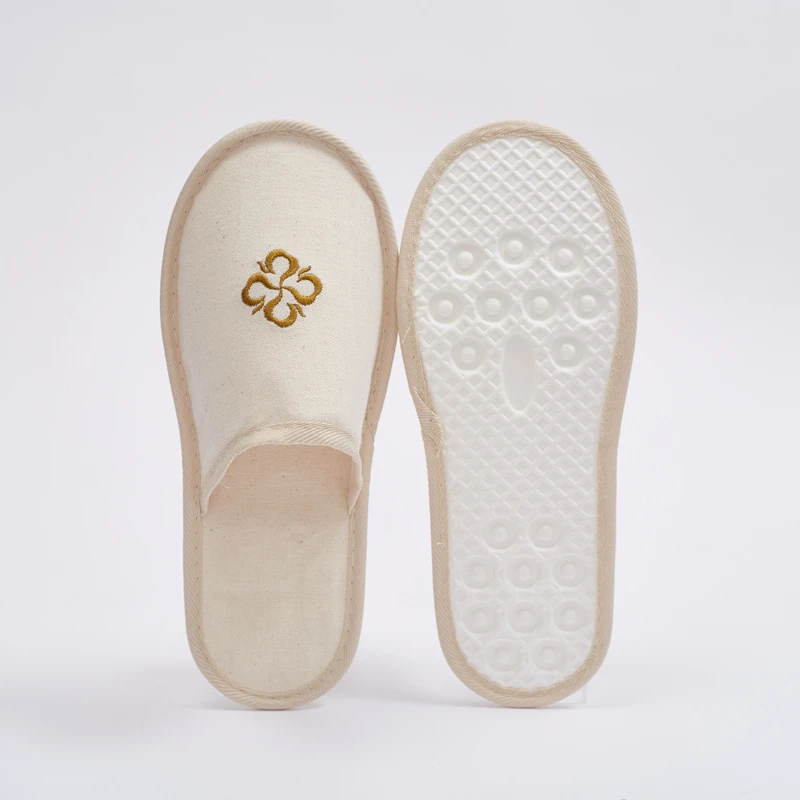
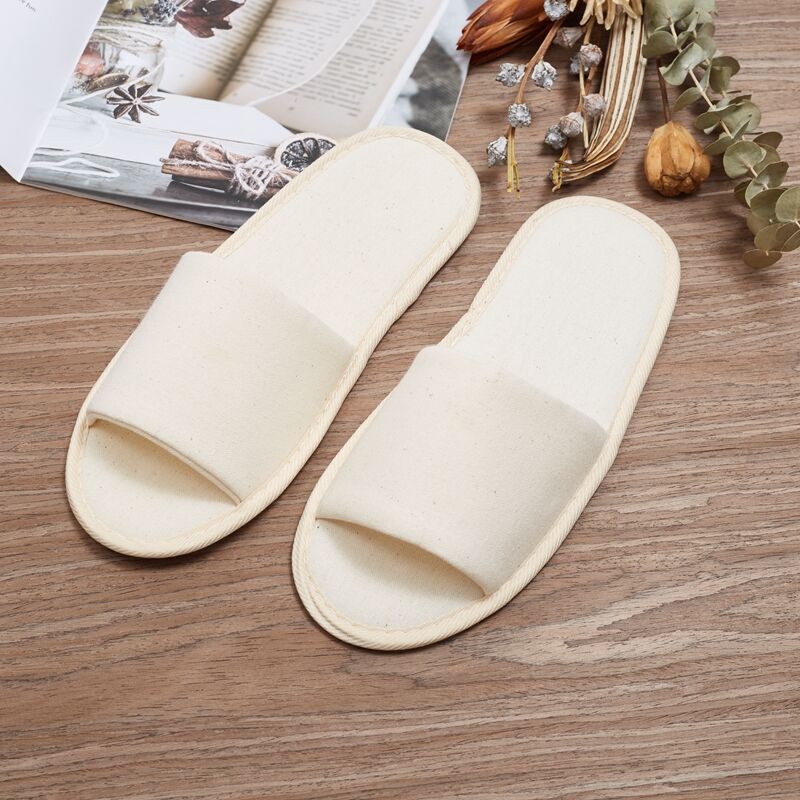
The eco-friendly airline slipper represents a revolutionary advancement in sustainable aviation comfort accessories, designed specifically to meet the growing demand for environmentally responsible travel products. These innovative slippers combine cutting-edge materials science with ergonomic design principles to deliver superior passenger comfort while minimizing environmental impact. The eco-friendly airline slipper utilizes biodegradable bamboo fibers, recycled polyester, and organic cotton blends in its construction, ensuring complete decomposition within 180 days of disposal. Advanced moisture-wicking technology integrated into the fabric structure maintains optimal foot temperature and prevents bacterial growth during extended flights. The slip-resistant sole incorporates natural rubber compounds sourced from sustainable plantations, providing excellent grip on various aircraft surfaces while maintaining flexibility and durability. Multi-layered cushioning systems within the eco-friendly airline slipper feature memory foam derived from plant-based materials, offering personalized comfort adaptation for passengers of all ages. The lightweight construction reduces overall luggage weight restrictions while maintaining structural integrity throughout multiple uses. Antimicrobial treatments using silver nanoparticles ensure hygiene standards without harmful chemical additives. Color-fast dyes derived from natural sources maintain aesthetic appeal while supporting environmental sustainability goals. The eco-friendly airline slipper applications extend beyond commercial aviation to include luxury cruise lines, high-end hotels, medical facilities, and spa environments where comfort and environmental consciousness intersect. Airlines implementing these sustainable slippers demonstrate corporate responsibility while enhancing passenger satisfaction scores. The modular design allows for size customization and brand personalization without compromising the eco-friendly airline slipper core environmental benefits. Quality control processes ensure consistent performance across manufacturing batches while maintaining strict environmental compliance standards throughout the production cycle.

 EN
EN