Cost-Effective Operations and Environmental Responsibility
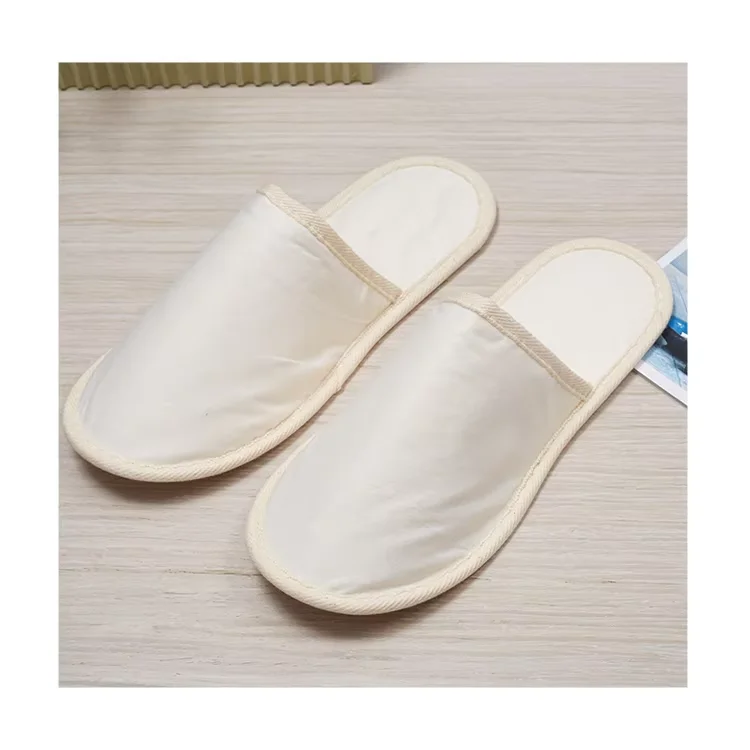
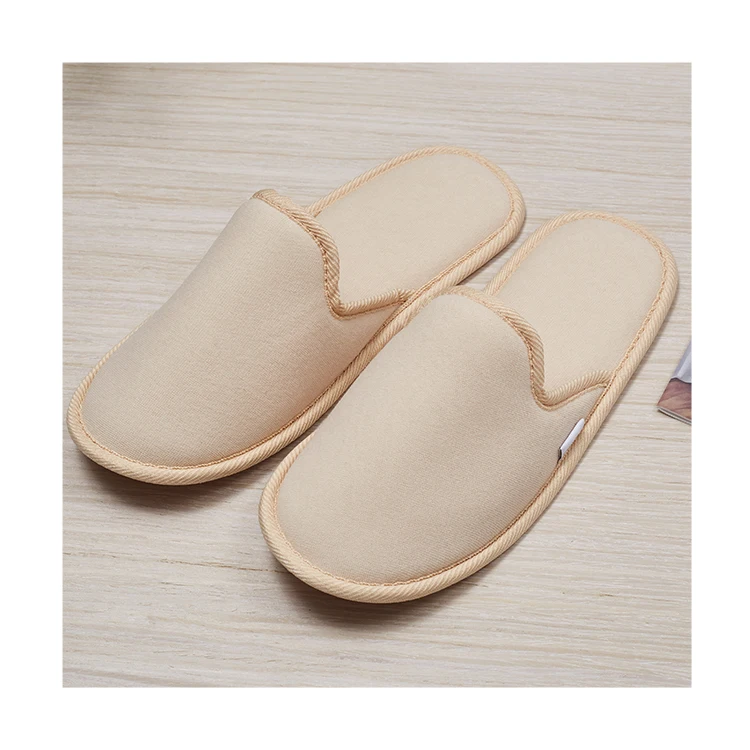
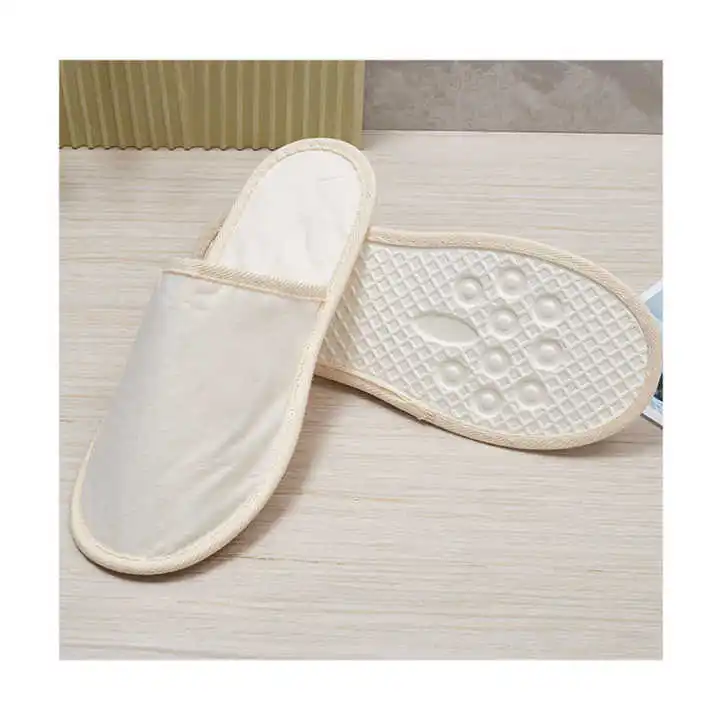
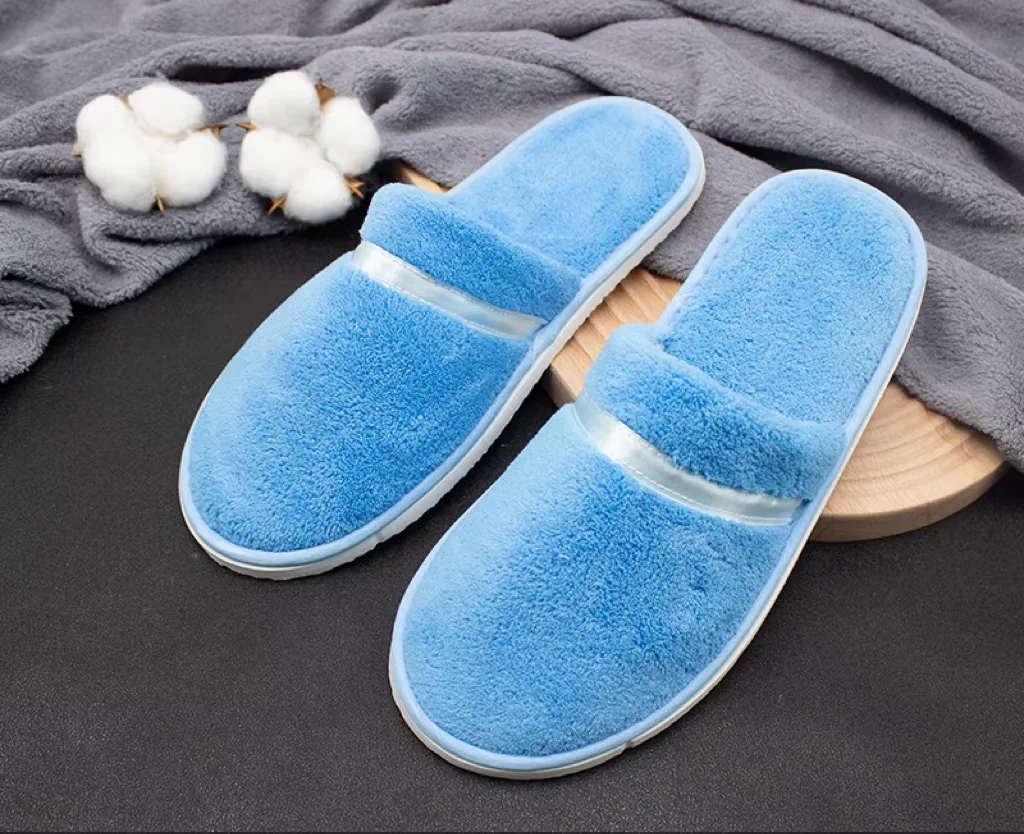
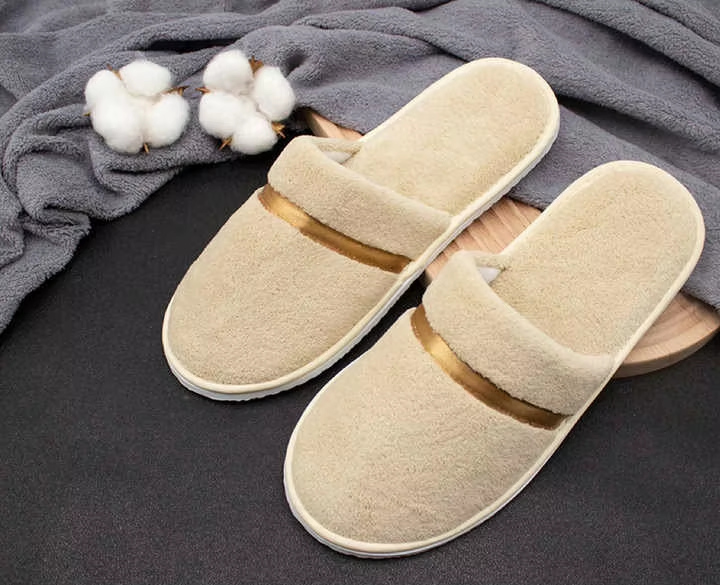
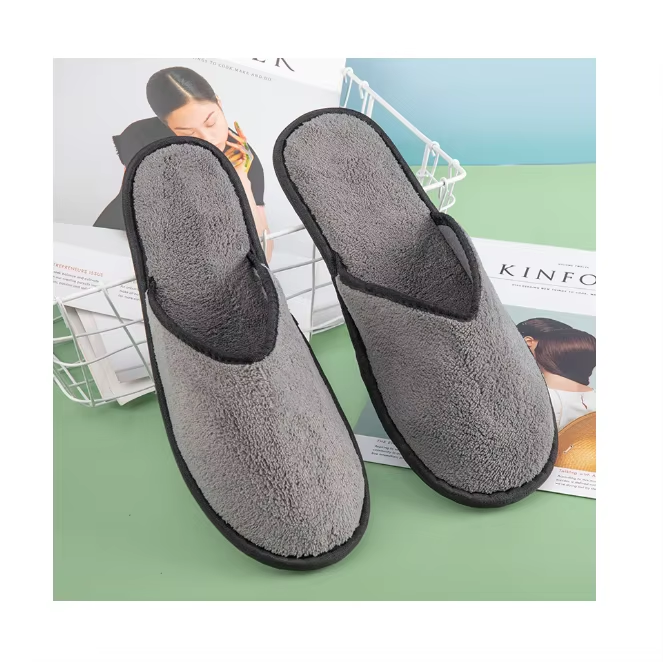
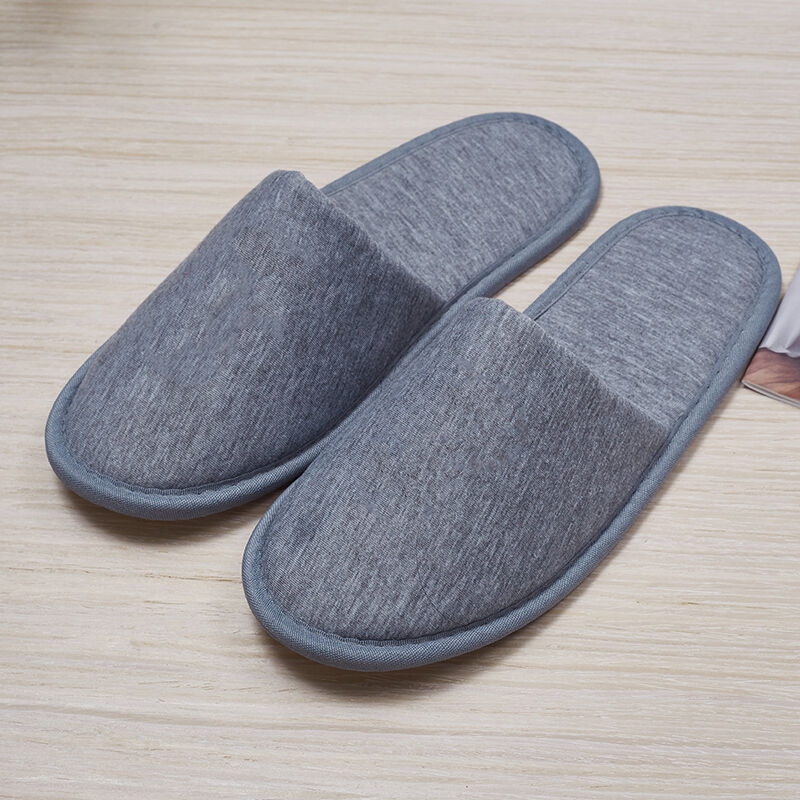
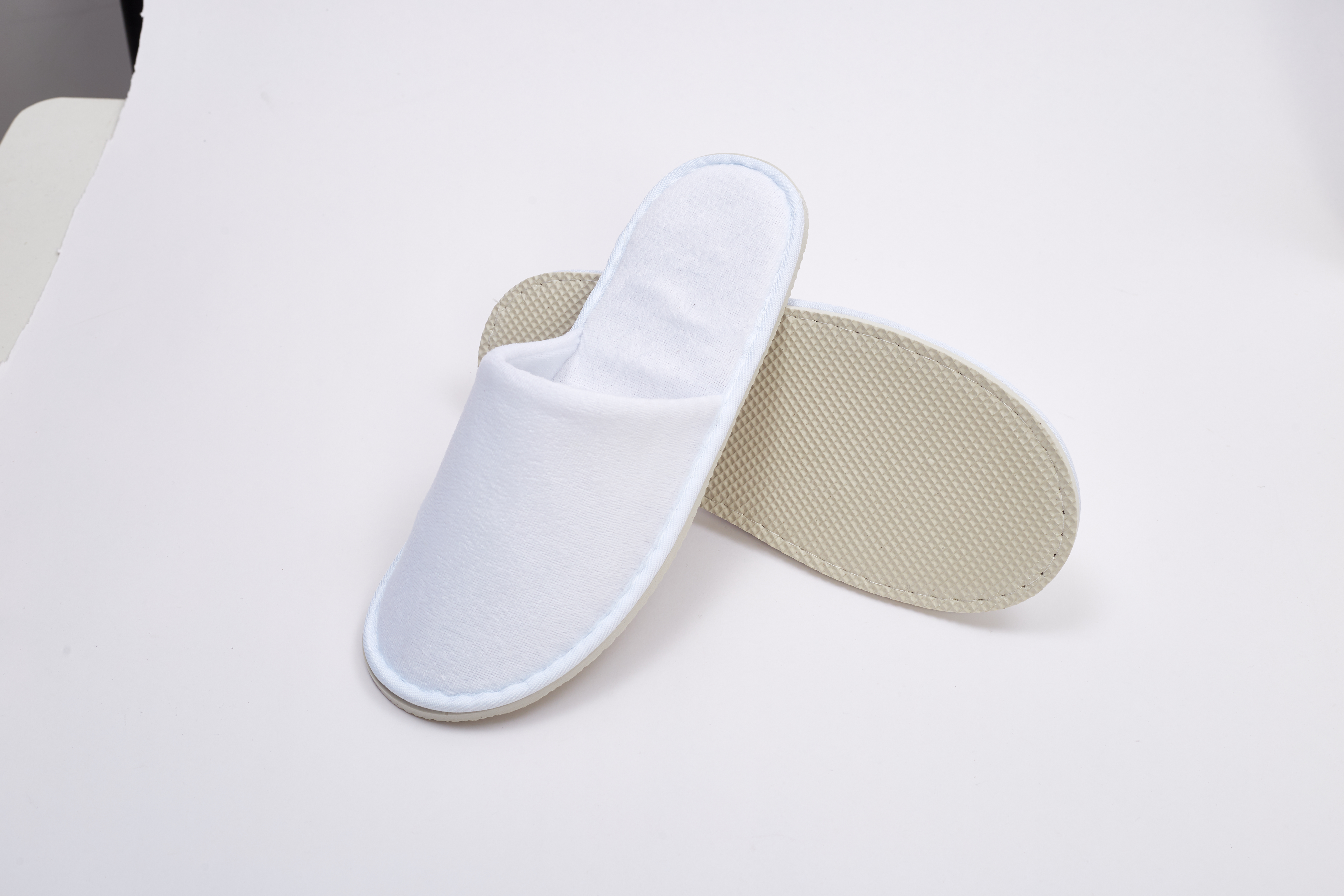
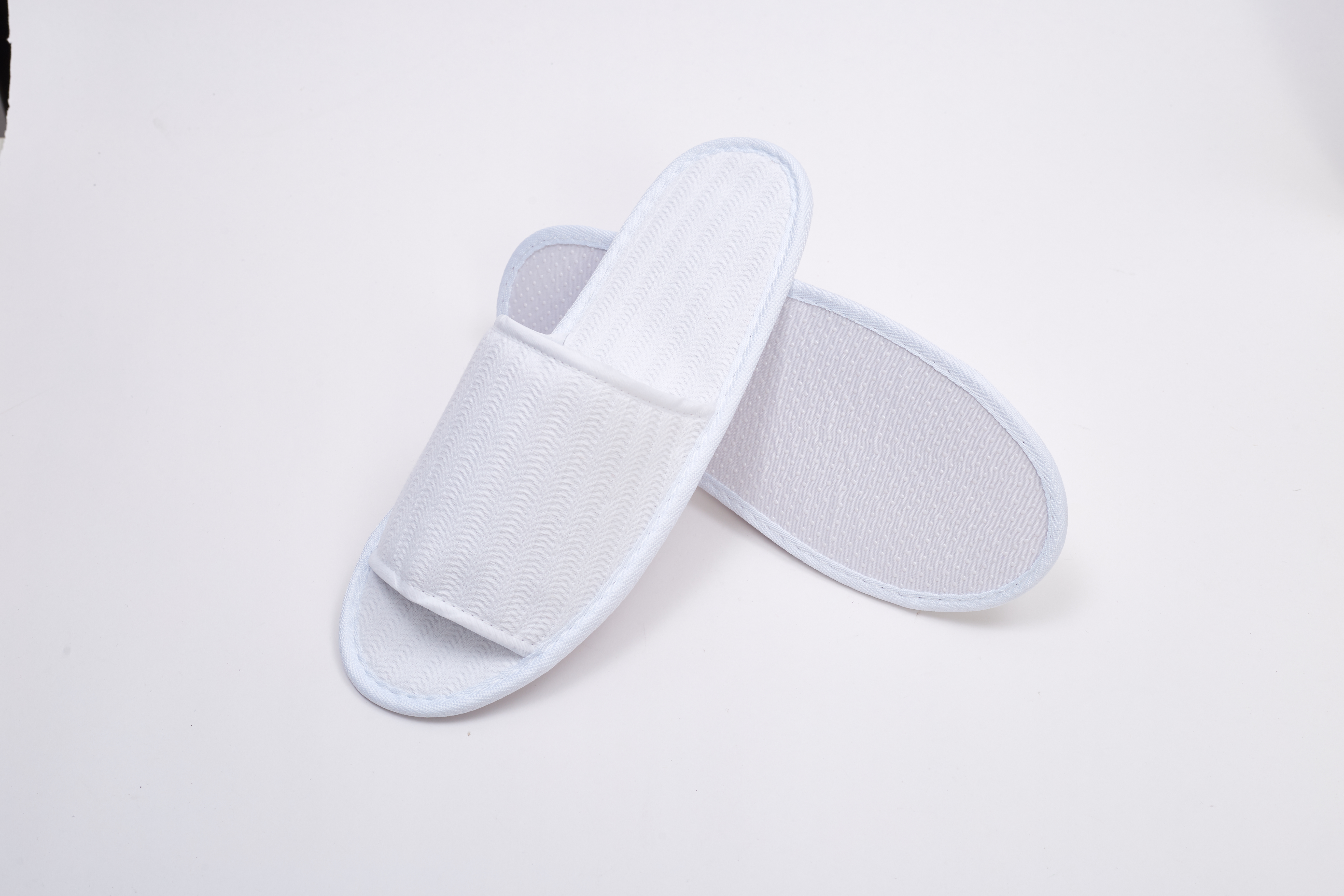
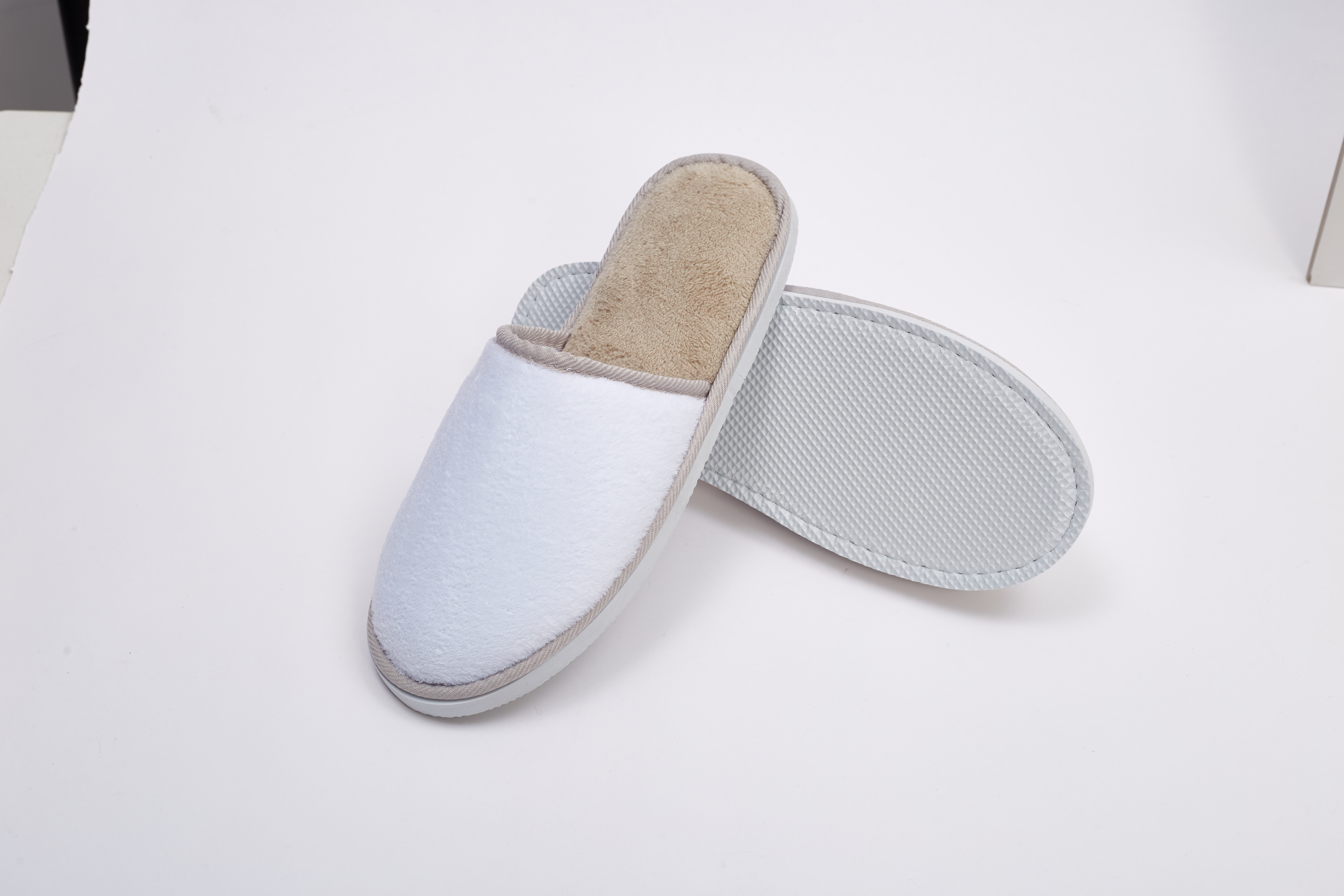
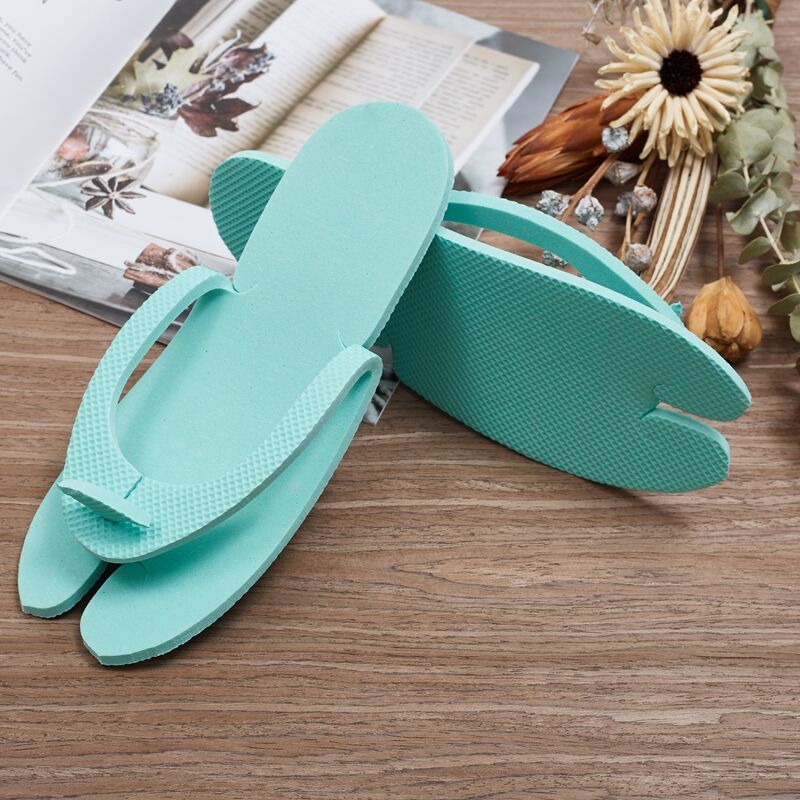
The comfortable disposable slippers hotel deliver exceptional value through their cost-effective operational model that significantly reduces long-term expenses while supporting environmental sustainability initiatives that modern hotels prioritize. The elimination of traditional laundry processes associated with reusable slippers creates substantial savings in water consumption, energy usage, chemical detergents, and staff labor hours, making comfortable disposable slippers hotel an economically intelligent choice for forward-thinking hospitality businesses. Inventory management becomes remarkably simplified as hotels no longer need to maintain complex sizing systems, track slipper usage patterns, or manage the logistics of collecting, cleaning, and redistributing used footwear throughout their properties. The predictable cost structure allows financial managers to accurately forecast amenity expenses without worrying about replacement costs for damaged, lost, or excessively worn traditional slippers that require frequent replenishment. Environmental responsibility features prominently in the design of comfortable disposable slippers hotel, with manufacturers utilizing biodegradable materials that decompose naturally without leaving harmful residues in landfills or natural ecosystems. The production process incorporates sustainable practices including renewable energy usage, minimal water consumption, and waste reduction strategies that align with corporate environmental goals and green certification requirements. Packaging optimization reduces transportation costs and carbon footprints through efficient space utilization and lightweight designs that minimize shipping impacts. The comfortable disposable slippers hotel support hotels' sustainability marketing efforts by demonstrating tangible environmental commitments that environmentally conscious guests increasingly seek when selecting accommodation options. Lifecycle assessments confirm that the total environmental impact of disposable slippers, when considering water treatment, chemical usage, and energy consumption in traditional laundering processes, actually produces a lower ecological footprint than reusable alternatives. Supply chain efficiency benefits include reduced storage requirements, simplified procurement processes, and elimination of seasonal demand fluctuations that complicate inventory planning for traditional hotel amenities, allowing properties to maintain optimal service levels while minimizing carrying costs and operational complexity.

 EN
EN