Exceptional Cost-Effectiveness and Operational Efficiency
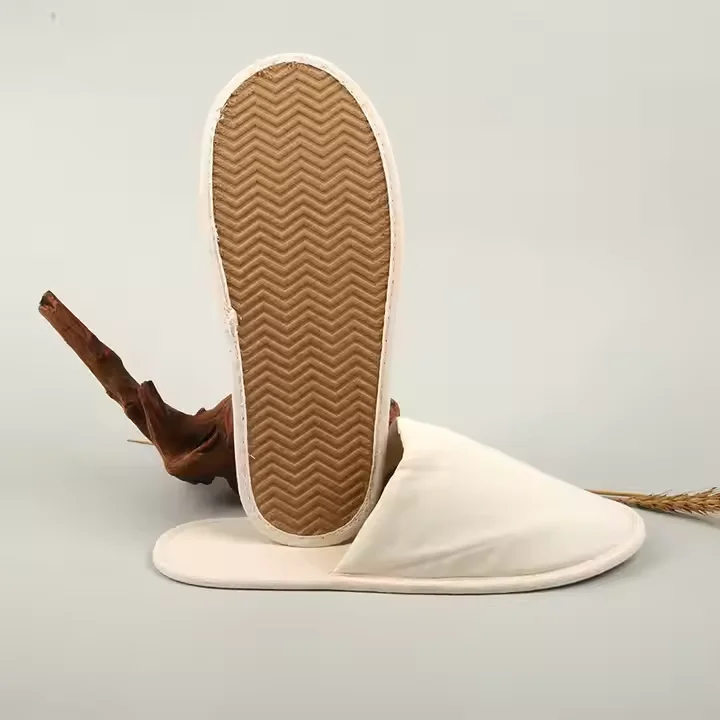
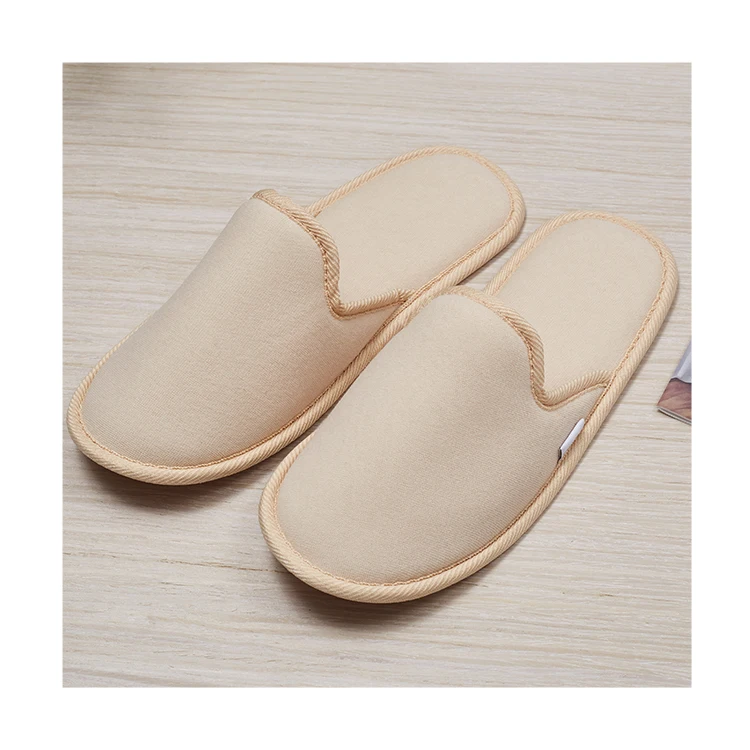
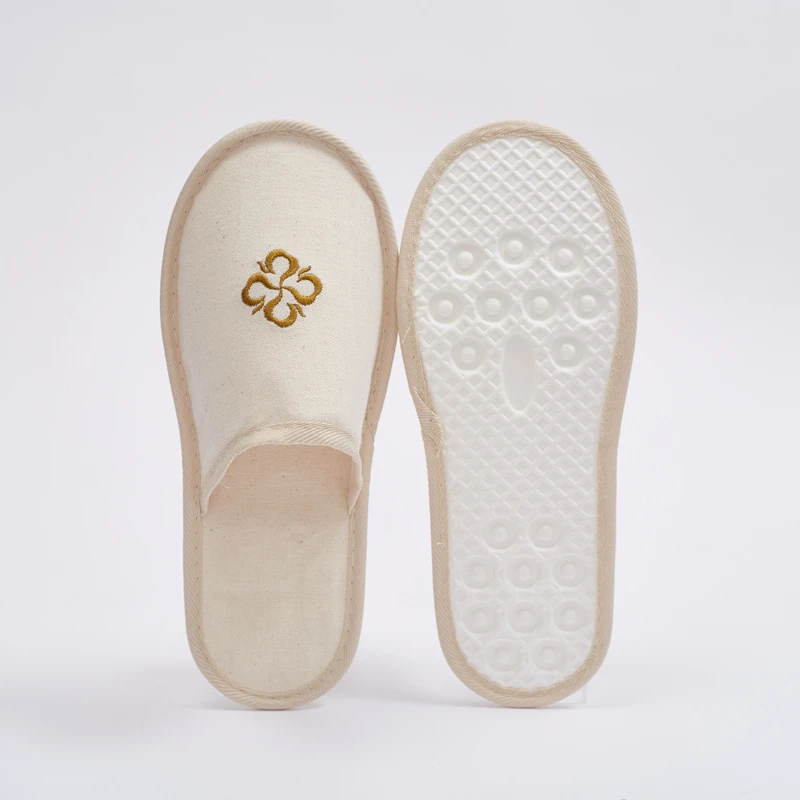
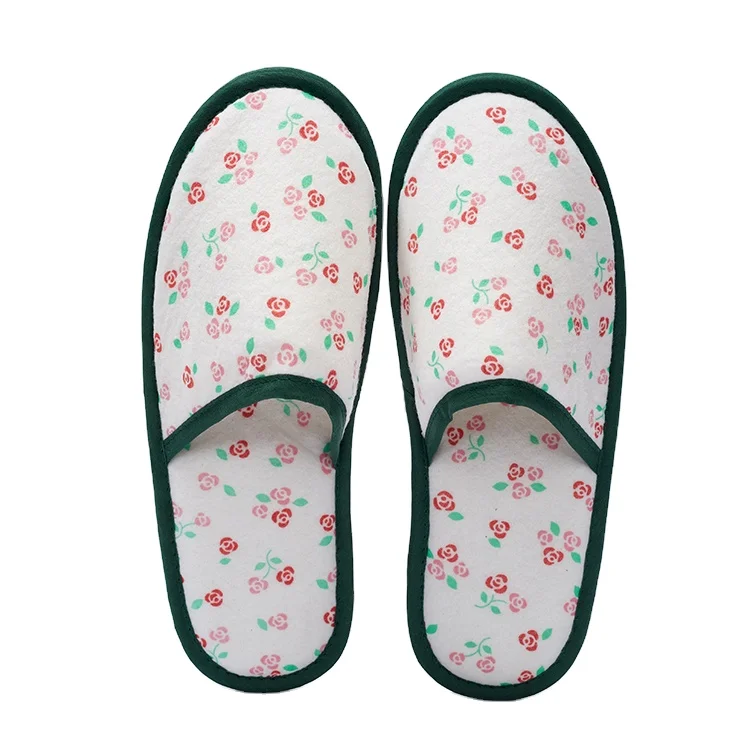
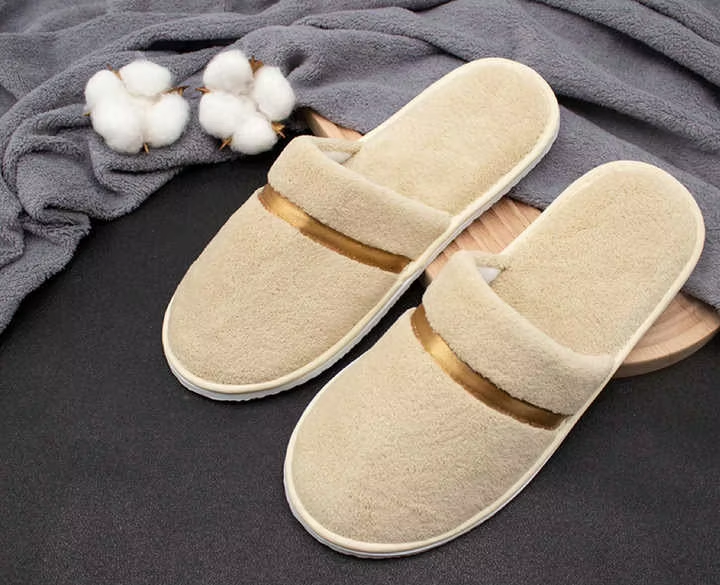
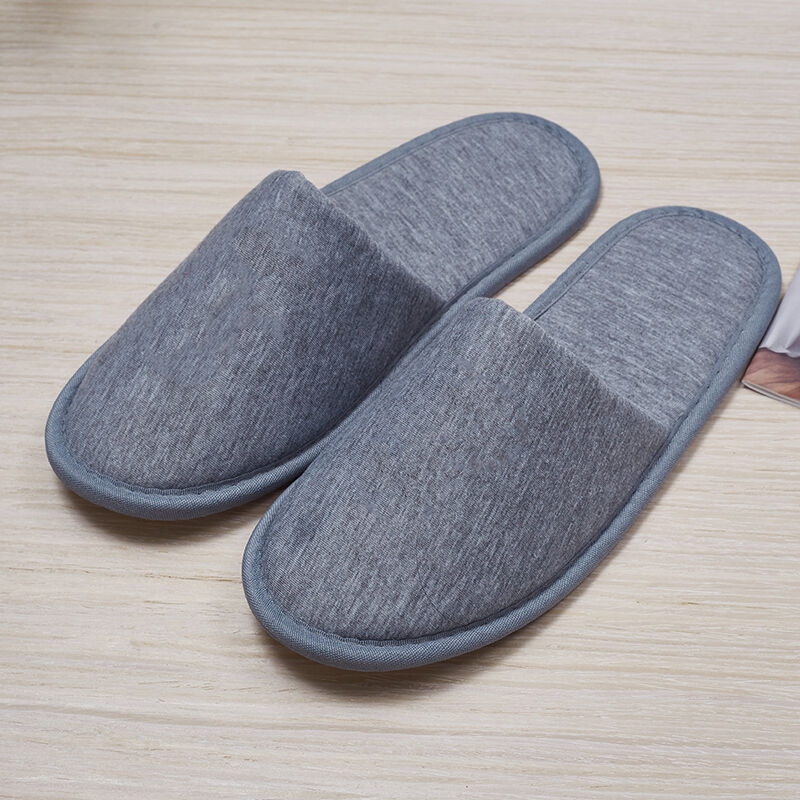
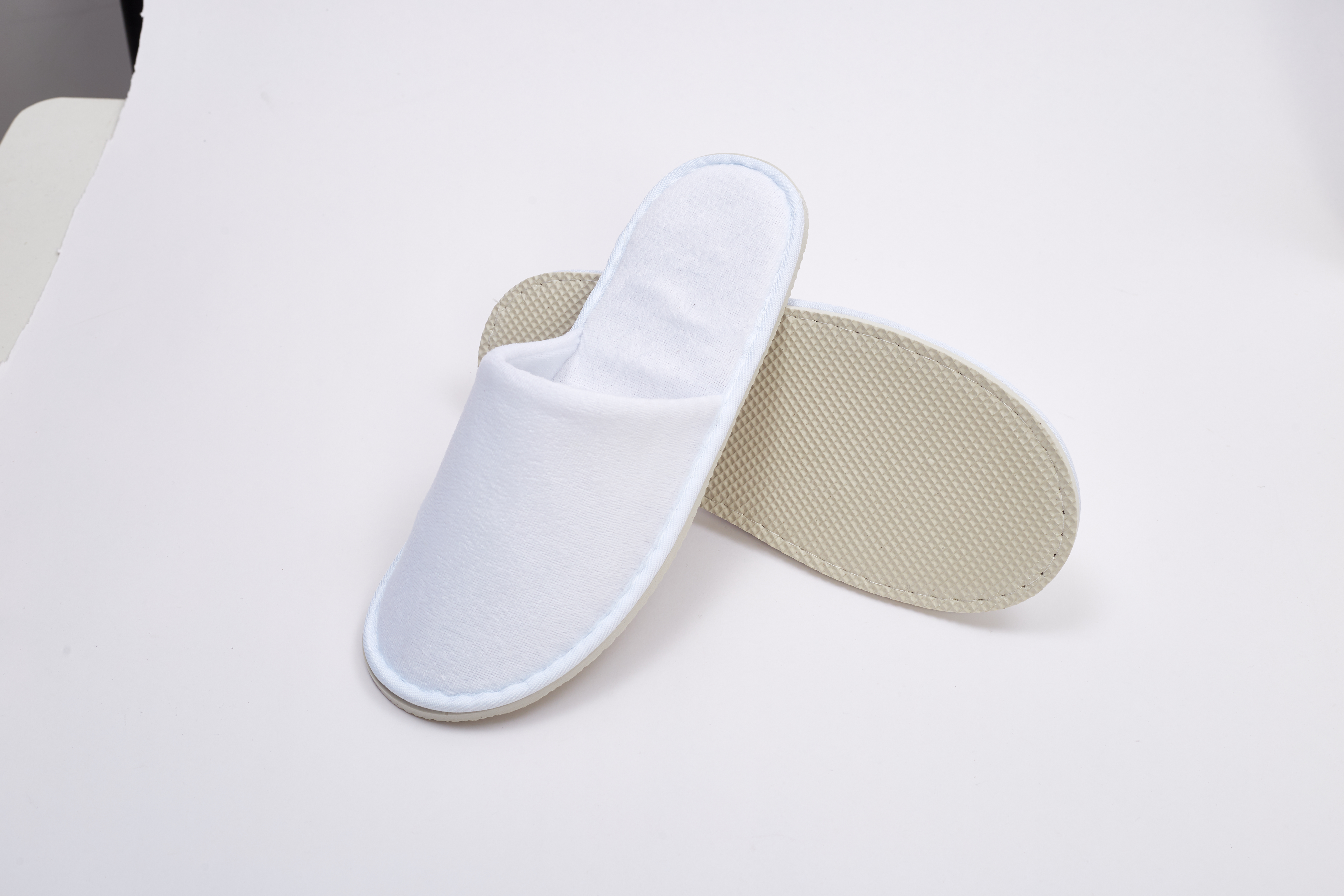
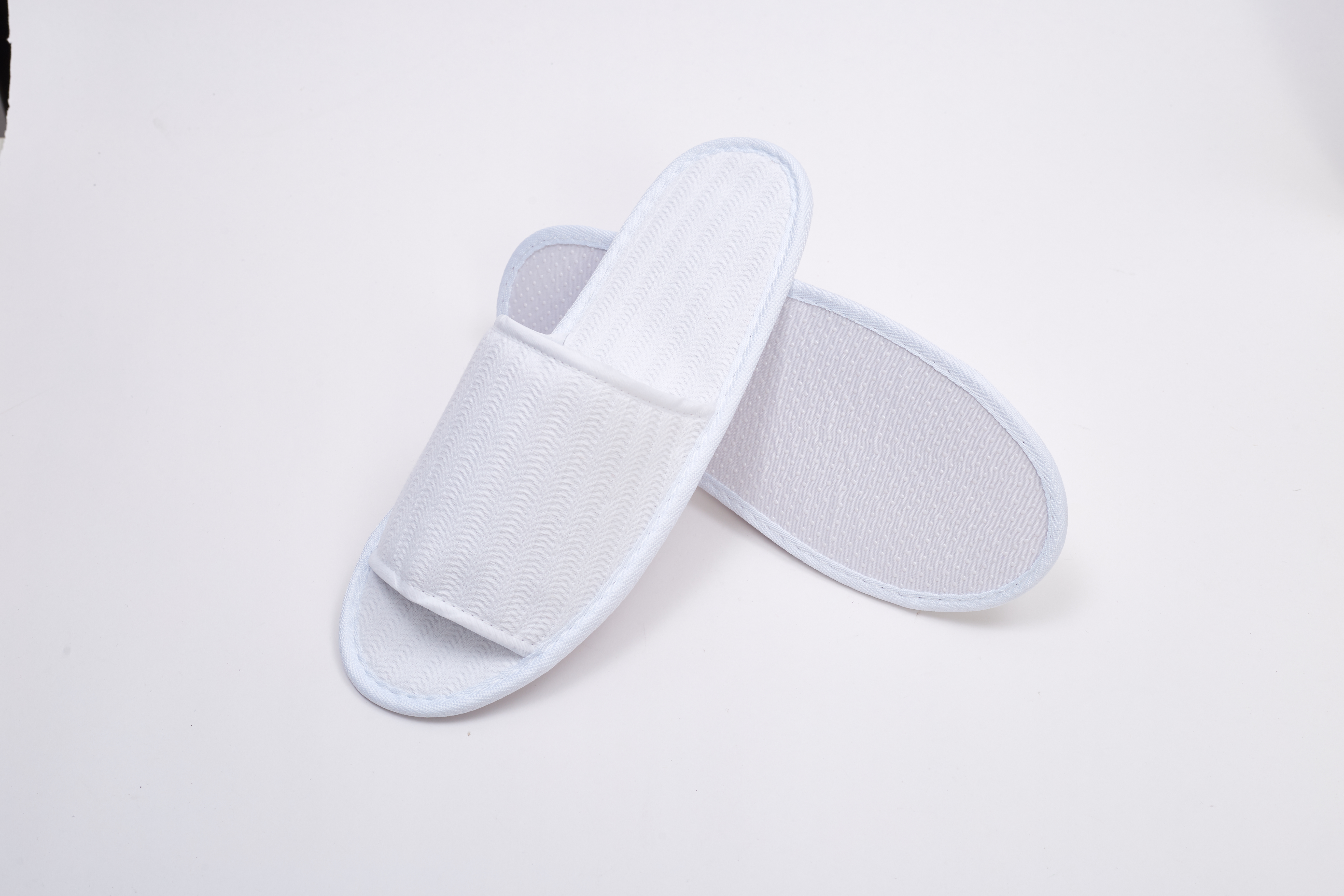
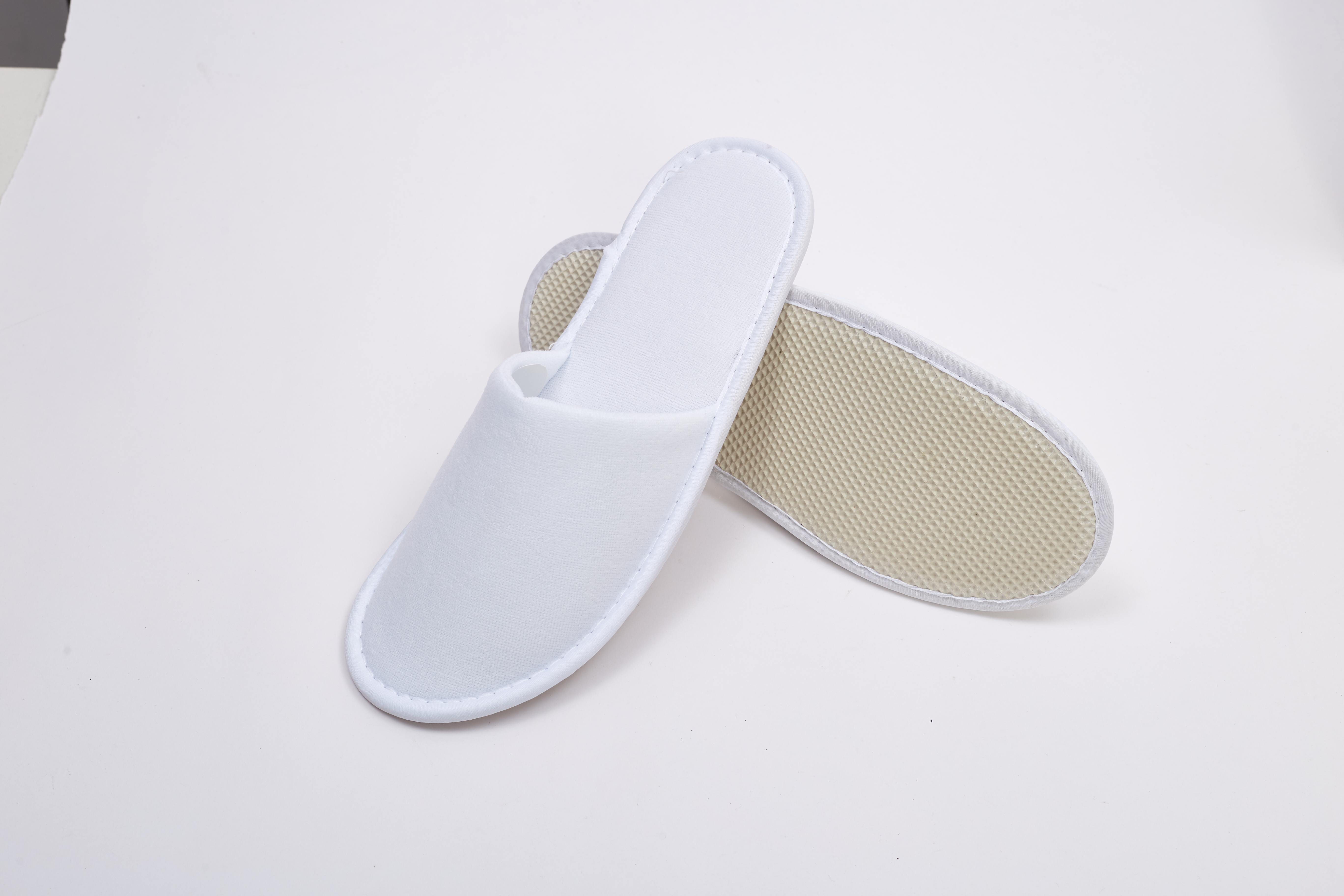
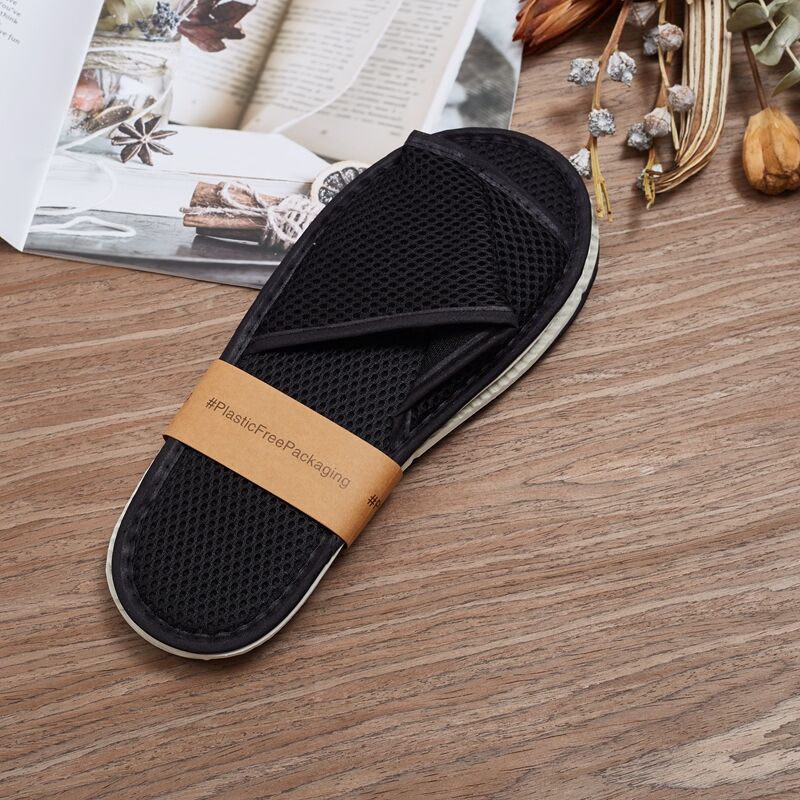
The financial benefits of cheap hotel disposable slippers create compelling business cases for hospitality establishments seeking to optimize operational costs while maintaining guest amenity standards. Traditional reusable slippers require substantial ongoing investments in washing equipment, detergents, fabric softeners, energy consumption, and dedicated staff time for collection, sorting, laundering, and redistribution processes. The elimination of these recurring expenses through disposable alternatives generates immediate cost savings that accumulate significantly over time, particularly for high-volume properties with frequent guest turnover. Bulk purchasing agreements for cheap hotel disposable slippers enable hotels to secure favorable unit prices while reducing procurement administration costs associated with frequent reordering of replacement items for worn-out reusable alternatives. The predictable pricing structure of disposable options facilitates accurate budget planning and eliminates unexpected expenses related to equipment repairs, increased utility bills, or rush orders for replacement inventory. Labor cost reductions represent substantial operational advantages, as housekeeping staff can focus on core cleaning responsibilities rather than managing slipper laundering workflows that require sorting, loading, monitoring wash cycles, drying, and inventory management. The streamlined housekeeping process improves room turnover efficiency, enabling hotels to accommodate more guests and generate increased revenue without expanding staff numbers. Maintenance costs associated with washing machines, dryers, and related equipment disappear entirely when hotels transition to disposable slipper systems, freeing up capital for other business investments. The reduced storage requirements for compact disposable inventory eliminate the need for large laundry facilities, potentially allowing hotels to repurpose valuable space for revenue-generating activities such as additional guest rooms or amenities. Supply chain simplification reduces administrative overhead, as hotels can establish straightforward ordering relationships with disposable slipper suppliers rather than managing complex procurement processes for durable goods, washing supplies, and maintenance services. The scalability of disposable slipper programs allows hotels to adjust inventory levels based on seasonal occupancy fluctuations without worrying about underutilized washing equipment or excess reusable inventory during slow periods, maximizing operational efficiency throughout varying business cycles.

 EN
EN