Cost-Effective Solution for Multiple Applications
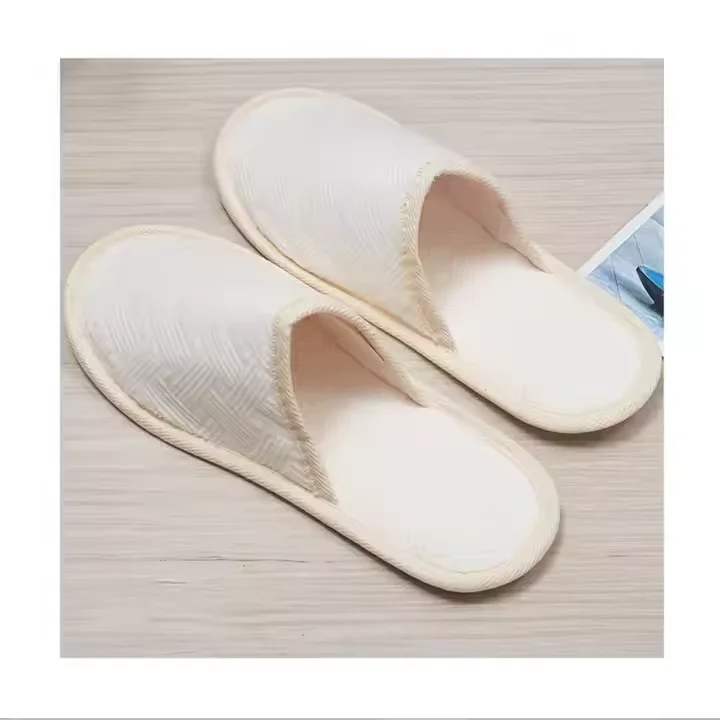
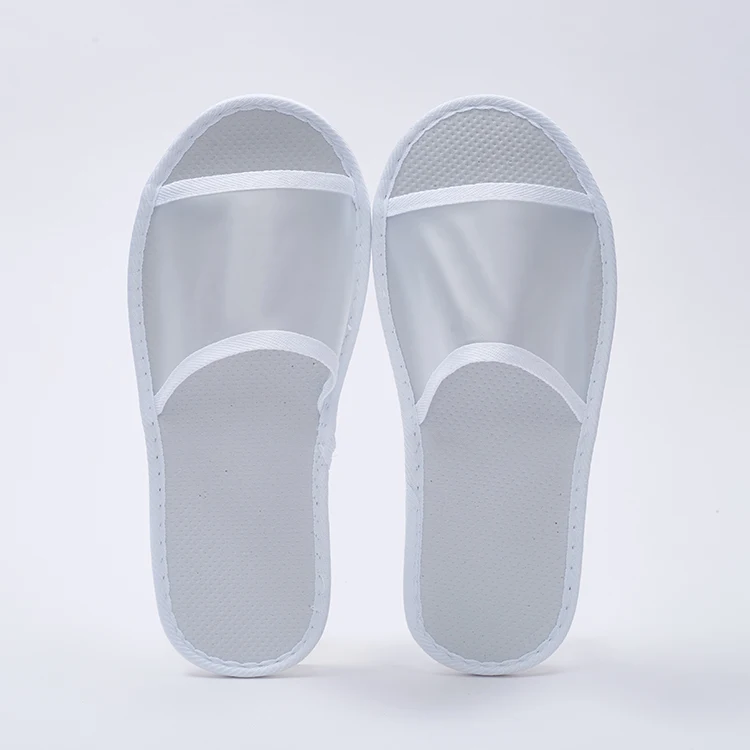
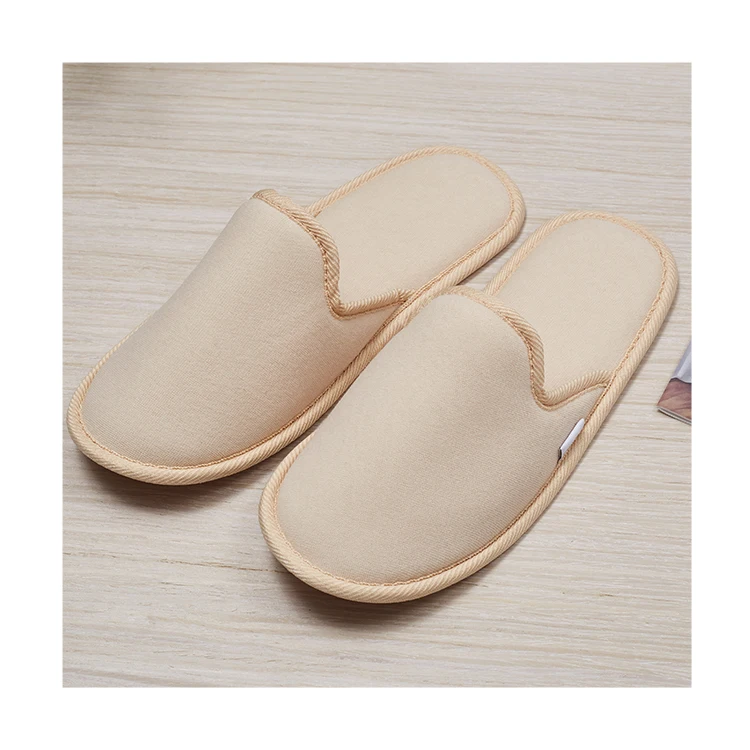
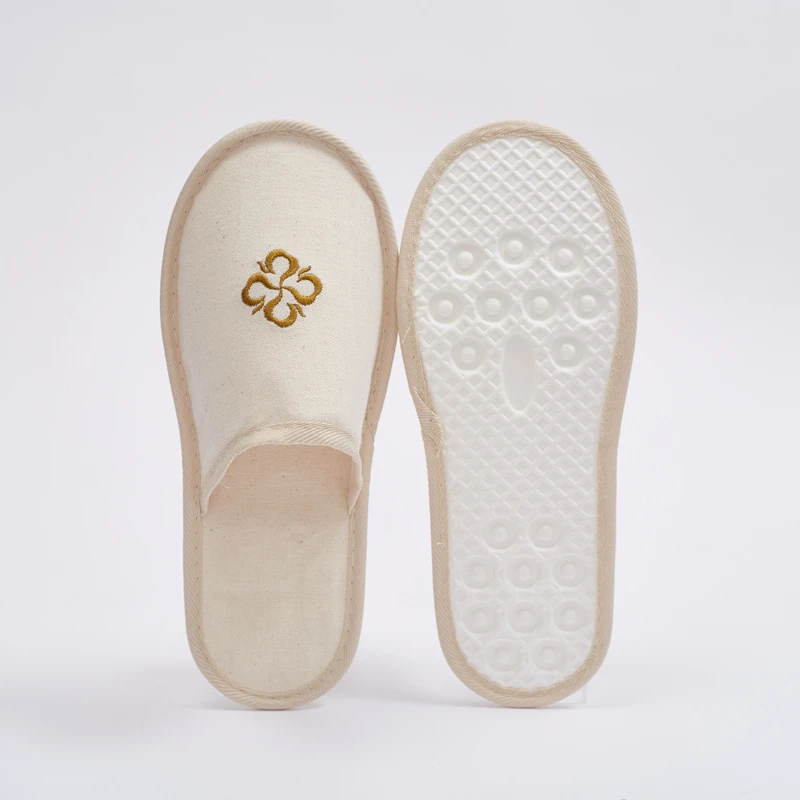
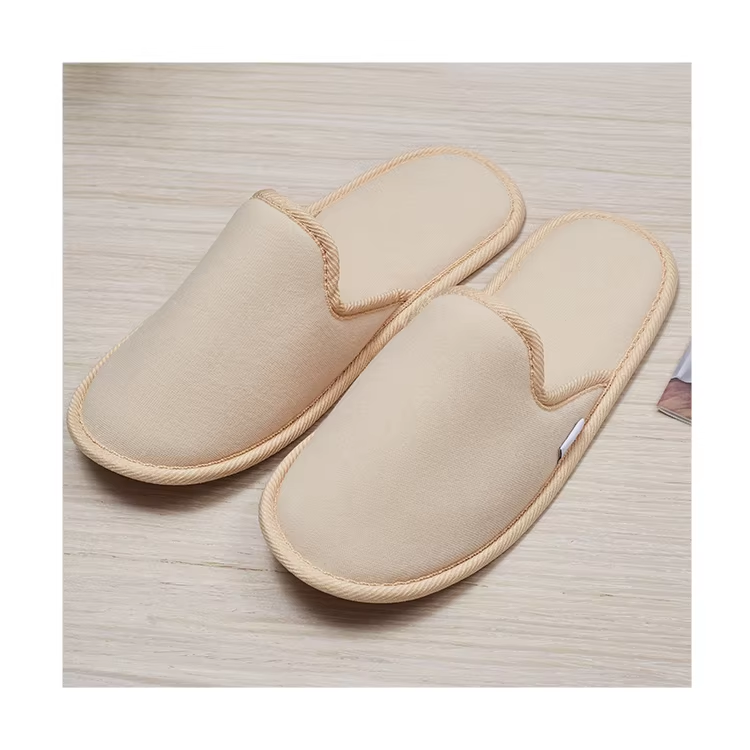
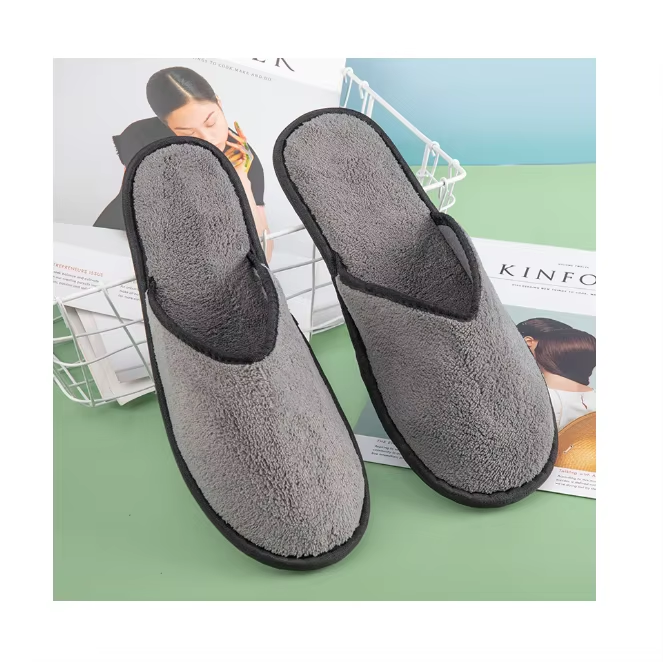
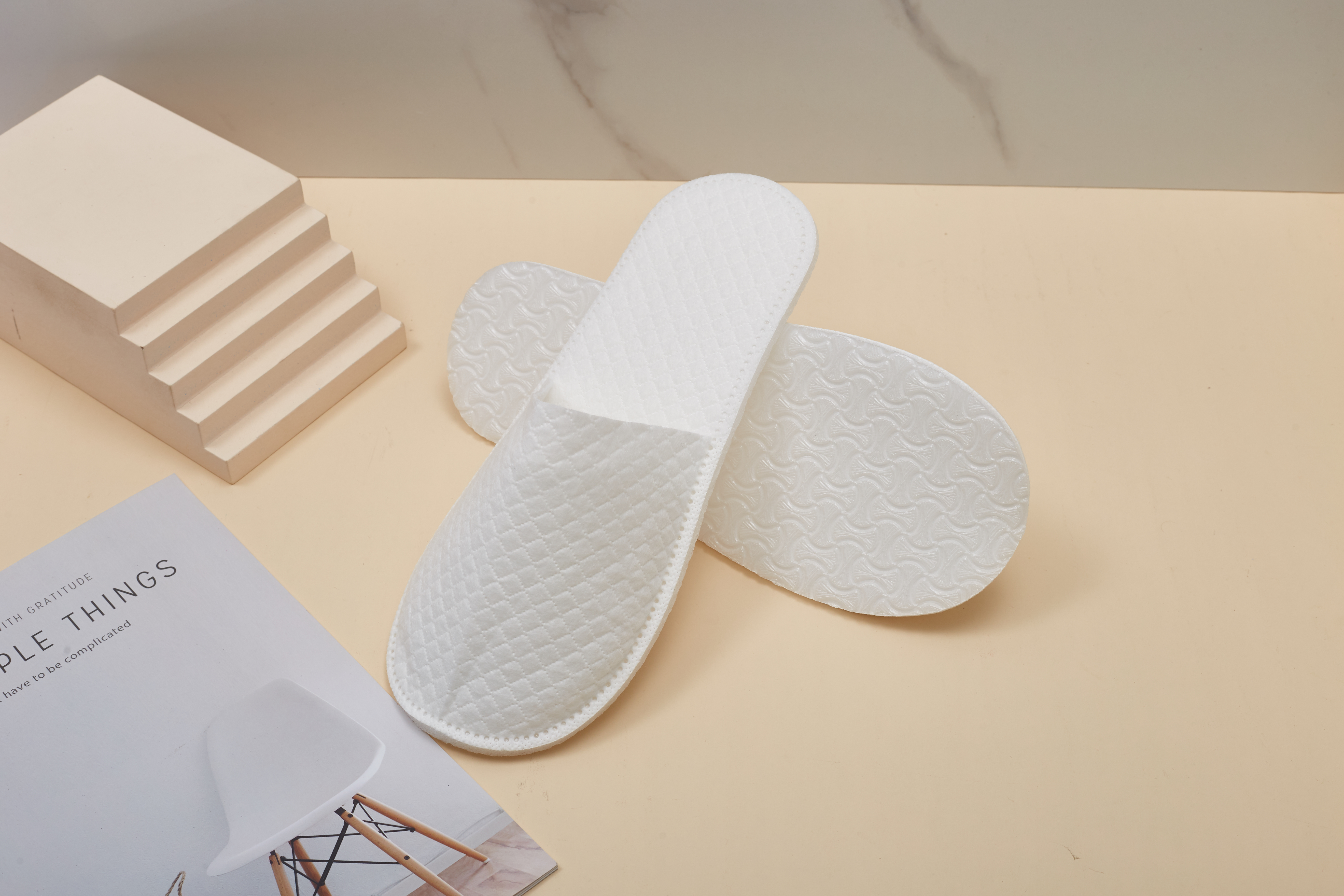
Financial benefits become immediately apparent when you buy disposable slippers for various applications, as the cost-per-use ratio often proves more economical than purchasing, maintaining, and replacing traditional reusable alternatives. Budget-conscious consumers and businesses discover significant savings when comparing the total cost of ownership between disposable and permanent slipper solutions. The elimination of cleaning, sanitization, and replacement costs associated with traditional slippers creates substantial long-term savings, particularly for high-volume applications such as hotels, medical facilities, or event venues. Bulk purchasing options further reduce per-unit costs when you buy disposable slippers in larger quantities, making them even more economical for businesses or individuals with ongoing needs. The predictable pricing structure allows for accurate budgeting and cost forecasting without unexpected expenses related to repairs, replacements, or specialized cleaning requirements. Small businesses benefit from the reduced overhead associated with inventory management, as disposable slippers require minimal storage space and eliminate concerns about theft, loss, or damage to expensive reusable alternatives. Healthcare facilities realize cost efficiencies through reduced infection control expenses, as disposable slippers eliminate the need for specialized cleaning equipment and procedures required to sanitize reusable footwear properly. The time savings associated with disposable options translate directly into labor cost reductions for businesses that would otherwise dedicate staff hours to slipper collection, cleaning, and redistribution processes. Insurance considerations may favor disposable slippers in certain applications, as they reduce liability risks associated with slip-and-fall accidents caused by improperly maintained or worn reusable footwear. The consistent quality and performance characteristics of new disposable slippers eliminate variables that might contribute to safety incidents with aging reusable alternatives. Return on investment calculations consistently favor disposable solutions when factoring in all associated costs, including initial purchase prices, maintenance expenses, storage requirements, and replacement schedules. The flexibility to purchase exactly the quantities needed for specific events or time periods prevents overinvestment in permanent footwear that may sit unused for extended periods.
 EN
EN