All Categories

Get a Free Quote

Our representative will contact you soon.
Email
WhatsApp
Name
Company Name
Message
0/1000
airline slippers production factory-0

Home > 

airline slippers production factory

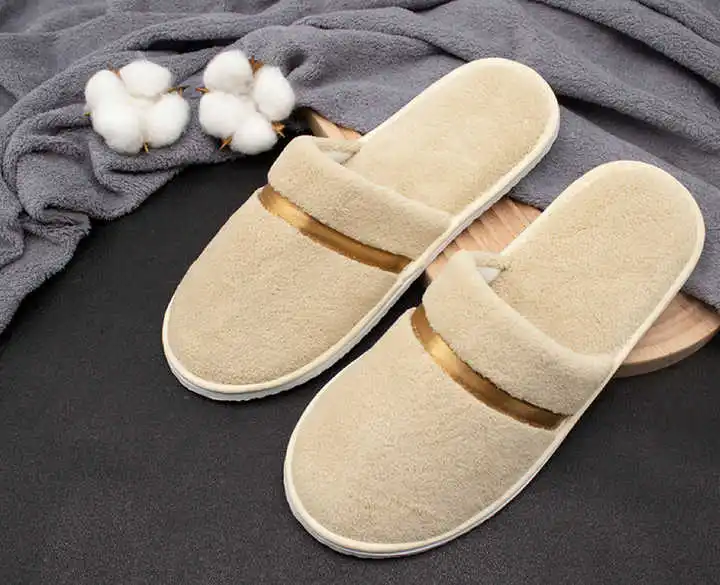
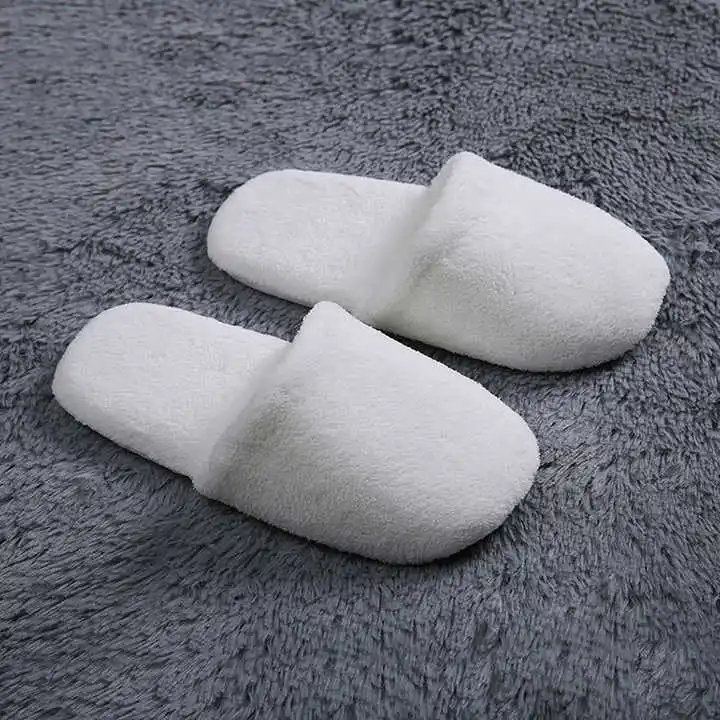
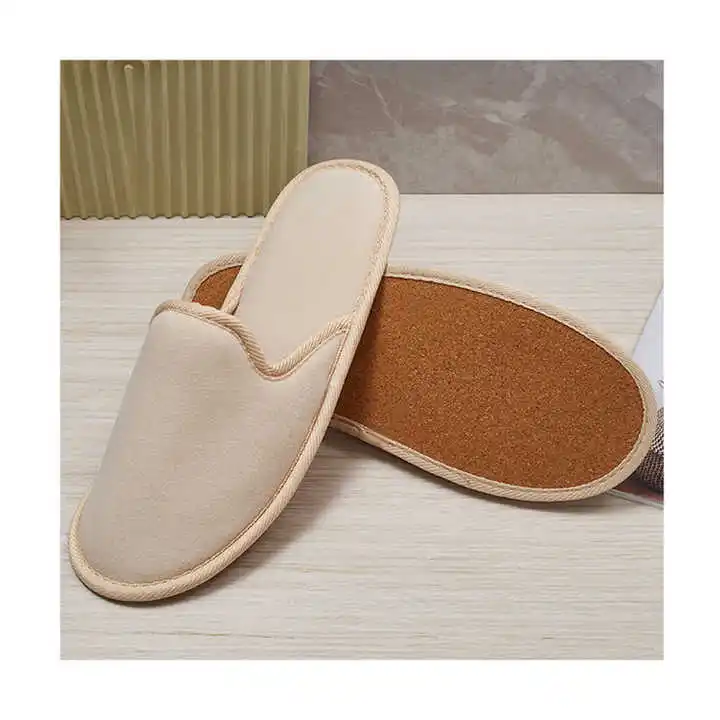
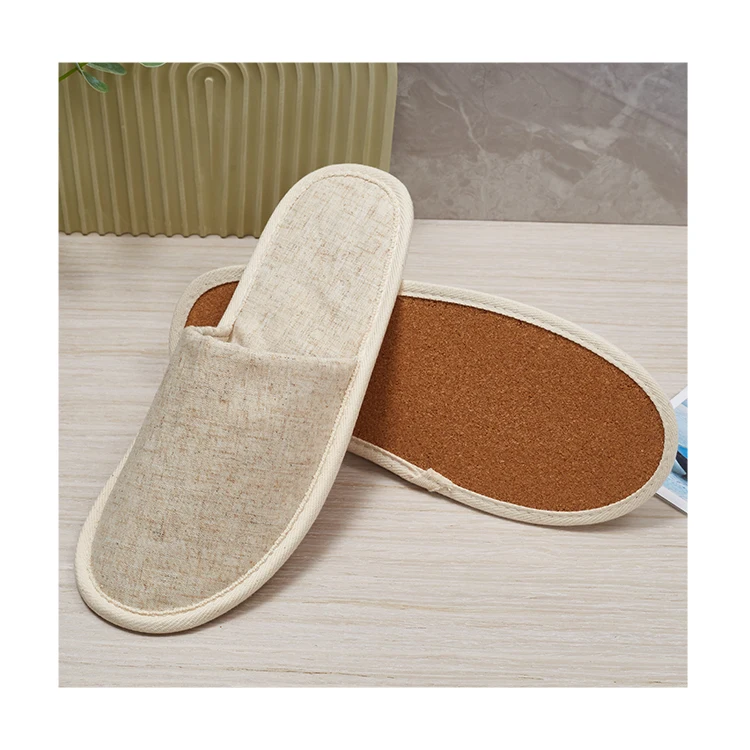
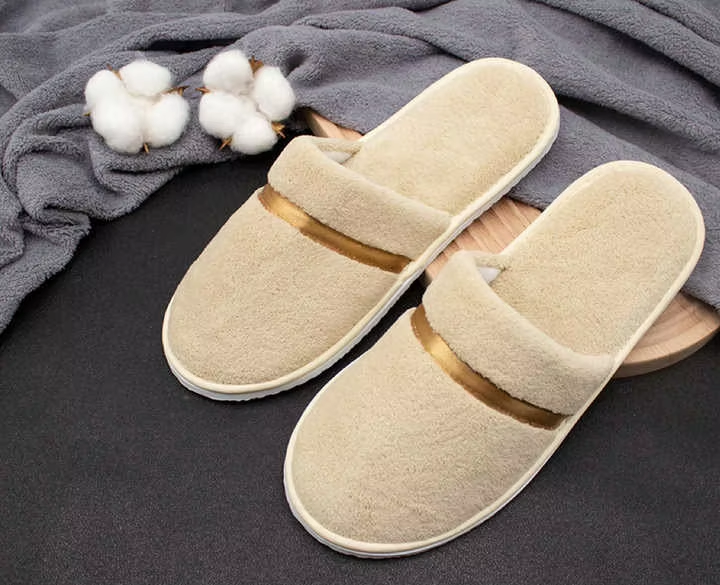
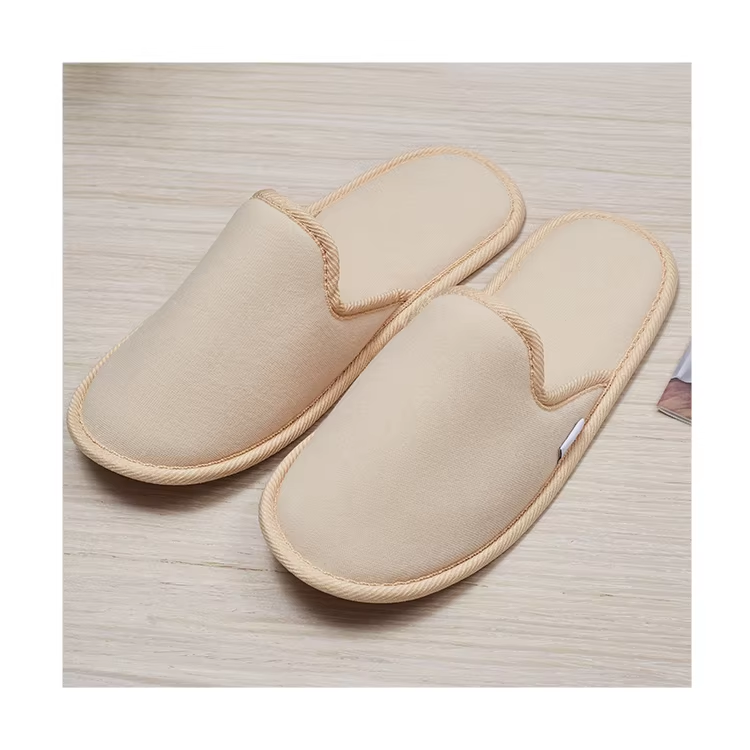
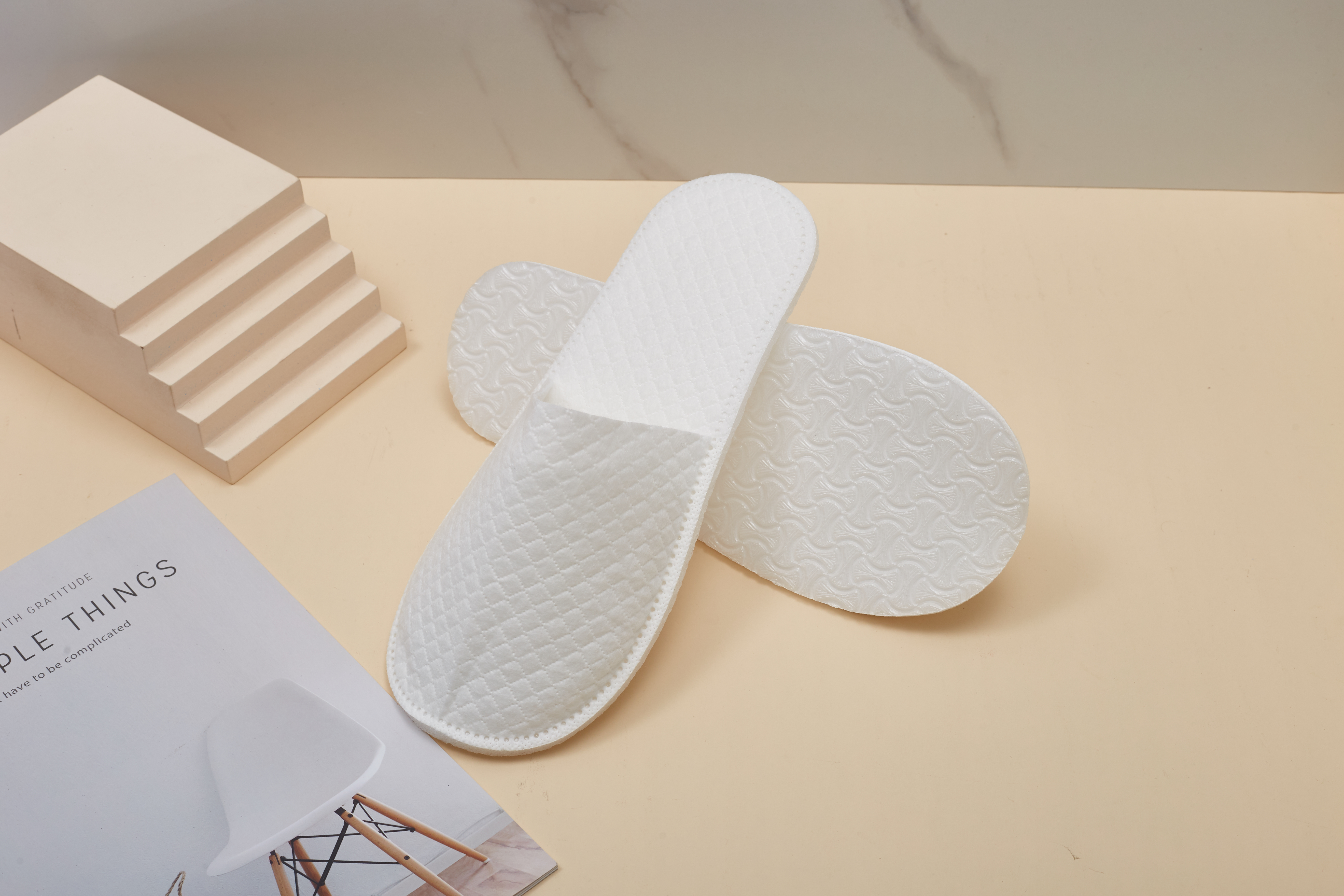
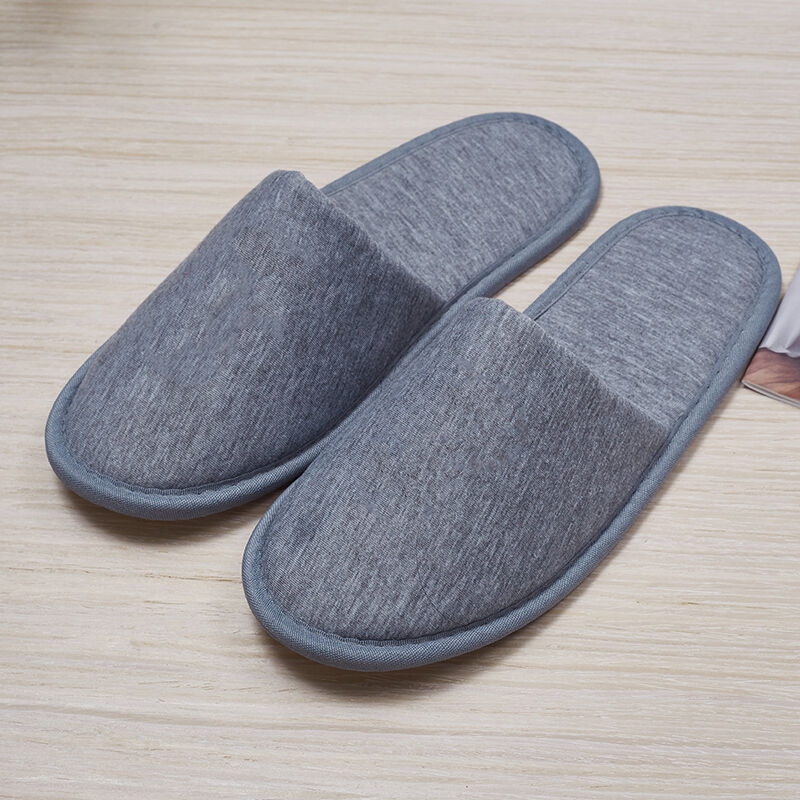
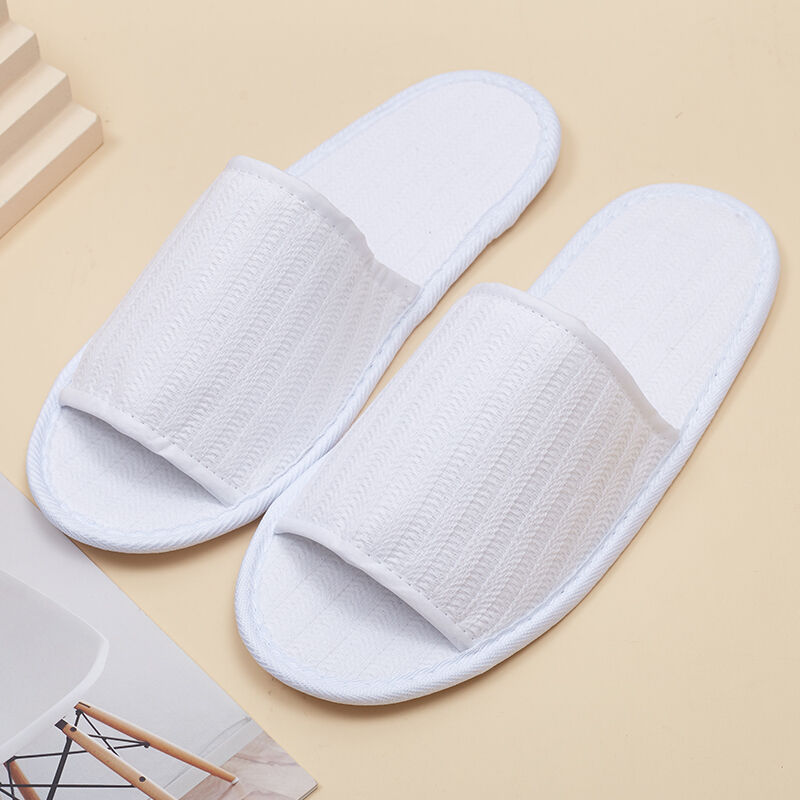
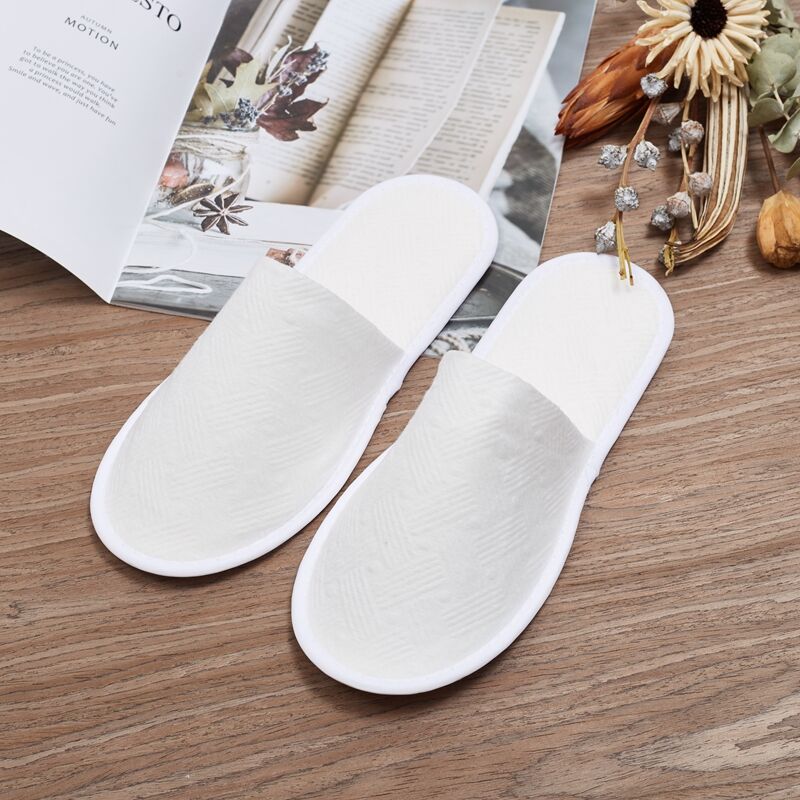
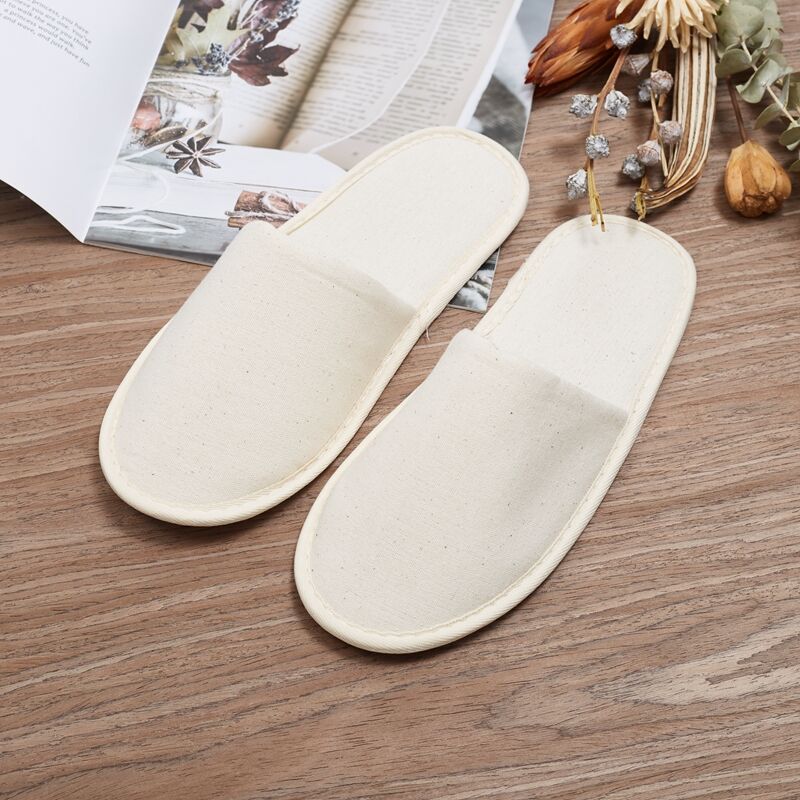
An airline slippers production factory serves as a specialized manufacturing facility dedicated to creating comfortable, disposable footwear designed specifically for airline passengers and hospitality industries. These state-of-the-art facilities operate with precision-engineered machinery and streamlined processes to produce millions of high-quality slippers annually. The primary function of an airline slippers production factory encompasses the entire manufacturing cycle, from raw material processing to final packaging and distribution. These facilities typically feature automated cutting systems that precisely shape materials, advanced stitching equipment for durable construction, and quality control stations ensuring each product meets strict aviation industry standards. The technological features of modern airline slippers production factories include computer-controlled cutting tables that minimize waste, automated assembly lines that increase efficiency, and integrated inventory management systems that track production in real-time. Temperature-controlled environments maintain optimal conditions for material handling, while specialized packaging equipment ensures hygienic storage and transport. The applications of these factories extend beyond commercial aviation to include luxury hotels, spas, medical facilities, and premium transportation services. Airlines partner with these production facilities to provide passengers with comfortable in-flight footwear that enhances the travel experience. The manufacturing process incorporates eco-friendly materials and sustainable practices, with many airline slippers production factory locations implementing recycling programs and biodegradable material options. Quality assurance protocols involve rigorous testing for durability, comfort, and safety standards. Production capacity typically ranges from thousands to millions of pairs per month, depending on facility size and technological capabilities. These factories employ skilled workers who operate sophisticated machinery and maintain stringent hygiene standards throughout the production process, ensuring every pair of slippers meets the exacting requirements of the aviation and hospitality industries.

New Product Recommendations

The airline slippers production factory offers numerous compelling advantages that directly benefit customers seeking reliable, cost-effective footwear solutions for their business operations. Manufacturing efficiency stands as a primary advantage, with these specialized facilities producing large quantities of slippers at competitive prices through optimized production processes. This efficiency translates to significant cost savings for airlines, hotels, and other businesses that require bulk purchases of disposable footwear. The streamlined manufacturing approach reduces overhead expenses while maintaining consistent quality standards across all products. Quality control represents another major advantage, as dedicated airline slippers production factory facilities implement comprehensive testing protocols that ensure every product meets industry specifications. These facilities employ trained quality assurance teams who inspect materials, monitor production processes, and conduct final product evaluations. This rigorous approach guarantees customers receive slippers that perform reliably under various conditions while providing optimal comfort for end users. Customization capabilities offer substantial value to clients with specific branding or design requirements. Modern airline slippers production factory operations can accommodate custom colors, logos, packaging, and sizing options without compromising production efficiency. This flexibility allows airlines and hospitality companies to maintain brand consistency while providing passengers with personalized amenities. Supply chain reliability ensures consistent product availability when customers need it most. These factories maintain strategic inventory levels and implement robust logistics systems that guarantee timely delivery schedules. This reliability prevents costly disruptions to business operations and maintains customer satisfaction levels. Environmental responsibility has become increasingly important, with many airline slippers production factory facilities adopting sustainable practices that appeal to environmentally conscious clients. These practices include using recyclable materials, implementing waste reduction programs, and optimizing energy consumption throughout manufacturing processes. Technical innovation drives continuous improvement in product design and manufacturing efficiency. These facilities invest in advanced machinery and production techniques that enhance product quality while reducing costs. Research and development departments work constantly to improve comfort features, durability characteristics, and aesthetic appeal of airline slippers.

Tips And Tricks

How Do Spa Slippers Enhance Comfort in Hotels and Wellness Centers?

05

Dec

How Do Spa Slippers Enhance Comfort in Hotels and Wellness Centers?

In the competitive hospitality and wellness industry, guest satisfaction depends heavily on attention to detail and comfort amenities. Among the many touchpoints that influence guest experience, spa slippers play a crucial role in creating a sense of...
View More
Why Are Eco-Friendly Hotel Slippers a Must for Sustainable Hotels?

23

Dec

Why Are Eco-Friendly Hotel Slippers a Must for Sustainable Hotels?

The hospitality industry has undergone a significant transformation in recent years, with sustainability becoming a cornerstone of modern hotel operations. Hotels worldwide are recognizing that environmental responsibility is not just a trend but a f...
View More
Why Are Biodegradable Hotel Slippers the Future of Eco Hotels?

04

Jan

Why Are Biodegradable Hotel Slippers the Future of Eco Hotels?

Industrial safety footwear represents a critical component of personal protective equipment across numerous sectors, from manufacturing plants to construction sites. The importance of selecting appropriate industrial safety footwear cannot be oversta...
View More
How Do Hotel Slippers Improve Guest Comfort and Satisfaction?

22

Jan

How Do Hotel Slippers Improve Guest Comfort and Satisfaction?

The hospitality industry thrives on delivering exceptional guest experiences, and hotel slippers have emerged as a crucial amenity that significantly impacts visitor satisfaction. These simple yet essential items provide guests with immediate comfort...
View More

Get a Free Quote

Our representative will contact you soon.
Email
WhatsApp
Name
Company Name
Message
0/1000

airline slippers production factory

Advanced Manufacturing Technology Integration

Advanced Manufacturing Technology Integration

The airline slippers production factory leverages cutting-edge manufacturing technology that revolutionizes traditional footwear production methods through automation and precision engineering. Computer-controlled cutting systems represent a cornerstone of this technological advancement, utilizing laser-guided precision to minimize material waste while maximizing production efficiency. These automated systems can process thousands of slipper components daily with consistent accuracy that far exceeds manual cutting methods. The integration of robotic assembly lines further enhances production capabilities, with programmable machines handling delicate stitching operations and component assembly with remarkable speed and consistency. Quality monitoring sensors embedded throughout the production line continuously assess product specifications, automatically flagging items that deviate from established standards. This real-time quality control system prevents defective products from advancing through production stages, significantly reducing waste and ensuring customer satisfaction. Advanced inventory management software coordinates raw material procurement, production scheduling, and finished product distribution through sophisticated algorithms that optimize resource allocation. Temperature and humidity control systems maintain optimal environmental conditions throughout the airline slippers production factory, ensuring materials remain stable and processing conditions remain consistent regardless of external weather variations. Digital tracking systems monitor individual products from initial material cutting through final packaging, creating comprehensive production records that facilitate quality assurance and enable rapid identification of any issues. Automated packaging equipment applies hygienic sealing processes that protect products from contamination while optimizing storage space and transportation efficiency. Energy-efficient LED lighting systems and climate control technologies reduce operational costs while maintaining ideal working conditions for both machinery and personnel. Predictive maintenance protocols utilize sensor data to anticipate equipment service needs, minimizing unexpected downtime and maximizing production consistency. This technological integration ensures the airline slippers production factory operates at peak efficiency while delivering superior products that meet the demanding requirements of aviation and hospitality industries.
Comprehensive Quality Assurance Programs

Comprehensive Quality Assurance Programs

The airline slippers production factory implements extensive quality assurance programs that establish industry-leading standards for comfort, durability, and safety across all manufactured products. Multi-stage inspection processes begin with incoming raw material evaluation, where trained specialists assess fabric quality, dimensional accuracy, and compliance with specified material properties. These initial inspections prevent substandard materials from entering production lines, ensuring consistent quality throughout manufacturing processes. In-process quality checkpoints occur at critical production stages, with dedicated quality control technicians evaluating stitching integrity, component alignment, and dimensional accuracy using precision measuring instruments. Statistical process control methods track quality metrics in real-time, enabling immediate adjustments to manufacturing parameters when variations are detected. Finished product testing involves comprehensive evaluation protocols that assess comfort characteristics, durability under simulated use conditions, and compliance with safety standards. Specialized testing equipment subjects samples to accelerated wear testing, temperature extremes, and stress analysis to verify performance under demanding conditions. Microbiological testing ensures products meet hygiene standards required for airline and hospitality applications, with particular attention to antimicrobial properties and resistance to bacterial growth. Packaging integrity testing evaluates seal strength, barrier properties, and storage stability to guarantee products remain pristine during transportation and storage. Documentation systems maintain detailed records of all quality control activities, enabling complete traceability and facilitating continuous improvement initiatives. Customer feedback integration allows the airline slippers production factory to incorporate real-world performance data into quality improvement programs. Regular calibration of testing equipment ensures measurement accuracy and consistency across all quality control activities. Third-party certification programs provide independent verification of quality management systems and product compliance with international standards. These comprehensive quality assurance measures ensure customers receive consistently superior products that enhance passenger comfort and satisfaction while meeting stringent industry requirements for safety and performance.
Sustainable Manufacturing Practices and Environmental Responsibility

Sustainable Manufacturing Practices and Environmental Responsibility

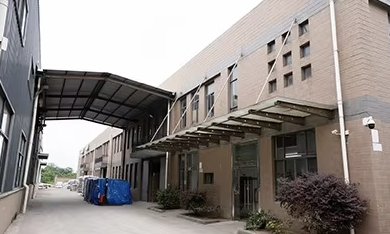
The airline slippers production factory demonstrates unwavering commitment to environmental stewardship through innovative sustainable manufacturing practices that minimize ecological impact while maintaining operational efficiency and product quality. Eco-friendly material sourcing prioritizes renewable, biodegradable, and recycled materials that reduce environmental footprint without compromising product performance or comfort characteristics. Partnership agreements with certified sustainable suppliers ensure raw materials meet strict environmental standards while supporting responsible forestry and textile production practices. Water conservation initiatives implement closed-loop systems that recycle process water, dramatically reducing consumption while maintaining necessary cleaning and production requirements. Advanced filtration technologies treat wastewater to environmental standards before release, protecting local water resources and aquatic ecosystems. Energy efficiency improvements include installation of solar panels, LED lighting systems, and high-efficiency machinery that significantly reduces carbon footprint while lowering operational costs. Waste minimization programs implement comprehensive recycling strategies that divert production waste from landfills, with fabric scraps and packaging materials processed into secondary products or donated to appropriate organizations. Chemical usage reduction focuses on eliminating harmful substances while maintaining product quality through innovative alternative treatments and processes. Carbon footprint monitoring tracks emissions across all production activities, enabling targeted reduction strategies and supporting corporate sustainability goals. Employee education programs promote environmental awareness and encourage sustainable practices throughout the airline slippers production factory workforce. Packaging optimization reduces material usage while maintaining product protection, utilizing recyclable materials and right-sizing strategies that minimize transportation impacts. Local sourcing initiatives reduce transportation-related emissions while supporting regional economies and reducing supply chain vulnerabilities. Environmental management systems certified to ISO 14001 standards demonstrate systematic approaches to environmental responsibility and continuous improvement. Regular environmental audits assess compliance with regulations and identify opportunities for further sustainability enhancements. These comprehensive sustainable practices ensure the airline slippers production factory operates responsibly while delivering high-quality products that align with customer values and regulatory requirements for environmental protection.

Get a Free Quote

Our representative will contact you soon.
Email
WhatsApp
Name
Company Name
Message
0/1000