
When hospitality properties invest in eco friendly hotel slippers, the commitment to sustainability does not end at the point of purchase. How these slippers are cleaned, maintained, and eventually retired from service is just as important as the materials they are made from. Choosing the wrong cleaning method can degrade biodegradable fibers, release harmful residues into wastewater systems, or shorten the usable life of a product that was designed to minimize environmental impact. For hotel operations teams and housekeeping managers, understanding which cleaning approaches align with the values embedded in eco friendly hotel slippers is a practical and pressing concern.

The answer is not one-size-fits-all. Eco friendly hotel slippers come in a range of materials — from organic cotton and bamboo terry to recycled polyester and natural cork — and each material responds differently to heat, moisture, and chemical exposure. This article examines the cleaning methods that work best across these material types, explains why certain approaches preserve both hygiene and sustainability credentials, and offers practical guidance for housekeeping teams managing high-volume guest turnover. Whether your property uses reusable or single-use eco friendly hotel slippers, the right cleaning protocol makes a measurable difference.
Understanding the Materials Behind Eco Friendly Hotel Slippers
Natural and Plant-Based Fiber Constructions
Many eco friendly hotel slippers are constructed from natural fibers such as organic cotton, bamboo, jute, or hemp. These materials are chosen precisely because they are biodegradable, renewable, and gentle on the environment throughout their lifecycle. However, they also have specific sensitivities that housekeeping teams must account for when selecting cleaning methods. Natural fibers can shrink, warp, or lose structural integrity when exposed to high-temperature washing cycles or aggressive alkaline detergents.
Bamboo terry, for example, is a popular upper material for eco friendly hotel slippers because it is naturally antimicrobial and moisture-wicking. Yet bamboo fibers are more delicate than conventional cotton and respond best to cool or warm water washing rather than hot cycles. Organic cotton soles and linings similarly benefit from gentle, plant-based detergents that do not strip the fiber's natural softness or introduce synthetic chemical residues. Understanding the fiber composition of your specific slipper product is the essential first step before establishing any cleaning protocol.
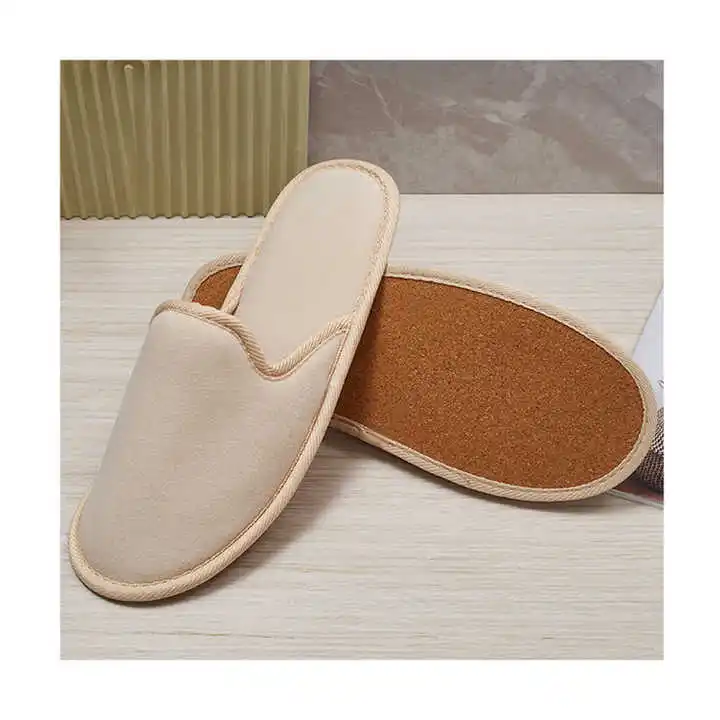
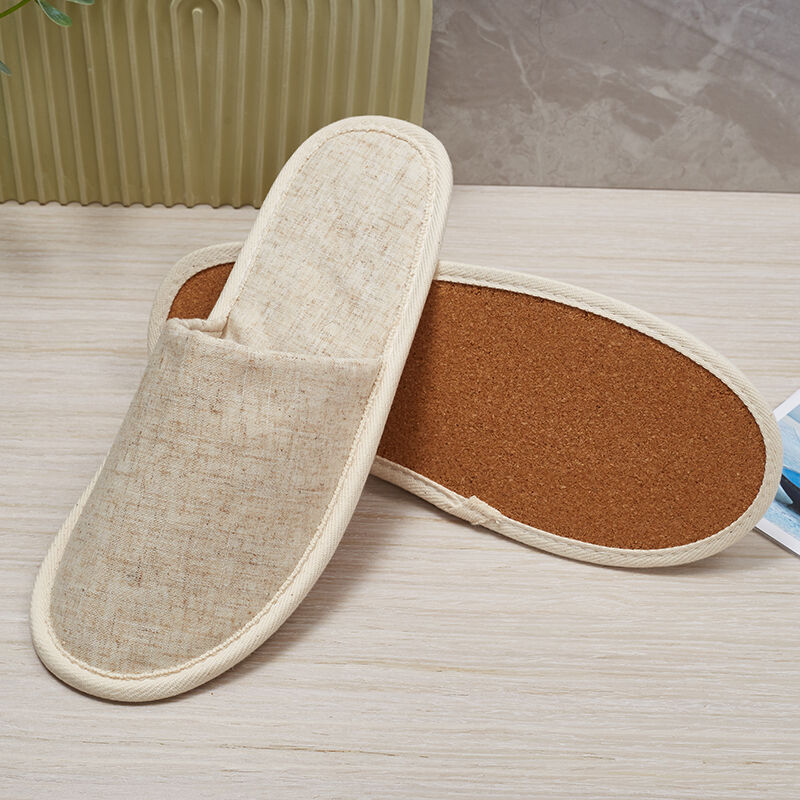
Jute and cork components, often used in the insole or outsole of eco friendly hotel slippers, require even more careful handling. These materials are not designed for full immersion washing and can delaminate or crack if saturated. Spot cleaning with a damp cloth and a mild, biodegradable soap solution is typically the most appropriate method for these components, preserving both the structural integrity and the natural aesthetic of the slipper.
Recycled and Synthetic Eco Material Constructions
Not all eco friendly hotel slippers rely on natural fibers. A growing segment of the market uses recycled polyester, reclaimed foam, or post-consumer plastic materials to construct slippers that divert waste from landfills while still delivering guest comfort. These materials tend to be more resilient to moisture and temperature variation than natural fibers, but they carry their own cleaning considerations.
Recycled polyester uppers, for instance, can tolerate machine washing at moderate temperatures, but they should not be tumble-dried at high heat, as this can cause fiber pilling or sole adhesive failure. More importantly, washing recycled synthetic textiles releases microplastic particles into wastewater. For hotels committed to a genuine sustainability position, this is a meaningful concern. Using a microfiber-catching laundry bag or a dedicated filtration system in the laundry facility can significantly reduce microplastic discharge when cleaning eco friendly hotel slippers made from recycled synthetics.
Reclaimed foam insoles are generally not washable and should be assessed for replacement rather than cleaning after extended guest use. The sustainability value of these components lies in their production origin, not their reusability, and attempting to wash them can accelerate breakdown and reduce the slipper's remaining service life.
Cleaning Methods That Preserve Sustainability Credentials
Cold and Warm Water Machine Washing
For reusable eco friendly hotel slippers made from washable natural or recycled fiber uppers, cold or warm water machine washing is generally the most effective and resource-efficient cleaning method. Cold water washing consumes significantly less energy than hot cycles and is sufficient to remove surface soiling, body oils, and light odor from guest use. When paired with a certified biodegradable, phosphate-free detergent, this method keeps the cleaning process aligned with the environmental values that eco friendly hotel slippers represent.
Warm water washing — typically in the range of 30 to 40 degrees Celsius — offers a stronger clean for slippers that have seen heavier use or require more thorough odor removal. This temperature range is effective against common bacteria and fungi without causing the fiber shrinkage or color fading that hot washing can produce. Hotels operating high-volume laundry facilities should standardize on this temperature range for their eco friendly hotel slippers to balance hygiene requirements with material longevity.
Mesh laundry bags are strongly recommended for machine washing eco friendly hotel slippers regardless of material type. They prevent sole abrasion against the drum, reduce the risk of adhesive separation, and help maintain the slipper's shape through the wash cycle. This small operational detail can meaningfully extend the usable life of reusable eco friendly hotel slippers and reduce the frequency of replacement orders.
Hand Washing and Spot Cleaning Protocols
For eco friendly hotel slippers with delicate natural components — particularly those incorporating cork, jute, or hand-stitched detailing — hand washing or targeted spot cleaning is the preferred approach. This method uses less water overall, avoids mechanical stress on the slipper structure, and allows housekeeping staff to focus cleaning effort on the areas that actually require it rather than subjecting the entire slipper to a full wash cycle.
A practical spot cleaning protocol involves a soft-bristled brush, lukewarm water, and a small amount of plant-based liquid soap. The brush is used to gently work the solution into soiled areas of the upper or lining, after which the area is blotted — not rubbed — with a clean damp cloth to remove soap residue. This approach is particularly effective for the inner lining of eco friendly hotel slippers, where foot contact creates the most concentrated soiling.
After hand washing or spot cleaning, eco friendly hotel slippers should be air-dried in a well-ventilated area away from direct sunlight or artificial heat sources. Forced drying with heat guns or tumble dryers can cause natural fibers to contract unevenly, distorting the slipper's fit and appearance. Air drying is slower but preserves the material quality that makes eco friendly hotel slippers worth maintaining in the first place.
Detergent and Chemical Selection for Eco-Aligned Cleaning
Why Detergent Choice Matters for Eco Friendly Hotel Slippers
The cleaning agent used on eco friendly hotel slippers is not a minor detail. Conventional laundry detergents often contain synthetic surfactants, optical brighteners, artificial fragrances, and phosphates — compounds that are effective at cleaning but problematic from an environmental standpoint. When these chemicals are rinsed from eco friendly hotel slippers and enter the wastewater stream, they can contribute to aquatic toxicity, disrupt water treatment processes, and undermine the sustainability narrative that the slippers themselves are meant to support.
Selecting a certified biodegradable detergent — one that carries recognized environmental certifications such as EU Ecolabel, USDA Certified Biobased, or equivalent third-party verification — ensures that the cleaning process does not introduce new environmental liabilities. These detergents are formulated to break down rapidly in wastewater systems and are typically free from the most problematic synthetic compounds found in conventional products.
For hotels that market their eco friendly hotel slippers as part of a broader green hospitality program, the choice of cleaning chemistry is a credibility issue as much as an operational one. Guests and sustainability auditors increasingly look at the full lifecycle of hospitality products, and a hotel that washes its eco friendly hotel slippers with conventional industrial detergents is presenting an inconsistency that attentive stakeholders will notice.
Enzyme-Based and Plant-Derived Cleaning Agents
Enzyme-based cleaners represent one of the most effective and environmentally responsible options for maintaining eco friendly hotel slippers. These products use biological enzymes — typically proteases, lipases, and amylases — to break down protein-based stains, body oils, and organic residues at the molecular level. Because they work through biological action rather than chemical aggression, they are effective at lower temperatures and leave no harmful residues on the slipper material or in the wastewater.
Plant-derived surfactants, derived from sources such as coconut oil or corn, offer a similarly low-impact cleaning mechanism. They are effective at lifting surface soiling from both natural and recycled fiber eco friendly hotel slippers without the environmental persistence of petroleum-derived surfactants. Many commercial hospitality cleaning suppliers now offer enzyme or plant-based laundry products specifically formulated for delicate textile applications, making it straightforward for hotel procurement teams to source appropriate products.
It is worth noting that enzyme-based cleaners require adequate contact time to be fully effective. Housekeeping protocols should account for a short pre-soak period — typically 10 to 15 minutes — before the main wash cycle when using these products on heavily soiled eco friendly hotel slippers. This ensures the enzymes have sufficient time to act on organic residues before the rinse cycle removes them.
Drying, Storage, and End-of-Life Considerations
Drying Methods That Protect Material Integrity
Drying is a stage of the cleaning process that is often underestimated in its impact on eco friendly hotel slippers. Improper drying — particularly the use of high-heat tumble dryers — is one of the most common causes of premature material degradation in reusable hospitality slippers. Natural fiber uppers can shrink by several percent in a single high-heat drying cycle, and repeated exposure compounds this effect until the slipper no longer fits correctly or presents well to guests.
Air drying on a clean, ventilated rack is the recommended approach for virtually all categories of eco friendly hotel slippers. In high-volume hotel laundry operations where air drying time is a constraint, low-heat tumble drying for a short initial period — followed by completion of drying at ambient temperature — offers a practical compromise. The key is to avoid sustained high-heat exposure, which damages both natural and recycled fiber constructions.
Proper storage after drying also contributes to the longevity of eco friendly hotel slippers. Slippers should be stored in a clean, dry environment with adequate airflow to prevent moisture accumulation, which can promote mold or mildew growth in natural fiber materials. Stacking slippers in sealed plastic bags for extended periods is counterproductive and inconsistent with the sustainability values these products represent.
Recognizing When Eco Friendly Hotel Slippers Should Be Retired
Even with optimal cleaning and maintenance, eco friendly hotel slippers have a finite service life. Knowing when to retire a slipper from guest use — rather than attempting to clean and redeploy it beyond its useful life — is an important part of responsible hospitality operations. Signs that eco friendly hotel slippers have reached end of service include visible sole wear, delamination of the upper from the base, persistent odor that does not resolve after cleaning, or structural deformation that affects fit and comfort.
The end-of-life pathway for eco friendly hotel slippers should be considered as part of the original procurement decision. Slippers made from certified compostable or biodegradable materials can be directed to industrial composting facilities, where they will break down without contributing to landfill volume. Slippers incorporating recycled synthetics may be eligible for textile recycling programs, depending on the specific material composition and local recycling infrastructure.
Hotels that communicate their end-of-life protocols to guests — through in-room information cards or sustainability program documentation — reinforce the credibility of their commitment to eco friendly hotel slippers as a genuine sustainability initiative rather than a marketing gesture. This transparency is increasingly valued by environmentally conscious travelers and corporate clients with sustainability procurement requirements.
FAQ
Can eco friendly hotel slippers be machine washed safely?
Yes, many eco friendly hotel slippers made from washable natural or recycled fiber materials can be machine washed safely, provided the correct settings are used. Cold or warm water cycles — typically 30 to 40 degrees Celsius — combined with a biodegradable detergent and a mesh laundry bag will clean the slippers effectively without causing shrinkage, adhesive failure, or fiber damage. Always check the specific material composition of your eco friendly hotel slippers before establishing a machine washing protocol, as cork, jute, or heavily structured sole components may require spot cleaning instead.
What detergents are safe to use on eco friendly hotel slippers?
Certified biodegradable detergents, enzyme-based cleaners, and plant-derived surfactant products are the most appropriate choices for cleaning eco friendly hotel slippers. These products clean effectively at lower temperatures, break down rapidly in wastewater systems, and do not introduce synthetic chemical residues that would undermine the environmental credentials of the slippers. Avoid conventional industrial detergents containing phosphates, optical brighteners, or synthetic fragrances, as these compounds are environmentally persistent and inconsistent with the sustainability values that eco friendly hotel slippers represent.
How often should reusable eco friendly hotel slippers be cleaned between guest stays?
Reusable eco friendly hotel slippers should be cleaned after every guest stay without exception. This is both a hygiene requirement and a quality assurance standard. Even if a slipper shows no visible soiling, body oils, skin cells, and microorganisms accumulate during use and must be removed before the slipper is redeployed. Establishing a consistent cleaning protocol — including washing, drying, inspection, and storage — as a standard part of room turnover procedures ensures that eco friendly hotel slippers always meet guest expectations and hygiene standards.
What is the best way to dispose of eco friendly hotel slippers at end of life?
The appropriate disposal method depends on the specific materials used in the eco friendly hotel slippers. Slippers made from certified compostable or biodegradable materials — such as organic cotton, bamboo, or natural rubber — can be directed to industrial composting facilities where they will break down without contributing to landfill waste. Slippers incorporating recycled synthetic materials may be eligible for textile recycling programs. Hotels should confirm the material composition and available end-of-life pathways with their slipper supplier at the time of procurement, so that a responsible disposal protocol can be established before the products reach end of service.