
 EN
EN

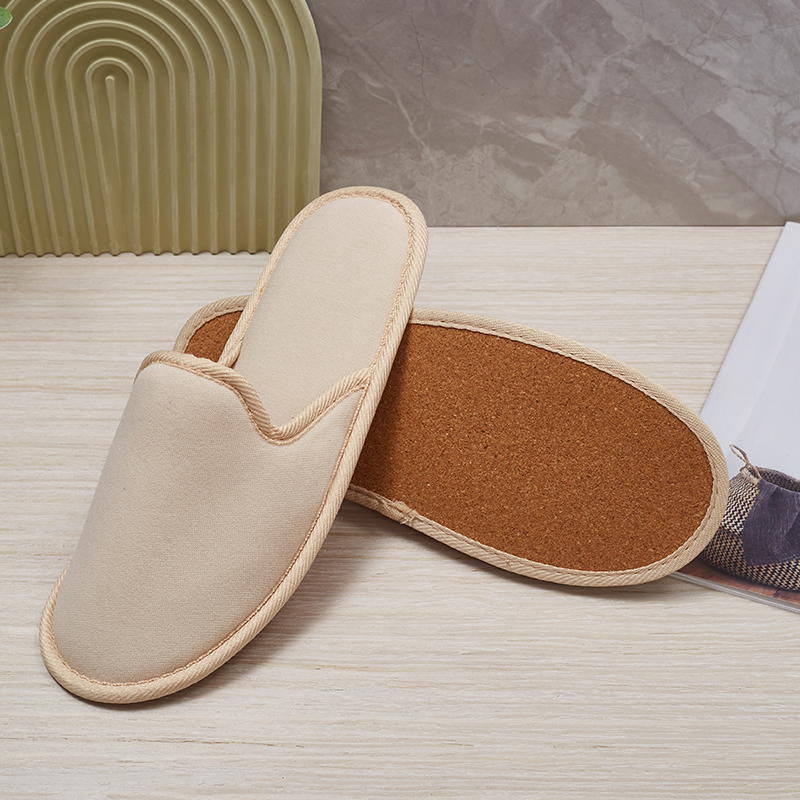
When guests step into a hotel room and slip on a pair of complimentary slippers, that small moment carries more weight than most hospitality managers realize. The materials and design choices behind eco friendly hotel slippers directly influence guest comfort, brand perception, and a property's environmental footprint. As sustainability becomes a core expectation rather than a bonus feature, understanding what separates a forgettable slipper from a genuinely impressive one is essential for any hotel procurement decision.
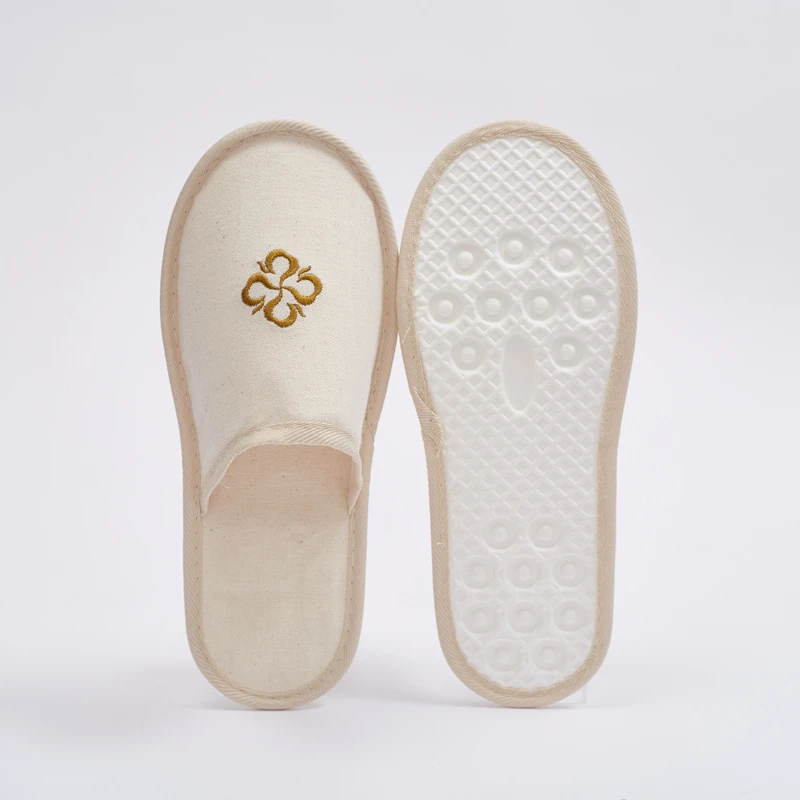
The best eco friendly hotel slippers are not simply made from recycled materials and called sustainable. They are the result of deliberate choices across fabric selection, sole construction, structural design, and end-of-life considerations. This article breaks down the specific materials and design principles that define quality in this category, helping hospitality buyers make informed decisions that satisfy guests and align with green commitments.
Why Material Selection Defines the Quality of Eco Friendly Hotel Slippers
Natural Fibers That Deliver Comfort and Sustainability
The upper material of a slipper is the first thing a guest feels, and natural fibers consistently outperform synthetic alternatives in both comfort and environmental profile. Cotton canvas is one of the most widely used materials in eco friendly hotel slippers because it is breathable, soft against bare skin, and biodegradable at the end of its life cycle. When sourced responsibly, cotton canvas carries a significantly lower environmental burden than polyester or nylon-based fabrics.
Terry cloth, made from looped cotton threads, is another popular choice for hotel slipper uppers. Its texture provides a gentle, towel-like feel that guests associate with luxury and cleanliness. Terry cloth also absorbs moisture effectively, which is particularly valuable in spa environments or after-shower use. For eco friendly hotel slippers, terry cloth made from organic or recycled cotton elevates the sustainability credentials without sacrificing the tactile quality guests expect.
Linen and bamboo-derived fabrics are gaining traction as alternative upper materials. Bamboo fiber is naturally antimicrobial, grows rapidly without pesticides, and produces a silky texture that feels premium. Linen, derived from the flax plant, is durable, moisture-wicking, and fully biodegradable. Both materials support the sustainability narrative that modern hotels are increasingly communicating to environmentally conscious travelers.
Sole Materials That Balance Grip, Durability, and Biodegradability
The sole is the structural foundation of any slipper, and in the context of eco friendly hotel slippers, the choice of sole material carries both functional and environmental implications. Pulp-based soles, often made from compressed paper pulp or plant fiber composites, represent one of the most sustainable options available. These soles are lightweight, provide adequate grip on smooth hotel flooring, and are fully biodegradable, making them ideal for single-use or short-stay applications.
Natural rubber soles offer a more durable alternative for properties that prefer reusable slippers. Natural rubber is derived from the Hevea brasiliensis tree, making it a renewable resource. It provides excellent traction, flexibility, and resilience across multiple uses. When combined with a washable cotton upper, natural rubber-soled eco friendly hotel slippers can be laundered and reused across multiple guest stays, reducing per-unit waste significantly.
EVA foam derived from bio-based sources is another emerging sole material. Traditional EVA is petroleum-based, but bio-EVA uses sugarcane ethanol as a feedstock, reducing carbon emissions during production. Bio-EVA soles offer cushioning and shock absorption comparable to conventional foam while supporting a more credible sustainability story for eco friendly hotel slippers positioned in the premium segment.
Design Principles That Elevate Eco Friendly Hotel Slippers Beyond Basic Comfort
Structural Design for Fit and Wearability
A slipper that fits poorly undermines every other quality attribute. The best eco friendly hotel slippers are designed with a universal fit logic that accommodates a wide range of foot sizes without feeling loose or restrictive. Open-toe designs with an elasticated or structured back strap tend to perform well across diverse guest demographics because they allow natural foot movement while maintaining secure positioning during wear.
Closed-toe designs offer a different value proposition, providing more coverage and warmth, which is particularly appreciated in cooler climates or during winter stays. The choice between open-toe and closed-toe formats should align with the hotel's climate, guest profile, and the overall amenity positioning. Many properties offer both formats to cater to different room categories or seasonal needs.
Sole thickness and arch support are often overlooked in budget slipper procurement but matter considerably for guest experience. A sole that is too thin provides no cushioning on hard tile or marble floors, while an overly thick sole can feel clumsy and awkward. Eco friendly hotel slippers in the mid-to-premium range typically feature a sole profile between 8mm and 15mm, offering a balance of comfort and material efficiency that avoids unnecessary resource use.
Packaging and Presentation Design
The design of eco friendly hotel slippers extends beyond the product itself to include how it is packaged and presented in the room. Slippers wrapped in recycled kraft paper or housed in a simple biodegradable sleeve communicate the sustainability message visually before the guest even puts them on. This packaging choice reinforces the hotel's environmental positioning and creates a cohesive guest experience.
Minimalist packaging also reduces material waste and lowers shipping weight, which has downstream benefits for logistics costs and carbon emissions. Hotels that have transitioned from plastic-wrapped slippers to paper-based packaging report positive guest feedback, particularly from travelers who actively seek out sustainable accommodation options.
Custom branding on eco friendly hotel slippers, whether through embossed logos on the sole, woven labels on the upper, or printed packaging, adds a layer of brand identity that transforms a functional amenity into a brand touchpoint. The key is ensuring that branding elements are applied using water-based inks or natural dyes that do not compromise the biodegradability of the product.
How Certifications and Standards Validate Eco Friendly Hotel Slippers
Material Certifications That Matter in Procurement
For hospitality buyers evaluating eco friendly hotel slippers, third-party certifications provide an objective basis for sustainability claims. The Global Organic Textile Standard, commonly known as GOTS, certifies that textile products meet rigorous organic farming and processing criteria. Slippers carrying GOTS-certified cotton or bamboo fabric have been verified through the supply chain, giving procurement teams confidence that the sustainability claims are substantiated.
OEKO-TEX Standard 100 certification indicates that a textile product has been tested for harmful substances and is safe for skin contact. While this certification focuses on chemical safety rather than environmental impact, it is highly relevant for hotel amenities that come into direct contact with guests. Many premium eco friendly hotel slippers carry both GOTS and OEKO-TEX certifications, addressing both environmental and health dimensions simultaneously.
For sole materials, certifications from organizations such as the Forest Stewardship Council for natural rubber sources, or verified bio-content claims for bio-EVA, provide additional assurance. Hotels that communicate these certifications in their sustainability reports or guest-facing materials strengthen their credibility with environmentally aware travelers and corporate clients with green procurement policies.
Lifecycle Considerations and End-of-Life Design
The sustainability of eco friendly hotel slippers is not fully captured by material sourcing alone. Lifecycle thinking requires consideration of how the product behaves at the end of its useful life. Slippers designed for single-use should be fully compostable or biodegradable, breaking down in standard composting conditions without leaving microplastic residues. Pulp soles and natural fiber uppers meet this criterion when assembled without synthetic adhesives or metal components.
Reusable eco friendly hotel slippers require a different lifecycle strategy. They should be designed to withstand industrial laundering at temperatures sufficient to meet hygiene standards, typically above 60 degrees Celsius, without degrading structurally or losing their shape. Natural rubber soles and tightly woven cotton uppers generally perform well under repeated wash cycles, making them suitable for properties that operate a slipper laundering program.
Some hotels are exploring take-back or composting programs where guests are invited to leave used slippers for composting rather than discarding them in general waste. This approach requires slippers that are certified compostable and a logistics infrastructure to support collection. While still relatively niche, these programs represent the leading edge of circular economy thinking applied to hotel amenities, and eco friendly hotel slippers designed with this end-use in mind are increasingly available from specialist suppliers.
Matching Eco Friendly Hotel Slippers to Property Type and Guest Expectations
Luxury and Boutique Properties
Luxury hotels and boutique properties operate in a segment where guest expectations for both quality and sustainability are highest. In this context, eco friendly hotel slippers must deliver a tactile and visual experience that feels genuinely premium rather than merely adequate. Thick terry cloth uppers, natural rubber soles with subtle tread patterns, and custom embroidered branding are typical features of slippers positioned for this segment.
Guests at luxury properties are often well-traveled and discerning. They notice the difference between a slipper that has been thoughtfully designed and one that has been sourced purely on cost. Eco friendly hotel slippers in this category often feature additional details such as memory foam insoles made from bio-based materials, reinforced heel cups for better support, and packaging that includes a brief sustainability message explaining the materials used and their environmental benefits.
For boutique properties with a strong sustainability identity, the slipper itself can become a storytelling vehicle. A slipper made from locally sourced organic cotton with a hand-stamped logo and wrapped in seed paper packaging communicates authenticity and craft in a way that resonates deeply with guests who have chosen the property specifically for its values alignment.
Mid-Scale and Extended-Stay Properties
Mid-scale hotels and extended-stay properties face a different set of constraints. Budget considerations are more prominent, and the volume of slippers required is typically higher. In this segment, eco friendly hotel slippers need to balance sustainability credentials with cost efficiency. Pulp-soled slippers with cotton canvas uppers represent a strong value proposition, offering genuine biodegradability at a price point that works for high-volume procurement.
Extended-stay properties benefit from investing in reusable eco friendly hotel slippers that can be laundered between guest stays. The higher upfront cost per unit is offset by the reduced frequency of replacement, and the environmental benefit of reduced waste aligns with the sustainability commitments that many extended-stay brands are formalizing in their corporate responsibility frameworks.
For mid-scale properties, the packaging of eco friendly hotel slippers is an area where meaningful sustainability gains can be achieved without significant cost increases. Switching from individual plastic bags to a simple recycled paper band reduces plastic waste substantially across a full year of operations, and the visual impact in the room communicates a sustainability message that guests increasingly value and mention in online reviews.
FAQ
What makes a hotel slipper genuinely eco friendly rather than just marketed as sustainable?
Genuinely eco friendly hotel slippers are distinguished by verifiable material certifications, such as GOTS or OEKO-TEX, the use of natural or bio-based materials throughout the product including the sole and any adhesives, and packaging that is plastic-free and biodegradable. Marketing claims without supporting certifications or transparent material disclosures should be treated with caution during procurement evaluation.
Are eco friendly hotel slippers durable enough for reuse across multiple guest stays?
Yes, when designed for reuse. Eco friendly hotel slippers made with natural rubber soles and tightly woven organic cotton uppers can withstand repeated industrial laundering without significant degradation. The key is selecting products specifically designed and tested for reuse rather than repurposing single-use designs, which are not engineered to maintain structural integrity through multiple wash cycles.
How do pulp-bottom slippers perform compared to rubber-soled options on hotel flooring?
Pulp-bottom eco friendly hotel slippers perform well on smooth surfaces such as tile, marble, and hardwood, which are common in hotel rooms and bathrooms. They provide adequate grip for typical in-room use. Natural rubber soles offer superior traction and are better suited for properties where guests may wear slippers in corridors, spa areas, or on varied flooring surfaces. The choice depends on the intended use context and the hotel's operational requirements.
Can custom branding be applied to eco friendly hotel slippers without compromising their sustainability?
Yes, provided the branding methods are compatible with the sustainability profile of the product. Water-based inks, natural dyes, and woven or embroidered labels are all approaches that maintain the biodegradability or compostability of eco friendly hotel slippers. Metallic foil printing or PVC-based labels should be avoided as they introduce non-biodegradable elements that complicate end-of-life processing.
Table of Contents
- Why Material Selection Defines the Quality of Eco Friendly Hotel Slippers
- Design Principles That Elevate Eco Friendly Hotel Slippers Beyond Basic Comfort
- How Certifications and Standards Validate Eco Friendly Hotel Slippers
- Matching Eco Friendly Hotel Slippers to Property Type and Guest Expectations
-
FAQ
- What makes a hotel slipper genuinely eco friendly rather than just marketed as sustainable?
- Are eco friendly hotel slippers durable enough for reuse across multiple guest stays?
- How do pulp-bottom slippers perform compared to rubber-soled options on hotel flooring?
- Can custom branding be applied to eco friendly hotel slippers without compromising their sustainability?