
 EN
EN

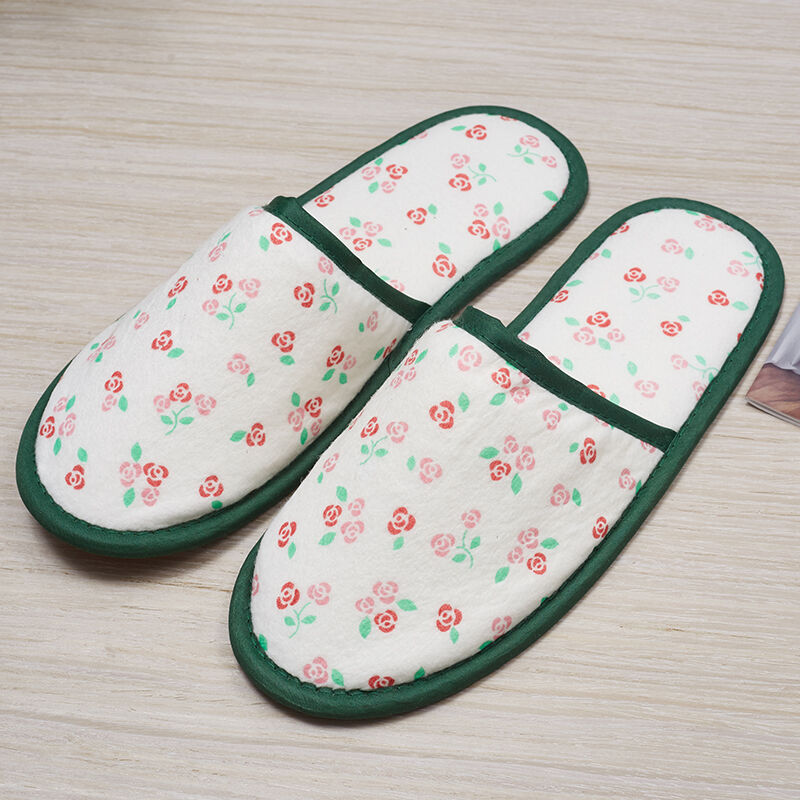
Modern air travel has evolved significantly over the past decades, with airlines continuously seeking ways to enhance passenger comfort and satisfaction. Among the various amenities that contribute to a positive flying experience, airline slippers have emerged as a crucial component that directly impacts passenger comfort, hygiene, and overall travel satisfaction. These seemingly simple accessories play a multifaceted role in creating a more pleasant journey, particularly on long-haul flights where passenger comfort becomes paramount to the airline's reputation and customer loyalty.
The aviation industry recognizes that passenger satisfaction extends far beyond the basic transportation service, encompassing every aspect of the travel experience from boarding to disembarkation. Airline slippers represent a tangible demonstration of an airline's commitment to passenger welfare, showing attention to detail and consideration for traveler needs. This focus on passenger comfort amenities has become increasingly important as airlines compete for market share in an industry where service differentiation can significantly impact customer choice and brand loyalty.
The Hygiene and Health Benefits of Airline Slippers
Maintaining Foot Hygiene During Flight
Aircraft cabins present unique challenges for maintaining personal hygiene, particularly regarding foot care during extended periods of travel. Airline slippers provide passengers with a clean, disposable alternative to wearing shoes throughout the flight, allowing feet to breathe and reducing the accumulation of moisture and bacteria that can occur when shoes remain on for hours. This is especially beneficial on international flights where passengers may be confined to their seats for eight hours or more, creating conditions that can lead to discomfort and potential foot health issues.
The enclosed environment of an aircraft cabin, combined with reduced mobility and air circulation around the feet, can create an ideal breeding ground for bacteria and fungi. By providing airline slippers, carriers enable passengers to remove their regular footwear while maintaining appropriate foot coverage and cleanliness. This practice not only enhances individual passenger comfort but also contributes to the overall cabin environment by reducing potential odors and maintaining higher standards of hygiene throughout the flight.
Preventing Cross-Contamination and Disease Transmission
The confined space of an aircraft cabin requires careful attention to hygiene practices to prevent the spread of communicable diseases and infections. Airline slippers serve as a barrier between passengers' feet and potentially contaminated surfaces, including cabin floors, restroom areas, and shared spaces. This protective function becomes particularly important when passengers need to move around the cabin, visit lavatories, or stretch their legs during long flights.
Professional health organizations have increasingly emphasized the importance of maintaining proper hygiene practices during air travel, especially in light of recent global health concerns. Disposable airline slippers align with these recommendations by providing passengers with fresh, clean footwear that eliminates the risk of cross-contamination between passengers and reduces the potential for transmitting foot-related infections or fungal conditions that can thrive in warm, moist environments.
Enhancing Passenger Comfort and Relaxation
Promoting Better Circulation and Comfort
Extended periods of sitting during air travel can significantly impact blood circulation, particularly in the lower extremities. Tight-fitting shoes can exacerbate these circulation issues by restricting blood flow and causing swelling, especially during long-haul flights where cabin pressure changes can affect the body's fluid retention. Airline slippers offer passengers the opportunity to remove constricting footwear and allow their feet to relax and maintain better circulation throughout the flight.
The lightweight, non-restrictive design of quality airline slippers enables passengers to wiggle their toes, flex their feet, and perform simple exercises that help maintain blood flow during extended periods of immobility. This improved circulation not only enhances immediate comfort but also helps prevent the development of deep vein thrombosis and other circulation-related complications that can occur during long flights. Airlines that provide these amenities demonstrate their understanding of passenger physiology and commitment to promoting traveler health and wellbeing.
Creating a More Relaxed Travel Environment
The psychological impact of comfort amenities like airline slippers extends beyond their physical benefits, contributing to a more relaxed and enjoyable travel experience. When passengers can remove their shoes and slip into comfortable footwear, they tend to feel more at ease and better able to rest during their journey. This psychological comfort can significantly impact overall travel satisfaction and influence passengers' perceptions of the airline's service quality.
Research in consumer psychology has shown that small comfort amenities can have disproportionately large effects on customer satisfaction and brand perception. Airline slippers serve as a tangible reminder of the carrier's attention to passenger needs, creating positive emotional associations that extend beyond the immediate flight experience and influence future booking decisions and brand loyalty.
Impact on Airline Brand Perception and Competitive Advantage
Differentiating Service Quality
In an increasingly competitive aviation market, airlines must find ways to differentiate their services and create memorable experiences that encourage customer loyalty. Airline slippers represent one of many touchpoints through which carriers can demonstrate their commitment to passenger comfort and service excellence. Airlines that consistently provide high-quality amenities like comfortable, well-designed airline slippers often enjoy stronger brand recognition and higher customer satisfaction scores compared to carriers that overlook these details.
The provision of airline slippers also signals to passengers that the carrier values their comfort throughout the entire journey, not just during takeoff and landing. This attention to detail can significantly influence passenger perceptions of service quality and create positive associations with the airline brand. Premium carriers, in particular, use amenity packages that include airline slippers as part of their strategy to justify higher ticket prices and maintain their position in the luxury travel market segment.
Building Customer Loyalty and Retention
Customer retention in the airline industry depends heavily on creating positive, memorable experiences that encourage repeat bookings. Airline slippers, while seemingly minor amenities, contribute to the overall impression passengers form about their travel experience. When passengers consistently receive thoughtful amenities that enhance their comfort, they develop positive associations with the airline brand that influence their future travel decisions.
Studies in airline customer satisfaction have consistently shown that passengers who receive comprehensive amenity packages, including items like airline slippers, are more likely to recommend the airline to others and choose the same carrier for future travel. This word-of-mouth marketing and repeat business can provide significant long-term value that far exceeds the modest cost of providing these comfort items to passengers.
Environmental Considerations and Sustainable Practices
Eco-Friendly Material Choices
As environmental consciousness grows among travelers and regulatory bodies, airlines face increasing pressure to adopt sustainable practices throughout their operations, including the selection of passenger amenities. Modern airline slippers are increasingly manufactured using eco-friendly materials such as biodegradable fabrics, recycled fibers, and sustainable production processes that minimize environmental impact while maintaining the quality and comfort standards passengers expect.
Progressive airlines are partnering with suppliers who specialize in environmentally responsible airline slippers made from organic cotton, bamboo fibers, or other renewable materials. These sustainable options allow airlines to maintain their commitment to passenger comfort while demonstrating corporate responsibility and environmental stewardship, appealing to environmentally conscious travelers who consider sustainability factors in their airline selection process.
Waste Reduction and Recycling Programs
The disposable nature of airline slippers presents both convenience benefits and environmental challenges that forward-thinking airlines are addressing through innovative waste management and recycling programs. Some carriers have implemented collection systems that allow passengers to return used airline slippers for proper recycling or composting, depending on the materials used in their construction.
Airlines are also exploring reusable airline slippers made from durable, washable materials that can be sanitized between flights and used multiple times before disposal. While this approach requires more complex logistics and cleaning procedures, it can significantly reduce waste generation while maintaining the hygiene and comfort benefits that make airline slippers valuable to passenger satisfaction.
Design Innovation and Quality Standards
Material Technology and Comfort Features
The evolution of airline slippers reflects broader advances in textile technology and material science, with modern designs incorporating features like moisture-wicking fabrics, antimicrobial treatments, and ergonomic sole designs that enhance comfort and functionality. These technological improvements help airline slippers provide better support, durability, and hygiene benefits compared to earlier generations of basic disposable footwear.
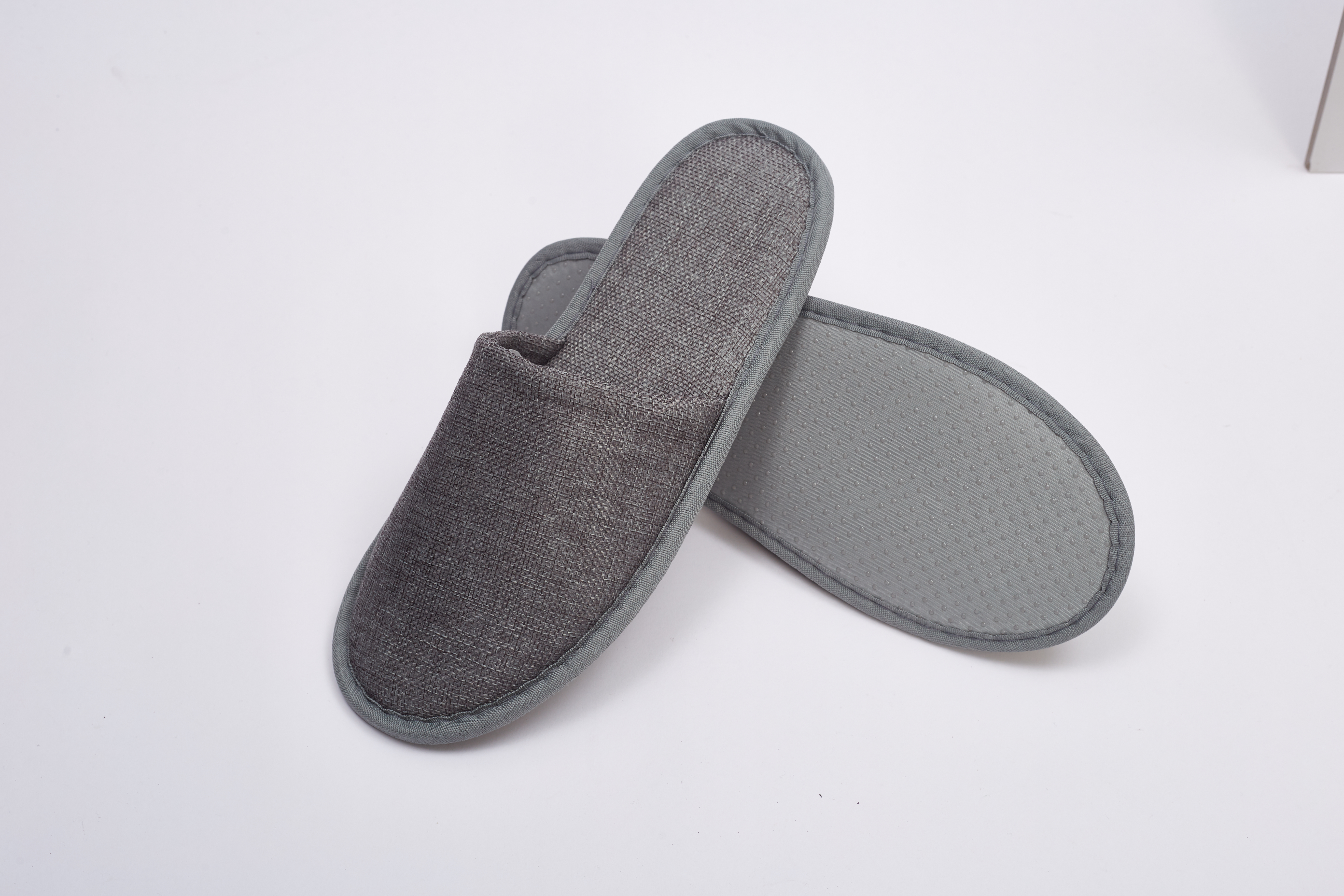
Contemporary airline slippers often feature specialized sole materials that provide better grip and stability when passengers walk through the cabin, reducing the risk of slips and falls on smooth aircraft flooring. Advanced fabric treatments help control odors and moisture, maintaining freshness throughout long flights and contributing to a more pleasant cabin environment for all passengers.
Customization and Brand Integration
Airlines increasingly view airline slippers as branding opportunities, incorporating company logos, colors, and design elements that reinforce brand identity and create memorable passenger touchpoints. Custom-designed airline slippers can serve as subtle marketing tools that extend brand visibility beyond the flight experience, particularly when passengers retain and use them after their journey.
The customization of airline slippers also allows carriers to create different quality tiers that align with their service classes, offering premium materials and designs for business and first-class passengers while maintaining cost-effective options for economy travelers. This tiered approach helps airlines optimize their amenity costs while ensuring that airline slippers contribute appropriately to the passenger experience across all service levels.
FAQ
How do airline slippers contribute to passenger health during long flights
Airline slippers promote better foot health by allowing passengers to remove tight-fitting shoes that can restrict circulation during extended periods of sitting. This improved circulation helps prevent swelling, discomfort, and potentially serious conditions like deep vein thrombosis. Additionally, airline slippers provide a hygienic barrier between feet and aircraft surfaces, reducing exposure to bacteria and fungi that can cause infections.
Are airline slippers provided on all flights and by all airlines
Not all airlines provide airline slippers, and availability often depends on factors such as flight duration, service class, and airline policy. Most full-service carriers offer airline slippers on long-haul international flights, particularly in business and first-class cabins. Some airlines also provide them in premium economy or economy class on flights over a certain duration, typically eight hours or more.
What materials are commonly used in manufacturing airline slippers
Modern airline slippers are typically made from lightweight, breathable materials such as non-woven fabrics, cotton blends, or synthetic materials designed for single-use applications. Increasingly, airlines are choosing eco-friendly options made from biodegradable materials, organic cotton, bamboo fibers, or recycled materials to align with sustainability goals while maintaining comfort and hygiene standards.
Can passengers keep airline slippers after their flight
Yes, airline slippers are generally intended for passengers to keep, as they are designed as disposable amenities included in the cost of the ticket. Many passengers do retain their airline slippers for use at home, in hotels, or during travel, which can provide ongoing brand exposure for the airline. Some premium airlines even encourage this by designing attractive, higher-quality airline slippers that passengers will want to keep and use.