
 EN
EN

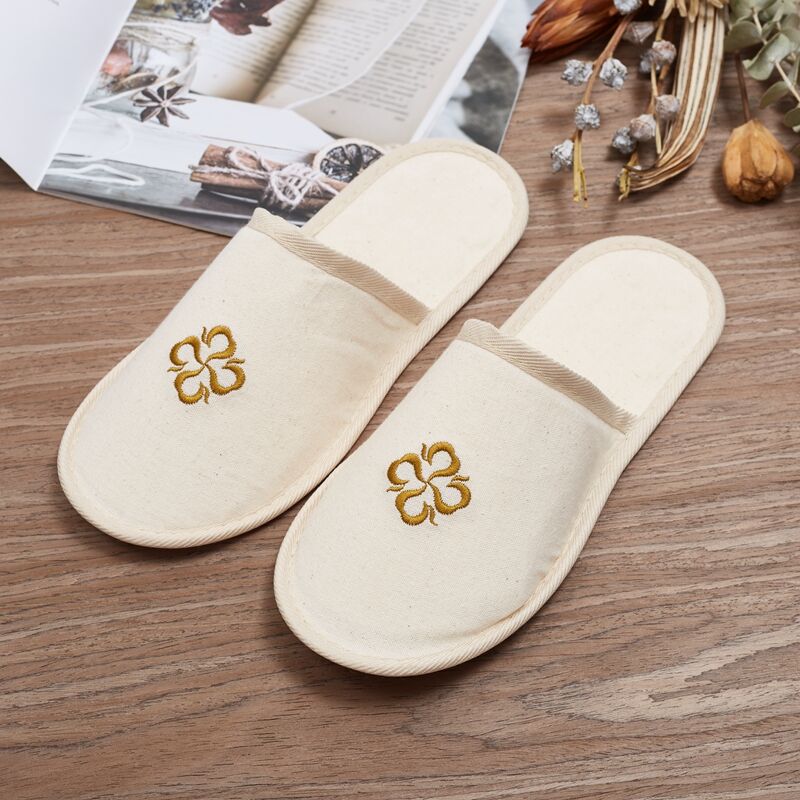
Managing operational costs in the hospitality industry requires strategic purchasing decisions, particularly when it comes to essential amenities like hotel disposable slippers. These seemingly simple items represent a significant recurring expense for hotels, resorts, spas, and other accommodation facilities. Understanding how to optimize bulk purchasing strategies can dramatically reduce your overall procurement costs while maintaining guest satisfaction and service quality.
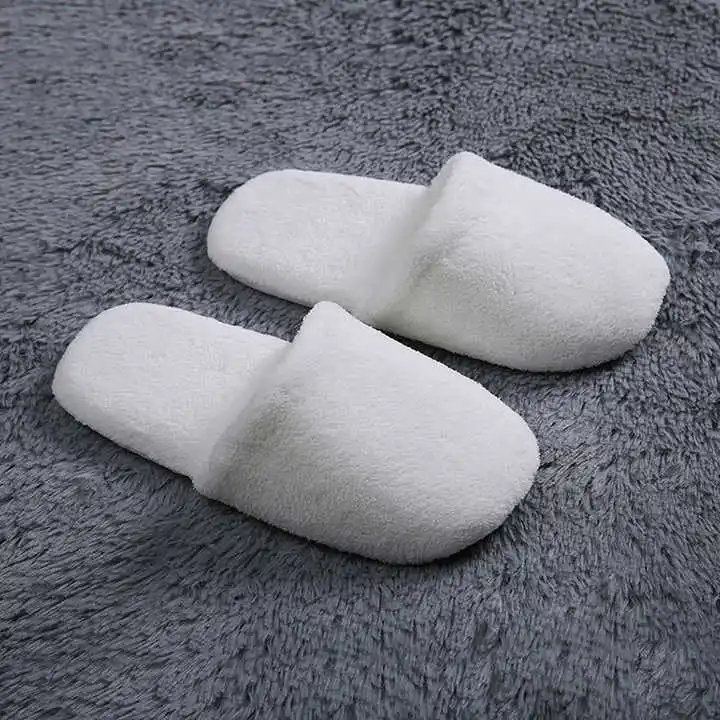
The key to successful cost reduction lies in adopting a comprehensive approach that considers multiple factors beyond unit price. From supplier selection and volume negotiations to quality specifications and inventory management, every aspect of your hotel disposable slippers procurement process impacts your bottom line. Smart purchasing managers recognize that the lowest price per unit doesn't always translate to the lowest total cost of ownership when factoring in quality issues, shipping expenses, and guest experience implications.
Strategic Supplier Selection and Evaluation
Identifying Reliable Wholesale Partners
Choosing the right supplier forms the foundation of effective cost management for hotel disposable slippers. Established manufacturers with proven track records typically offer better pricing structures, consistent quality, and reliable delivery schedules compared to smaller or newer vendors. Research potential suppliers thoroughly by examining their production capabilities, client testimonials, and industry certifications to ensure they can meet your volume requirements consistently.
Direct manufacturer relationships often provide the most competitive pricing for hotel disposable slippers, eliminating middleman markups that can significantly increase costs. Many international manufacturers offer specialized hospitality product lines with customization options that can enhance your brand identity while maintaining cost effectiveness. Establishing long-term partnerships with reliable suppliers creates opportunities for preferential pricing, priority production scheduling, and collaborative product development initiatives.
Evaluating Total Value Proposition
Beyond unit pricing, comprehensive supplier evaluation should consider factors that impact the total cost of ownership for hotel disposable slippers. Quality consistency affects guest satisfaction and potential replacement costs, while delivery reliability influences inventory management efficiency and storage requirements. Suppliers offering flexible payment terms, bulk discounts, and seasonal pricing adjustments provide additional opportunities for cost optimization.
Request detailed cost breakdowns from potential suppliers to understand all components of their pricing structure. Transportation costs, minimum order quantities, lead times, and quality assurance protocols all influence the overall value equation. Suppliers who demonstrate transparency in their pricing methodology and offer detailed product specifications typically provide better long-term partnerships for hotel disposable slippers procurement.
Volume-Based Negotiation Strategies
Leveraging Purchase Quantities
Volume purchasing represents the most direct path to reducing unit costs for hotel disposable slippers. Suppliers typically offer tiered pricing structures that reward larger order quantities with increasingly attractive per-unit rates. Calculate your annual consumption requirements across all properties to determine optimal order volumes that balance cost savings with storage capacity and cash flow considerations.
Consolidating orders across multiple properties or partnering with other hospitality businesses can increase your negotiating leverage significantly. Group purchasing cooperatives allow smaller hotels to access volume discounts typically reserved for large chains. Consider coordinating with sister properties, management companies, or industry associations to achieve the purchase volumes necessary for premium pricing tiers on hotel disposable slippers.
Timing and Seasonal Considerations
Strategic timing of bulk orders can yield substantial savings on hotel disposable slippers through manufacturer production cycles and seasonal demand fluctuations. Many suppliers offer promotional pricing during slower periods to maintain production efficiency and cash flow. Understanding industry patterns helps identify optimal purchasing windows that combine favorable pricing with adequate lead times.
Annual or semi-annual purchasing contracts often secure better pricing than frequent smaller orders while providing budget predictability. Negotiate flexible delivery schedules that allow for inventory distribution over extended periods, maintaining cash flow benefits while ensuring adequate stock levels. Some suppliers offer early payment discounts or extended payment terms that can further optimize the total cost equation for hotel disposable slippers procurement.
Quality Optimization Without Premium Pricing
Specification Development and Standards
Developing precise quality specifications ensures you receive hotel disposable slippers that meet guest expectations without paying for unnecessary premium features. Collaborate with suppliers to identify the optimal balance between quality, functionality, and cost effectiveness. Consider factors such as material composition, sole thickness, sizing accuracy, and packaging quality when establishing procurement standards.
Standardizing specifications across all properties simplifies procurement processes and increases volume leverage with suppliers. Document quality requirements clearly, including acceptable tolerance ranges for dimensions, materials, and performance characteristics. Regular quality audits and supplier performance reviews help maintain standards while identifying opportunities for specification refinement that could reduce costs without compromising guest satisfaction.
Value Engineering Approaches
Value engineering principles applied to hotel disposable slippers procurement can identify cost reduction opportunities without sacrificing essential functionality. Analyze which features provide genuine value to guests versus those that increase costs without meaningful benefit. Simple design modifications or material substitutions might achieve significant savings while maintaining adequate quality levels.
Work collaboratively with suppliers to explore alternative materials, construction methods, or packaging options that could reduce manufacturing costs. Some suppliers offer design consultation services that help optimize product specifications for cost effectiveness. Consider seasonal variations in guest demographics and usage patterns when developing specifications, potentially allowing for different quality tiers during peak and off-peak periods.
Inventory Management and Storage Efficiency
Optimizing Storage and Handling
Efficient inventory management directly impacts the total cost of hotel disposable slippers by minimizing storage expenses, reducing waste, and optimizing cash flow. Calculate optimal inventory levels that balance bulk purchasing savings with storage costs and working capital requirements. Implement inventory rotation systems that ensure product freshness while minimizing obsolescence risks.
Consider distributed storage strategies that leverage existing space efficiently across multiple properties or centralized warehousing solutions that serve multiple locations. Some suppliers offer inventory management services or consignment arrangements that can reduce storage burdens while maintaining adequate stock levels. Automated inventory tracking systems help optimize reorder timing and quantities for hotel disposable slippers.
Demand Forecasting and Planning
Accurate demand forecasting enables more effective bulk purchasing decisions for hotel disposable slippers by predicting consumption patterns and seasonal variations. Historical usage data, occupancy projections, and market trends provide the foundation for reliable consumption estimates. Consider factors such as guest demographics, length of stay patterns, and seasonal occupancy fluctuations when developing forecasts.
Implement systematic tracking of hotel disposable slippers usage rates across different room types, guest segments, and seasonal periods. This data enables more precise ordering decisions and helps identify opportunities for consumption optimization. Regular forecast updates based on actual usage patterns improve accuracy over time and support more effective bulk purchasing strategies.
Alternative Sourcing and Procurement Models
International Sourcing Opportunities
International sourcing can provide substantial cost advantages for hotel disposable slippers, particularly when dealing with high-volume requirements. Asian manufacturers often offer competitive pricing due to lower labor costs and specialized production capabilities. However, successful international sourcing requires careful consideration of quality control, shipping logistics, lead times, and potential trade regulation impacts.
Establish robust quality assurance protocols when sourcing hotel disposable slippers internationally, including pre-production samples, inspection procedures, and clear quality standards. Factor transportation costs, customs duties, and extended lead times into total cost calculations. Consider working with experienced import/export partners or sourcing agents who understand hospitality industry requirements and can facilitate smooth international transactions.
Direct Manufacturing Partnerships
Developing direct relationships with manufacturers eliminates distributor markups and provides greater control over product specifications and delivery schedules for hotel disposable slippers. Large hospitality operators may justify direct manufacturing partnerships through volume commitments and long-term contracts. These relationships often provide opportunities for product customization, private labeling, and collaborative cost reduction initiatives.
Evaluate manufacturers based on production capacity, quality systems, financial stability, and willingness to accommodate hospitality industry requirements. Direct partnerships require more active supplier management but can yield significant cost savings and competitive advantages. Consider manufacturers who specialize in hospitality amenities and understand the specific requirements for hotel disposable slippers quality and performance.
FAQ
What minimum order quantities should I expect when buying hotel disposable slippers in bulk?
Minimum order quantities for hotel disposable slippers typically range from 1,000 to 10,000 pairs depending on the supplier and customization requirements. Most manufacturers offer better pricing at 5,000+ pair quantities, with significant discounts available at 25,000+ pair volumes. Consider your annual consumption, storage capacity, and cash flow when determining optimal order sizes that balance cost savings with operational efficiency.
How can I ensure quality consistency when sourcing hotel disposable slippers internationally?
Maintaining quality consistency requires establishing detailed specifications, requesting pre-production samples, and implementing regular inspection protocols. Work with suppliers who have hospitality industry experience and relevant quality certifications. Consider third-party inspection services for large orders and maintain clear communication channels with manufacturers. Building long-term relationships with reliable suppliers typically results in more consistent quality than frequently changing vendors for marginal price savings.
What factors should I consider when comparing suppliers beyond unit price?
Comprehensive supplier evaluation should include delivery reliability, quality consistency, minimum order requirements, payment terms, customization capabilities, and customer service responsiveness. Consider total landed costs including shipping, duties, and handling fees rather than just FOB pricing. Evaluate suppliers' financial stability, production capacity, and ability to scale with your business growth. Long-term partnership potential often provides more value than short-term price advantages.
How can smaller hotels access bulk pricing for hotel disposable slippers?
Smaller properties can access bulk pricing through group purchasing cooperatives, management company consolidated ordering, or partnerships with other local hotels. Some suppliers offer extended payment terms or flexible delivery schedules that make larger orders more manageable for smaller operations. Consider joining hospitality purchasing groups or working with distributors who specialize in serving independent properties. Annual contracts with predictable volumes can sometimes secure better pricing than individual order negotiations.
Table of Contents
- Strategic Supplier Selection and Evaluation
- Volume-Based Negotiation Strategies
- Quality Optimization Without Premium Pricing
- Inventory Management and Storage Efficiency
- Alternative Sourcing and Procurement Models
-
FAQ
- What minimum order quantities should I expect when buying hotel disposable slippers in bulk?
- How can I ensure quality consistency when sourcing hotel disposable slippers internationally?
- What factors should I consider when comparing suppliers beyond unit price?
- How can smaller hotels access bulk pricing for hotel disposable slippers?