
 EN
EN

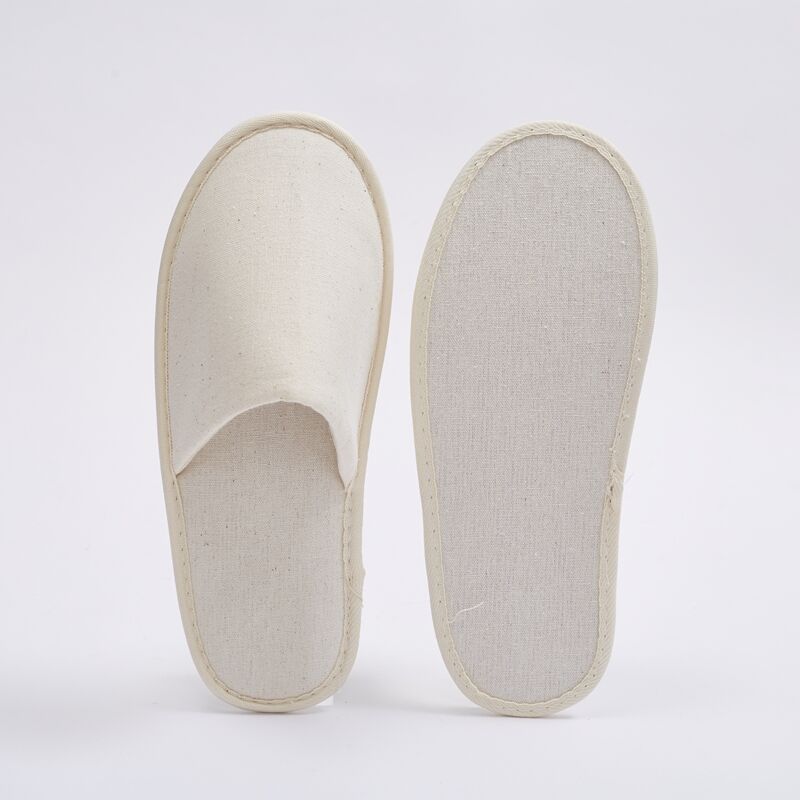
The hospitality industry has witnessed a fundamental transformation in recent years as environmental consciousness reshapes guest expectations and operational standards. Among the many touchpoints where sustainability matters, eco friendly hotel slippers have emerged as a visible symbol of a property's commitment to responsible practices. Understanding the materials used in these sustainable amenities reveals not only the innovation driving the green hospitality movement but also the practical considerations hotels must balance when selecting guest comfort items that align with environmental values.

The materials chosen for eco friendly hotel slippers directly determine their environmental footprint, biodegradability, comfort level, and overall performance throughout their lifecycle. From renewable plant fibers to recycled synthetic alternatives, manufacturers now employ a diverse range of sustainable materials that challenge the conventional petroleum-based options that dominated the market for decades. This exploration of eco-friendly slipper materials provides hotel operators, procurement managers, and sustainability coordinators with the technical knowledge needed to make informed decisions that support both guest satisfaction and environmental stewardship.
Natural Plant-Based Fibers in Sustainable Slipper Construction
Organic Cotton as a Foundation Material
Organic cotton represents one of the most widely adopted materials in eco friendly hotel slippers, offering a familiar texture that guests immediately recognize and appreciate. Unlike conventional cotton grown with synthetic pesticides and fertilizers, organic cotton cultivation relies on natural farming methods that preserve soil health, reduce water pollution, and protect agricultural workers from chemical exposure. The fiber itself provides excellent breathability, natural moisture absorption, and a soft touch that enhances the in-room comfort experience guests expect from quality hospitality providers.
The manufacturing process for organic cotton slippers typically involves minimal chemical processing, allowing the natural characteristics of the fiber to remain intact. This material choice supports hotels seeking third-party sustainability certifications, as organic cotton carries recognized credentials from bodies like the Global Organic Textile Standard and the Organic Content Standard. The cultivation footprint shows significantly lower environmental impact compared to conventional alternatives, with studies indicating reductions in energy consumption, greenhouse gas emissions, and freshwater usage that align with comprehensive hotel sustainability programs.
Bamboo Fiber Technology and Performance
Bamboo has gained considerable attention as a material source for eco friendly hotel slippers due to its remarkable growth characteristics and renewable nature. Bamboo plants reach maturity in just three to five years without requiring replanting, pesticides, or irrigation systems, making them exceptionally sustainable from an agricultural perspective. The conversion of bamboo into textile fibers occurs through either mechanical processing that creates bamboo linen or chemical processing that produces bamboo viscose, each method offering distinct environmental and performance profiles.
Mechanically processed bamboo fibers retain more of the plant's natural antimicrobial properties, which help control odor and maintain freshness during guest use. The resulting fabric exhibits natural breathability and temperature regulation that keeps feet comfortable across varying room conditions. Hotels implementing eco friendly hotel slippers made from bamboo often highlight the material's sustainability story as part of their guest education initiatives, creating engagement opportunities around environmental commitment while delivering functional benefits that guests notice and appreciate during their stay.
Hemp Textiles for Durability and Sustainability
Hemp fiber brings exceptional durability and minimal environmental impact to eco friendly hotel slippers, though it remains less common than cotton or bamboo in hospitality applications. Hemp cultivation requires virtually no pesticides, enriches rather than depletes soil nutrients, and produces significantly higher fiber yields per acre compared to cotton. The resulting textile demonstrates remarkable strength that resists wear and maintains structural integrity through repeated use, an important consideration for hotels evaluating the total lifecycle of their guest amenities.
The texture of hemp fabric has evolved considerably as processing technologies advance, moving beyond the coarse characteristics of traditional hemp textiles to create softer blends suitable for direct skin contact. Modern hemp-based slippers often combine the fiber with organic cotton or other complementary materials to balance durability with comfort. The material's natural resistance to mold and mildew provides practical advantages in humid climates or properties with spa facilities, where moisture management contributes to both guest comfort and product longevity.
Recycled and Repurposed Materials in Modern Eco-Friendly Designs
Post-Consumer Recycled Polyester Applications
Post-consumer recycled polyester has emerged as a practical solution for eco friendly hotel slippers, transforming plastic bottles and textile waste into functional hospitality products. The recycling process diverts waste from landfills and oceans while requiring substantially less energy than virgin polyester production, creating measurable reductions in carbon emissions and resource consumption. Each pair of slippers made from recycled polyester typically incorporates the equivalent of several plastic bottles, giving hotels a tangible metric to communicate their waste reduction efforts to environmentally conscious guests.
The performance characteristics of recycled polyester closely match those of virgin material, offering moisture-wicking properties, quick-drying capabilities, and color retention that maintains appearance through laundering when slippers are designed for reuse. Advanced recycling technologies now produce fibers with softness levels comparable to traditional materials, eliminating the performance compromises that characterized earlier recycled products. Hotels selecting eco friendly hotel slippers with recycled content often find that guests cannot distinguish recycled from virgin materials based on feel or appearance, demonstrating that sustainability and quality need not conflict.
Recycled Rubber and Foam for Sole Components
The sole components of eco friendly hotel slippers frequently incorporate recycled rubber derived from automotive tires, industrial products, or previous footwear generations. Recycled rubber provides excellent slip resistance, durability, and cushioning while preventing valuable materials from ending their lifecycle in landfills or incinerators. The material processing involves grinding rubber waste into fine particles that can be reformed into new products, creating a circular economy model that reduces raw material extraction and manufacturing energy demands.
Recycled foam alternatives sourced from post-industrial waste or reclaimed consumer products offer additional options for creating comfortable, supportive slipper soles with reduced environmental impact. These materials undergo rigorous testing to ensure they meet hygiene standards and performance expectations for hospitality use. The combination of recycled outsoles with natural fiber uppers creates a comprehensive sustainability profile for eco friendly hotel slippers that addresses multiple components of the product rather than focusing on a single element while ignoring others.
Innovative Upcycled Material Integration
Some manufacturers push sustainability boundaries by incorporating truly upcycled materials into eco friendly hotel slippers, transforming agricultural waste, textile industry byproducts, or unconventional sources into functional components. Coffee grounds, corn husks, coconut fibers, and even algae have found applications in experimental slipper designs that demonstrate the creative potential of circular economy thinking. While not yet mainstream in hospitality procurement, these innovations signal the direction of sustainable product development and offer early-adopter properties unique storytelling opportunities.
The practical implementation of upcycled materials requires careful attention to consistency, scalability, and performance standards that meet hospitality industry expectations. Hotels considering these advanced eco friendly hotel slippers should evaluate supplier stability, material availability, and quality control processes to ensure reliable inventory management. The educational value of upcycled materials can enhance guest engagement when properly communicated, creating memorable touchpoints that reinforce a property's environmental leadership and innovation commitment beyond standard sustainability practices.
Biodegradable and Compostable Material Options
Natural Latex from Sustainable Rubber Trees
Natural latex harvested from rubber trees provides a biodegradable foundation for eco friendly hotel slippers that offers exceptional comfort and environmental credentials. The material comes from the sap of Hevea brasiliensis trees through a tapping process that does not harm the trees, allowing continuous production from the same plants for decades. Natural latex demonstrates superior elasticity, cushioning, and durability compared to many synthetic alternatives while maintaining the ability to break down naturally at end of life without leaving persistent microplastics or toxic residues.
The production process for natural latex can achieve sustainability certifications when sourced from responsibly managed plantations that protect biodiversity, maintain fair labor practices, and avoid deforestation. The material's hypoallergenic properties and natural resistance to dust mites add practical benefits for hotel guests with sensitivities or allergies. When incorporated into slipper designs, natural latex provides the supportive cushioning that enhances comfort during extended wear while supporting disposal pathways that return materials to natural cycles rather than creating permanent waste.
Plant-Based Foam Alternatives
Recent innovations in bio-based foam technology have created plant-derived alternatives to petroleum-based polyurethane for use in eco friendly hotel slippers. These foams utilize renewable feedstocks such as soybean oil, castor oil, or corn-based materials that reduce reliance on fossil fuels while offering comparable performance to conventional foams. The manufacturing processes continue to evolve, with newer formulations achieving improved biodegradability and reduced chemical additives that support cleaner disposal or composting options.
Plant-based foams demonstrate effective cushioning, resilience, and comfort characteristics that meet hospitality standards for guest amenities. The material selection supports hotels pursuing comprehensive sustainability strategies that extend beyond recycling to embrace truly renewable resources with biological origins. As production scales and technologies mature, plant-based foams are becoming increasingly cost-competitive with traditional materials, removing economic barriers that previously limited adoption of eco friendly hotel slippers with fully biodegradable construction throughout all components.
Cellulose-Based Materials and Decomposition Profiles
Cellulose-derived materials including lyocell, modal, and various regenerated fibers offer eco friendly hotel slippers manufacturers additional options for creating products with favorable end-of-life characteristics. These materials start with wood pulp or other cellulosic sources and undergo processing that transforms them into soft, durable textile fibers suitable for hospitality applications. The closed-loop production systems employed by leading manufacturers recover and reuse processing chemicals, minimizing environmental discharge and resource consumption during manufacturing.
The biodegradation profile of cellulose-based materials shows favorable performance in both industrial composting facilities and natural environments, breaking down into harmless organic components without persistent microfiber pollution. Hotels implementing comprehensive waste management programs can potentially divert used slippers made from these materials into organic waste streams rather than general refuse, creating measurable reductions in landfill contributions. The soft hand feel and moisture management properties of cellulose fibers provide guest comfort that rivals or exceeds conventional materials, demonstrating that environmental responsibility and premium quality can coexist in eco friendly hotel slippers design.
Material Combinations and Hybrid Constructions
Blended Fiber Strategies for Optimized Performance
Many manufacturers of eco friendly hotel slippers employ strategic fiber blending to optimize the balance between sustainability, performance, comfort, and cost effectiveness. A common approach combines organic cotton with bamboo viscose, leveraging cotton's familiar texture and bamboo's antimicrobial properties to create a superior product compared to single-material designs. These blends allow manufacturers to adjust proportions based on specific performance priorities, climate considerations, or sustainability certification requirements that hotels specify in procurement standards.
The technical consideration in blended constructions involves ensuring that all components meet environmental criteria rather than diluting sustainable materials with conventional alternatives. High-quality eco friendly hotel slippers maintain sustainability integrity across all fiber sources, avoiding greenwashing through minimal sustainable content in otherwise conventional products. Hotels should request detailed material composition disclosures and verify that blends serve genuine performance purposes rather than simply reducing costs through conventional material substitution that undermines environmental objectives.
Multi-Layer Construction Approaches
Advanced slipper designs often employ multi-layer construction that assigns different sustainable materials to specific functional zones based on their optimal performance characteristics. The upper layer contacting the foot might feature soft organic cotton for comfort, while intermediate layers incorporate recycled foam for cushioning, and the sole utilizes recycled rubber for durability and traction. This specialized approach maximizes the functional contribution of each material while maintaining comprehensive sustainability across the entire product structure.
The manufacturing complexity of multi-layer eco friendly hotel slippers requires sophisticated production capabilities and quality control systems to ensure consistent assembly and performance. Hotels benefit from this construction approach through enhanced durability that extends product lifespan, reducing replacement frequency and overall material consumption. The layered design also facilitates future innovations in material separation for recycling, as advancing circular economy infrastructure may eventually enable component-level material recovery that returns each layer to appropriate reprocessing streams.
Adhesive and Assembly Material Considerations
The sustainability profile of eco friendly hotel slippers extends beyond primary materials to include adhesives, threads, and assembly components that join various elements together. Water-based adhesives, natural latex bonding agents, and solvent-free assembly techniques reduce volatile organic compound emissions during manufacturing and improve end-of-life biodegradability. These seemingly minor components significantly impact the overall environmental footprint and should factor into comprehensive sustainability assessments.
Thread selection for stitching represents another detail-level consideration, with options including organic cotton thread, recycled polyester thread, or biodegradable alternatives that match the decomposition profile of primary materials. Hotels working with suppliers on custom eco friendly hotel slippers specifications should address these assembly details explicitly to ensure that sustainability extends throughout the entire product rather than stopping at the most visible components. The cumulative environmental impact of these choices becomes significant when multiplied across thousands of slipper pairs distributed annually by active hospitality properties.
Material Selection Criteria for Hotel Procurement
Balancing Environmental Impact with Guest Comfort
Hotel procurement teams face the essential challenge of selecting eco friendly hotel slippers that satisfy both environmental objectives and guest comfort expectations without compromise. The material selection process should evaluate sustainability credentials alongside tactile quality, breathability, cushioning, and overall sensory experience that influences guest satisfaction and property reviews. Advanced sustainable materials now achieve comfort levels that meet or exceed conventional alternatives, eliminating the historical trade-offs that once forced hotels to choose between environmental responsibility and guest experience quality.
Practical evaluation should include physical sampling that allows decision-makers to assess materials firsthand and, when possible, controlled guest testing that gathers feedback on comfort, appearance, and perceived quality. The most successful implementations of eco friendly hotel slippers occur when procurement teams recognize that sustainability serves as an enhancement to quality rather than an excuse for inferior products. Guest acceptance and satisfaction ultimately determine whether sustainable amenities succeed in hospitality contexts, making the comfort-sustainability balance a critical material selection factor that requires careful attention during supplier evaluation and product specification development.
Certifications and Material Verification Standards
Third-party certifications provide objective verification that materials in eco friendly hotel slippers meet recognized environmental and social standards beyond supplier marketing claims. Relevant certifications include the Global Organic Textile Standard for organic fibers, the Forest Stewardship Council for wood-based materials, the Global Recycled Standard for recycled content, and various fair trade certifications that address labor practices in material production. Hotels should prioritize suppliers who provide certified materials with transparent chain-of-custody documentation that withstands scrutiny from guests, auditors, and sustainability rating programs.
The verification process should extend beyond accepting certification logos to examining actual certification documents, understanding scope limitations, and confirming that certifications apply to the specific products being procured rather than just the manufacturer's general capabilities. Some eco friendly hotel slippers may contain a mix of certified and non-certified materials, requiring hotels to determine acceptable thresholds for sustainability claims and guest communications. The investment in proper verification protects properties from greenwashing accusations and ensures that sustainability initiatives deliver genuine environmental benefits rather than merely creating marketing perceptions without substance.
Lifecycle Analysis and Total Environmental Footprint
Comprehensive material evaluation for eco friendly hotel slippers should consider the total lifecycle environmental footprint including raw material extraction, processing and manufacturing energy, transportation emissions, use phase impacts, and end-of-life disposal or recovery options. A material that appears sustainable at the raw material stage might show problematic impacts during processing, while another option with more intensive processing might offer superior end-of-life biodegradability that produces better overall environmental outcomes when analyzed holistically.
Hotels committed to data-driven sustainability can request lifecycle assessment documentation from suppliers or conduct independent evaluations using recognized methodologies like ISO 14040 standards. This analytical approach helps identify materials that deliver genuine environmental advantages rather than simply shifting impacts between lifecycle stages without net improvement. The complexity of lifecycle analysis often requires specialized expertise, but the resulting insights enable more informed decisions about eco friendly hotel slippers that align with specific environmental priorities, whether focused on carbon emissions, water consumption, waste reduction, or other measurable sustainability metrics that hotels track and report.
FAQ
Are eco friendly hotel slippers as comfortable as traditional options?
Modern eco friendly hotel slippers achieve comfort levels fully comparable to traditional petroleum-based alternatives through advanced material processing and design optimization. Natural fibers like organic cotton and bamboo provide soft, breathable textures that many guests actually prefer over synthetic materials, while innovations in plant-based foams and recycled cushioning deliver the support and cushioning expected in quality hospitality amenities. Manufacturers have invested significantly in eliminating the performance compromises that characterized early sustainable products, ensuring that environmental responsibility no longer requires sacrificing guest comfort or satisfaction.
How can hotels verify the sustainability claims of slipper materials?
Hotels should request third-party certifications from recognized standards organizations such as the Global Organic Textile Standard, Global Recycled Standard, or Forest Stewardship Council, depending on the specific materials used. Responsible suppliers provide detailed material composition documentation, certification certificates with scope statements, and chain-of-custody verification that traces materials from source through manufacturing. Additionally, hotels can engage independent testing laboratories to verify material content and conduct supplier facility audits to confirm that manufacturing processes align with sustainability claims, ensuring that eco friendly hotel slippers deliver authentic environmental benefits.
What happens to eco friendly hotel slippers at the end of their use?
The end-of-life pathway for eco friendly hotel slippers depends on their specific material composition and available waste management infrastructure. Slippers made entirely from biodegradable materials like organic cotton, bamboo, or natural latex can be composted in industrial facilities or will decompose naturally if they enter the environment, avoiding persistent pollution. Products incorporating recycled synthetic materials may require recycling through specialized programs that recover polyester or rubber components for reprocessing. Hotels implementing comprehensive waste management can establish collection systems that direct used slippers to appropriate disposal channels, maximizing material recovery and minimizing landfill contributions.
Do eco friendly materials affect the cost of hotel slippers significantly?
The pricing of eco friendly hotel slippers has become increasingly competitive with conventional alternatives as sustainable material production scales and manufacturing processes optimize. While some premium sustainable materials like organic cotton or certified natural latex may carry slight cost premiums compared to the lowest-cost conventional options, the total cost difference has narrowed substantially in recent years. Many hotels find that any incremental material costs are offset by enhanced brand reputation, improved guest satisfaction, reduced environmental compliance risks, and alignment with corporate sustainability commitments that deliver value beyond simple unit price comparisons when evaluated holistically.