
 EN
EN

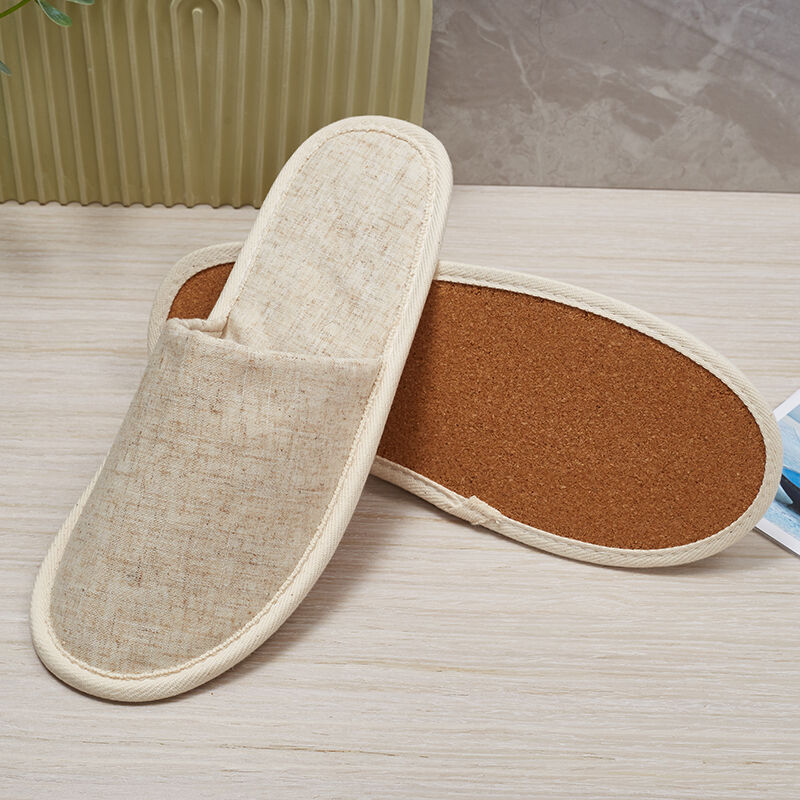
Selecting the right footwear for hotel guests has evolved from a simple amenity decision to a strategic choice that reflects your property's values and commitment to guest comfort. The modern hospitality industry faces increasing pressure to balance luxury, sustainability, and cost-effectiveness, making the selection of eco friendly hotel slippers a critical component of the guest experience. Hotels that prioritize both environmental responsibility and comfort are discovering that these two objectives are not mutually exclusive but rather complementary elements that enhance brand reputation and guest satisfaction. Understanding how to navigate the complex landscape of sustainable slipper options while maintaining the plush comfort your guests expect requires careful consideration of materials, manufacturing processes, durability standards, and overall lifecycle impact.

The decision-making process for choosing eco friendly hotel slippers extends beyond simply selecting products labeled as green or sustainable. It requires a comprehensive understanding of material science, guest expectations, operational requirements, and environmental certifications. Hotels must evaluate multiple factors including the source of raw materials, production methods, comfort features, washability versus disposability, and end-of-life disposal options. This guide provides hospitality professionals with a structured approach to selecting slippers that deliver exceptional comfort while minimizing environmental impact, ensuring that every guest touchpoint aligns with your sustainability goals without compromising the quality experience that differentiates premium accommodation providers.
Understanding Eco-Friendly Materials for Hotel Slippers
Natural Fiber Options and Their Benefits
The foundation of truly eco friendly hotel slippers begins with the selection of sustainable materials that offer both environmental advantages and guest comfort. Natural fibers such as organic cotton, bamboo, hemp, and jute have emerged as preferred alternatives to synthetic petroleum-based materials. Organic cotton provides exceptional softness and breathability while being grown without harmful pesticides or chemical fertilizers, making it gentle on both skin and environment. Bamboo fiber has gained particular attention in the hospitality industry due to its rapid growth rate, minimal water requirements, and natural antimicrobial properties that help maintain freshness throughout a guest's stay.
Hemp represents another compelling option for eco friendly hotel slippers, offering remarkable durability and strength while requiring significantly less water and pesticides compared to conventional cotton cultivation. The fiber's natural resistance to mold and mildew makes it particularly suitable for humid bathroom environments where hotel slippers are typically used. Jute and other bast fibers provide texture and structural integrity while being completely biodegradable at the end of their lifecycle. When evaluating natural fiber options, hotels should consider the specific climate and usage patterns of their property, as moisture retention and drying time can vary significantly between fiber types, affecting both guest comfort and laundry operations.
Recycled and Upcycled Material Innovations
The circular economy approach has introduced innovative recycled materials into the hospitality slipper market, allowing hotels to reduce waste while providing comfortable guest amenities. Recycled polyester derived from post-consumer plastic bottles has become increasingly common in eco friendly hotel slippers, offering soft textures and excellent durability while diverting plastic waste from landfills and oceans. These recycled synthetic materials can be engineered to provide specific comfort features such as cushioning, moisture-wicking, and quick-drying properties that rival or exceed traditional materials. Advanced textile technologies now allow manufacturers to create plush, hotel-quality fabrics from recycled content that guests cannot distinguish from virgin materials.
Upcycled materials represent another frontier in sustainable hospitality footwear, transforming production waste and post-industrial textile scraps into valuable new products. Some manufacturers have developed eco friendly hotel slippers using fabric remnants from apparel production, leather alternatives made from agricultural waste such as pineapple leaves or mushroom mycelium, and composite materials that blend multiple recycled sources. These innovations not only reduce environmental impact but often tell compelling sustainability stories that resonate with environmentally conscious guests. When selecting slippers made from recycled or upcycled materials, hotels should verify certifications such as Global Recycled Standard or Cradle to Cradle to ensure legitimate environmental claims and quality standards.
Biodegradable and Compostable Components
The end-of-life disposal phase represents a critical consideration when choosing eco friendly hotel slippers, as even environmentally responsible materials can create waste management challenges if not properly designed for decomposition. Fully biodegradable slippers made from natural rubber soles, organic cotton uppers, and plant-based adhesives offer the ultimate sustainability solution for disposable hotel footwear models. These products can break down in commercial composting facilities within months rather than persisting in landfills for decades like conventional synthetic slippers. However, hotels must ensure that their local waste management infrastructure can properly process biodegradable materials, as these products require specific conditions to decompose effectively.
Compostable certifications such as those from the Biodegradable Products Institute provide assurance that eco friendly hotel slippers meet rigorous standards for decomposition rate and absence of toxic residues. Some innovative manufacturers have developed slippers with removable components, allowing hotels to separate biodegradable upper materials from more durable sole units that can be cleaned and reused with new tops. This modular approach extends product lifespan while maintaining hygiene standards and reducing overall material consumption. When implementing biodegradable options, hotels should educate housekeeping staff about proper disposal procedures and consider partnering with local composting facilities to ensure these sustainable products complete their intended lifecycle.
Evaluating Comfort Features Without Compromising Sustainability
Cushioning and Support Technologies
Guest comfort remains paramount when selecting eco friendly hotel slippers, requiring careful attention to cushioning systems that provide support without relying on petroleum-based foams. Natural latex derived from rubber trees offers exceptional cushioning properties while being renewable, biodegradable, and hypoallergenic. This material provides responsive support that conforms to individual foot shapes, enhancing comfort during extended wear throughout a guest's stay. Cork footbeds present another sustainable cushioning option, offering natural shock absorption, moisture management, and antimicrobial properties while being harvested from tree bark without harming the living tree.
Plant-based foam alternatives made from soy, algae, or other renewable resources have advanced significantly in recent years, now offering comfort levels comparable to traditional polyurethane foams. These bio-based cushioning materials can be engineered to provide specific density levels and rebound characteristics suited to different guest preferences and usage scenarios. When evaluating cushioning options for eco friendly hotel slippers, consider the balance between initial softness and long-term support, as some natural materials may compress differently than synthetic alternatives. Testing multiple options with actual guests or staff members can provide valuable feedback on real-world comfort performance before committing to large inventory purchases.
Breathability and Temperature Regulation
Temperature management capabilities significantly impact guest satisfaction with hotel slippers, particularly in properties located in warm climates or featuring heated bathroom floors. Natural materials inherently offer superior breathability compared to synthetic alternatives, allowing air circulation that prevents moisture buildup and keeps feet comfortable across varying ambient temperatures. Bamboo and linen fibers excel in moisture-wicking properties, drawing perspiration away from skin and allowing rapid evaporation that maintains freshness. Cotton terry cloth provides traditional comfort and absorbency that many guests associate with luxury hotel amenities, though it requires more water for laundering compared to quick-drying alternatives.
Open-weave construction techniques enhance breathability in eco friendly hotel slippers while reducing material consumption, creating a lighter product with a smaller environmental footprint. Mesh panels or perforated designs increase ventilation in high-heat areas while maintaining structural integrity and aesthetic appeal. Some manufacturers incorporate phase-change materials derived from natural sources that actively regulate temperature by absorbing and releasing heat as needed. When selecting slippers for properties in diverse climate zones or seasonal destinations, consider offering different styles optimized for warm and cool conditions, allowing housekeeping to provide season-appropriate options that maximize guest comfort while maintaining sustainability commitments.
Fit Considerations and Size Range
Proper fit directly influences both comfort and sustainability outcomes, as poorly fitting eco friendly hotel slippers may be discarded prematurely or require replacement during a guest's stay. One-size-fits-most approaches reduce inventory complexity and material variety but may not adequately serve guests at the extremes of size distributions. Offering multiple size options ensures better fit across diverse guest populations while potentially reducing waste from unused or uncomfortable slippers. Adjustable designs featuring elastic panels, drawstring closures, or adaptable sole constructions can accommodate a broader range of foot dimensions with fewer distinct size offerings.
Gender-neutral sizing and universal fit approaches align with both sustainability goals and contemporary hospitality design trends, simplifying inventory management while serving all guests equitably. Some hotels have successfully implemented size-on-demand systems where guests can request specific sizes rather than having all sizes pre-stocked in every room, reducing unnecessary waste. When evaluating fit characteristics of eco friendly hotel slippers, consider how natural materials may stretch or conform with wear, as this adaptation can enhance comfort over time but may also affect long-term durability. Testing fit across diverse foot shapes and gathering guest feedback helps refine size offerings to optimize both comfort and resource efficiency.
Assessing Durability and Lifecycle Considerations
Single-Use Versus Reusable Models
The fundamental choice between disposable and reusable eco friendly hotel slippers represents one of the most impactful sustainability decisions hotels face, with significant implications for environmental impact, operational costs, and guest perceptions. Single-use disposable slippers minimize cross-contamination concerns and eliminate laundry resource consumption, appealing to hygiene-conscious guests while simplifying housekeeping operations. However, even biodegradable disposable options create waste streams that require proper management infrastructure. Hotels considering disposable eco friendly hotel slippers should calculate the true environmental cost including manufacturing impact, transportation emissions, and end-of-life disposal, ensuring that convenience does not overshadow sustainability objectives.
Reusable slippers offer substantial environmental advantages when properly maintained, as the amortized impact per guest use decreases dramatically over multiple laundry cycles. High-quality reusable eco friendly hotel slippers constructed from durable natural materials can serve hundreds of guests when supported by effective washing and quality control systems. The environmental burden shifts from manufacturing and disposal to energy and water consumption during laundering, making facility efficiency and cleaning protocols critical to overall sustainability performance. Hotels must honestly assess their laundry capabilities, water treatment systems, and quality standards when deciding between disposable and reusable options, as poorly executed reusable programs can actually generate more environmental impact than thoughtfully sourced disposable alternatives.
Expected Lifespan and Replacement Cycles
Understanding the realistic service life of eco friendly hotel slippers under actual operating conditions allows for accurate cost projections and environmental impact assessments. Natural materials may exhibit different wear patterns compared to synthetic alternatives, with some fibers becoming softer and more comfortable with use while others may show visible wear more quickly. Establishing clear quality standards for when slippers should be retired from guest service ensures consistent comfort levels while optimizing material lifespan. Some properties implement tiered systems where slippers showing minor wear are retained for shorter stays or lower-tier rooms while pristine examples are reserved for suite guests or extended visits.
Tracking actual replacement rates provides valuable data for refining purchasing decisions and identifying which eco friendly hotel slippers deliver the best balance of sustainability and performance in your specific operating environment. Factors such as guest demographics, average length of stay, floor surfaces, and climate conditions all influence wear patterns and optimal replacement timing. Some hotels have discovered that investing in slightly more expensive but significantly more durable eco friendly hotel slippers reduces total cost of ownership while delivering superior sustainability outcomes. Conducting periodic wear assessments and soliciting feedback from housekeeping staff who handle slippers daily can reveal performance issues before they affect guest satisfaction.
Maintenance Requirements and Cleaning Protocols
Effective cleaning procedures extend the lifespan of reusable eco friendly hotel slippers while maintaining hygiene standards that protect guest health and property reputation. Natural materials may require gentler washing conditions compared to synthetic fabrics, potentially necessitating adjustments to existing laundry protocols. Temperature settings, detergent selection, and drying methods all impact both cleanliness and material longevity, requiring careful optimization to achieve both objectives. Eco-friendly cleaning agents derived from plant-based ingredients align with sustainability commitments while effectively removing soil and odors without harsh chemicals that can degrade natural fibers.
Some eco friendly hotel slippers feature antimicrobial treatments derived from natural sources such as silver ions, copper, or tea tree oil that inhibit bacterial growth between washings. These treatments can extend time between required launderings while maintaining freshness, reducing water and energy consumption. Hotels should establish clear inspection procedures that identify when slippers require spot cleaning, full laundering, or retirement from service. Training housekeeping staff to recognize quality issues early prevents substandard items from reaching guest rooms while allowing marginally worn slippers to be repurposed for employee use or donated to charitable organizations, maximizing the utility extracted from each product before final disposal.
Verifying Environmental Claims and Certifications
Recognized Sustainability Standards
The proliferation of environmental marketing claims in the hospitality supply industry makes third-party certifications essential for verifying legitimate sustainability credentials of eco friendly hotel slippers. Global Organic Textile Standard represents one of the most comprehensive certifications, covering the entire supply chain from organic fiber cultivation through environmentally responsible manufacturing and fair labor practices. Products bearing GOTS certification must meet strict criteria for chemical use, wastewater treatment, energy efficiency, and social responsibility, providing assurance that environmental claims reflect genuine practices rather than marketing rhetoric.
OEKO-TEX Standard 100 certification verifies that textile products are free from harmful substances, protecting both guest health and environmental safety. This certification tests for hundreds of regulated and unregulated chemicals, ensuring that eco friendly hotel slippers do not release toxic compounds during use or disposal. Forest Stewardship Council certification applies to slippers incorporating wood-based materials such as bamboo or eucalyptus cellulose fibers, confirming responsible forest management practices. When evaluating suppliers, request documentation of certifications rather than relying solely on marketing materials, and verify certificate validity through certifying organizations' databases to guard against fraudulent claims.
Carbon Footprint and Lifecycle Analysis
Comprehensive environmental assessment of eco friendly hotel slippers requires examining the full lifecycle from raw material extraction through manufacturing, transportation, use phase, and end-of-life disposal. Carbon footprint calculations reveal the greenhouse gas emissions associated with each product, allowing meaningful comparisons between options that may appear similar at surface level. Locally manufactured slippers may offer significant transportation emission advantages over imported alternatives, even when the latter feature more sustainable materials. Some manufacturers now provide Environmental Product Declarations that quantify multiple impact categories including carbon emissions, water consumption, eutrophication potential, and resource depletion.
Hotels committed to data-driven sustainability should request lifecycle assessments from suppliers or conduct independent analyses comparing top candidates. These assessments often reveal counterintuitive findings, such as reusable products that require intensive laundering potentially generating more emissions than biodegradable disposables, or natural materials with high irrigation requirements consuming more water than recycled synthetics. Understanding these tradeoffs allows procurement teams to align purchasing decisions with specific environmental priorities, whether those emphasize carbon reduction, water conservation, waste minimization, or other objectives. Transparent suppliers willing to share detailed environmental data demonstrate confidence in their sustainability claims and commitment to continuous improvement.
Supply Chain Transparency and Ethical Sourcing
True sustainability extends beyond environmental considerations to encompass social responsibility throughout the supply chain producing eco friendly hotel slippers. Fair labor practices, safe working conditions, and equitable compensation for workers represent essential components of ethical sourcing that reflect on your hotel's values and brand integrity. Certifications such as Fair Trade, SA8000, or B Corporation status provide verification that suppliers meet rigorous social responsibility standards. Many conscious consumers now expect transparency regarding where and how products are made, making supply chain ethics increasingly important for guest satisfaction and brand reputation.
Requesting factory audit reports, visiting production facilities when feasible, and establishing long-term relationships with suppliers committed to continuous improvement helps ensure that eco friendly hotel slippers align with your property's ethical standards. Some hotels have found that supporting smaller manufacturers or social enterprises produces superior sustainability outcomes while contributing to community economic development. Traceability systems that track materials from origin through finished product enable verification of environmental and social claims while identifying opportunities for supply chain optimization. Communicating these ethical sourcing practices to guests through in-room materials or property websites can differentiate your hotel while educating customers about the values behind amenity selections.
Balancing Cost Considerations with Sustainability Goals
Total Cost of Ownership Analysis
Initial purchase price represents only one component of the true cost equation for eco friendly hotel slippers, with operational expenses, replacement frequency, and disposal costs significantly impacting long-term financial performance. Higher-quality sustainable options may command premium purchase prices but deliver lower per-guest costs through extended lifespan and reduced replacement frequency. Calculating total cost of ownership requires estimating expected number of uses per item, laundering costs for reusable models, labor associated with inspection and quality control, and disposal expenses including waste management fees or composting program costs.
Reusable eco friendly hotel slippers typically demonstrate superior economics for properties with efficient laundry operations and sufficient volume to justify inventory investment. The breakeven point generally occurs between ten and thirty uses depending on purchase price differential and operational costs, after which reusable models generate increasing savings. Disposable options may prove more cost-effective for smaller properties without onsite laundry facilities, seasonal operations with variable occupancy, or boutique hotels emphasizing exclusivity where guests frequently take amenities as souvenirs. Conducting sensitivity analyses that model different occupancy scenarios and cost variables helps identify which approach optimizes both financial and environmental performance for your specific circumstances.
Guest Perception and Willingness to Pay
Sustainability features increasingly influence guest booking decisions and satisfaction ratings, potentially justifying premium pricing or enhanced perceived value that offsets higher costs of eco friendly hotel slippers. Research consistently demonstrates that travelers, particularly younger demographics and luxury segments, actively seek accommodations demonstrating environmental responsibility and are willing to pay moderate premiums for verified sustainable practices. Effectively communicating the environmental benefits of your amenity selections through subtle in-room messaging transforms what might otherwise be invisible operational decisions into tangible value propositions that enhance brand positioning.
However, sustainability features must complement rather than compromise fundamental comfort and quality expectations. Guests will not tolerate inferior performance regardless of environmental credentials, making it essential that eco friendly hotel slippers meet or exceed conventional alternatives in tactile quality, appearance, and durability. Strategic positioning of sustainability initiatives within your property's overall value narrative helps justify any incremental costs while differentiating your offering in competitive markets. Some hotels have successfully implemented amenity choice programs where guests can opt for reusable slippers, receive recognition for declining disposable items, or participate in carbon offset programs, creating engagement opportunities that strengthen customer relationships while advancing environmental objectives.
Volume Purchasing and Supplier Relationships
Establishing strategic supplier partnerships and leveraging purchasing volume creates opportunities to obtain premium eco friendly hotel slippers at more competitive pricing while ensuring reliable quality and availability. Multi-property groups and hotel chains can aggregate demand across locations to negotiate favorable terms with manufacturers committed to sustainability. Long-term contracts with guaranteed volume often unlock pricing tiers otherwise unavailable to individual properties, while providing suppliers with revenue predictability that enables investment in improved environmental practices and material innovations.
Independent hotels can achieve similar benefits through purchasing cooperatives or group buying organizations that pool demand across multiple properties. These arrangements often provide access to vetted sustainable suppliers, shared knowledge about product performance, and collective negotiating power that levels the playing field with larger competitors. When evaluating suppliers, consider factors beyond unit price including payment terms, minimum order quantities, lead times, customization options, and willingness to accept returns or exchanges of defective items. Suppliers offering vendor-managed inventory programs can reduce your capital tied up in stock while ensuring consistent availability of eco friendly hotel slippers that meet your specifications.
FAQ
What makes hotel slippers truly eco-friendly beyond just using natural materials?
Genuine eco friendly hotel slippers demonstrate sustainability across their entire lifecycle, not just in material selection. This includes responsible sourcing practices such as organic farming or post-consumer recycling, manufacturing processes that minimize water use and chemical pollution, energy-efficient production facilities powered by renewable sources, minimal packaging using recycled and recyclable materials, and end-of-life solutions including biodegradability or recycling programs. Third-party certifications like GOTS, OEKO-TEX, or carbon-neutral verification provide independent confirmation that environmental claims reflect actual practices rather than marketing assertions. Additionally, ethical labor practices throughout the supply chain represent an essential component of true sustainability that respects both environmental and social responsibility.
How can hotels balance guest hygiene concerns with reusable slipper programs?
Hotels successfully operating reusable eco friendly hotel slippers implement rigorous cleaning protocols that meet or exceed hygiene standards for other textile items like bathrobes and towels. This includes high-temperature washing cycles proven to eliminate pathogens, quality inspection procedures that retire items showing visible wear or damage, and clear communication to guests about cleaning processes to build confidence. Some properties use sealed packaging for freshly laundered slippers, similar to how bathrobes are often presented, which signals cleanliness while protecting items during storage. Antimicrobial treatments derived from natural sources like silver ions can provide additional hygiene assurance between launderings. For guests with heightened hygiene sensitivities, offering both reusable and biodegradable disposable options allows individual choice while maintaining overall sustainability commitments.
Are biodegradable hotel slippers actually better for the environment than high-quality reusable ones?
The environmental superiority of biodegradable versus reusable eco friendly hotel slippers depends on specific circumstances including laundry efficiency, guest usage patterns, and disposal infrastructure. Reusable slippers typically offer lower environmental impact per guest use when they serve multiple guests through proper laundering, as the manufacturing burden is amortized across many uses. However, if laundry operations use significant energy and water, or if slippers are discarded before reaching their full lifespan potential, biodegradable disposables may prove more sustainable. The key consideration is ensuring biodegradable options actually decompose through access to commercial composting, as these products may persist in landfills without proper conditions. Hotels should conduct lifecycle assessments considering their specific operations, including energy sources for laundering, water treatment systems, waste management partnerships, and realistic product lifespan under actual operating conditions.
How can smaller boutique hotels afford premium eco-friendly hotel slippers?
Boutique properties can implement sustainable slipper programs through several cost-management strategies that align with their typically higher per-room rates and guest expectations. Partnering with other independent hotels through purchasing cooperatives aggregates volume to access better pricing on premium eco friendly hotel slippers while sharing knowledge about supplier performance. Focusing budget on fewer higher-quality reusable pairs rather than maintaining large disposable inventory reduces long-term costs while enhancing perceived luxury. Some boutique hotels position sustainable slippers as premium amenities available by request rather than automatically placing them in every room, reducing total requirement while emphasizing exclusivity. Additionally, incorporating sustainability stories into marketing and guest communications transforms environmental investments into competitive differentiators that justify premium positioning and rates, effectively offsetting incremental costs through enhanced value perception and guest loyalty.
Table of Contents
- Understanding Eco-Friendly Materials for Hotel Slippers
- Evaluating Comfort Features Without Compromising Sustainability
- Assessing Durability and Lifecycle Considerations
- Verifying Environmental Claims and Certifications
- Balancing Cost Considerations with Sustainability Goals
-
FAQ
- What makes hotel slippers truly eco-friendly beyond just using natural materials?
- How can hotels balance guest hygiene concerns with reusable slipper programs?
- Are biodegradable hotel slippers actually better for the environment than high-quality reusable ones?
- How can smaller boutique hotels afford premium eco-friendly hotel slippers?