
 EN
EN

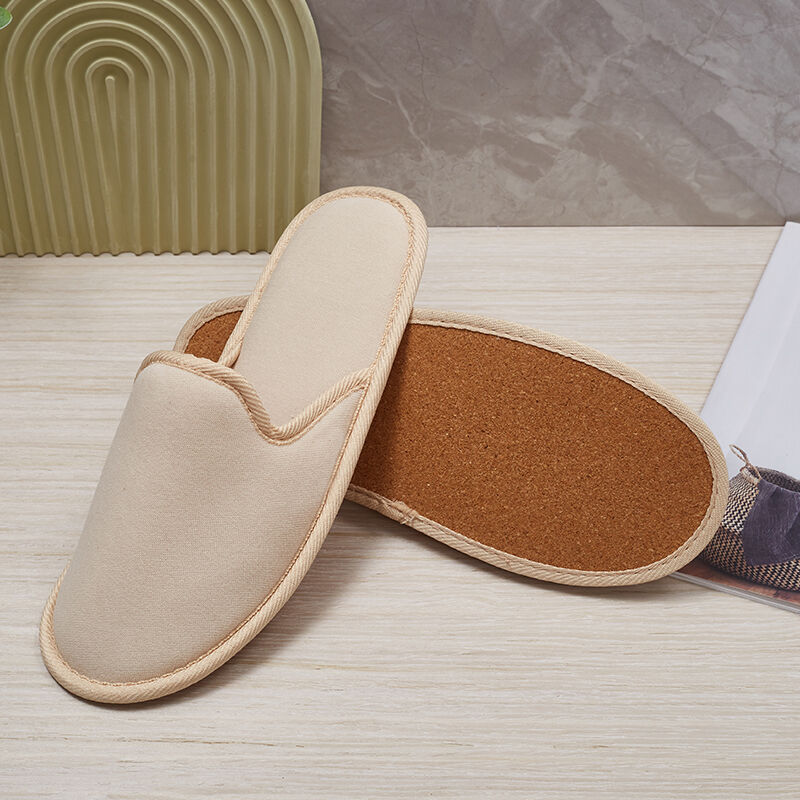
Selecting the right guest amenities is one of the most telling decisions a hotel can make, and few items communicate care and values more clearly than the slippers placed in each room. eco friendly hotel slippers have moved from a niche preference to a mainstream expectation, driven by guests who actively look for signs that a property takes sustainability seriously. Choosing the right pair means balancing comfort, material integrity, durability, and environmental responsibility — all within a procurement budget that makes operational sense.
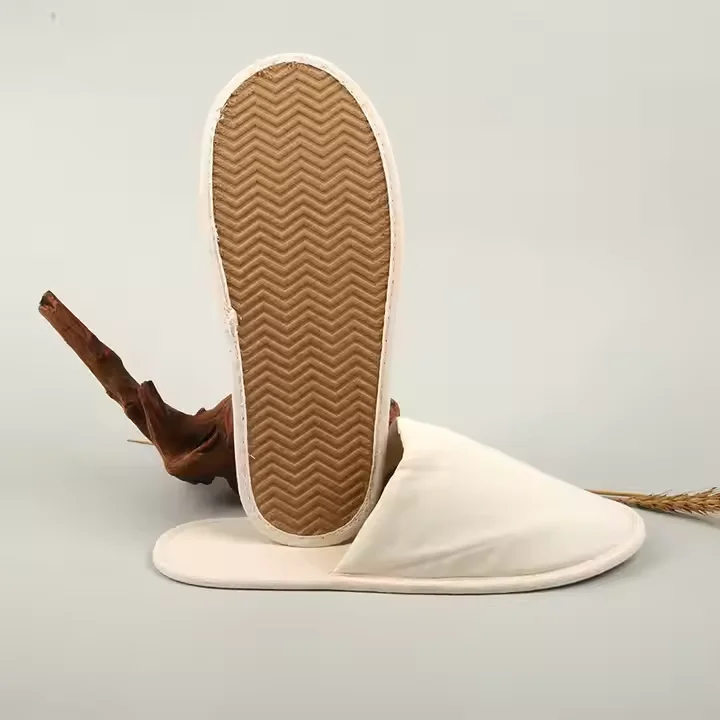
This guide walks hospitality procurement managers, hotel owners, and guest experience directors through the key selection criteria for eco friendly hotel slippers. From understanding material certifications to evaluating sole construction and sizing flexibility, every factor covered here is designed to help you make a confident, well-informed purchasing decision that satisfies both your guests and your sustainability commitments.
Understanding What Makes Hotel Slippers Truly Eco-Friendly
The Difference Between 'Green' Marketing and Genuine Sustainability
The hospitality market is flooded with products that carry vague environmental claims. When evaluating eco friendly hotel slippers, it is important to look beyond surface-level language and examine what the product is actually made from, how it is produced, and what happens to it at the end of its useful life. A slipper labeled 'natural' may still use synthetic adhesives, chemical dyes, or non-recyclable sole materials that undermine its environmental credentials.
Genuine eco friendly hotel slippers are defined by a combination of factors: the raw materials used in the upper and lining, the manufacturing process, the packaging, and the disposal pathway. Each of these dimensions contributes to the overall environmental footprint of the product. Procurement teams should request material data sheets and ask suppliers directly about their production standards before committing to a bulk order.
Third-party certifications are the most reliable way to verify sustainability claims. Look for recognized standards such as OEKO-TEX, FSC certification for paper-based components, or biodegradability testing results. These certifications indicate that the eco friendly hotel slippers have been independently assessed against defined environmental and safety benchmarks.
Key Sustainable Materials Used in Eco-Friendly Slippers
The most common sustainable materials found in eco friendly hotel slippers include organic cotton, recycled polyester, natural terry cloth, bamboo fiber, and biodegradable non-woven fabrics. Each material has its own performance profile. Organic cotton offers softness and breathability, making it well-suited for luxury and boutique properties. Bamboo fiber is naturally antimicrobial and moisture-wicking, which adds a functional hygiene benefit alongside its environmental story.
Recycled polyester, often derived from post-consumer plastic bottles, is increasingly used in the lining and upper of eco friendly hotel slippers. It reduces reliance on virgin petroleum-based materials and diverts plastic waste from landfills. However, it is worth noting that recycled polyester does shed microplastics during washing, which is a consideration for properties with laundry-based reuse programs.
Sole materials also matter. EVA foam soles made without harmful plasticizers, natural rubber soles, and cork-based soles are all more environmentally responsible than conventional PVC. When sourcing eco friendly hotel slippers, ask suppliers to specify the sole composition and confirm whether it is free from restricted substances under international chemical safety frameworks.
Comfort Criteria That Cannot Be Compromised
Sole Thickness, Cushioning, and Floor Grip
Comfort is the primary functional requirement of any hotel slipper, and eco friendly hotel slippers must meet the same comfort standards as conventional options. Guests who find the slippers uncomfortable will simply not use them, which defeats both the hospitality and sustainability purpose. Sole thickness is one of the first comfort indicators to evaluate. A sole that is too thin provides inadequate cushioning on hard flooring surfaces such as marble or tile, which are common in hotel bathrooms and corridors.
A well-designed eco friendly hotel slipper should have a sole thickness of at least 8 to 12 millimeters, with a textured or anti-slip surface on the underside. This is particularly important for guest safety in wet bathroom environments. EVA and natural rubber soles both offer good grip and cushioning while remaining compatible with sustainable material sourcing.
The midsole or insole layer also contributes significantly to comfort. Memory foam insoles made from plant-based or recycled materials are available and provide a noticeably premium feel underfoot. For properties positioning themselves in the upper-mid or luxury segment, this detail can meaningfully elevate the guest experience associated with eco friendly hotel slippers.
Lining Softness and Breathability for Extended Wear
Guests wear hotel slippers for extended periods — during morning routines, while relaxing in the room, and sometimes while moving between amenity areas. The lining material therefore needs to be soft against bare skin, breathable enough to prevent moisture buildup, and durable enough to maintain its texture through the intended use period. Eco friendly hotel slippers with a terry cloth or plush cotton lining consistently score well on guest satisfaction surveys for these reasons.
Bamboo-lined eco friendly hotel slippers offer a particularly strong combination of softness and natural moisture management. Bamboo fiber has a smooth surface structure that feels gentle on sensitive skin, and its natural properties help regulate temperature and reduce odor. For spa hotels, wellness resorts, and properties with a health-conscious guest profile, bamboo-lined slippers are a compelling choice.
When evaluating lining quality, request physical samples before placing a bulk order. Run the lining material between your fingers and assess whether it pills, stretches unevenly, or feels rough at the edges. These tactile details matter to guests and reflect directly on the perceived quality of the property.
Sizing, Fit, and Guest Inclusivity
Open-Toe vs. Closed-Toe Designs for Different Guest Needs
One of the most practical decisions when selecting eco friendly hotel slippers is whether to offer open-toe or closed-toe styles. Open-toe slippers, often in a mule or flip-flop format, are easier to put on and accommodate a wider range of foot sizes without requiring multiple SKUs. They are well-suited to warmer climates, beach resorts, and spa environments where ventilation is a priority.
Closed-toe eco friendly hotel slippers provide more coverage and warmth, making them the preferred choice for city hotels, mountain resorts, and properties in cooler climates. They also tend to feel more secure on the foot, which guests appreciate when walking on smooth flooring. The trade-off is that closed-toe designs require more precise sizing to avoid discomfort from a poor fit.
Many hotels address the sizing challenge by stocking eco friendly hotel slippers in two sizes — a standard size that fits most adults and a larger size for guests who request it. Some suppliers offer universal-fit designs with elastic or adjustable elements that accommodate a broader foot width range without sacrificing comfort. This approach reduces inventory complexity while maintaining guest satisfaction.
Weight and Packagability for Housekeeping Efficiency
From an operational standpoint, the weight and packaged dimensions of eco friendly hotel slippers affect storage, handling, and room setup time. Lightweight slippers made from non-woven or thin-knit materials are easier for housekeeping teams to handle in bulk and take up less storage space per unit. This is a practical consideration that is often overlooked during the initial selection process.
Packaging also plays a role in the overall sustainability profile. Eco friendly hotel slippers packaged in recycled paper sleeves, biodegradable polybags, or minimal cardboard wrapping align better with a hotel's environmental commitments than those wrapped in virgin plastic. Some suppliers offer custom-printed packaging using soy-based inks, which allows properties to reinforce their brand identity while maintaining eco-conscious standards.
Consider how the slippers will be presented in the room. A neatly folded pair placed on a paper sleeve with a brief sustainability message creates a positive first impression and communicates the hotel's values without requiring additional signage. This small detail can meaningfully contribute to the guest's overall perception of the property's commitment to responsible hospitality.
Evaluating Suppliers and Setting Quality Standards
What to Look for in a Reliable Eco-Friendly Slipper Supplier
Choosing the right supplier for eco friendly hotel slippers is as important as choosing the right product. A reliable supplier should be able to provide material safety data, production facility information, and evidence of quality control processes. Ask whether the factory holds any relevant certifications such as ISO 9001 for quality management or SA8000 for social accountability. These credentials indicate a supplier that operates with consistent standards rather than one that simply meets minimum requirements.
Minimum order quantities, lead times, and customization capabilities are also key supplier evaluation criteria. For large hotel groups, the ability to customize eco friendly hotel slippers with a property logo, specific color palette, or branded packaging is often a requirement. Confirm that the supplier can accommodate these requests without compromising the sustainability specifications of the base product.
Request references from other hospitality clients and, where possible, visit the production facility or arrange a virtual audit. Transparency in the supply chain is a hallmark of a trustworthy supplier of eco friendly hotel slippers. Suppliers who are reluctant to share production details or who cannot provide documentation for their environmental claims should be treated with caution.
Balancing Cost Per Unit with Long-Term Value
Eco friendly hotel slippers typically carry a slightly higher unit cost than conventional alternatives, reflecting the premium associated with sustainable materials and responsible manufacturing. However, this cost differential should be evaluated in the context of total value rather than unit price alone. Guests who notice and appreciate the eco-conscious choice are more likely to leave positive reviews, return for future stays, and recommend the property to others.
For properties with a reuse program, the cost per use of eco friendly hotel slippers can be significantly lower than the cost per use of disposable options, provided the slippers are durable enough to withstand multiple laundering cycles. Assess the stitching quality, sole adhesion, and fabric resilience of any slipper being considered for a reuse program. A slipper that degrades after two washes offers no cost or environmental advantage over a single-use alternative.
Negotiate volume pricing with suppliers while maintaining quality standards. Many suppliers of eco friendly hotel slippers offer tiered pricing structures that reward larger order volumes. Consolidating orders across multiple properties within a hotel group is an effective way to access better pricing without compromising on the material or sustainability specifications that matter to your brand.
FAQ
What certifications should I look for when buying eco friendly hotel slippers?
The most relevant certifications for eco friendly hotel slippers include OEKO-TEX Standard 100, which confirms the product is free from harmful substances, and FSC certification for any paper or cardboard packaging components. Biodegradability test reports and recycled content verification documents are also valuable. Always request documentation rather than relying on unverified claims printed on packaging.
Are eco friendly hotel slippers as comfortable as conventional ones?
Yes, when properly selected. Eco friendly hotel slippers made with quality materials such as organic cotton terry, bamboo fiber lining, and EVA or natural rubber soles can match or exceed the comfort of conventional slippers. The key is to evaluate samples carefully, paying attention to sole cushioning, lining softness, and overall construction quality before committing to a bulk order.
How do I decide between disposable and reusable eco friendly hotel slippers?
The right choice depends on your property type, guest profile, and operational setup. Disposable eco friendly hotel slippers made from biodegradable materials are practical for high-turnover properties where laundry logistics are a constraint. Reusable options made from durable organic or recycled materials are better suited to properties with in-house laundry facilities and a guest base that values premium, long-lasting amenities. Both options can be genuinely eco-friendly when the materials and end-of-life pathways are properly managed.
Can eco friendly hotel slippers be customized with a hotel logo?
Most suppliers of eco friendly hotel slippers offer customization options including embroidered logos, printed insoles, and branded packaging. It is important to confirm that the customization process does not introduce non-sustainable elements such as PVC patches or solvent-based inks. Ask suppliers to specify the customization method and materials used, and request a sample of the customized product before approving a full production run.