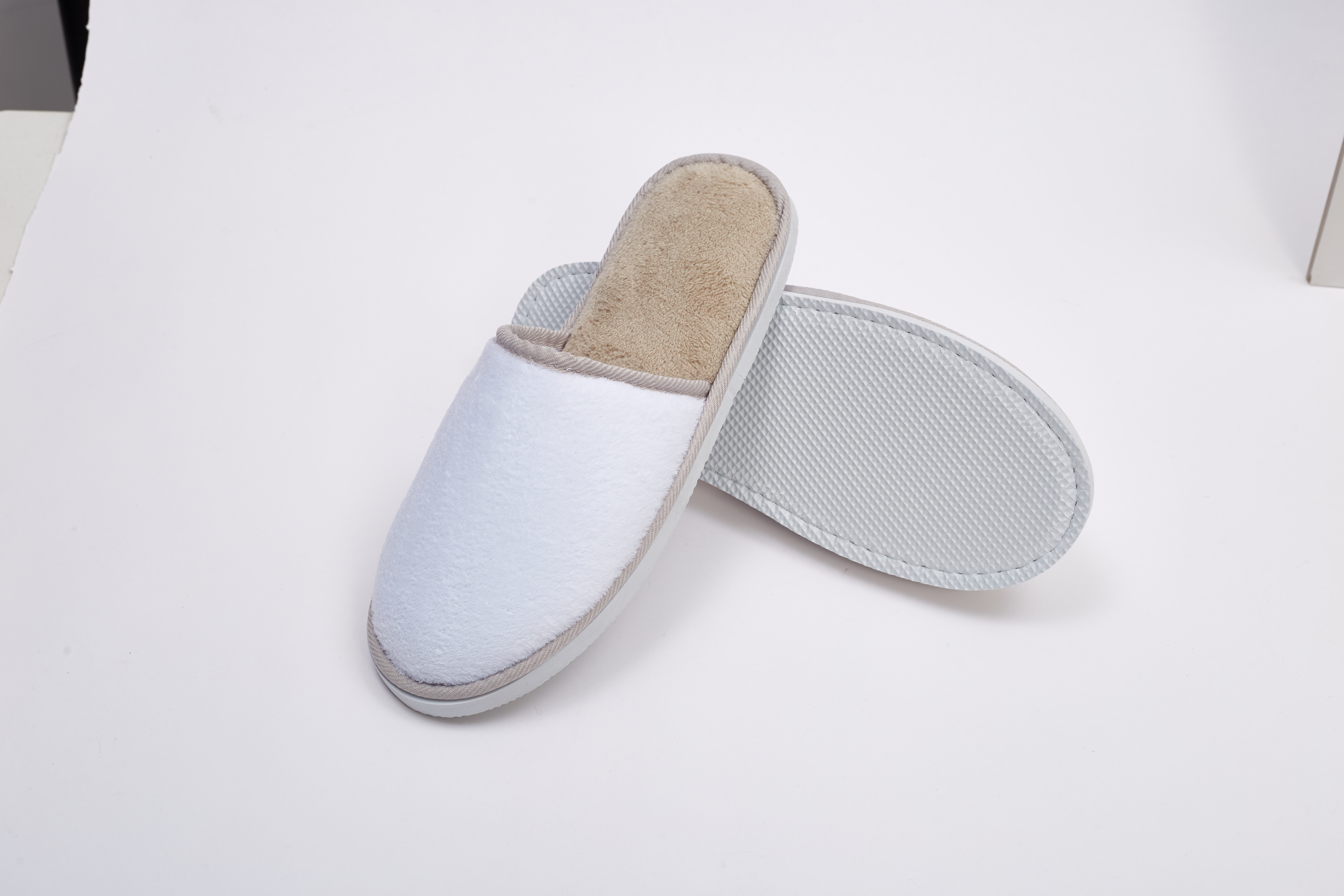
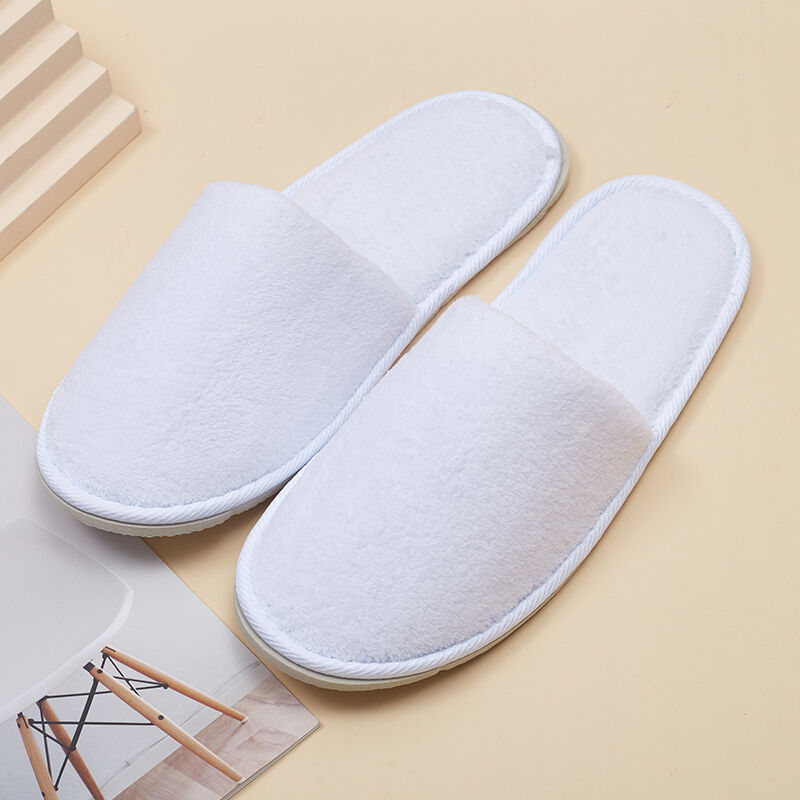
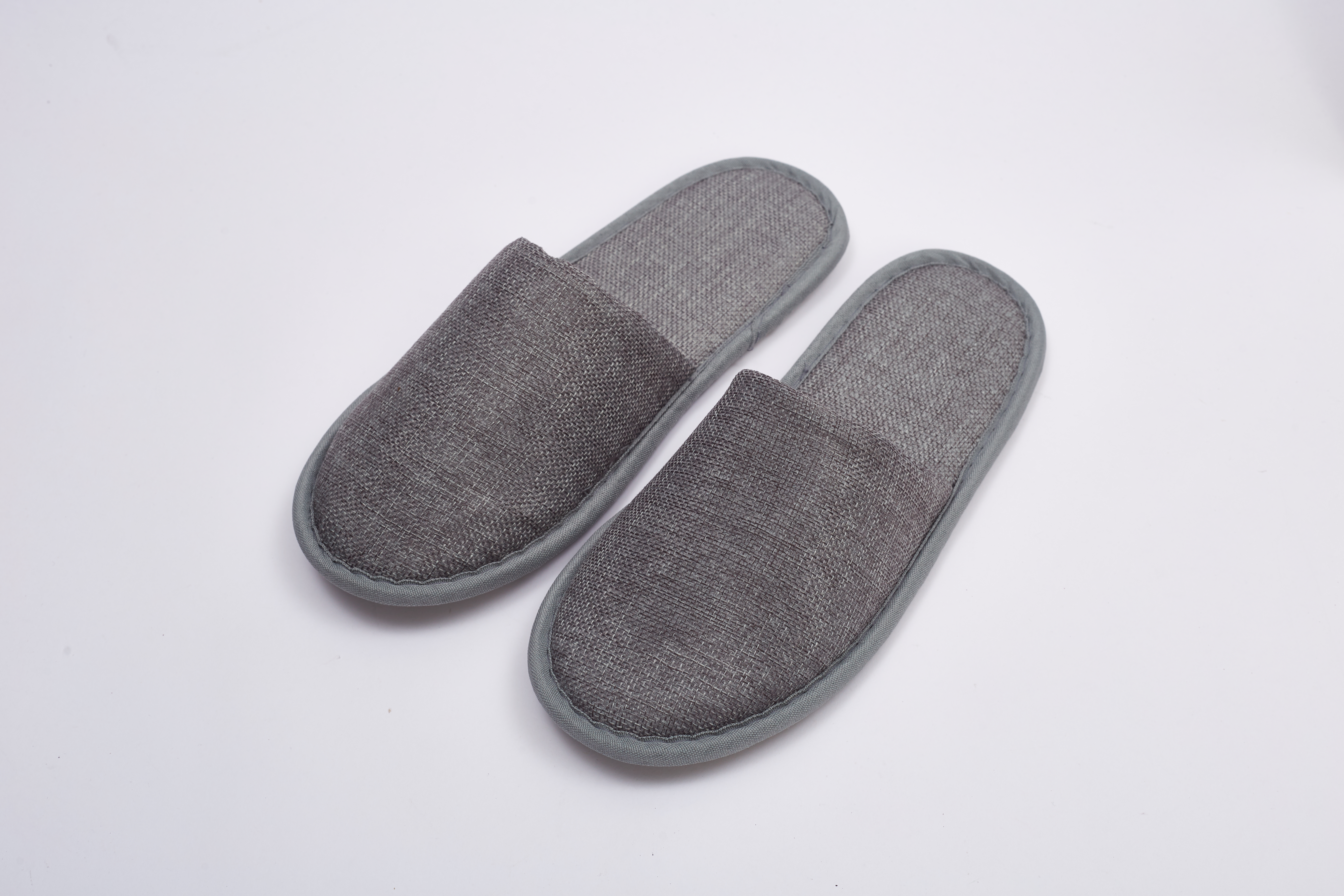
hotel disposable slipper manufacturer
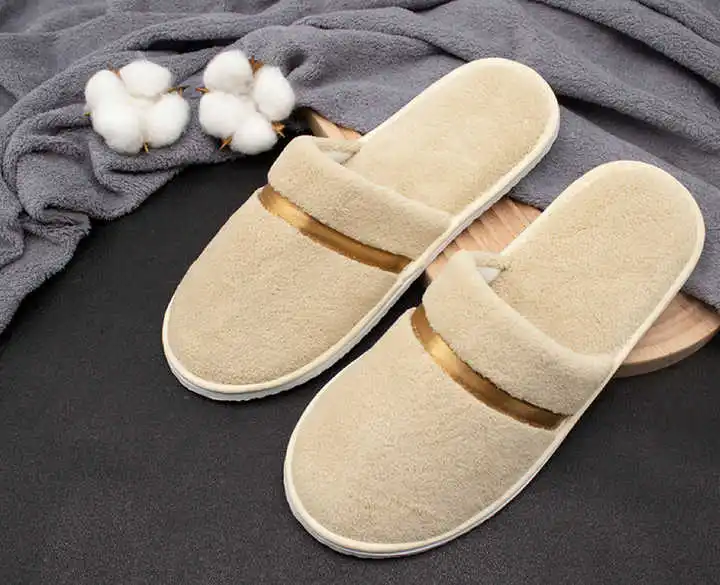
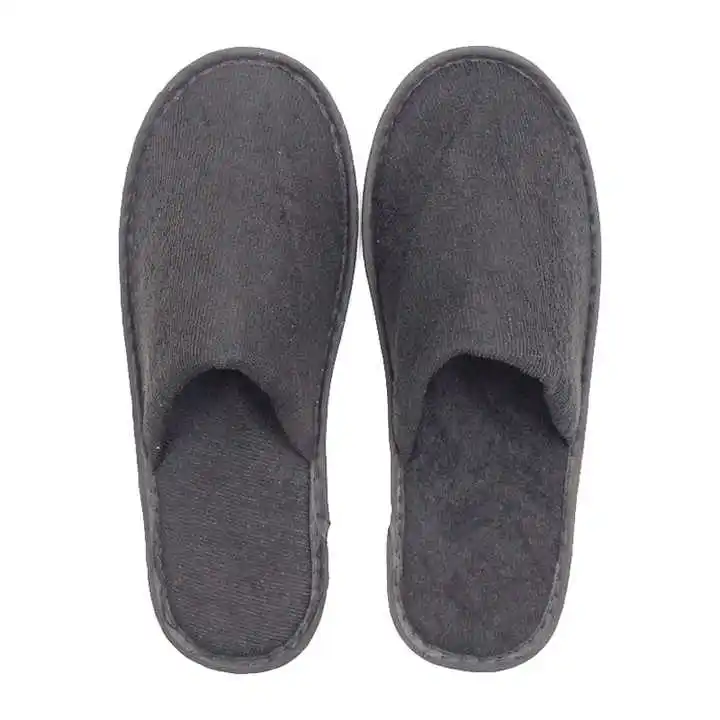
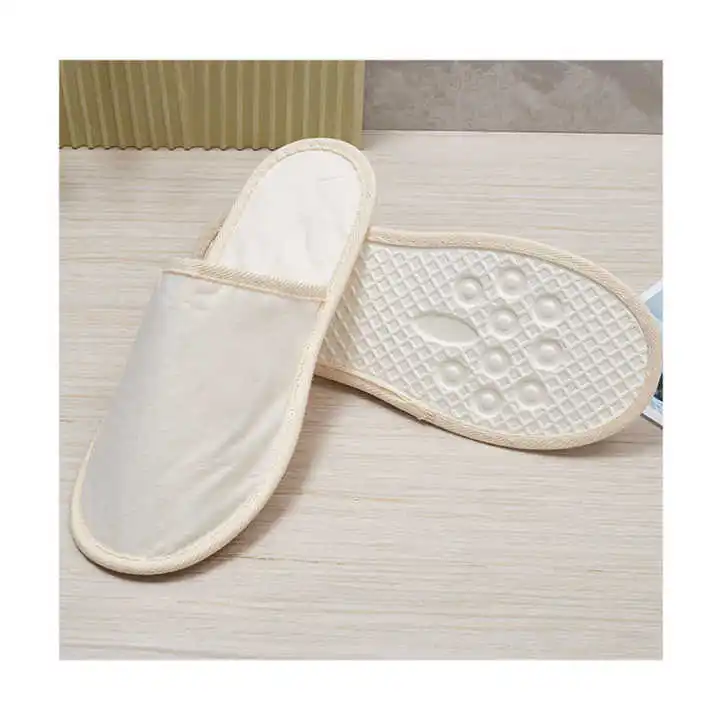
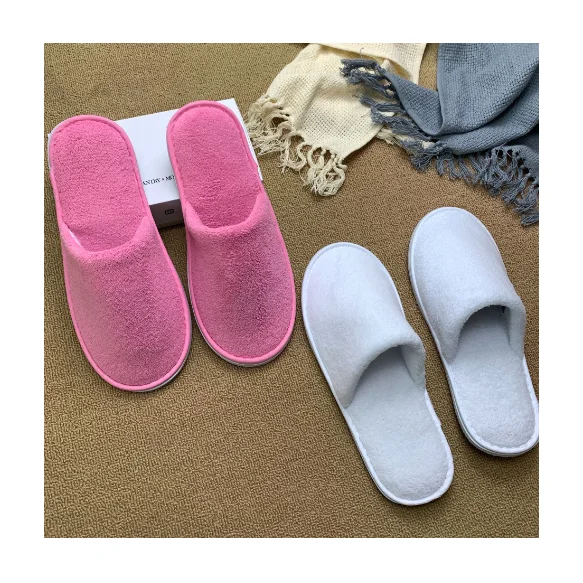
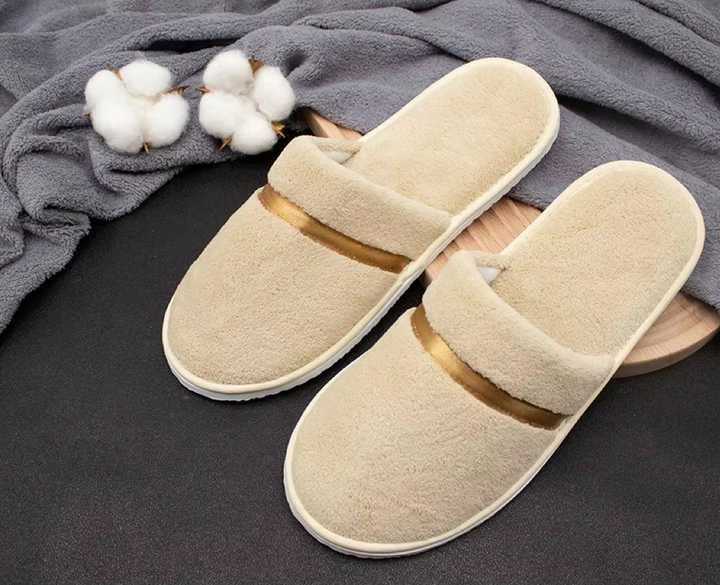
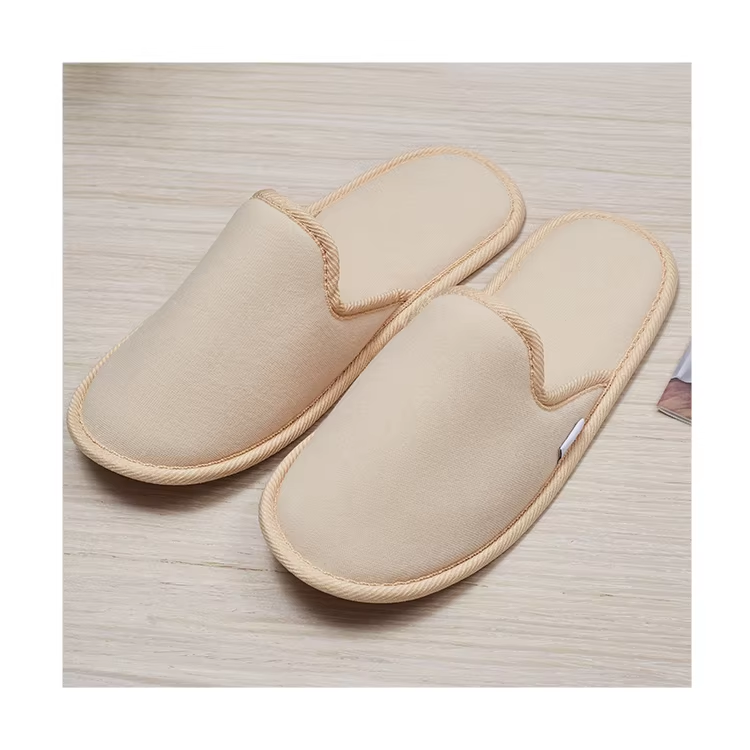
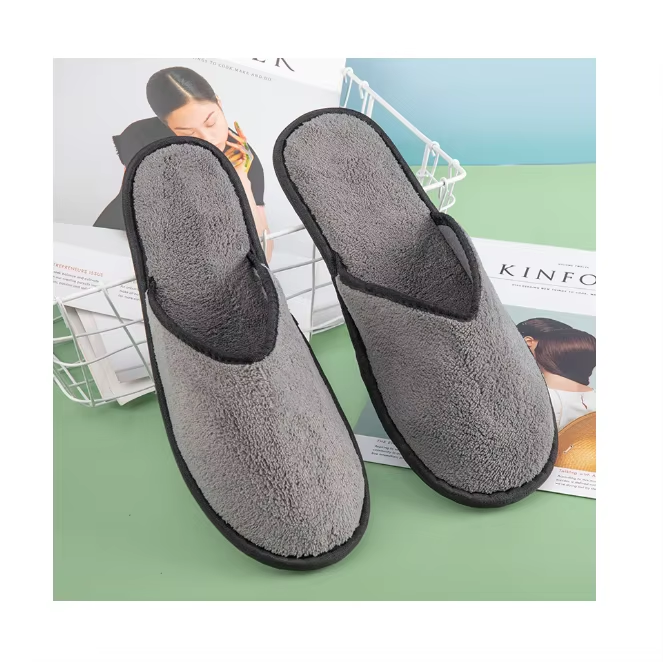
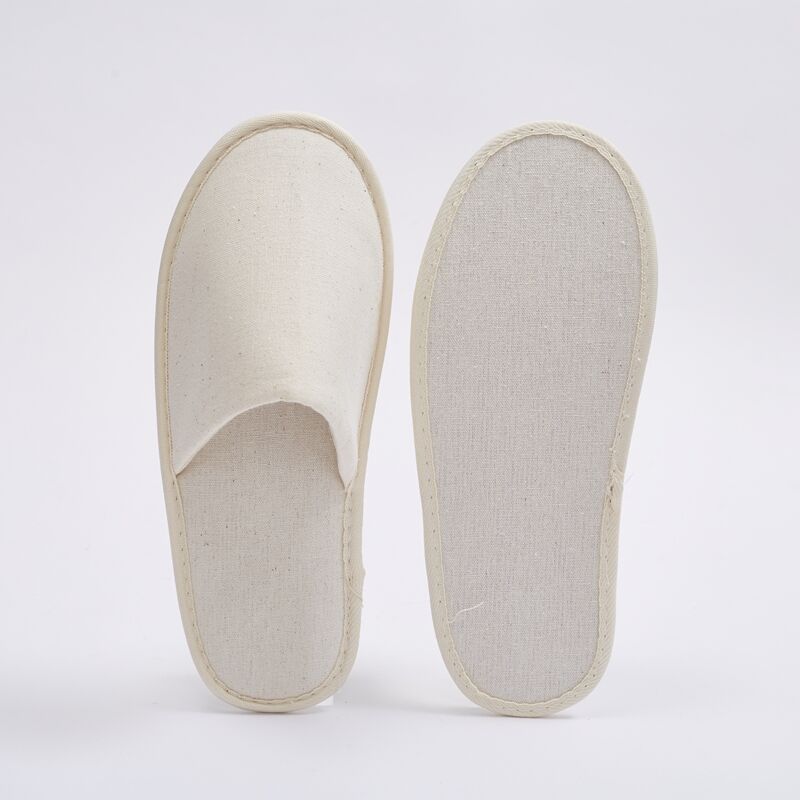
A hotel disposable slipper manufacturer represents a specialized industrial entity dedicated to producing high-quality, single-use footwear specifically designed for hospitality environments. These manufacturers operate sophisticated production facilities equipped with advanced machinery and quality control systems to ensure consistent product excellence. The primary function of a hotel disposable slipper manufacturer involves transforming raw materials such as non-woven fabrics, EVA foam, and synthetic materials into comfortable, hygienic footwear solutions that meet stringent hospitality standards. The manufacturing process incorporates cutting-edge technology including automated cutting systems, heat-sealing equipment, and precision molding machines that enable mass production while maintaining product uniformity. Modern hotel disposable slipper manufacturers utilize computer-controlled production lines that can process thousands of units per hour, ensuring efficient supply chain management for large hospitality clients. These facilities implement rigorous quality assurance protocols, including material testing, dimensional accuracy verification, and comfort assessment procedures. The technological infrastructure includes environmental control systems that maintain optimal production conditions, reducing contamination risks and ensuring product sterility. Applications for hotel disposable slipper manufacturers extend beyond traditional hotels to include resorts, spas, cruise ships, airlines, medical facilities, and residential care centers. The manufacturing process involves multiple stages including material preparation, pattern cutting, assembly, quality inspection, and packaging. Advanced manufacturers employ sustainable production methods, incorporating eco-friendly materials and waste reduction techniques. The distribution network typically encompasses global supply chains, enabling manufacturers to serve international hospitality markets efficiently. Production capacity varies significantly among manufacturers, with leading companies capable of producing millions of units monthly. The integration of digital manufacturing technologies allows for customization options, including branded designs, color variations, and size specifications tailored to specific client requirements.

 EN
EN