 EN
EN
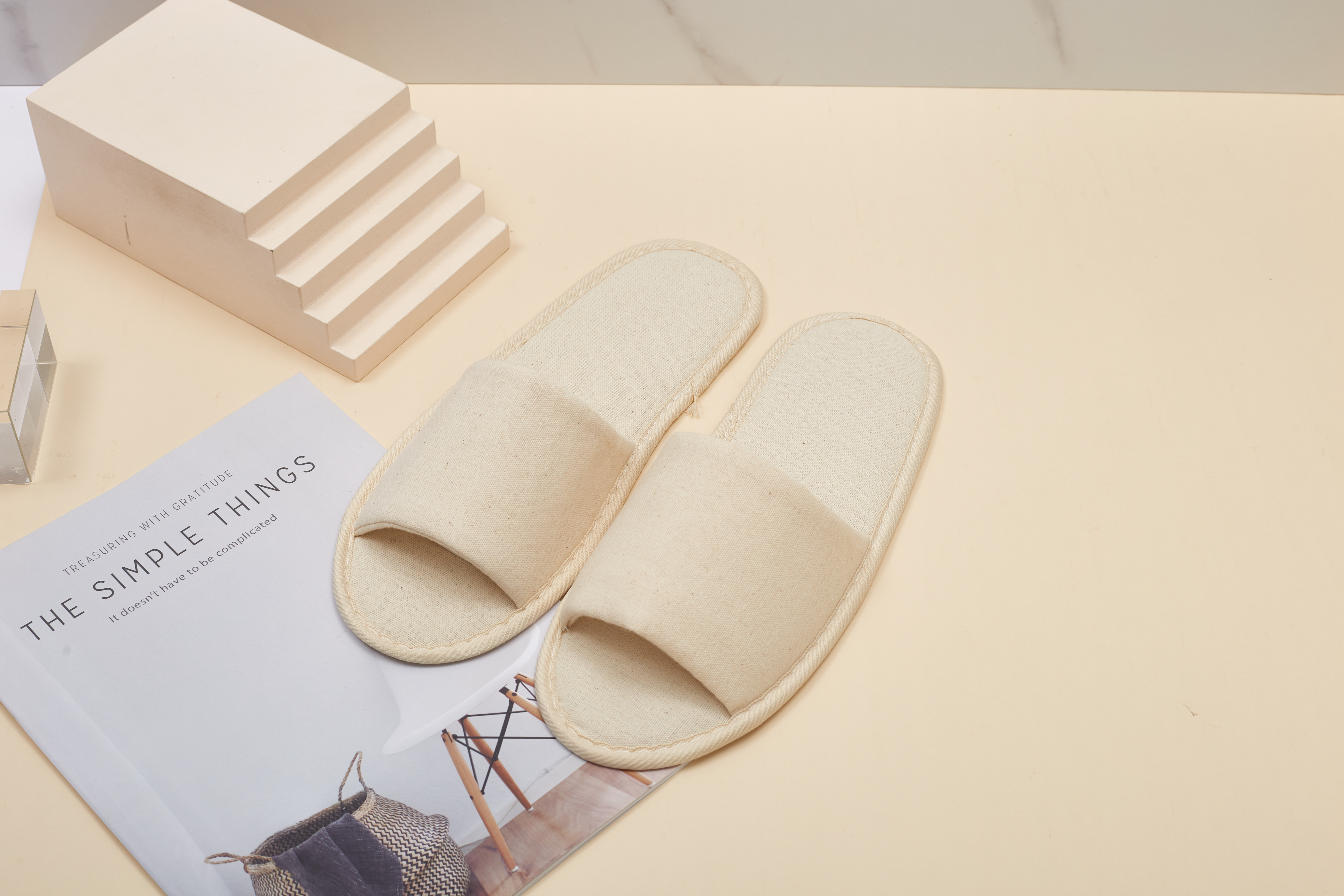
בחירת הנעלים האוויריות המתאימות לטיולכם יכולה להשפיע באופן משמעותי על נוחותכם והבטיחות שלכם במהלך הטיול באוויר. עם העלייה בהכרת התחום של היגיינה ונוחות אישית, המسافרים הופכים בקיאים יותר בנעלים האוויריות שבוחרים ללבוש במהלך טיסות ארוכות. ההחלטה כוללת הערכת גורמים מרובים, כגון בטיחות החומר, תכונות הנוחות, עמידות ואיכות העיצוב הכללית, כדי להבטיח הגנה אופטימלית על הרגליים ורפיון לאורך כל הנסיעה.
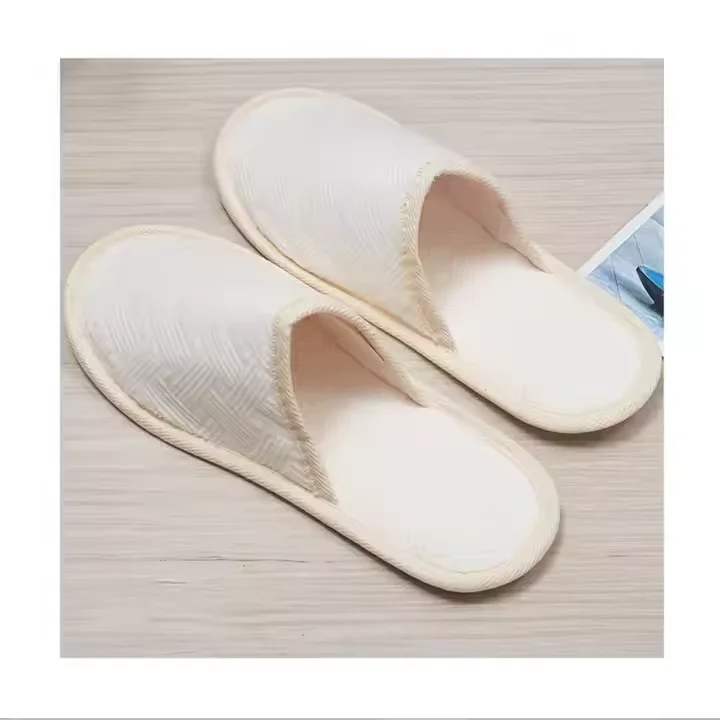
התהליך של בחירת נעלים לטייסים מתבקש להבנת השפעת חומרים שונים, שיטות יצור ומאפייני עיצוב על הנוחות המיידית ועל בריאות הרגליים לאורך זמן. נוסעים מודרניים עומדים בפני מגוון רחב של אפשרויות, החל מדוגמאות חד-פעמיות בסיסיות ועד לעיצובים ייחודיים לשימוש חוזר, כאשר כל אחד מהם מציע יתרונות ייחודיים בהתאם לאורך הנסיעה, העדפות אישיות ודרישות בטיחות ספציפיות. בחירה מושכלת מבטיחה שהנעליים לטייסים שלכם מספקות את התמיכה וההגנה הדרושות, תוך שמירה על סטנדרטים של היגיינה אשר הם חיוניים לטיסה.
הבנת תקני הבטיחות לנעליים לטייסים
בטיחות החומר ודרישות האישור
בעת הערכת סנדלים לתחנות אוויריות מבחינת ביטחון, הנושא העיקרי הוא הרכב החומר ותקנים ייצור. סנדלים איכותיים לתחנות אוויריות צריכים להיבנות מחומרים שאינם רעילים, אשר נבדקו מבחינת הבטיחות שלהם במגע עם העור ותכולת האלרגנים. יש לחפש מוצרים שמתאימים לתקנים בינלאומיים לביטחון, כגון תקן OEKO-TEX או אישורים דומים המאמתים את היעדר חומרים מסוכנים ברכיבי הטקסטיל.
חומר הכף ממלאת תפקיד קריטי בביצוע הביטחוני, במיוחד מבחינת התנגדות החלקה ותפקוד המבנה. סנדלים איכותיים לתחנות אוויריות מצוידים בכפות שעשויות מחומרים שמספקים אחיזה מספקת על רצפת המטוס, תוך שמירה על גמישות כדי לאפשר תנועה טבעית של הרגל. יש להימנע מסנדלים לתחנות אוויריות שמכילים כפות קשיחות מדי או חלקות לחלוטין, אשר עלולות להגביר את הסיכון להחלקה במהלך טרבלנס או בעת תנועה בתוך תא הנוסעים של המטוס.
תמרות אש הן היבט בטיחותי קריטי נוסף שغالב times מתעלמים ממנו בבחירת נעלים לטייסים. יצרנים איכותיים משתמשים בחומרים או בעיבודים עמידים ללהבה אשר עומדים בתקנות הבטיחות של התעופה. תכונה זו הופכת חשובה במיוחד במצבים חירום, שבהם נוסעים עלולים להזדמן להתפנות במהירות תוך כדי הנחת הנעלים.
ריאות והגנה בפני זיהום
תקנים מתאימים של היגיינה הם חיוניים בבחירת נעלים לטייסים, מאחר שסביבות המטוס עשויות להכיל מגוון מיקרואורגניזמים ומזיקים. נעלים לטייסים חד-פעמיות מספקות את רמת ההיגיינה הגבוהה ביותר, מאחר שהן מעוצבות לשימוש יחיד בלבד ומבטלות את הסיכונים של זיהום משולב בין טיסות או נוסעים.
למגפיים לשימוש חוזר של חברות תעופה, טיפולים נגד מיקרואורגניזמים וחומרים שיכולים להישטף הופכים לגורמים קריטיים. יש לחפש מוצרים המוכלים יוני כסף, שילוב נחושת או טכנולוגיות אחרות נגד מיקרואורגניזמים שהוכחו כיעילות בהפחתת צמיחת חיידקים ופטריות. האפשרות לנקות ולסלק חיידקים באופן מעמיק מהמגפיים לשימוש חוזר של חברות תעופה בין השימושים היא חיונית לשמירה על בריאות הרגליים והמנעה של זיהומים.
הנשימות תורמת גם היא לניקיון על ידי מניעת הצטברות יתר של לחות שיכולה להוביל לצמיחת חיידקים. מגפיים איכותיים של חברות תעופה מצוידים בקווים לאוורור, בבדים המושכים לחות או בעיצובים מחורים שמעודדים את זרימת האוויר סביב הרגליים במהלך תקופות לישה ממושכות.
הערכה של מאפייני הנוחות במגפיים של חברות תעופה
מערכות ספוג ותמיכה
הערכה של הנוחות מתחילה בבחינת מערכות הקיפוף המובנות בנעלים לטייסים. קיפוף יעיל צריך לספק בלימת זעזועים מספקת תוך שמירה על יישור תקין של הרגל בעת הליכה ובעת עמידה. כריתות פוליאורית עם זיכרון צורה הן אחת מפתרונות הקיפוף היעילים ביותר, שכן הן מתאימות לצורות הרגל האישיות ופולגות את הלחץ באופן אחיד לאורך כף הרגל.
תמיכה בקשת הרגל הופכת במיוחד חשובה לנוסעים עם בעיות רגליים ספציפיות או לאלו שמתכננים ללבוש את גרביים של חברות תעופה במשך תקופות ארוכות. יש לחפש דגמים הכוללים מצעי רגליים מדורגים או מבנים מובנים לתמיכה בקשת הרגל שמסייעים לשמור על עמדת הרגל הנכונה ולפחת את העייפות במהלך טיסות ארוכות.
תכונות הגנה על עקב ואצבעות הרגל תורמות גם הן במידה רבה לנחוץ הכללי. נעלים איכותיות לטייסים כוללות כוסיות עקב מחוזקות שמניעות תנועה מוגזמת של הרגל בתוך הנעל, ומגיני אצבעות שמיועדים להגן מפני התנגשויות אקראיות עם ציוד התא או עם המזוודות.
שקולים לגודל וליתר
הבחירה בגודל המתאים היא יסודית כדי להשיג נוחות אופטימלית מנעלים לטייסים. בניגוד לנעלים רגילות, נעלים לטייסים צריכות לאפשר מקום להתרחבות טבעית של הרגליים שמתבצעת לעיתים קרובות במהלך הטיסה בגלל שינויים בלחץ הקבינה ומשום הישיבה הממושכת. יש לבחור בנעלים לטייסים שמתאימות לגודל מעט רחב יותר מגודל הנעל הרגיל שלכם כדי להתחשב בהתרחבות הטבעית הזו.
תכונות ניתנות להתאמה, כגון צמידים אלסטיים, רצועות ולקרא או סגירות עם חוט משיכה, יכולות לסייע ביצירת התאמה מותאמת שמתאימה לשינויי הממדים של הרגליים לאורך כל הטיסה. מנגנוני ההתאמה הללו גם מונעים מהנעלים לה느ל או ליפול בזמן השינה או בעת תנועה בתוך הקבינה.
הרוחב של הנעלים הוא חשוב באותה מידה, מכיוון שנעלים סטנדרטיות של חברות התעופה עשויות שלא להתאים לנוסעים בעלי רוחב כף רגל גדול או קטן יותר. יש לחפש יצרנים המציעים אפשרויות מרובות של רוחב או עיצובים עם פאנלים צדדיים גמישים שיכולים להתאים לרבים מצורות כף הרגל ללא יצירת נקודות לחץ או ריחוק מופרז.
הערכה של העיצוב ואיכות הבנייה
תכולת עמידות ותקנים ייצוריים
הערכת איכות הבנייה כוללת בדיקה של התפרים, הדבקה ושיטות האיסוף המשמשות בייצור נעלים של חברות התעופה. מוצרים באיכות גבוהה מאפיינים תפרים מחוזקים, חיבור אמין של הכף והחלק העליון, ועובי אחיד של החומר בכל רחבי העיצוב. בנייה לקויה עלולה להוביל לאי-תפקוד מוקדם, מה שיוצר סיכונים לביטחון ובעיות בנוחיות במהלך הנסיעה.
בחירת החומר משפיעה ישירות על הציפיות לדיוקן של נעליים לטייסים. בעוד שדמויות חד-פעמיות מעדיפות יעילות עלות והיגיינה על פני עמידות, הן עדיין צריכות לשמור על שלמות מבנית לאורך משך טיסה טיפוסי. נעליים לטייסים לשימוש חוזר דורשות חומרים חזקים יותר וטכניקות בנייה מתקדמות יותר כדי לעמוד במחזורים מרובים של שימוש ותהליכי ניקוי.
החלקים המחברים והנקודות המחברות מהווים אזורים נפוצים של כשל בעיצוב נעליים לטייסים. יש לבדוק כיצד מחוברת חומר החלק העליון לתחתית, כיצד מחוברים ремסים או סגירות לגוף העיקרי, והאם קיימת חיזוק באזורים הנמצאים תחת מתח גבוה. יצרנים איכותיים משלבים תפרים נוספים, ריתוך או הדבקה בנקודות קריטיות אלו כדי למנוע התנתקות במהלך השימוש.
גורמים סביבתיים וסustainability
מטיילים מודרניים מתעכבים יותר ויותר על ההשפעה הסביבתית בעת בחירת סנדלי טיסה. אפשרויות ידידותיות לסביבה כוללות חומרים ביו-התנפצים, חומרים מחזוריים ותהליכי ייצור בר-קיימא שמקטינים את הרגל האקולוגית. סנדלי טיסה ביו-התנפצים המיוצרים מסיבים טבעיים או מחומרים מבוססי צמחים מציעים זריקת פסולת ללא תחושת אשמה לאחר השימוש.
הקיימות של אריזות גם היא נלקחת בחשבון בהערכה הסביבתית הכוללת של סנדלי טיסה. יש לחפש מוצרים המשתמשים בחומרי אריזה מינימליים וניתנים למחזור, ולמנוע עטיפת פלסטיק מופרזת או מיכלים שאינם ביו-התנפצים. חלק מהיצרנים מציעים אפשרויות אריזה קבוצתית שמצמצמות את כמות הפסולת המתקבלת ליחידה.
שקולות הרגל הפחמנית כוללות את מיקום הייצור, מרחקי התובלה ודרישות האנרגיה בייצור. סנדלי טיסה מיוצרים באופן מקומי או כאלה המיוצרים באמצעות מקורות אנרגיה מתחדשים מהווים בחירות אחראיות יותר לסוגי מטיילים מודעים.
הנחיות פרקטיות לבחירה ושימוש
דרישות ספציפיות לנסיעה
לכל תרחיש נסיעה שונה יש התחשבויות מיוחדות בבחירת נעליים למטוס. טיסות בינלאומיות ארוכות דורשות רמת נוחות ועמידות גבוהה יותר בהשוואה לטיסות פנים קצרות. עבור טיסות ממושכות, יש לשים דגש על נעלי מטוס עם כריתון מעולה, ניהול יעיל של לחות ורגולציה של טמפרטורה, כדי לשמור על נוחות לאורך שעות רבות של חפיפה.
ההיבטים הקליימטיים משפיעים על בחירת נעלי המטוס, במיוחד בטיסות ליעדים עם טמפרטורות קיצוניות. נעלי מטוס מבודדות מספקות חום לטיסות לאקלימים קרים, בעוד שאופציות קלות ומנשימות מתאימות ליעדים טרופיים. חלק מהנוסעים מעדיפים עיצובים רב-תכליתיים שמתאימים גם לתנאי אקלים מגוונים.
התאמה לנקודת בדיקת האבטחה מייצגת שיקול נוסף מעשי לנעלים לטייסים. יש לבחור בעיצובים שקל להסיר ולהלביש מחדש במהלך הליכי הבדיקה באבטחה, מבלי לפגוע בהגנה על הרגליים או בניקיון. דגמים של נעלים ללא רצועות (slip-on) עם מינימום חומרה מספקים בדרך כלל את החוויה הנוחה ביותר באבטחה.
שיקולי אחסון ותחזוקה
פתרונות אחסון יעילים משפרים את ההנאה מהנעלים לטייסים לנוסעים תכופים. עיצובים קומפקטיים ומקופלים, או כאלה המסופקים עם כיס אחסון, תופסים מינימום מקום במזוודות, ובאותו זמן מגנים על הנעלים מזיהום במהלך ההובלה. חלק מהנעלים לטייסים כוללות מנגנוני קיפול חדשניים שמצמצמים את שטח האחסון שלהם עד ב-70%.
דרישות התיקון משתנות באופן משמעותי בין סנדלים חד-פעמיים לשימוש באוויריות לבין סנדלים לשימוש חוזר. האופציה החד-פעמית מבטלת את דאגות התיקון, אך דורשת תכנון מתוכנן של הפתרון להשלכתם. לסנדלים לשימוש חוזר באוויריות יש צורך בפרוטוקולי ניקוי שמסירים יעילות את המזיהמים תוך שמירה על תכונות החומר והאינטגריות המבנית.
תזמן ההחלפה עוזר לשמור על היגיינה ואפקטיביות אופטימליות מסנדלים לאוויריות. גם מודלים איכותיים לשימוש חוזר חייבים להחליף באופן מחזורי בהתאם לדפוסי הבלאי, להתפתחות ריחות או לפגיעות מבנית. יש לקבוע את קריטריוני ההחלפה על סמך תדירות השימוש, יעילות הניקוי ומצביעי הבלאי הוויזואליים.
שאלות נפוצות
אילו חומרים יש להימנע מהם בבחירת סנדלים לאוויריות?
הימנע מנעליים לטייסים שעשויים מחומרים המכילים לטקס אם אתה סובל מאלרגיות, מחומרים סינטטיים עם ריח כימי חזק שעשוי להצביע על רכיבים רעילים, או מפלסטיק שאינו נושם כלל, אשר עלול לגרום להזעה מוגברת ולחוסר נוחות. כמו כן, הימנע מחומרים שמרגישים גסים או קשוחים נגד העור, מכיוון שהם עלולים לגרום להiritציה בעת הנשיאה הממושכת. בחר נעליים לטייסים שעשויים מחומרים מאושרים כבטוחים ובעלי תכונות היפואלרגניות.
איך אני מגדיר את הגודל המתאים לנעליים לטייסים בהתחשב באדמת הרגל במהלך הטיסות?
בחרו נעלי בית לטייסים שגודלם גדול בבערך חצי מידה מגודל הנעל הרגיל שלכם כדי להתחשב בשחיקה הטבעית של הרגליים שמתרחשת במהלך טיסה. בדקו את ההתאמה על ידי החזקת הנעליים למשך 15–20 דקות בעמידה והליכה, כדי לוודא שהן נוחות וקבועות היטב בלי להיות רפויות מדי. שקולו נעלי בית לטייסים עם תכונות ניתנות להתאמה, כגון פאנלים אלסטיים או רצועות, אשר מסוגלות להתאים את עצמן לממדים משתנים של הרגליים לאורך כל הטיסה.
האם נעלי בית חד-פעמיות או חוזרות לשימוש טובות יותר לנוסעים תכופים?
למטיילים תכופים, סנדלי תעופה לשימוש חוזר מספקים לעתים קרובות ערך טוב יותר ויתרונות סביבתיים, למרות עלות התחלתי גבוהה יותר. סנדלי תעופה לשימוש חוזר באיכות גבוהה מציעים תכונות נוחות מתקדמות ויוכלו לשרוד עשרות טיסות כאשר מתבצע עליהם שימור תקין. עם זאת, אם אתם נותנים עדיפות להיגיינה מקסימלית או נוטים לנסוע לעיתים רחוקות, סנדלי תעופה חד-פעמיים מבטלים את הצורך בשימור ומעוררים פחות חששות של זיהום צולב, תוך הבטחת נעליים טריות ונקיון עבור כל נסיעה.
האם ניתן ללבוש סנדלי תעופה מחוץ למטוס או רק במהלך הטיסה?
רוב הנעלים שסופקות חברות התעופה מעוצבות במיוחד לשימוש פנימי בתוך המטוס ועשויות שלא לספק הגנה או עמידות מספקת להליכה בחוץ. עם זאת, חלק מהנעלים השמורות של חברות התעופה מצוידות בכפות מוגברות וחומרים مقاומים לאקלים, המתאימים לשימוש קצר בחוץ, למשל בבתי מלון או בשדות התעופה. יש לבדוק את مواصفות היצרן ואת עיצוב הכף לפני השימוש בנעלים של חברת התעופה מחוץ לסביבת המטוס, כדי למנוע נזק או בעיות בטיחות.