
 EN

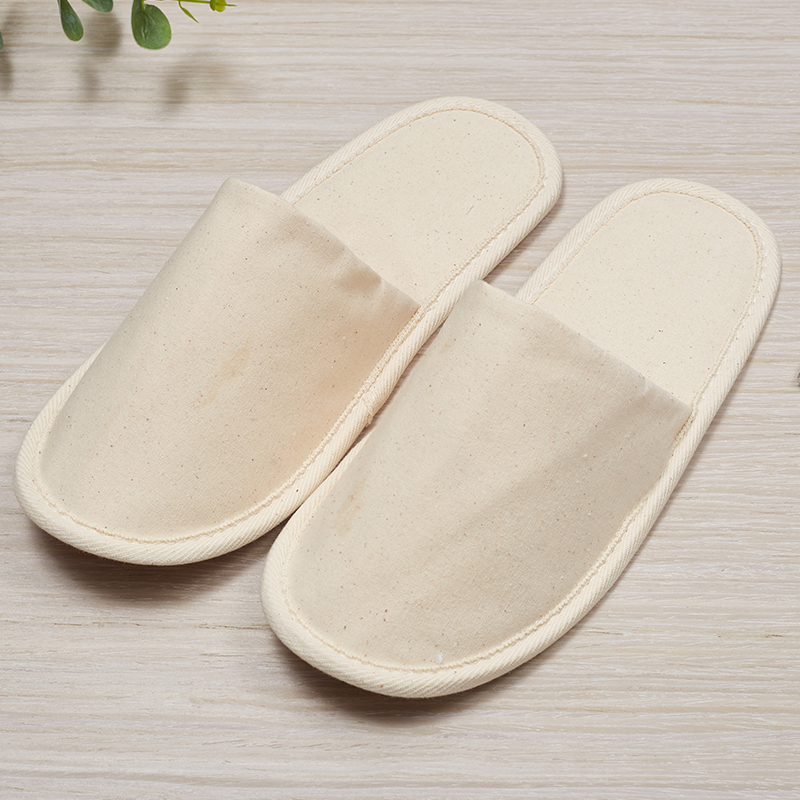
Biodegradable hotel slippers represent a significant shift toward sustainable hospitality practices. Hotels worldwide are increasingly recognizing that guest comfort and environmental responsibility go hand in hand. Choosing biodegradable hotel slippers allows properties to reduce their ecological footprint while maintaining the quality and comfort standards guests expect. The material composition of these slippers directly influences their durability, comfort level, and environmental impact, making it essential for hospitality managers to understand what goes into manufacturing biodegradable hotel slippers.
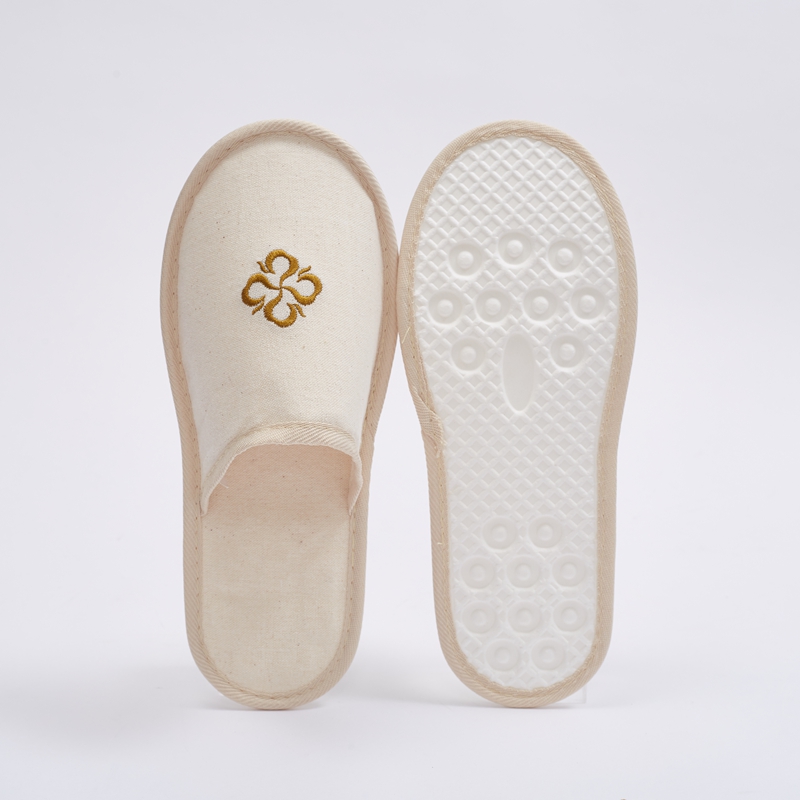
The development of biodegradable hotel slippers involves careful selection of materials that balance sustainability with performance. Modern hospitality operations demand footwear that withstands frequent laundering, maintains its shape, and provides adequate support for guests moving through hotels. Biodegradable hotel slippers meet these requirements using innovative natural and synthetic materials engineered specifically for the hospitality sector. Understanding these materials helps hotel procurement teams make informed decisions that align with their sustainability goals and guest satisfaction metrics.
Natural Fiber Materials in Biodegradable Hotel Slippers
Organic Cotton and Cotton Blends
Organic cotton serves as one of the most popular upper materials in biodegradable hotel slippers. Unlike conventional cotton, organic cotton grows without synthetic pesticides or fertilizers, reducing chemical exposure in both production and disposal. Hotels choosing biodegradable hotel slippers with organic cotton uppers gain a material that feels soft against skin, maintains breathability, and naturally biodegrades at end-of-life. Cotton's absorbent properties make biodegradable hotel slippers comfortable for extended wear, particularly in warm climates where moisture management matters.
Cotton blend constructions enhance the performance characteristics of biodegradable hotel slippers while preserving their eco-friendly profile. Manufacturers often combine organic cotton with other natural fibers like linen or hemp to improve durability without compromising biodegradability. These blended biodegradable hotel slippers offer superior resilience to repeated washing cycles, which matters greatly for hospitality environments where slippers undergo frequent commercial laundering. The blend structure also helps biodegradable hotel slippers maintain consistent appearance and comfort through an extended product lifecycle.
Hemp and Bamboo Materials
Hemp fabric represents an increasingly popular choice for sustainable biodegradable hotel slippers. Hemp grows rapidly, requires minimal water and pesticides, and produces stronger fibers than cotton. Biodegradable hotel slippers made with hemp uppers demonstrate exceptional durability even after numerous wash cycles, extending the useful lifespan of each pair. Hotels investing in biodegradable hotel slippers constructed from hemp benefit from reduced replacement frequency and lower overall product lifecycle costs.
Bamboo-based materials offer another sustainable option for premium biodegradable hotel slippers. Bamboo fabric, produced through mechanical or closed-loop chemical processing, provides silky softness comparable to luxury textiles. Biodegradable hotel slippers featuring bamboo components deliver a luxurious guest experience while maintaining full environmental compatibility. The antimicrobial properties inherent in bamboo make biodegradable hotel slippers naturally resistant to odor development, enhancing hygiene standards in shared hospitality environments.
Sustainable Sole and Bottom Materials
Pulp-Based and Recycled Materials
The soles of biodegradable hotel slippers require materials that provide grip, durability, and structural integrity. Pulp-based bottom materials represent an innovative solution where manufacturers compress and treat natural cellulose pulp to create sole structures. These biodegradable hotel slippers feature soles that decompose naturally after extended use, avoiding the persistent waste problems associated with traditional foam or plastic soles. Biodegradable hotel slippers with pulp-based soles meet hospitality wear standards while remaining truly biodegradable throughout their entire construction.
Recycled material soles bring additional sustainability value to biodegradable hotel slippers. Manufacturers source recycled textiles, plastic fibers, and other post-consumer materials to create stable sole structures. These biodegradable hotel slippers redirect waste streams into productive use while maintaining the slip-resistant properties essential for guest safety. Hotels utilizing biodegradable hotel slippers with recycled soles participate in circular economy principles, reducing both raw material consumption and landfill impact.
Natural Rubber and Latex Alternatives
Natural rubber provides excellent grip and durability characteristics for biodegradable hotel slippers. Sourced from rubber trees through sustainable harvest methods, natural rubber biodegrades over time when exposed to sunlight and microorganisms. Biodegradable hotel slippers featuring natural rubber soles offer superior traction on wet bathroom surfaces compared to many synthetic alternatives. Hotels prioritizing guest safety find that biodegradable hotel slippers with natural rubber construction meet slip-resistance standards while maintaining environmental integrity.
Latex alternatives derived from plant sources offer another sustainable option for biodegradable hotel slippers. These bio-based synthetics provide flexibility and comfort properties similar to petroleum-derived elastomers but with significantly reduced environmental impact. Biodegradable hotel slippers constructed with plant-derived latex maintain structural integrity through standard hospitality use while remaining biodegradable at product end-of-life. This material choice allows biodegradable hotel slippers to achieve both performance and sustainability without compromising either objective.
Advanced Manufacturing and Material Innovation
Adhesive and Binding Systems
The adhesive systems used in biodegradable hotel slippers significantly influence the product's final environmental profile. Traditional synthetic adhesives can prevent full biodegradation even when uppers and soles are entirely natural. Modern biodegradable hotel slippers employ water-based and plant-derived adhesives that break down alongside other materials. Hotels selecting premium biodegradable hotel slippers benefit from manufacturing innovations that ensure every component contributes to the biodegradable integrity of the final product.
Binding and stitching methods in biodegradable hotel slippers increasingly utilize natural threads and sustainable construction techniques. Mechanical interlocking and minimal adhesive use reduce chemical inputs while maintaining structural durability. Biodegradable hotel slippers designed with these advanced methods withstand commercial washing while remaining fully biodegradable. This engineering approach demonstrates that biodegradable hotel slippers need not sacrifice durability or guest comfort to achieve genuine environmental benefit.
Quality Standards and Performance Testing
Biodegradable hotel slippers must meet rigorous performance standards despite their eco-friendly composition. Manufacturers test biodegradable hotel slippers for slip resistance, compression resistance, colorfastness, and durability under repeated laundry cycles. These validation processes ensure that biodegradable hotel slippers perform identically to conventional options from a guest satisfaction perspective. Hotels can confidently select biodegradable hotel slippers knowing they meet established hospitality footwear performance benchmarks.
Certification systems help hotels identify authentic biodegradable hotel slippers from manufacturers committed to true environmental standards. Look for biodegradable hotel slippers carrying certifications from recognized environmental bodies that validate material sourcing and end-of-life decomposition. Biodegradable hotel slippers backed by third-party certification provide assurance that sustainability claims are substantiated rather than merely aspirational. This transparency allows hotels to make procurement decisions aligned with their stated environmental commitments.
FAQ
What timeframe do biodegradable hotel slippers require to fully decompose?
The decomposition timeline for biodegradable hotel slippers depends on specific material composition and environmental conditions. Most natural fiber biodegradable hotel slippers decompose within one to three years in composting environments with appropriate moisture, temperature, and microbial activity. Soles made from natural rubber require longer timeframes, typically five to ten years. Biodegradable hotel slippers in standard landfill conditions decompose more slowly due to reduced microbial activity, though they eventually break down into natural components that pose minimal long-term environmental concern.
How do biodegradable hotel slippers compare to conventional slippers in terms of cost?
Biodegradable hotel slippers typically carry a modest premium over conventional options, usually ranging from ten to twenty percent higher initial cost. However, this price difference narrows when considering total lifecycle costs. Biodegradable hotel slippers often demonstrate comparable durability to traditional slippers, reducing replacement frequency. Hotels often recover the initial cost premium through reduced waste disposal expenses and potential tax incentives for sustainable procurement, making biodegradable hotel slippers economically competitive for larger operations.
Can biodegradable hotel slippers withstand industrial laundering processes?
Yes, modern biodegradable hotel slippers are specifically engineered to survive commercial laundry cycles including high-temperature washing, mechanical agitation, and industrial drying. The adhesives, threads, and material bonds used in quality biodegradable hotel slippers maintain integrity through these rigorous processes. Hotels using biodegradable hotel slippers experience no reduction in slipper lifespan compared to conventional options, ensuring that sustainability choices do not compromise operational efficiency or guest experience standards.