
 EN

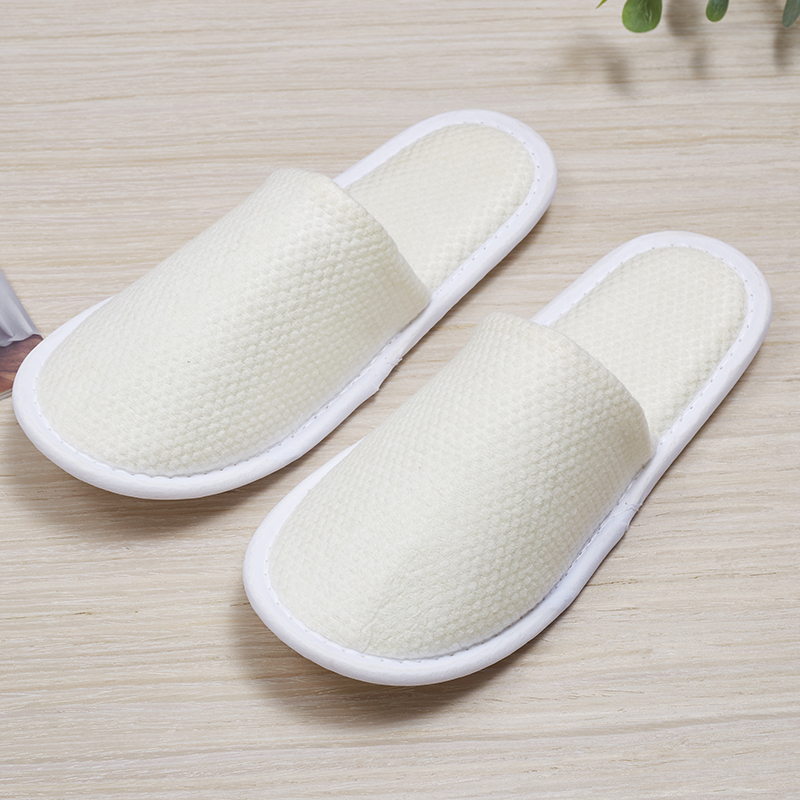
Hotels face mounting pressure to reduce their environmental footprint while maintaining guest satisfaction. One often-overlooked opportunity lies in everyday amenities like slippers. Biodegradable hotel slippers represent a practical, impactful shift toward sustainability that addresses both waste reduction and brand reputation. Unlike conventional plastic-based slippers that persist in landfills for decades, biodegradable hotel slippers decompose naturally, breaking down into harmless organic matter within months. This fundamental difference transforms how hotels manage their environmental responsibility, creating measurable benefits across waste streams, guest perception, and operational sustainability goals.
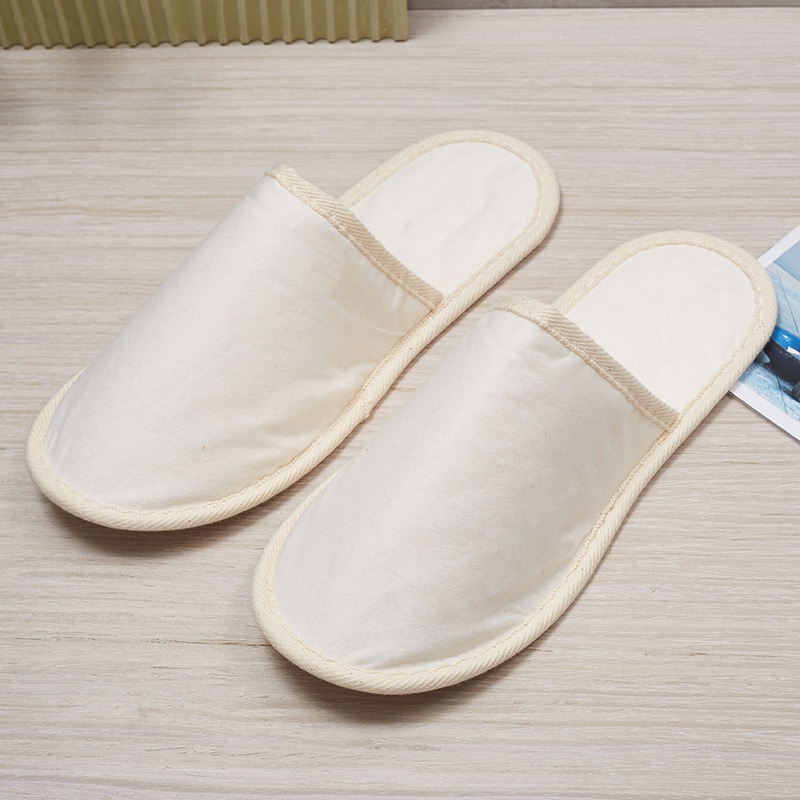
The hospitality industry generates over 2 billion tons of waste annually, with single-use amenities contributing significantly to this burden. Biodegradable hotel slippers address this challenge by replacing conventional disposable options with materials that naturally return to the earth. Hotels implementing biodegradable hotel slippers demonstrate genuine commitment to environmental stewardship, positioning their brand as forward-thinking and responsible. This choice directly influences guest loyalty, attracts environmentally conscious travelers, and reduces overall operational waste disposal costs.
Understanding Biodegradable Materials in Hospitality
What Makes Biodegradable Hotel Slippers Different
Biodegradable hotel slippers are engineered from natural materials such as bamboo pulp, plant-based polymers, and organic fibers that break down through biological processes. Standard hotel slippers rely on polyethylene, polypropylene, and synthetic rubber compounds that remain intact for 200 to 1,000 years. The key distinction is that biodegradable hotel slippers contain no petrochemical components that resist natural decomposition. Instead, these sustainable alternatives decompose within 6 to 12 months in appropriate composting environments, returning nutrients to soil ecosystems. This fundamental material shift represents the most significant environmental advantage biodegradable hotel slippers offer over traditional disposable options.
Certification and Quality Standards
Legitimate biodegradable hotel slippers meet international standards such as ISO 23977 or EN 13432, ensuring genuine biodegradability rather than greenwashing claims. These certifications mandate independent testing that verifies complete breakdown within specified timeframes and confirms the absence of toxic residue. Hotels selecting biodegradable hotel slippers should verify certification documentation, ensuring guests and stakeholders understand authentic environmental benefits. Third-party certification builds credibility and protects hotels from accusations of misleading sustainability marketing. Quality biodegradable hotel slippers maintain comfort and durability standards while meeting rigorous environmental decomposition criteria.
Environmental Impact Reduction Mechanisms
Landfill Diversion and Waste Stream Management
Hotels implementing biodegradable hotel slippers reduce landfill contributions by diverting thousands of disposable amenities annually into compostable waste streams. A mid-size hotel generating 200 guest checkouts daily produces approximately 73,000 slippers per year. Conventional slippers remain as persistent waste for centuries, whereas biodegradable hotel slippers can be included in organic waste composting programs. This redirection prevents landfill space consumption, reduces methane emissions from decomposing synthetic materials, and supports circular economy principles. The cumulative impact across thousands of hotels demonstrates how biodegradable hotel slippers create measurable environmental benefit at both facility and industry scales.
Carbon Footprint and Production Emissions
Manufacturing biodegradable hotel slippers typically generates lower carbon emissions than conventional plastic slipper production. Plant-based materials require less energy-intensive processing compared to petrochemical extraction and polymerization. Additionally, biodegradable hotel slippers avoid the transportation and waste management infrastructure costs associated with landfilling synthetic waste. While production and shipping still generate environmental impact, the overall lifecycle carbon footprint remains substantially lower than conventional disposables. Hotels selecting biodegradable hotel slippers contribute to emissions reduction throughout the product lifecycle, from manufacture through end-of-life disposition.
Operational and Business Benefits Beyond Sustainability
Guest Experience and Brand Differentiation
Biodegradable hotel slippers communicate environmental values to guests, enhancing brand perception and guest satisfaction scores. Eco-conscious travelers increasingly prioritize hotels demonstrating genuine sustainability practices, making biodegradable hotel slippers a visible symbol of corporate responsibility. Guest communication highlighting biodegradable hotel slippers usage can differentiate properties in competitive markets and justify premium positioning. Amenity upgrades like biodegradable hotel slippers often receive positive mentions in guest reviews and social media, generating organic marketing value. Hotels invest in biodegradable hotel slippers not merely as waste reduction tools but as strategic assets supporting brand loyalty and guest retention.
Regulatory Compliance and Cost Efficiency
Increasingly strict regulations around single-use plastic disposal make biodegradable hotel slippers an advantageous compliance strategy. Many jurisdictions implement bans or surcharges on non-degradable disposables, creating future cost pressures on conventional options. Biodegradable hotel slippers provide regulatory resilience, protecting hotels from shifting policy landscapes and potential fines. Composting programs accepting biodegradable hotel slippers often charge lower disposal fees than landfill services, generating cost savings. Over multi-year periods, biodegradable hotel slippers investments yield positive financial returns while strengthening environmental compliance positioning.
Implementation Considerations for Hotels
Supply Chain Integration and Guest Communication
Hotels transitioning to biodegradable hotel slippers should establish clear disposal protocols, ensuring staff understand composting procedures and contamination prevention. Guest education materials placed in rooms explain why biodegradable hotel slippers are provided and how they contribute to environmental goals. Training housekeeping teams on proper separation of biodegradable hotel slippers from contaminated waste streams prevents compost system failures. Transparency about sourcing, certifications, and decomposition processes builds credibility with environmentally motivated guests. Successful implementation requires coordination across procurement, housekeeping, waste management, and guest communication departments.
Supplier Evaluation and Quality Assurance
Hotels selecting biodegradable hotel slippers should verify supplier reliability, certification authenticity, and product consistency across orders. Material performance variations can occur between production batches, making quality assurance protocols essential for guest satisfaction. Testing samples before large-scale orders ensures comfort levels, durability, and appearance meet hotel standards. Supplier partnerships supporting sustainability goals provide long-term supply stability and alignment with evolving environmental regulations. Hotels treating biodegradable hotel slippers as strategic procurement decisions rather than commodity replacements achieve superior outcomes across sustainability, quality, and cost management dimensions.
FAQ
How quickly do biodegradable hotel slippers actually decompose?
Certified biodegradable hotel slippers decompose within 6 to 12 months under industrial composting conditions, typically reaching 90 percent biodegradation. This timeline varies based on temperature, moisture, and microbial activity in composting facilities. Home compost environments may require longer periods due to lower temperatures and microbial diversity. Proper composting conditions are essential for achieving full decomposition of biodegradable hotel slippers. Hotels should partner with certified composting facilities to ensure optimal breakdown and prevent contamination issues.
Do biodegradable hotel slippers cost significantly more than conventional options?
Initially, biodegradable hotel slippers may carry slightly higher per-unit costs compared to basic plastic alternatives, though price differences continue narrowing as production scales. However, when accounting for waste disposal costs, regulatory compliance risk, and guest satisfaction benefits, biodegradable hotel slippers deliver competitive or superior overall value. Many hotels report cost neutrality or savings within three to five years due to reduced landfill surcharges and avoided regulatory penalties. Long-term financial modeling demonstrates that biodegradable hotel slippers represent sound business investments beyond environmental considerations.
Can biodegradable hotel slippers be included in standard hotel laundry and maintenance systems?
Biodegradable hotel slippers are designed as single-use disposables, not reusable laundering items, maintaining hygiene standards while reducing environmental impact. Attempting to launder biodegradable hotel slippers may compromise material integrity and compost compatibility. Hotels should communicate clear single-use expectations to guests while promoting the sustainability benefits of this design approach. Staff training ensures proper identification and separation of biodegradable hotel slippers from reusable amenities. This distinction preserves both guest safety and environmental program effectiveness.