 EN
EN
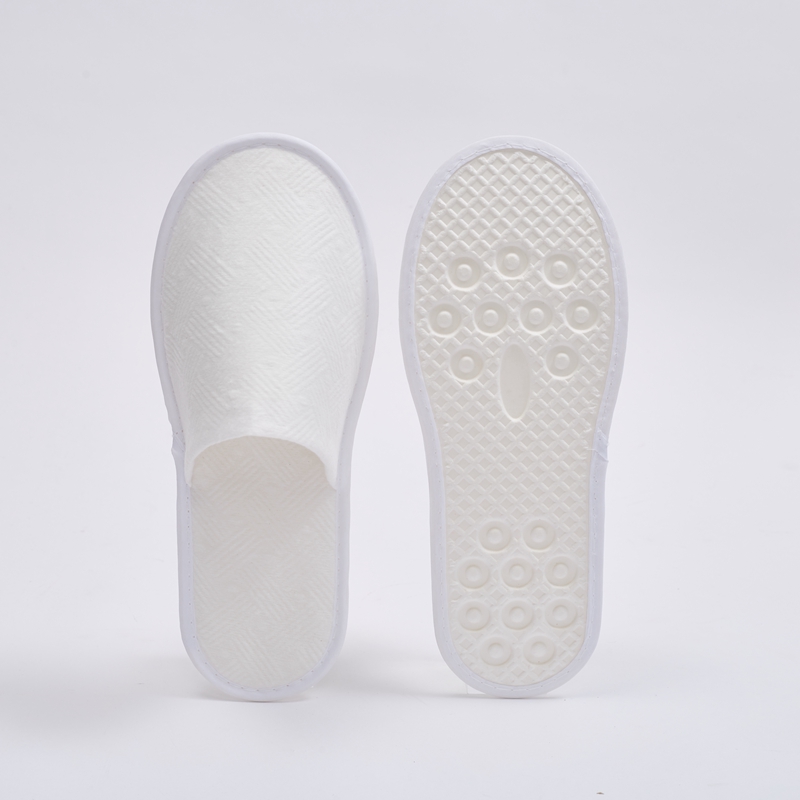
When hospitality businesses begin evaluating bulk purchase strategies for guest amenities, the choice of footwear often carries more weight than expected. eco friendly hotel slippers have emerged as a front-runner in procurement conversations, not just because of environmental compliance pressures, but because guests increasingly notice and appreciate sustainability-conscious choices. Understanding what makes a bulk purchase option genuinely worthwhile requires examining materials, supplier practices, minimum order quantities, customization possibilities, and long-term cost value.
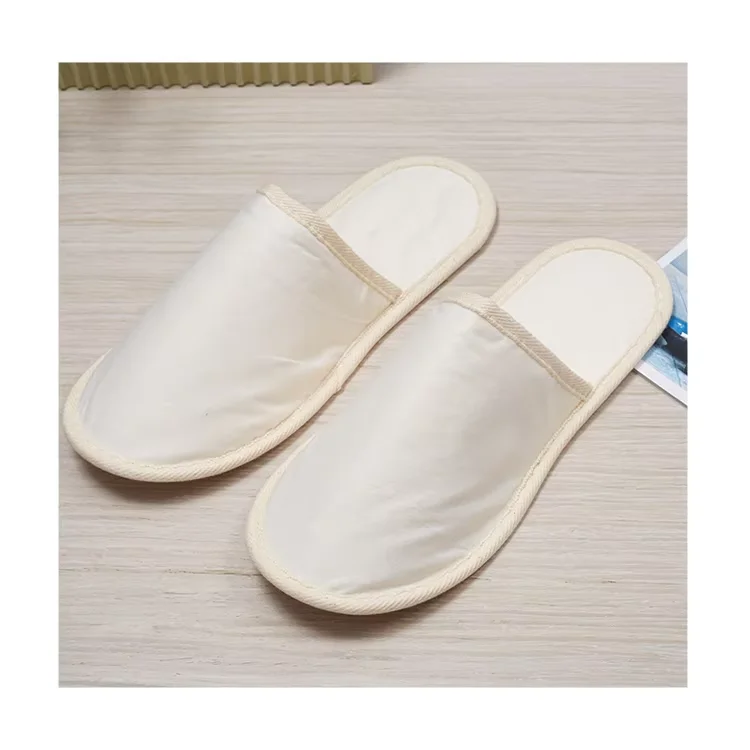
This article explores the best bulk purchase options for eco friendly hotel slippers by breaking down the key selection criteria, material categories, order structures, and practical considerations that procurement managers and hospitality operators need to know. Whether you are outfitting a boutique property, a large resort chain, or an airline lounge, the guidance below will help you make a well-informed, sustainability-aligned buying decision that also delivers commercial value.
Understanding the Eco-Friendly Slipper Market for Bulk Buyers
What Drives Demand for Eco Friendly Hotel Slippers in Bulk
The demand for eco friendly hotel slippers in bulk quantities has grown steadily alongside the broader green hospitality movement. Hotels are under increasing pressure from certification bodies, sustainability rating systems, and eco-conscious travelers to replace single-use plastic-heavy amenities with biodegradable or recycled alternatives. Slippers, which are consumed in enormous quantities across major properties, represent a visible and high-impact item for sustainable procurement programs.
Beyond regulatory and certification incentives, there is a strong guest experience argument. Travelers who prioritize sustainability tend to be loyal, high-value customers. Offering eco friendly hotel slippers signals a genuine commitment to responsible hospitality, which can positively influence reviews, repeat bookings, and brand perception. This dual benefit — environmental responsibility and marketing value — is why bulk buyers are placing sustainability at the top of their criteria.
The bulk slipper market has responded with a wide range of product options, from fully biodegradable models made of natural fibers to slippers constructed from recycled PET bottles. The variety now available means buyers no longer have to compromise on comfort or aesthetics to meet their sustainability goals. Choosing the right eco friendly hotel slippers is now as much a quality decision as it is an ethical one.
Key Market Segments and Their Specific Requirements
Different hospitality segments have different expectations when purchasing eco friendly hotel slippers in bulk. Luxury hotels and five-star resorts tend to demand a higher quality finish, often incorporating natural materials such as organic cotton terry cloth or bamboo fiber uppers, paired with non-slip soles made from natural rubber or recycled compounds. These properties typically order custom-branded versions with embossed logos, and they are willing to pay a premium for a refined product that aligns with their brand identity.
Mid-range hotels and boutique properties are usually looking for a balance between cost efficiency and sustainability credentials. They want eco friendly hotel slippers that satisfy green audit requirements without exceeding tight per-room amenity budgets. For this segment, products made from recycled materials or rapidly renewable plant-based fibers, offered at competitive wholesale pricing, tend to perform best.
Airlines, cruise lines, and lounge operators represent a third segment with unique requirements. These buyers often need lightweight, compact eco friendly hotel slippers that are easy to package and minimize cargo weight. Sustainability claims for this group often need to be documented with material certifications that can be presented to passengers or used in environmental reporting.
Material Options That Define Eco-Friendly Quality
Plant-Based and Natural Fiber Uppers
The upper material of eco friendly hotel slippers is one of the most important sustainability differentiators. Organic cotton, bamboo terry, jute, and linen are among the most widely used natural fibers in quality eco slipper production. Organic cotton uppers are soft, breathable, and biodegradable, making them a popular choice for hotels that prioritize both guest comfort and end-of-life material responsibility.
Bamboo fiber has gained particular traction in the eco friendly hotel slippers category because bamboo is one of the fastest-growing renewable plants on earth. It requires no pesticides, minimal water, and regenerates naturally after harvesting. Slippers made with bamboo terry uppers feel exceptionally soft and have natural antimicrobial properties, which are practical advantages in a hospitality context where hygiene standards are paramount.
Jute and recycled cotton blends are more cost-effective alternatives that still meet credible sustainability standards. For bulk buyers working within tighter budgets, these materials offer an honest eco-credentials story without significant cost inflation. When evaluating material claims, it is always advisable to request fiber composition documentation and any relevant third-party textile certifications from the supplier.
Sole Materials and Their Environmental Impact
The sole construction of eco friendly hotel slippers determines both their environmental footprint and their functional performance. Natural rubber soles sourced from sustainably managed plantations are widely regarded as the most environmentally sound option. They are biodegradable, non-toxic, and offer excellent grip, making them suitable for in-room and bathroom use across all hospitality categories.
Recycled EVA and recycled rubber compounds are increasingly common in eco friendly hotel slippers, allowing manufacturers to divert post-industrial or post-consumer material from landfill while still delivering adequate cushioning and durability. Buyers should ask suppliers to clarify the recycled content percentage in sole materials and request any relevant material safety data sheets to verify that no harmful chemicals are used in the sole compound.
Some eco friendly hotel slippers are now available with fully compostable soles made from plant starch blends or natural latex. While these options represent the most progressive end of the sustainability spectrum, they may have more limited availability and higher unit costs. Bulk buyers exploring this direction should evaluate shelf life and storage conditions, as some natural materials require specific handling to maintain product integrity.
Bulk Purchase Structures and Order Planning
Minimum Order Quantities and Tiered Pricing Models
When sourcing eco friendly hotel slippers in bulk, understanding minimum order quantities and pricing tiers is essential for planning procurement budgets accurately. Most wholesale suppliers of eco friendly hotel slippers set minimum order quantities that range from a few hundred pairs for entry-level bulk pricing up to several thousand pairs for maximum volume discounts. Larger orders naturally unlock better per-unit pricing, but they also require more upfront capital and adequate storage capacity.
Tiered pricing models are standard in the eco friendly hotel slippers wholesale market. A typical structure might offer one price per pair at 500 units, a lower price at 1,000 units, and the most competitive rate at 5,000 units or above. Buyers should always request a full pricing schedule before committing, and they should factor in not just the unit price but also packaging costs, customization fees, and freight charges when calculating the true landed cost per pair.
For properties that need to manage cash flow while still benefiting from bulk pricing, some suppliers offer staged delivery arrangements where total order quantities are confirmed upfront but physical shipments are released in smaller batches over time. This type of arrangement can be particularly useful for seasonal properties or hotels that are ramping up occupancy gradually after renovation or launch.
Customization Options Within Bulk Orders
Customization is an important dimension of bulk purchasing eco friendly hotel slippers because branded amenities contribute directly to guest experience and property identity. Most wholesale suppliers that specialize in eco friendly hotel slippers offer logo embroidery, woven logo labels, embossed insole branding, and custom packaging as standard options within bulk order programs. The availability and cost of customization vary by technique and minimum quantity thresholds.
Embroidery is the premium customization method for eco friendly hotel slippers and is preferred by luxury and upper-upscale properties. It adds visible brand presence without the use of additional adhesives or plastics. Woven labels are a more cost-effective alternative that still projects a polished, professional finish. Some buyers also choose to customize the packaging sleeve or polybag with property branding, which reinforces the sustainable story when the slipper is first presented to the guest.
Color customization is another consideration. While white and off-white remain the most common color choices for eco friendly hotel slippers due to their clean, neutral appearance, naturally dyed options in earth tones are increasingly available for properties that want to integrate their slippers into a broader design concept. Natural or low-impact dyes are more consistent with eco-friendly positioning and should be requested wherever color differentiation is desired.
Evaluating Supplier Credentials and Certifications
What Certifications to Look For in Eco Slipper Suppliers
Not all eco-friendly claims in the slipper industry are backed by verifiable evidence. When selecting a bulk supplier for eco friendly hotel slippers, buyers should request documentation of relevant certifications to confirm that sustainability claims are substantiated. The most recognized certifications in this product category include OEKO-TEX Standard 100, which verifies that textiles are free from harmful substances, and the Global Organic Textile Standard, which certifies the organic status of natural fibers throughout the supply chain.
Biodegradability certifications such as EN 13432 or ASTM D6400 are relevant for suppliers claiming fully compostable products. ISO 14001 environmental management certification at the factory level indicates that the manufacturer has implemented systematic processes for minimizing environmental impact across their operations. Buyers sourcing eco friendly hotel slippers for properties pursuing LEED certification or Green Key accreditation should confirm that their slipper supplier can provide documentation compatible with those specific green building and hospitality certification frameworks.
Social compliance certifications such as SA8000 or BSCI audit reports add another layer of assurance for buyers concerned not only with environmental credentials but also with ethical labor practices in the supply chain. A holistic evaluation of eco friendly hotel slippers should encompass both environmental and social responsibility dimensions, particularly for hospitality brands that communicate CSR commitments to their guests and stakeholders.
Supplier Reliability and Lead Time Considerations
For bulk buyers, supplier reliability is as important as product quality. When sourcing eco friendly hotel slippers, it is essential to evaluate the manufacturer's production capacity, typical lead times, and track record with similar-scale buyers. Eco-friendly materials sometimes involve longer sourcing and processing lead times than conventional synthetic alternatives, so buyers should build buffer time into their procurement planning.
Requesting product samples before committing to a full bulk order is a standard and strongly recommended practice. Samples allow buyers to verify material quality, stitching integrity, sole adhesion, overall comfort, and branding execution. For eco friendly hotel slippers specifically, samples also allow the buyer to validate that sustainability claims match the physical product in terms of material feel, construction, and any included certification documentation.
Maintaining a secondary supplier relationship for eco friendly hotel slippers is a risk management strategy that larger hospitality operators and procurement teams may consider. Supply chain disruptions can affect even the most reliable suppliers, and having a pre-qualified backup source ensures that sustainability commitments are not compromised during periods of high demand or material scarcity.
Cost-Benefit Analysis for Long-Term Bulk Sourcing
Calculating the True Value of Eco-Friendly Bulk Purchases
The unit cost of eco friendly hotel slippers is often modestly higher than conventional disposable alternatives, but a full cost-benefit analysis reveals a more nuanced picture. Properties that have transitioned to certified eco friendly hotel slippers frequently report improvements in guest satisfaction scores, increased positive review mentions related to sustainability, and stronger alignment with environmental certification requirements that support favorable energy and hospitality rating scores.
When waste disposal costs, carbon footprint reduction targets, and procurement policy compliance are factored in, the total cost picture for eco friendly hotel slippers becomes more competitive. Some municipalities and regions have introduced landfill fees or restrictions on certain non-biodegradable amenity items, which further changes the financial equation in favor of sustainable alternatives. Buyers who take a long-term, total-cost-of-ownership view tend to find that eco friendly hotel slippers deliver better value than initial per-unit price comparisons suggest.
Consolidating bulk purchasing volumes and building a long-term supplier relationship can also reduce unit costs progressively over time. Suppliers who see a reliable, high-volume buyer are often willing to negotiate better pricing, priority production scheduling, and improved customization terms as the relationship matures. This is another reason why a strategic approach to sourcing eco friendly hotel slippers pays dividends beyond the first order.
Sustainability Reporting and Guest Communication Value
One often-overlooked dimension of bulk purchasing eco friendly hotel slippers is the value they provide in sustainability reporting and guest communication. Hotels and resorts that publish annual sustainability reports or contribute to global initiatives such as the UN Sustainable Development Goals benefit from having quantifiable data on the volume of sustainable amenity products used. Switching to eco friendly hotel slippers across thousands of room-nights per year generates meaningful metrics for environmental impact reduction stories.
Guest-facing communication about eco friendly hotel slippers can take many forms — in-room collateral, digital check-in messaging, and social media content. When the story behind the slippers is compelling — detailing the materials, their origin, and their end-of-life pathway — it becomes a shareable brand asset. This type of authentic, product-grounded sustainability communication resonates far more with modern travelers than generic green pledges without specific evidence.
Procurement teams that invest time in understanding the full sustainability profile of their eco friendly hotel slippers — from raw material sourcing to disposal — are better equipped to craft credible communications. This positions the property not just as a buyer of sustainable products, but as a thoughtful participant in the broader movement toward responsible hospitality, which is a genuinely differentiated competitive position in today's market.
FAQ
What is the minimum order quantity typically required for bulk eco friendly hotel slippers?
Minimum order quantities vary by supplier, but most wholesale manufacturers of eco friendly hotel slippers start bulk pricing at around 500 pairs. For customized versions with embroidered logos or branded packaging, the minimum is often higher, typically starting at 1,000 pairs. Larger orders of 5,000 pairs or more usually unlock the most competitive per-unit pricing. It is advisable to discuss your projected annual volume with the supplier upfront, as this can influence pricing even if individual orders are placed in smaller batches.
Are eco friendly hotel slippers more expensive than conventional options?
On a pure unit-price basis, eco friendly hotel slippers may carry a modest premium over conventional synthetic disposable slippers, typically in the range of 10 to 30 percent depending on materials and order volume. However, when total cost factors such as waste disposal, sustainability certification contributions, and guest satisfaction impact are considered, the value proposition is frequently comparable or superior. Many properties that have made the transition report that the reputational and compliance benefits justify any incremental cost difference.
What certifications should I request when sourcing eco friendly hotel slippers in bulk?
For eco friendly hotel slippers, the most relevant certifications include OEKO-TEX Standard 100 for textile safety, GOTS for organic fiber verification, and biodegradability certifications such as EN 13432 if compostable products are being evaluated. Factory-level certifications such as ISO 14001 demonstrate systemic environmental management. Social compliance audits such as BSCI or SA8000 are important for buyers committed to ethical supply chains. Always request the actual certification documentation rather than relying solely on supplier claims.
Can eco friendly hotel slippers be fully customized with hotel branding for bulk orders?
Yes, most wholesale suppliers of eco friendly hotel slippers offer a range of customization options including embroidered logos, woven labels, custom insole printing, color selection using natural dyes, and branded packaging. The extent of customization available and the associated costs depend on the order volume and the specific techniques chosen. Premium methods such as embroidery typically require higher minimum quantities than simpler options such as woven labels. Requesting a sample of the customized product before placing a full bulk order is strongly recommended to confirm quality and brand accuracy.
Table of Contents
- Understanding the Eco-Friendly Slipper Market for Bulk Buyers
- Material Options That Define Eco-Friendly Quality
- Bulk Purchase Structures and Order Planning
- Evaluating Supplier Credentials and Certifications
- Cost-Benefit Analysis for Long-Term Bulk Sourcing
-
FAQ
- What is the minimum order quantity typically required for bulk eco friendly hotel slippers?
- Are eco friendly hotel slippers more expensive than conventional options?
- What certifications should I request when sourcing eco friendly hotel slippers in bulk?
- Can eco friendly hotel slippers be fully customized with hotel branding for bulk orders?