
 EN
EN

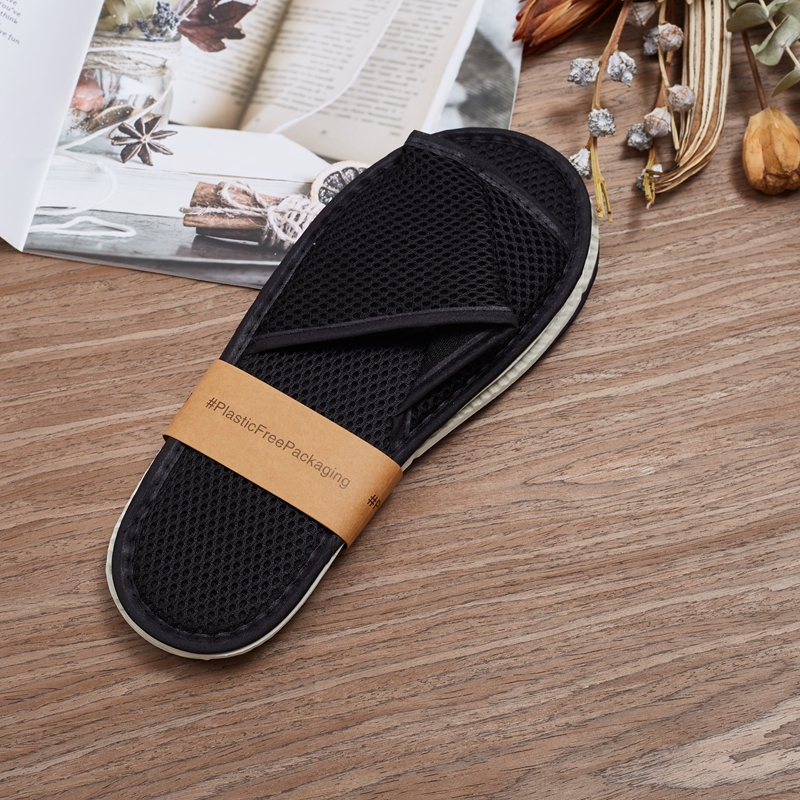
Managing operational expenses is critical for hospitality businesses, and lodging supplies represent a significant portion of your annual budget. When it comes to outfitting guest rooms with quality footwear, the cost of disposable slippers for hotels can quickly accumulate across multiple properties. Understanding how to strategically reduce these expenses without compromising guest satisfaction requires careful planning, supplier evaluation, and a deep understanding of market dynamics. This comprehensive guide will walk you through actionable strategies to lower your spending on disposable slippers for hotels while maintaining the comfort and quality your guests expect.
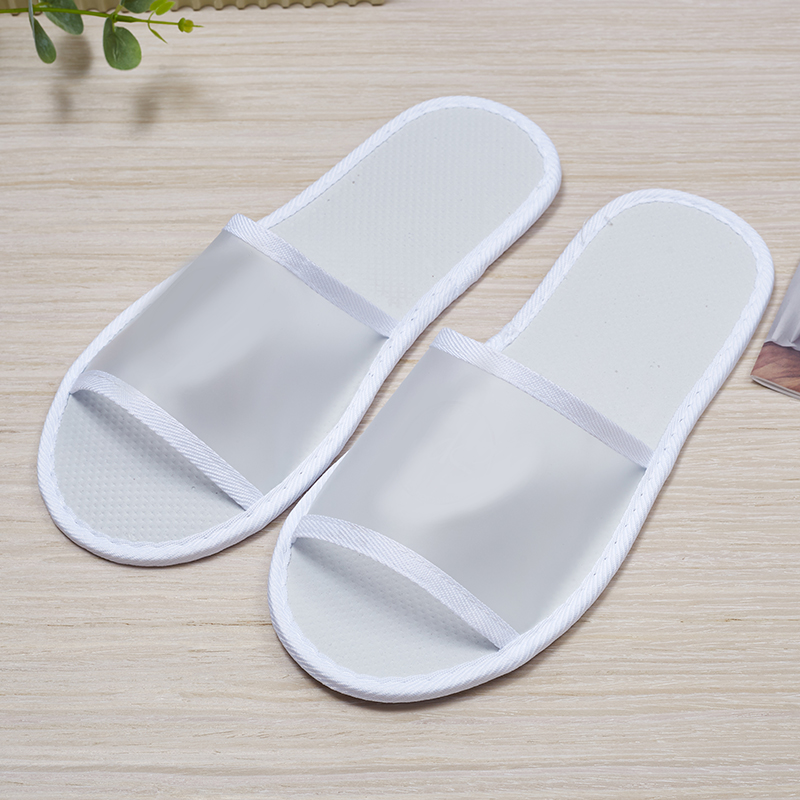
The hospitality industry faces mounting pressure to optimize spending across all departments while maintaining guest experience standards. Disposable slippers for hotels serve a dual purpose: they enhance guest comfort and protect your room inventory from wear and tear. However, the cumulative expense of providing these amenities to every guest can strain budgets, especially for mid-sized and larger operations. By implementing smart purchasing practices and leveraging industry insights, hospitality managers can significantly reduce costs associated with disposable slippers for hotels without sacrificing quality or guest satisfaction.
Understanding Bulk Purchasing Dynamics for Disposable Slippers for Hotels
Volume Discounts and Tiered Pricing Models
The primary driver of cost reduction when buying disposable slippers for hotels is understanding volume-based pricing. Most manufacturers and wholesalers operate on tiered pricing structures where larger order quantities unlock progressively lower per-unit costs. When you commit to purchasing disposable slippers for hotels in substantial volumes, typically 1,000 units or more, you gain access to meaningful discounts that can range from 15% to 40% off retail pricing. The key is calculating your actual consumption rate and ordering in quantities that maximize these volume benefits without over-committing inventory.
Order Consolidation and Frequency Strategy
Rather than placing small, frequent orders for disposable slippers for hotels, consolidating multiple quarters' worth of orders into a single large purchase can significantly reduce your per-unit cost. This approach requires accurate forecasting of guest occupancy rates and seasonal variations. Many hospitality groups find that pooling purchasing power across multiple properties amplifies their negotiating leverage when acquiring disposable slippers for hotels. Additionally, establishing standing orders with preferred suppliers often unlocks loyalty discounts that further reduce your effective cost per unit of disposable slippers for hotels.
Selecting the Right Supplier for Cost-Effective Disposable Slippers for Hotels
Direct Manufacturer vs. Middleman Evaluation
Sourcing disposable slippers for hotels directly from manufacturers rather than through traditional hospitality suppliers can eliminate intermediary markups. Direct relationships typically offer 20% to 35% cost savings compared to purchasing through established hospitality distributors. When evaluating suppliers of disposable slippers for hotels, request detailed pricing breakdowns that show material costs, labor, and overhead allocations. Transparency in pricing helps you understand where value truly lies and identify opportunities to negotiate on specific elements rather than accepting fixed quotes for disposable slippers for hotels.
International Sourcing and Lead Time Considerations
International suppliers often offer substantially lower costs for disposable slippers for hotels, particularly manufacturers in Asia who specialize in hospitality footwear production. However, purchasing disposable slippers for hotels internationally requires longer lead times, typically 6 to 12 weeks, which demands accurate demand forecasting. Customs duties, shipping costs, and minimum order quantities must be factored into your true cost calculation for disposable slippers for hotels. Despite these complexities, many large hospitality groups find that the reduced unit cost of internationally sourced disposable slippers for hotels justifies the planning overhead and working capital requirements.
Material Selection and Quality Optimization Strategies
Material Grade and Durability Trade-offs
The cost of disposable slippers for hotels varies significantly based on material composition, with options ranging from basic foam to high-end plush fabrics. While ultra-premium materials increase your per-unit spending, choosing disposable slippers for hotels with appropriate durability for your specific use case prevents waste. Single-use slippers require less durability than reusable options, so you can reduce costs by selecting disposable slippers for hotels engineered specifically for one-time use rather than overpaying for unnecessary longevity. Analyzing your guest feedback and usage patterns helps identify the minimum quality threshold your guests will accept for disposable slippers for hotels.
Customization versus Standardization Impact
Custom branding and logo placement on disposable slippers for hotels adds meaningful cost to each unit. If your budget is constrained, consider whether branded disposable slippers for hotels truly drive measurable value or if unbranded, high-quality alternatives would satisfy guests adequately. Many hotels find that white or neutral-colored disposable slippers for hotels without logos reduce costs by 10% to 20% while maintaining a professional appearance. If branding is essential, negotiate to add logos only to a percentage of your disposable slippers for hotels order, applying them selectively to premium room categories rather than every pair.
Inventory Management and Usage Optimization
Consumption Tracking and Forecasting Accuracy
Implementing robust tracking systems for disposable slippers for hotels consumption ensures you purchase only what you actually use. Many properties discover significant discrepancies between estimated and actual usage when they implement detailed tracking. By analyzing historical consumption data across seasonal cycles, you can forecast orders for disposable slippers for hotels with greater precision and avoid both stockouts and excess inventory. Properties that improve their demand forecasting for disposable slippers for hotels often reduce annual spending by 8% to 15% through better alignment between purchasing and actual guest volumes.
Storage and Shelf Life Management
Bulk purchasing of disposable slippers for hotels requires adequate storage infrastructure and attention to inventory rotation. Improper storage can compromise the quality of disposable slippers for hotels, leading to guest complaints and unplanned replacements. Establish clear inventory management protocols that track purchase dates and ensure older stock of disposable slippers for hotels is used first. Organizations that implement first-in-first-out inventory systems for disposable slippers for hotels minimize waste and maintain consistent quality standards without increasing their per-unit spending.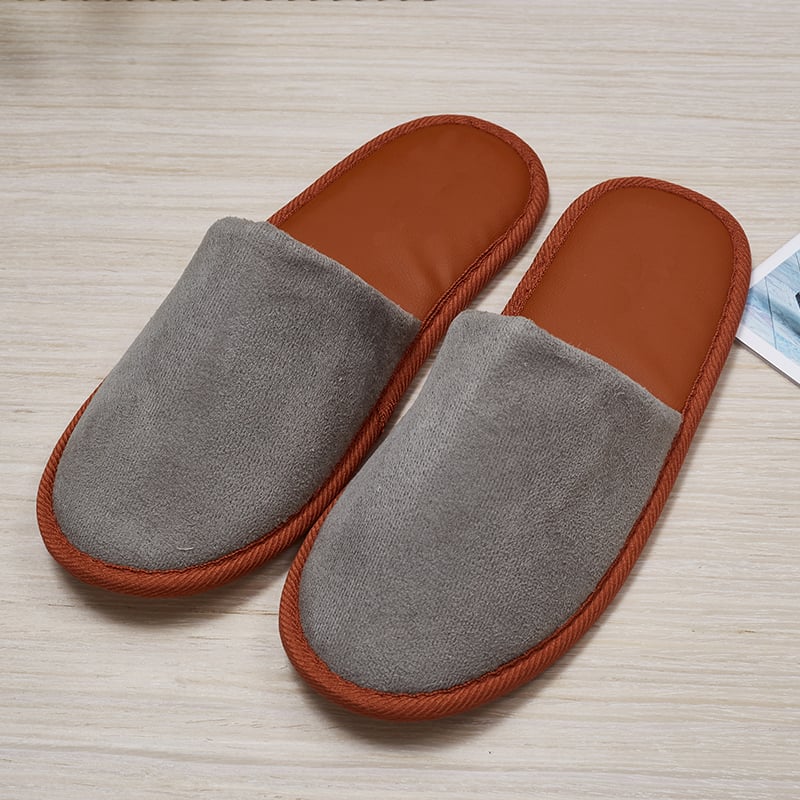
FAQ
What is the typical cost range for wholesale disposable slippers for hotels?
Wholesale pricing for disposable slippers for hotels typically ranges from $0.30 to $1.50 per pair depending on material quality, volume commitment, and supplier type. Basic foam disposable slippers for hotels may cost $0.30 to $0.50, while premium plush options can reach $1.00 to $1.50 per pair. Directly sourcing disposable slippers for hotels from manufacturers often yields 20% to 35% savings compared to hospitality suppliers. Your actual cost depends heavily on order volume, customization requirements, and whether you source domestically or internationally.
How often should hotels reorder disposable slippers for hotels?
Reordering frequency for disposable slippers for hotels depends on occupancy rates, guest volume, and storage capacity. Most mid-sized hotels reorder disposable slippers for hotels quarterly or semi-annually to balance inventory management with bulk purchasing discounts. High-volume properties may establish monthly standing orders of disposable slippers for hotels, while seasonal properties might order annually in bulk. Track your consumption rate to determine the optimal reorder timing for disposable slippers for hotels that maximizes volume discounts without creating storage or inventory obsolescence issues.
Can hotels reduce costs by choosing non-disposable slippers instead?
While non-disposable slippers have higher per-unit costs, they may reduce total expenditure when accounting for laundry, replacement, and inventory losses. However, disposable slippers for hotels offer distinct advantages including hygiene perception, reduced housekeeping labor, and minimal guest concerns about cleanliness. The choice between disposable slippers for hotels and reusable alternatives depends on your specific operational model, guest demographics, and labor costs. For most hospitality properties, disposable slippers for hotels remain the more economical and guest-preferred option when sourced strategically through volume purchasing and direct supplier relationships.