
 EN
EN

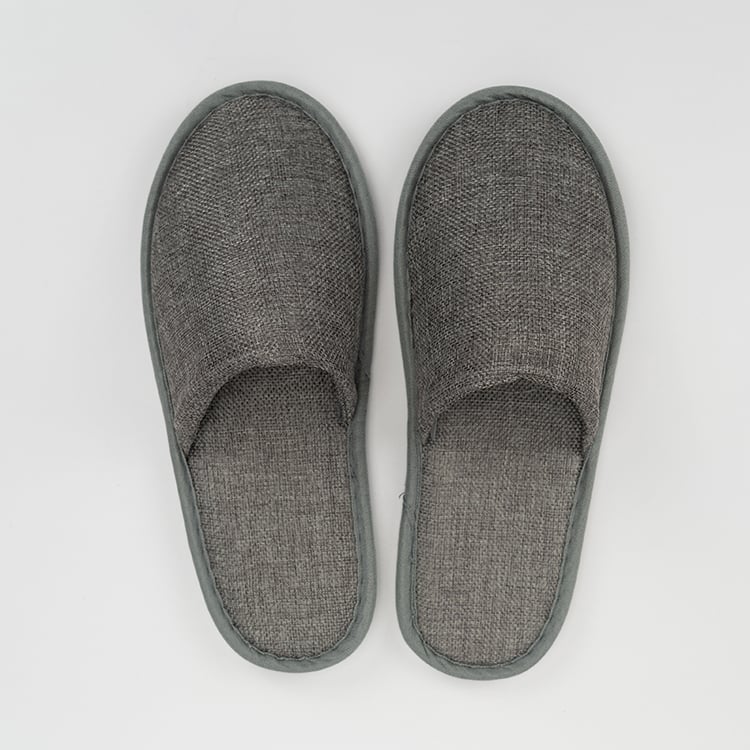
Selecting the right disposable slippers for hotels is a critical decision that directly impacts guest comfort, satisfaction, and your hotel's reputation. Quality disposable slippers for hotels represent more than just a convenience item—they reflect your commitment to guest experience and operational efficiency. Whether you operate a boutique property, a large resort, or a mid-range hotel, the selection process requires careful attention to material quality, sizing standards, durability, and value. The right disposable slippers for hotels can elevate perceived service quality while maintaining budget discipline across your housekeeping operations.
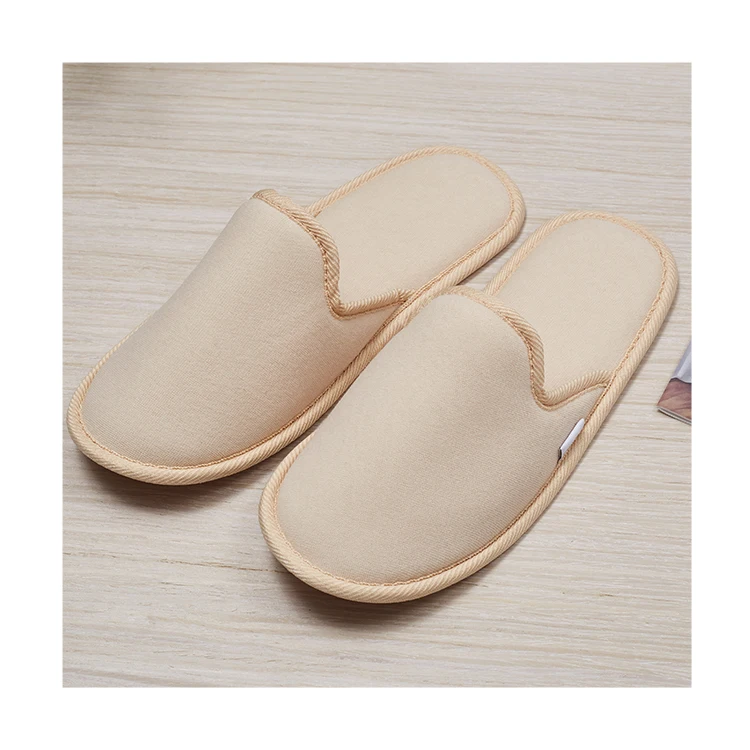
Today's hospitality environment demands that every guest touchpoint, including disposable slippers for hotels, meets evolving expectations for comfort and sustainability. Guests increasingly compare amenities across properties, and disposable slippers for hotels have become a baseline expectation rather than a luxury feature. Understanding the key selection criteria—from material composition and thickness to grip performance and aesthetic appeal—empowers hotel managers and procurement teams to make informed decisions. This guide provides the essential framework for evaluating and choosing disposable slippers for hotels that will satisfy guests, support housekeeping efficiency, and align with your property's operational standards.
Understanding Material Quality and Comfort Standards
Foam and Non-Woven Composition
The foundation of comfortable disposable slippers for hotels begins with material selection. High-quality disposable slippers for hotels typically feature either closed-cell foam or premium non-woven fabric construction. Closed-cell foam provides superior cushioning, better moisture resistance, and enhanced durability compared to lower-grade alternatives. When evaluating disposable slippers for hotels, examine the foam density—higher density correlates directly with comfort retention and extended wear life. Premium non-woven materials used in disposable slippers for hotels offer breathability, softness underfoot, and a luxury feel that guests immediately notice upon opening their room amenities.
Thickness and Cushioning Performance
Thickness specifications significantly influence how guests perceive disposable slippers for hotels. Slippers measuring 6mm to 8mm in thickness represent the optimal range for disposable slippers for hotels, balancing comfort with practicality. Thicker disposable slippers for hotels provide better arch support and reduce the sensation of floor coldness, critical factors in guest satisfaction. When comparing options, physical testing of disposable slippers for hotels by your housekeeping staff offers invaluable feedback on comfort standards. Inadequate thickness in disposable slippers for hotels often results in negative reviews and guest complaints, directly impacting your property's online reputation.
Sizing, Fit, and Universal Design Considerations
Standard Sizing and Fit Range
Selecting disposable slippers for hotels requires understanding sizing conventions and universal fit principles. Most hospitality operations stock disposable slippers for hotels in one-size-fits-most configurations, typically accommodating sizes from small to large. Quality disposable slippers for hotels should feature adjustable or elastic components to accommodate diverse foot shapes and sizes. Examine the sole design of disposable slippers for hotels—non-slip outsoles with textured patterns prevent slipping on tile and marble floors common in hotel environments. The best disposable slippers for hotels include toe-box room and heel grip features that prevent slippage during normal guest movement through corridors and common areas.
Testing Comfort Across Guest Demographics
Effective selection of disposable slippers for hotels involves understanding your guest profile. Business travelers, families with children, and elderly guests have varying comfort expectations from disposable slippers for hotels. Before finalizing bulk orders of disposable slippers for hotels, conduct pilot testing with actual guests or staff members representing your demographic. Real-world feedback on disposable slippers for hotels reveals comfort issues, fit problems, and durability concerns that specifications alone cannot capture. Properties that trial multiple options of disposable slippers for hotels report higher satisfaction scores and reduced negative feedback in online reviews.
Sustainability, Hygiene, and Operational Efficiency
Eco-Friendly Material Choices
Modern hospitality trends increasingly emphasize sustainability in disposable slippers for hotels. Biodegradable and compostable materials now available in disposable slippers for hotels allow properties to reduce environmental impact without compromising guest experience. Eco-conscious guests actively seek hotels that provide sustainable disposable slippers for hotels, viewing this choice as evidence of corporate responsibility. When evaluating disposable slippers for hotels, inquire about material sourcing and end-of-life disposal options. Premium disposable slippers for hotels made from recycled materials or biodegradable polymers align with green certification goals and appeal to environmentally aware clientele.
Hygiene Standards and Single-Use Benefits
The hygiene advantages of disposable slippers for hotels drove significant demand increases following pandemic-related concerns. Disposable slippers for hotels eliminate cross-contamination risks and reduce housekeeping labor for sanitization compared to reusable alternatives. Individual packaging of disposable slippers for hotels enhances perceived cleanliness and guest confidence in hygiene protocols. Examine packaging materials when selecting disposable slippers for hotels—sealed, attractive packaging communicates quality and demonstrates attention to guest safety. Properties investing in premium disposable slippers for hotels with superior packaging often see reduced housekeeping damage claims and improved guest satisfaction metrics.
Cost Analysis and Budget Optimization
Wholesale Pricing and Volume Considerations
Strategic procurement of disposable slippers for hotels requires understanding volume-based pricing tiers. Most suppliers offer significant discounts on disposable slippers for hotels at larger order quantities, making forecasting and bulk purchasing economically beneficial. Calculate your annual guest volume and occupancy rates to establish realistic consumption estimates for disposable slippers for hotels. Properties can often reduce per-unit costs of disposable slippers for hotels by 20-40% through strategic vendor relationships and annual volume commitments. Comparing cost-per-unit across quality tiers ensures you select disposable slippers for hotels that balance acceptable comfort standards with budget constraints.
Return on Investment Through Guest Satisfaction
Choosing quality disposable slippers for hotels represents an investment in guest satisfaction metrics and repeat business. Properties that provide substandard disposable slippers for hotels consistently receive negative comments in guest reviews, damaging reputation and future bookings. Conversely, hotels known for premium disposable slippers for hotels create positive word-of-mouth marketing and justify premium pricing. Tracking guest feedback specifically mentioning disposable slippers for hotels reveals correlation between amenity quality and overall satisfaction scores. The modest investment in superior disposable slippers for hotels typically yields measurable returns through improved online ratings, increased bookings, and enhanced guest loyalty.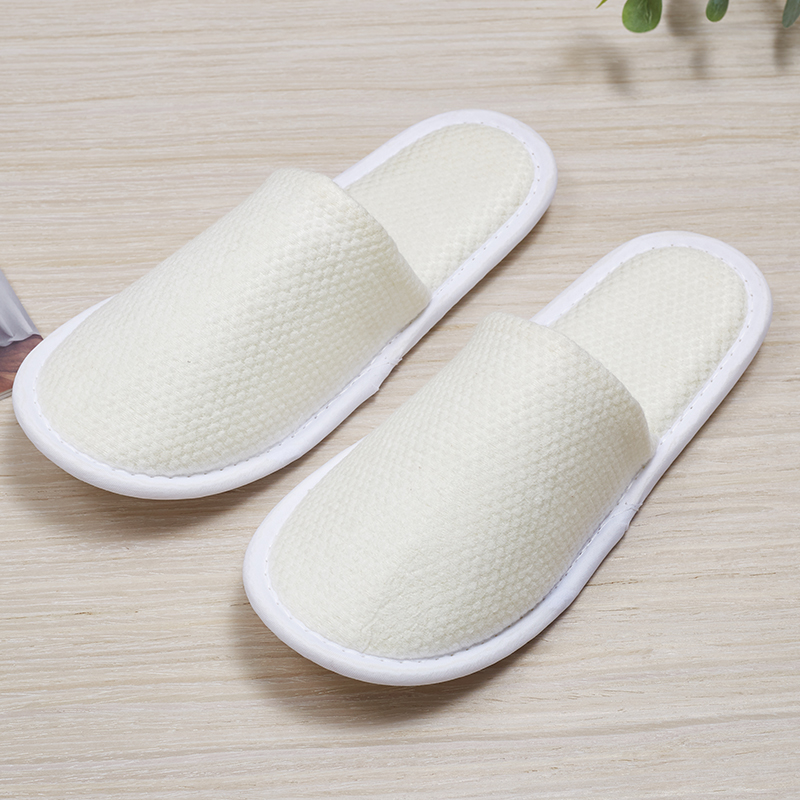
FAQ
What thickness should quality disposable slippers for hotels be?
Quality disposable slippers for hotels should measure between 6mm and 8mm in thickness to provide optimal comfort and durability. This range balances cushioning support with practical housekeeping handling and storage efficiency. Thinner disposable slippers for hotels feel cheap and uncomfortable, while excessively thick options present storage and cost inefficiencies. The 6-8mm range has become the hospitality industry standard for disposable slippers for hotels because it satisfies guest comfort expectations while maintaining operational cost reasonableness.
How do non-slip soles on disposable slippers for hotels improve safety?
Non-slip soles on disposable slippers for hotels feature textured patterns that significantly reduce slipping hazards on marble, tile, and polished concrete surfaces common throughout hotel facilities. Quality disposable slippers for hotels include PVC or TPR outsoles with specially designed tread patterns that maintain grip even when wet or damp. This safety feature is particularly important in bathroom areas and pool decks where moisture is present. Selecting disposable slippers for hotels with proven non-slip technology reduces guest injuries, liability concerns, and potential legal complications for your property.
Are biodegradable disposable slippers for hotels more expensive than standard options?
Biodegradable disposable slippers for hotels typically cost only 10-20% more than conventional options when purchased in volume, making sustainability economically feasible for most properties. Many suppliers now offer competitive pricing on eco-friendly disposable slippers for hotels as manufacturing techniques improve and demand increases. The marketing benefit of providing sustainable disposable slippers for hotels often justifies the modest premium through improved guest perception and potential eligibility for green certification programs. Properties committed to environmental responsibility find that premium disposable slippers for hotels enhance their value proposition without creating significant budget strain.