
 EN
EN
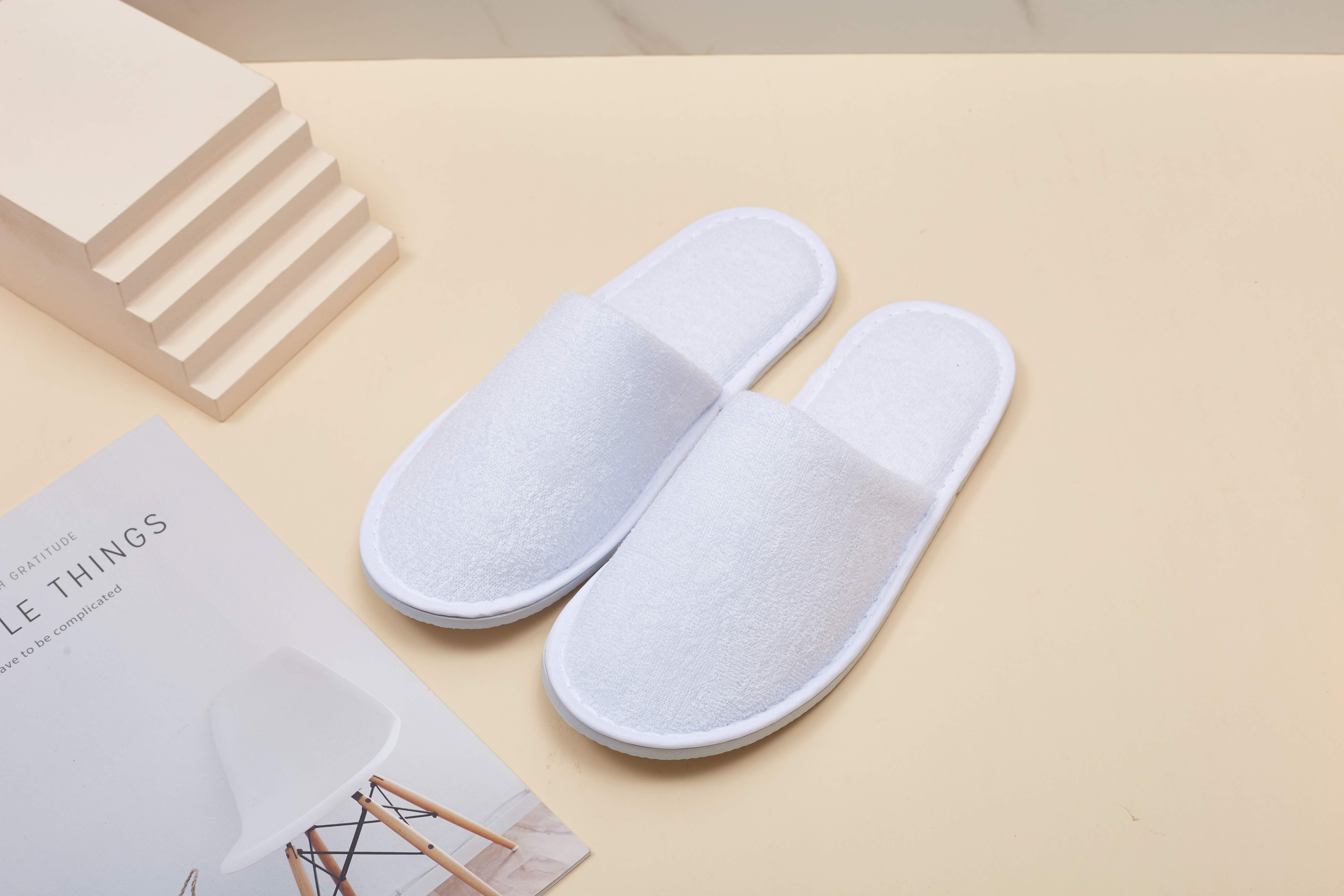
Hospitality properties face mounting pressure to optimize operational costs without compromising guest experience. One often-overlooked opportunity lies in reconsidering how facilities manage guest footwear. Hotel disposable slippers represent a strategic shift in how properties approach guest amenities while simultaneously reducing cleaning, maintenance, and labor expenses. By switching from traditional reusable slippers to hotel disposable slippers, properties can dramatically lower their total cost of ownership and streamline housekeeping workflows.
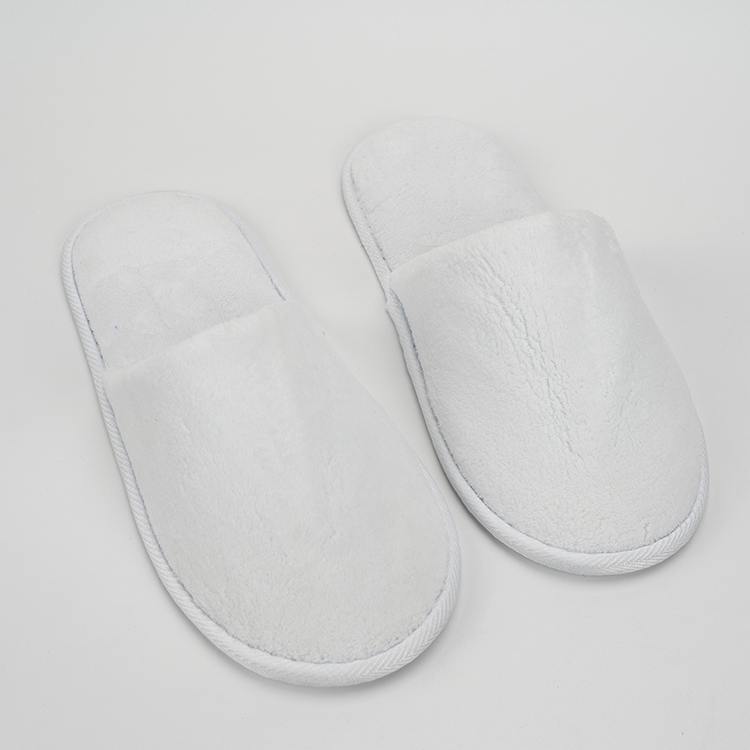
The shift toward hotel disposable slippers reflects a broader industry trend toward efficiency and hygiene. When guests use shared reusable slippers, properties must invest heavily in industrial laundry, disinfection cycles, replacement inventory, and storage infrastructure. Hotel disposable slippers eliminate these recurring expenses by offering a single-use solution that guests appreciate for its freshness and cleanliness while properties benefit from predictable, lower operational costs.
Direct Cost Reductions from Hotel Disposable Slippers
Elimination of Industrial Laundering Cycles
One of the largest expense categories for hotels managing reusable slippers is the industrial laundry operation. Each pair of traditional slippers must be collected, sorted, transported to a laundry facility, washed at high temperatures, dried, inspected, and stored. Hotel disposable slippers eliminate this entire supply chain. Properties no longer pay per-load laundry fees, detergent costs, water consumption, or utility bills associated with high-heat drying cycles. For a mid-size hotel with 200 rooms, the monthly savings from eliminating laundry alone can exceed several thousand dollars. Hotel disposable slippers are simply discarded after use, reducing inventory turnover requirements and the associated labor needed to manage reusable stock.
Reduced Replacement and Inventory Management
Reusable slippers deteriorate with each wash cycle. Elastic breaks down, soles wear thin, and fabric pills or discolors over time. This forces hotels to continuously replace worn-out pairs, purchasing new inventory multiple times per year. Hotel disposable slippers eliminate this replacement cycle entirely. Properties buy standardized units upfront and consume them throughout the year at a predictable rate. This stability simplifies procurement, reduces emergency purchase rush fees, and avoids the need for large backup inventory storage areas. By switching to hotel disposable slippers, properties convert a variable, ongoing replacement expense into a fixed, consumable cost model.
Labor and Operational Efficiency Gains
Streamlined Housekeeping Workflows
Managing reusable slippers requires dedicated labor at multiple stages. Housekeeping staff must collect used pairs, inspect for damage, place them in laundry bags, and coordinate pickup with laundry vendors. Hotel disposable slippers eliminate these touchpoints. Instead of collecting and sorting, housekeeping staff simply dispose of used slippers and place fresh hotel disposable slippers in guest rooms. This reduction in handling time frees staff to focus on core cleaning activities like bathroom sanitation, bed preparation, and surface disinfection. Studies within the hospitality sector show that removing slipper management workflows can reduce housekeeping time per room by 5–10 minutes, a significant gain across a full property.
Reduced Contamination Risk and Compliance
Hotels operate under strict hygiene and health code requirements. Reusable slippers pose inherent contamination risks if laundry cycles fail or if slippers are improperly disinfected between guests. Hotel disposable slippers eliminate this compliance burden by providing guests with genuinely clean footwear every single time. This reduces the potential for cross-contamination, decreases liability exposure, and ensures hotels meet or exceed health department standards without additional disinfection oversight. The confidence that each guest receives fresh hotel disposable slippers also strengthens the hotel's reputation for cleanliness, a critical factor in guest satisfaction and repeat bookings.
Total Cost of Ownership and Strategic Benefits
Predictable Budgeting and Financial Planning
Hotel disposable slippers offer predictable per-unit costs that simplify financial forecasting. Properties can calculate exact consumption based on occupancy rates and budget accordingly. In contrast, reusable slippers create unpredictable costs due to variable laundry volumes, replacement timing, and unexpected damage requiring emergency purchases. The simplicity of hotel disposable slippers streamlines accounting and allows operations managers to optimize annual budgets with confidence. Over a five-year period, the total cost difference between maintaining reusable slippers and consuming hotel disposable slippers typically favors disposable options by 30–40%, depending on property size and occupancy patterns.
Guest Perception and Revenue Protection
Beyond direct cost savings, hotel disposable slippers enhance guest perception of cleanliness and care. Guests recognize that they receive fresh, individually packaged slippers, which reinforces perceptions of hygiene and attention to detail. This positive sentiment translates into higher satisfaction scores, more favorable online reviews, and improved retention rates. Properties that switch to hotel disposable slippers often report measurable improvements in guest comment cards and online review platforms. Since revenue protection and reputation enhancement are tied to cleanliness standards, hotel disposable slippers deliver value far beyond their per-unit acquisition cost by supporting stronger booking rates and premium pricing strategies.
Implementation Considerations
Choosing Quality Hotel Disposable Slippers
Not all hotel disposable slippers deliver equivalent value. High-quality hotel disposable slippers feature durable stitching, non-slip soles, and soft linings that enhance guest comfort while maintaining structural integrity. Investing in premium hotel disposable slippers reduces guest complaints, supports better reviews, and justifies the amenity in the eyes of paying customers. Properties should evaluate supplier reliability, delivery consistency, and quality standards before committing to large orders. Partnering with established suppliers of hotel disposable slippers ensures consistent product quality and reduces operational disruptions due to stock shortages.
Calculating Transition Savings
Properties transitioning from reusable to hotel disposable slippers should calculate baseline costs of their current laundry operation, including vendor fees, transportation, labor, storage, and replacement inventory. Comparing this against the per-unit cost of hotel disposable slippers multiplied by annual consumption reveals the specific financial benefit for each property. Most mid-to-large hotels discover that hotel disposable slippers pay for themselves within the first six months of implementation, with ongoing savings compounding annually. This analysis should include ancillary benefits like reduced labor hours, decreased utility consumption, and improved guest satisfaction metrics.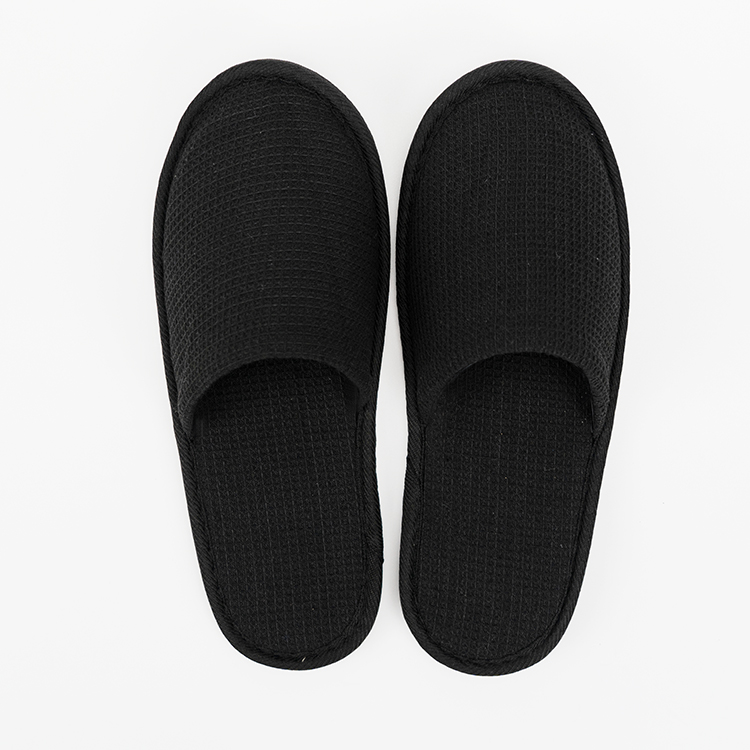
FAQ
Are hotel disposable slippers more cost-effective than reusable options?
Yes, hotel disposable slippers are typically 30–40% more cost-effective over a five-year period when accounting for laundry, replacement, labor, and storage expenses associated with reusable alternatives. The predictable per-unit consumption model of hotel disposable slippers also simplifies budgeting and reduces financial volatility compared to the variable costs of maintaining reusable inventory.
Do guests accept hotel disposable slippers as a premium amenity?
Absolutely. Guests strongly prefer hotel disposable slippers because they represent freshness and cleanliness. High-quality hotel disposable slippers with soft linings and non-slip soles are perceived as premium amenities. Many guests actually prefer disposable options over reusable slippers due to hygiene perceptions, which supports positive reviews and satisfaction scores.
How long does it take to see cost savings from switching to hotel disposable slippers?
Most properties see measurable savings within the first 6–12 months of switching to hotel disposable slippers. This timeline includes elimination of laundry contracts, reduced replacement purchasing, and labor reallocation. Larger properties with higher occupancy typically achieve payback even faster due to the scale of laundry operations eliminated.