All Categories

Get a Free Quote

Our representative will contact you soon.
Email
WhatsApp
Name
Company Name
Message
0/1000
supplier of disposable slippers-0

Home > 

supplier of disposable slippers

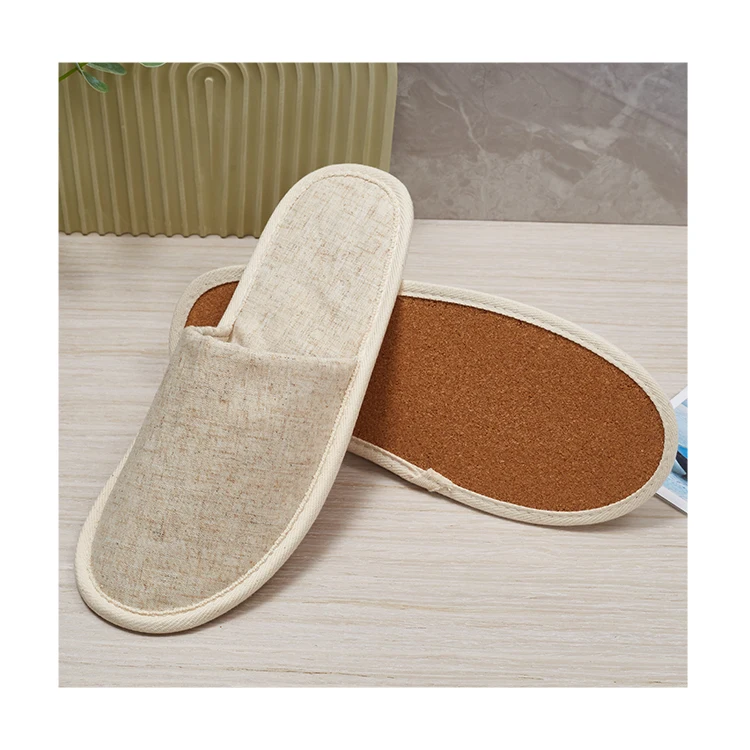
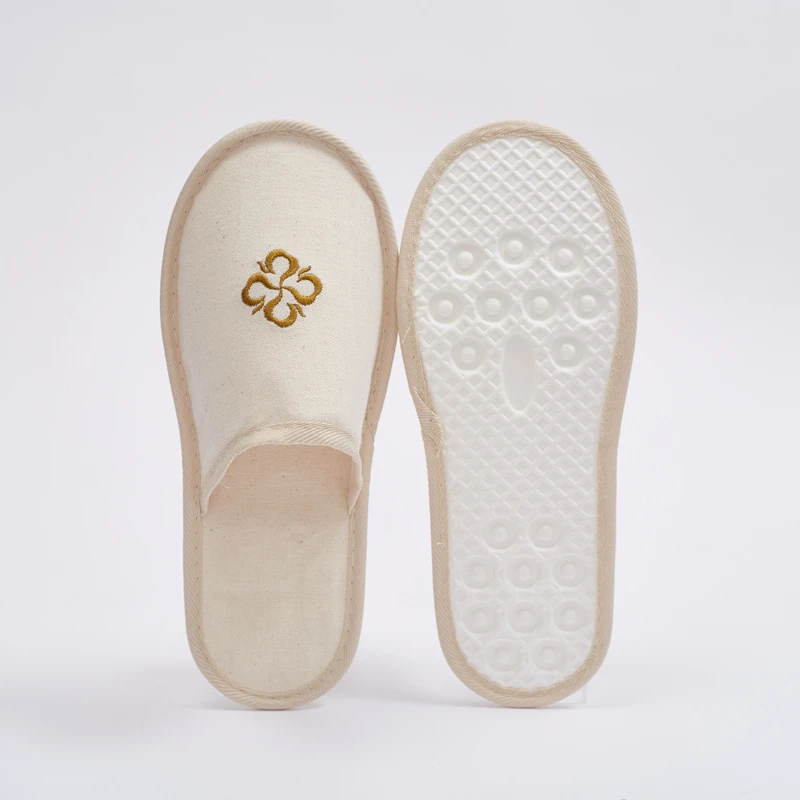
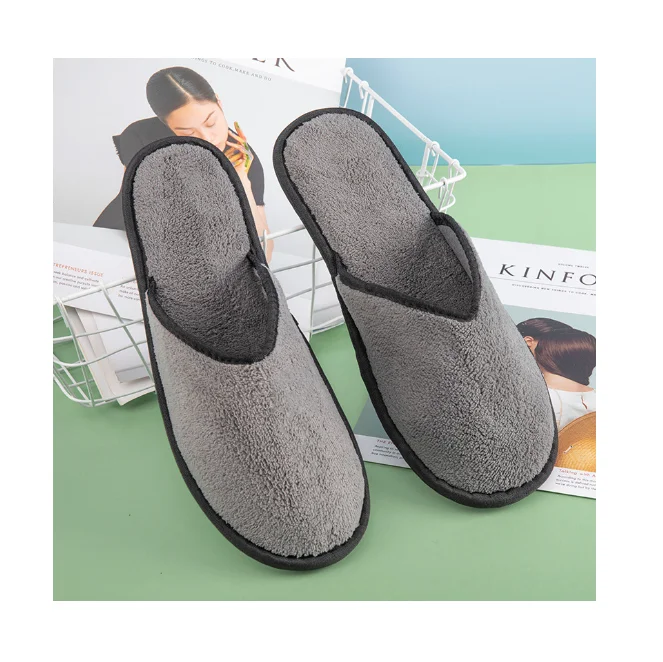
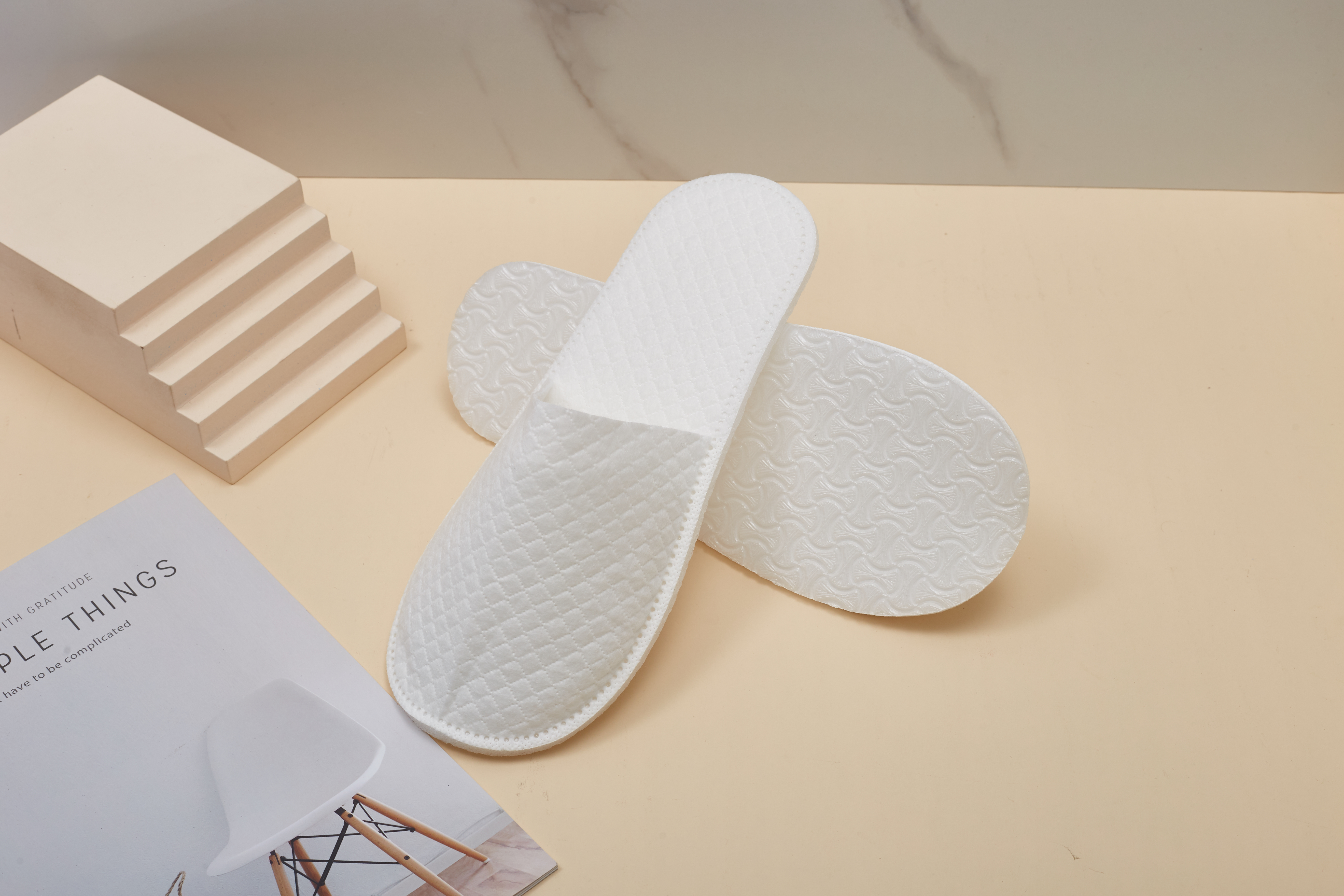
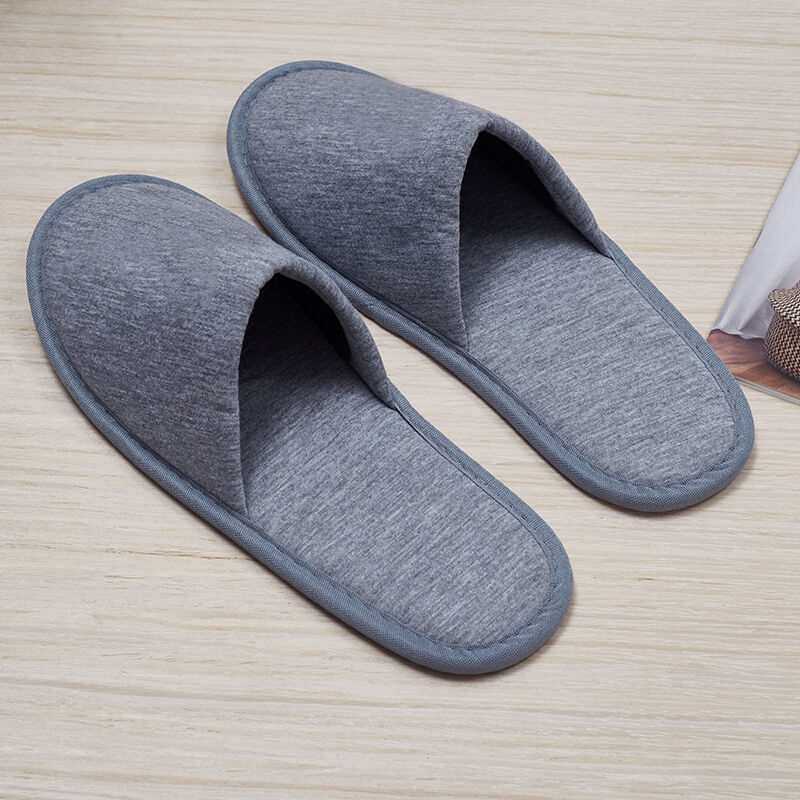
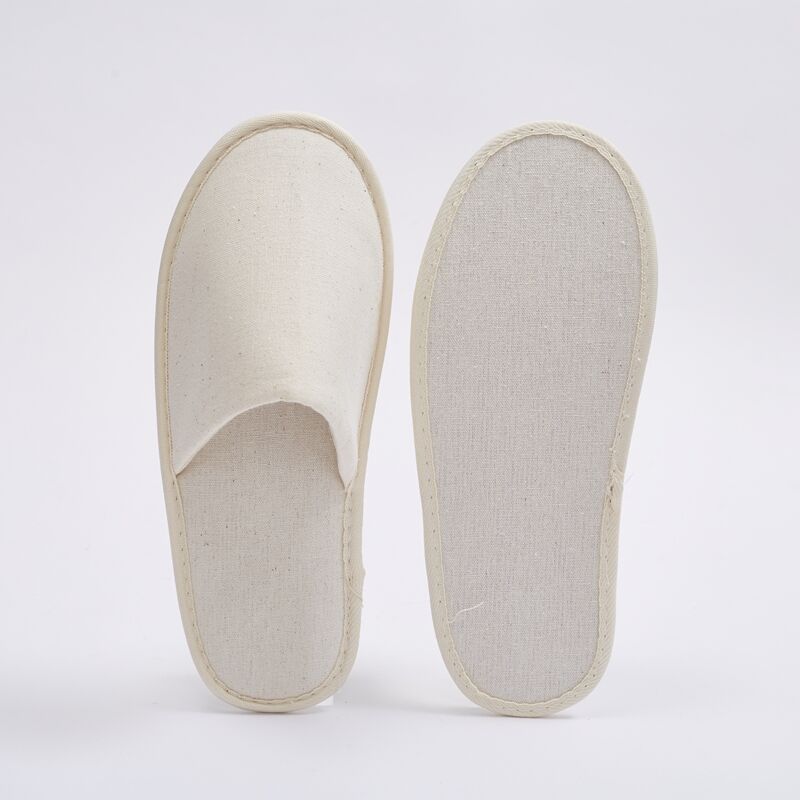
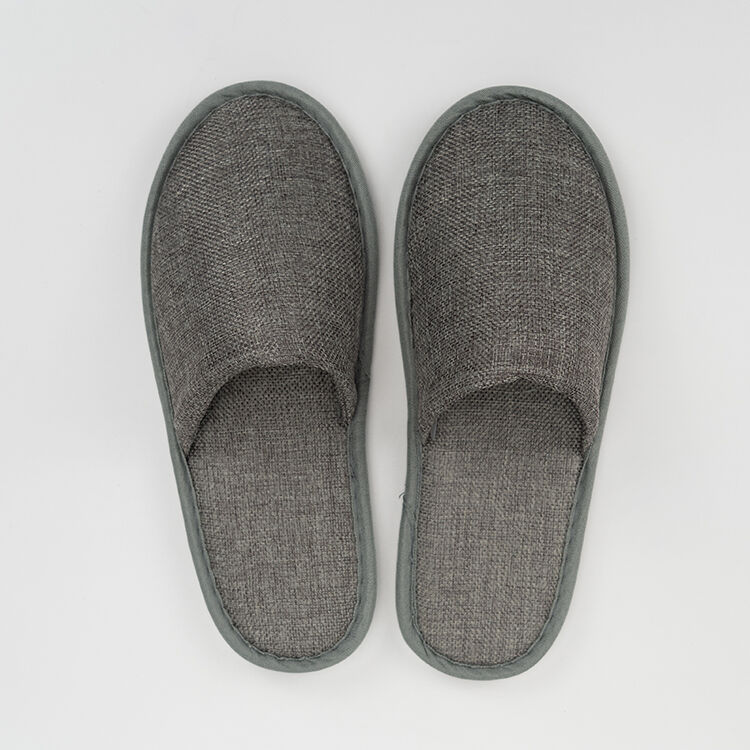
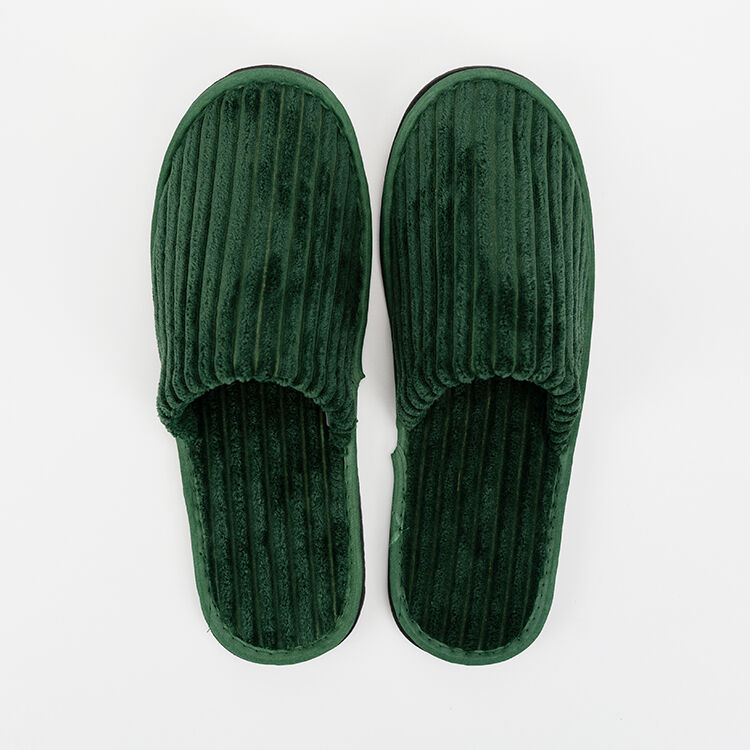
A professional supplier of disposable slippers represents a crucial partner in the hospitality, healthcare, and personal care industries. These specialized manufacturers focus on producing high-quality, single-use footwear solutions that meet diverse commercial and residential needs. The primary function of a disposable slipper supplier extends beyond simple manufacturing to encompass comprehensive product development, quality assurance, and distribution services. Modern suppliers utilize advanced materials science to create slippers that balance comfort, hygiene, and cost-effectiveness. The technological features employed by leading suppliers include antimicrobial treatments, moisture-wicking materials, and ergonomic sole designs that enhance user experience while maintaining affordability. Many suppliers incorporate eco-friendly materials and biodegradable components to address environmental concerns without compromising product integrity. The manufacturing process involves precision cutting, thermal bonding, and quality control measures that ensure consistent product standards across large production volumes. Applications for these products span numerous sectors including hotels, spas, hospitals, airlines, cruise ships, and home care services. Healthcare facilities particularly value the infection control benefits that disposable slippers provide, while hospitality businesses appreciate the convenience and professional appearance they offer guests. The supplier's role involves understanding specific industry requirements, customizing products to meet unique specifications, and providing reliable supply chain management. Advanced suppliers offer various customization options including branded designs, multiple size ranges, and specialized materials for specific applications. The integration of sustainable practices has become increasingly important, with many suppliers developing products using recycled materials or implementing carbon-neutral manufacturing processes. Quality certifications and compliance with international standards demonstrate the supplier's commitment to excellence and regulatory adherence. The technological infrastructure includes automated production lines, computerized inventory management, and real-time quality monitoring systems that ensure consistent product delivery and customer satisfaction.


Popular Products

Partnering with a reliable supplier of disposable slippers delivers numerous practical benefits that directly impact operational efficiency and customer satisfaction. Cost reduction stands as the most immediate advantage, as bulk purchasing eliminates the need for expensive laundering services, staff time for cleaning reusable footwear, and ongoing maintenance expenses. The supplier handles all inventory management responsibilities, freeing businesses to focus on core operations while ensuring consistent product availability. Quality consistency becomes guaranteed through established manufacturing protocols and standardized materials, eliminating variability that often accompanies in-house solutions or multiple vendor arrangements. Time savings prove substantial when businesses no longer need to coordinate cleaning schedules, manage worn-out inventory, or handle replacement purchasing decisions. The hygienic benefits cannot be overstated, particularly in healthcare environments where cross-contamination risks demand absolute cleanliness standards that only single-use products can provide. Customer satisfaction increases significantly when guests receive fresh, unused slippers that demonstrate attention to cleanliness and comfort details. The supplier's expertise enables access to latest material innovations, design improvements, and industry best practices without requiring internal research and development investments. Scalability becomes effortless as suppliers can accommodate fluctuating demand periods, seasonal variations, and business expansion without operational disruptions. Environmental responsibility gets addressed through supplier partnerships with companies that prioritize sustainable materials and responsible disposal methods. Risk mitigation occurs naturally when suppliers maintain comprehensive insurance coverage, quality certifications, and regulatory compliance that protects client businesses from liability concerns. Storage space requirements decrease dramatically since businesses need only maintain minimal inventory levels while suppliers manage bulk storage and distribution logistics. The supplier's purchasing power translates into better material costs, advanced manufacturing technologies, and economies of scale that individual businesses cannot achieve independently. Professional consultation services help optimize product selection, usage protocols, and implementation strategies that maximize return on investment. Supply chain reliability ensures consistent product availability even during market disruptions or material shortages that might affect individual purchasing arrangements. The administrative burden reduces significantly when suppliers handle documentation, compliance reporting, and quality assurance paperwork that would otherwise consume internal resources.

Tips And Tricks

How Do Hotel Slippers Enhance Guest Comfort and Experience?

29

Dec

How Do Hotel Slippers Enhance Guest Comfort and Experience?

The hospitality industry continuously evolves to meet rising guest expectations, with comfort amenities playing a crucial role in determining overall satisfaction. Among these essential comfort items, hotel slippers have emerged as a significant fact...
View More
Why Are Biodegradable Hotel Slippers the Future of Eco Hotels?

04

Jan

Why Are Biodegradable Hotel Slippers the Future of Eco Hotels?

Industrial safety footwear represents a critical component of personal protective equipment across numerous sectors, from manufacturing plants to construction sites. The importance of selecting appropriate industrial safety footwear cannot be oversta...
View More
How Do Disposable Hotel Slippers Improve Guest Comfort?

10

Jan

How Do Disposable Hotel Slippers Improve Guest Comfort?

Hotel slippers represent far more than simple guest amenities in today's competitive hospitality industry. These essential comfort items serve as a direct reflection of your establishment's attention to detail and commitment to guest satisfaction. Qu...
View More
How Do Disposable Slippers for Hotels Improve Guest Hygiene?

16

Jan

How Do Disposable Slippers for Hotels Improve Guest Hygiene?

Industrial workplaces demand comprehensive protection, and proper safety shoes serve as the foundation of personal protective equipment for millions of workers worldwide. These specialized footwear solutions provide essential protection against numer...
View More

Get a Free Quote

Our representative will contact you soon.
Email
WhatsApp
Name
Company Name
Message
0/1000

supplier of disposable slippers

Advanced Manufacturing Excellence and Quality Control Systems

Advanced Manufacturing Excellence and Quality Control Systems

Leading suppliers of disposable slippers implement sophisticated manufacturing processes that set industry standards for quality, consistency, and reliability. These advanced systems begin with precision material selection, where suppliers utilize cutting-edge testing equipment to evaluate raw materials for durability, comfort, and safety compliance. The manufacturing floor features automated production lines equipped with computer-controlled cutting machines that ensure exact specifications for each slipper component, eliminating human error and maintaining perfect consistency across thousands of units. Quality control checkpoints occur at multiple stages throughout production, with dedicated technicians performing visual inspections, dimensional measurements, and stress testing to verify that every product meets established standards. The technological infrastructure includes real-time monitoring systems that track production metrics, identify potential issues before they affect product quality, and maintain detailed records for traceability purposes. Advanced suppliers invest heavily in research and development facilities where material scientists continuously work to improve product formulations, test new sustainable materials, and develop innovative features that enhance user experience. The quality management system typically includes ISO certifications, FDA compliance protocols, and international safety standards that demonstrate the supplier's commitment to excellence and regulatory adherence. Environmental controls within manufacturing facilities maintain optimal temperature, humidity, and cleanliness levels that prevent contamination and ensure consistent production conditions. The supplier's quality assurance team conducts regular audits of suppliers, monitors incoming materials, and performs finished product testing that includes comfort assessments, durability evaluations, and safety verifications. Investment in state-of-the-art packaging equipment ensures that products remain sterile and undamaged during transportation and storage, while automated labeling systems provide accurate product information and traceability codes. The continuous improvement philosophy drives ongoing equipment upgrades, process optimizations, and staff training programs that keep manufacturing capabilities at the forefront of industry standards. This comprehensive approach to manufacturing excellence translates into superior products that consistently meet or exceed customer expectations while maintaining competitive pricing through operational efficiency.
Comprehensive Customization and Product Development Services

Comprehensive Customization and Product Development Services

Professional suppliers of disposable slippers distinguish themselves through extensive customization capabilities and collaborative product development services that address unique client requirements across diverse industries. The customization process begins with detailed consultation sessions where suppliers work closely with clients to understand specific operational needs, brand requirements, and performance expectations. Design teams utilize advanced computer-aided design software to create custom patterns, incorporate brand logos, and develop color schemes that align with client specifications while maintaining functional integrity. Material selection offers numerous options including various fabric weights, antimicrobial treatments, slip-resistant sole materials, and eco-friendly alternatives that meet specific performance criteria and budget constraints. Size range customization ensures optimal fit across diverse user populations, with suppliers capable of producing everything from children's sizes to extra-large adult dimensions based on demographic analysis and usage patterns. The product development process includes prototype creation, where suppliers produce sample runs for client evaluation and feedback before committing to full production volumes. Testing protocols verify that customized products meet industry standards, regulatory requirements, and client-specific performance benchmarks through rigorous evaluation procedures. Packaging customization extends the branding opportunity with options for individual wrapping, bulk packaging, branded boxes, and custom labeling that reinforces corporate identity and enhances presentation quality. Seasonal adaptation services allow suppliers to modify products for different climate conditions, special events, or promotional periods while maintaining production efficiency and cost-effectiveness. The supplier's technical team provides ongoing support throughout the customization process, offering material recommendations, design suggestions, and production timeline coordination that ensures seamless implementation. Innovation partnerships enable clients to access emerging technologies, sustainable material developments, and industry trend insights that keep products current with market demands. Volume flexibility accommodates both small specialty orders and large-scale production runs with the same attention to quality and customization detail. Documentation services include detailed specifications, compliance certificates, and usage guidelines that support client operations and regulatory requirements. This comprehensive customization approach creates unique value propositions that differentiate client businesses while ensuring practical functionality and cost-effective production.
Strategic Supply Chain Management and Inventory Optimization

Strategic Supply Chain Management and Inventory Optimization

Expert suppliers of disposable slippers provide sophisticated supply chain management services that optimize inventory levels, reduce operational costs, and ensure consistent product availability regardless of demand fluctuations or market conditions. The strategic approach begins with comprehensive demand forecasting that analyzes historical usage patterns, seasonal variations, and business growth projections to develop accurate inventory planning models. Advanced inventory management systems utilize real-time tracking technology to monitor stock levels, predict reorder points, and automatically generate replenishment orders that prevent stockouts while minimizing excess inventory costs. Distribution network optimization ensures efficient delivery logistics through strategically located warehouses, established transportation partnerships, and flexible shipping options that accommodate urgent orders and routine deliveries. The supplier's procurement expertise enables access to global material markets, alternative sourcing options, and bulk purchasing advantages that translate into cost savings and supply security for clients. Risk management protocols address potential disruptions through diversified supplier networks, safety stock maintenance, and contingency planning that ensures business continuity during unexpected challenges. Technology integration includes electronic data interchange systems, automated ordering platforms, and real-time inventory visibility tools that streamline procurement processes and reduce administrative overhead. Just-in-time delivery services allow clients to maintain minimal on-site inventory while ensuring immediate product availability when needed, freeing valuable storage space for core business operations. The supplier's logistics team coordinates delivery schedules, manages transportation costs, and provides tracking information that enables clients to plan operations with confidence. Quality preservation throughout the supply chain includes proper storage conditions, careful handling procedures, and packaging integrity maintenance that ensures products arrive in perfect condition. Flexible ordering options accommodate varying demand patterns through minimum order adjustments, emergency delivery services, and seasonal planning support that adapts to business cycles. Cost optimization strategies include volume discounting, long-term contract benefits, and efficiency improvements that reduce total cost of ownership while maintaining service quality. Performance monitoring systems track delivery accuracy, product quality, and service responsiveness to ensure continuous improvement and client satisfaction. This comprehensive supply chain approach transforms inventory management from a operational burden into a competitive advantage that supports business growth and operational excellence.

Get a Free Quote

Our representative will contact you soon.
Email
WhatsApp
Name
Company Name
Message
0/1000