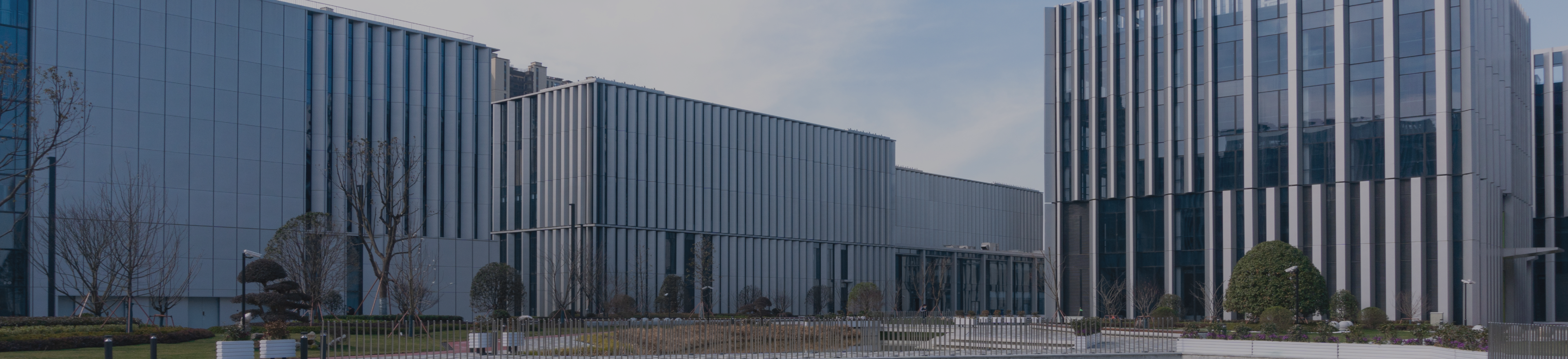
eco friendly non woven hotel slippers factory
An eco friendly non woven hotel slippers factory represents a revolutionary approach to manufacturing sustainable hospitality footwear solutions. This specialized manufacturing facility focuses on producing environmentally conscious disposable slippers designed specifically for hotels, resorts, spas, and other hospitality establishments. The eco friendly non woven hotel slippers factory utilizes advanced production technologies that combine sustainability with functionality, creating products that meet both environmental standards and guest comfort requirements. The factory operates using cutting-edge non-woven fabric technology, which eliminates the need for traditional weaving processes while maintaining superior material strength and durability. These facilities incorporate renewable energy systems, water recycling processes, and waste reduction protocols to minimize environmental impact throughout the production cycle. The core functions of an eco friendly non woven hotel slippers factory include material sourcing from sustainable suppliers, precision cutting and shaping using automated machinery, thermal bonding processes that eliminate harmful chemicals, and quality control systems that ensure consistent product standards. The technological features encompass computerized pattern cutting systems, heat-press molding equipment, automated packaging lines, and digital inventory management systems. The factory maintains strict quality assurance protocols through multiple inspection stages, ensuring each pair of slippers meets safety standards and comfort specifications. Applications extend beyond traditional hotel use to include medical facilities, airlines, cruise ships, wellness centers, and residential care facilities. The eco friendly non woven hotel slippers factory incorporates biodegradable materials such as bamboo fiber, organic cotton blends, and recycled polyester components. Production capabilities typically range from thousands to millions of pairs annually, depending on facility size and market demand. The manufacturing process emphasizes minimal chemical usage, reduced water consumption, and energy-efficient production methods that align with global sustainability initiatives and environmental protection standards.

 EN
EN