
 EN

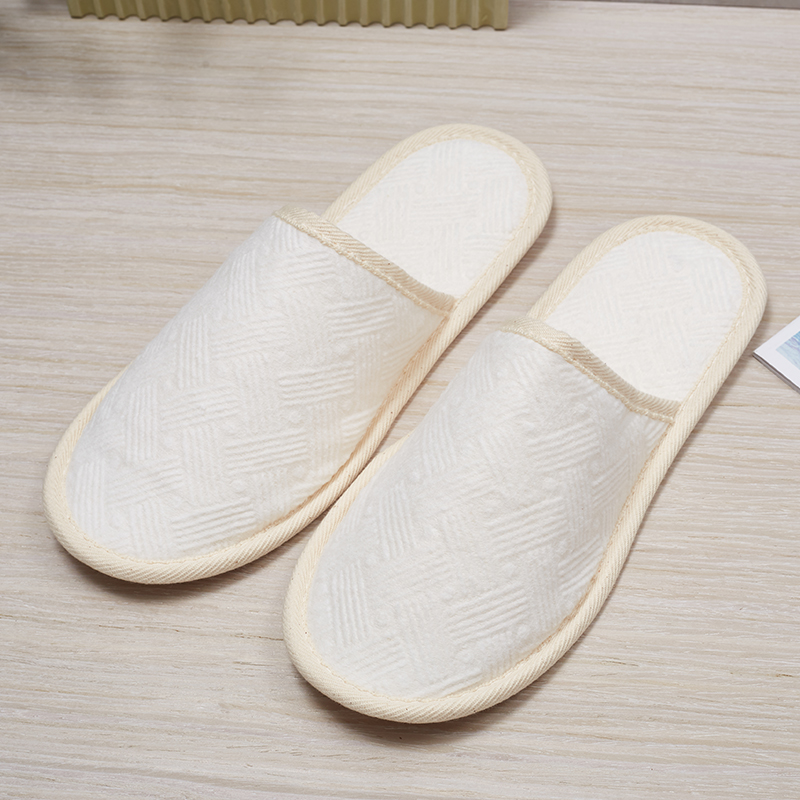
Disposable slippers for hotels represent a practical investment in guest comfort and satisfaction, but their value extends only as far as proper storage practices allow. Many hotel managers and housekeeping teams overlook the importance of how disposable slippers for hotels are stored, leading to premature deterioration, hygiene concerns, and wasted resources. Understanding the best storage methods for disposable slippers for hotels ensures that this guest amenity maintains its quality from warehouse to room delivery, protecting both your investment and guest experience.
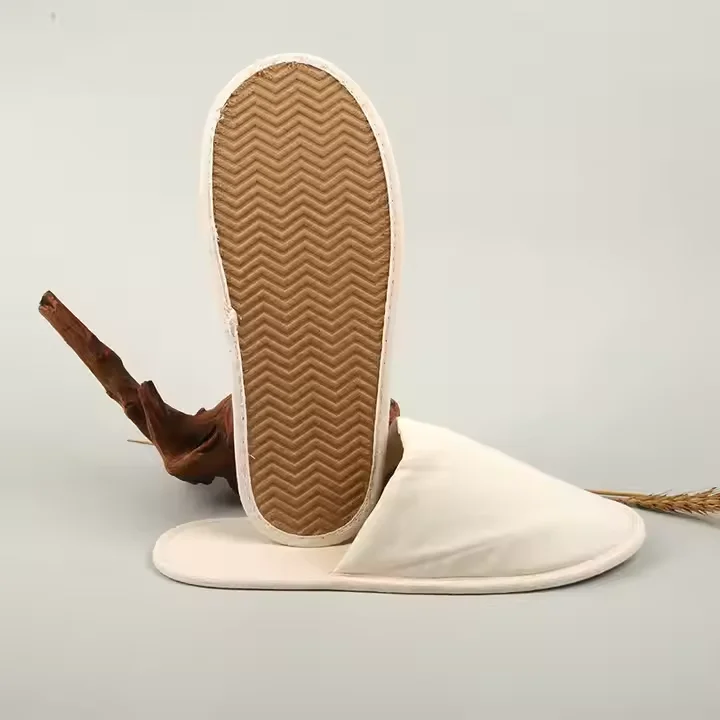
Proper storage of disposable slippers for hotels involves temperature control, moisture management, and organized inventory systems. When disposable slippers for hotels are stored incorrectly, material degradation accelerates, elastic components weaken, and the product lifespan shortens significantly. This guide explores comprehensive storage solutions that help hotel operators maintain product integrity and ensure guests receive high-quality footwear that reflects your establishment's commitment to comfort and cleanliness.
Environmental Conditions for Storage of Disposable Slippers for Hotels
Temperature and Humidity Control
Disposable slippers for hotels perform best when stored in climate-controlled environments with stable temperatures between 60 and 75 degrees Fahrenheit. Fluctuating temperatures cause material expansion and contraction, weakening seams and elastic components that define disposable slippers for hotels. Humidity levels should remain between 40 and 60 percent, as excessive moisture can promote mold growth while very dry conditions can make materials brittle and uncomfortable. Hotel storage areas near windows, exterior walls, or HVAC vents expose disposable slippers for hotels to temperature swings that accelerate wear and compromise guest experience.
Protection from Light and Environmental Pollutants
Direct sunlight causes discoloration and material degradation in disposable slippers for hotels, so storage locations should remain dark or use UV-protective shelving. Chemical exposure from cleaning agents, maintenance supplies, or industrial processes must be avoided when storing disposable slippers for hotels, as these substances can stain fabrics or weaken structural integrity. Ensure that disposable slippers for hotels are stored away from kitchen areas, maintenance closets, and any location where strong odors or chemical fumes accumulate. Proper ventilation within storage areas prevents odor absorption and maintains the fresh quality that guests expect from disposable slippers for hotels.
Organization Systems for Inventory Management of Disposable Slippers for Hotels
Shelving and Space Allocation Strategies
Disposable slippers for hotels require designated shelving systems that allow air circulation and prevent crushing or compression of materials. Avoid stacking disposable slippers for hotels more than four to five layers high, as excessive weight deforms the shape and elastic components. Open shelving works better than sealed containers for disposable slippers for hotels, enabling proper air flow and easier visual inventory checks. Organize disposable slippers for hotels by size, color, and arrival date to implement rotation systems that use older stock first and minimize waste from degraded products.
Packaging Considerations and Bulk Storage
Original packaging for disposable slippers for hotels often includes protective materials that preserve product quality during transit and storage. Keep disposable slippers for hotels in original packaging when possible, removing items only when needed for room stocking or guest use. If transferring disposable slippers for hotels to alternative containers, use breathable storage solutions like mesh bins or fabric boxes that prevent moisture accumulation. Label all storage containers clearly with product type, size, quantity, and storage date so staff can easily identify and rotate disposable slippers for hotels throughout inventory cycles.
Hygiene and Maintenance Standards for Disposable Slippers for Hotels
Infection Control and Sanitation Practices
Disposable slippers for hotels must be stored separately from used or returned items to maintain strict hygiene standards and prevent cross-contamination. Designate specific storage areas exclusively for new, unused disposable slippers for hotels that have never contacted guest feet or potentially contaminated surfaces. If disposable slippers for hotels are ever returned by guests, these items must be discarded immediately and never restocked, as they present health and liability risks. All staff handling disposable slippers for hotels should follow hygiene protocols, including handwashing and wearing gloves when necessary, to prevent contamination of products destined for guest rooms.
Inspection and Quality Assurance Before Room Distribution
Regular inspection of stored disposable slippers for hotels identifies damaged products before they reach guest rooms, protecting brand reputation and customer satisfaction. Check disposable slippers for hotels for visible defects like loose stitching, compressed materials, discoloration, odors, or mold growth before each restocking cycle. Remove any compromised disposable slippers for hotels from inventory immediately and document the reasons for removal to track product quality trends. Implementing quarterly quality audits of stored disposable slippers for hotels ensures that storage conditions remain optimal and staff practices align with hygiene and safety requirements established for your hotel operation.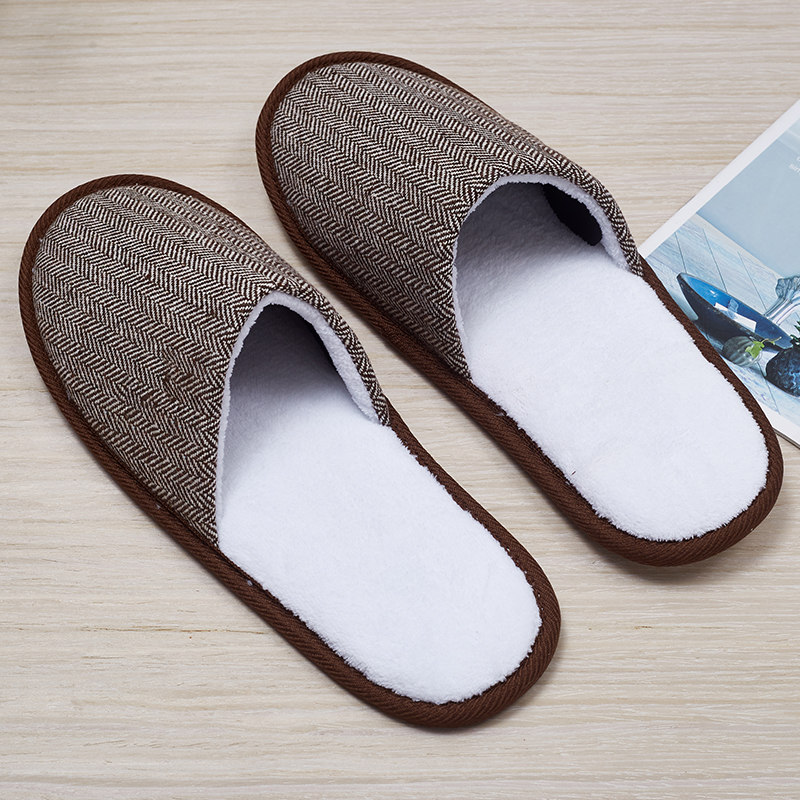
FAQ
How long can disposable slippers for hotels be stored safely?
Properly stored disposable slippers for hotels typically maintain quality for 12 to 24 months when environmental conditions remain stable and the original packaging remains intact. The lifespan depends on material composition, storage temperature consistency, humidity control, and protection from contaminants. Most hotels use annual rotation schedules to ensure disposable slippers for hotels never exceed optimal aging periods, even if physical condition appears acceptable. Following manufacturer guidelines and tracking storage dates helps hotel managers make informed replacement decisions for disposable slippers for hotels.
What is the best location within a hotel facility for storing disposable slippers for hotels?
The ideal storage location for disposable slippers for hotels combines climate control, low humidity, darkness, and separation from chemical exposure or strong odors. Purpose-built storage closets with shelving, proper ventilation, and thermostats represent the best solution for managing disposable slippers for hotels. Secondary staff areas, laundry rooms, or basement storage spaces work well if they maintain consistent temperature and humidity levels. Avoid storing disposable slippers for hotels in guest areas, kitchens, maintenance shops, or any space where temperature fluctuations or chemical exposure occurs frequently.
Can disposable slippers for hotels be stored in original shipping boxes?
Yes, disposable slippers for hotels can remain in original shipping boxes during storage as long as boxes are placed in a climate-controlled, dry environment with good air circulation. Original packaging for disposable slippers for hotels provides protective layers that preserve product quality and facilitate inventory tracking and rotation. Stack original boxes carefully to prevent crushing lower layers, and ensure the storage area allows air to circulate around boxes to prevent moisture accumulation. Label shipping boxes clearly with storage dates so staff can implement FIFO rotation systems when pulling disposable slippers for hotels for room distribution.