
 EN
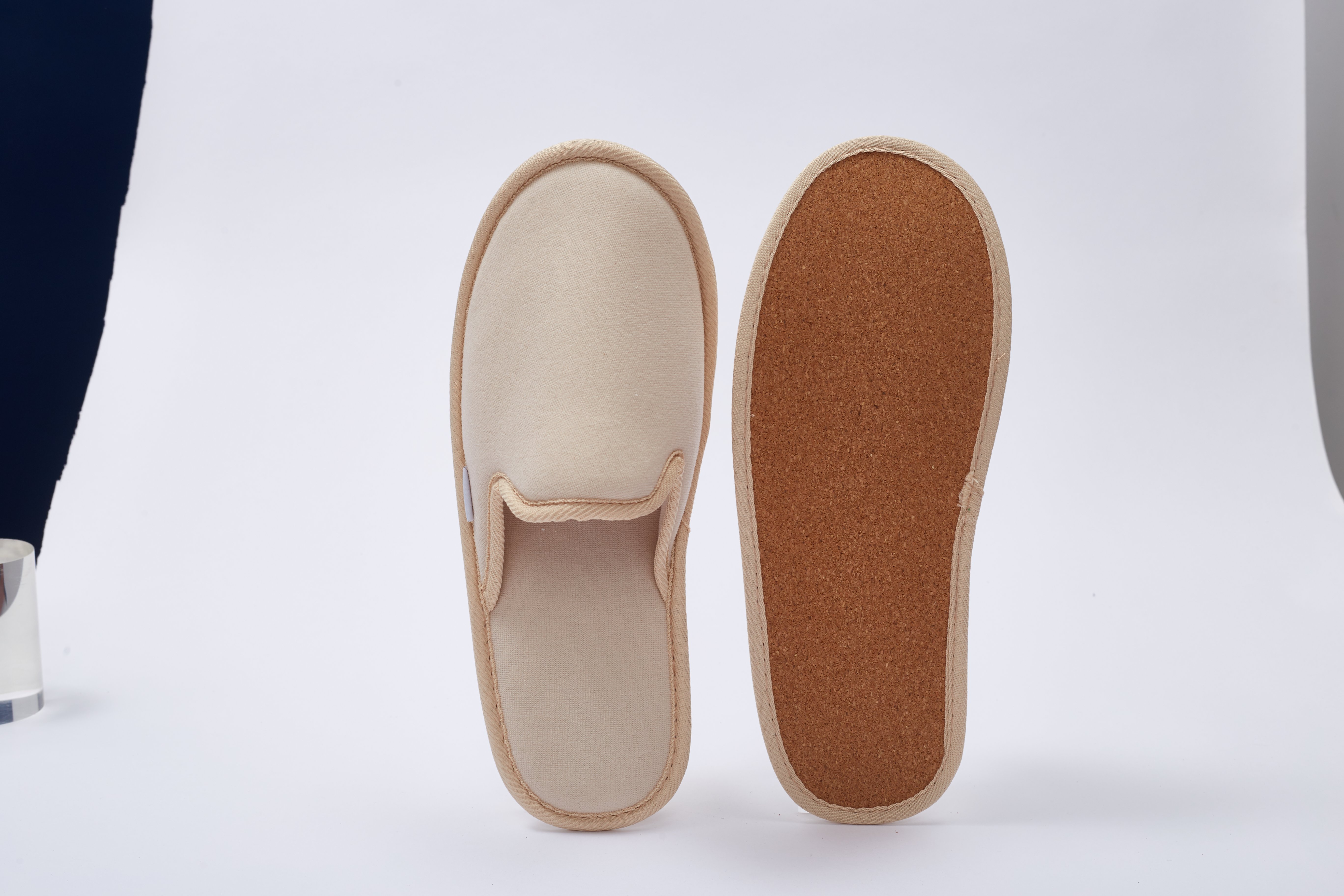
Selecting the right biodegradable hotel slippers requires understanding the intersection of guest comfort, environmental responsibility, and operational practicality. Hotels increasingly recognize that biodegradable hotel slippers serve as both a luxury amenity and a sustainability statement, reflecting their commitment to reducing environmental impact while maintaining the high standards guests expect. The choice between standard synthetic slippers and biodegradable hotel slippers directly affects guest satisfaction, brand reputation, and long-term operational costs. This guide explores how to evaluate and select biodegradable hotel slippers that meet your property's unique needs and values.
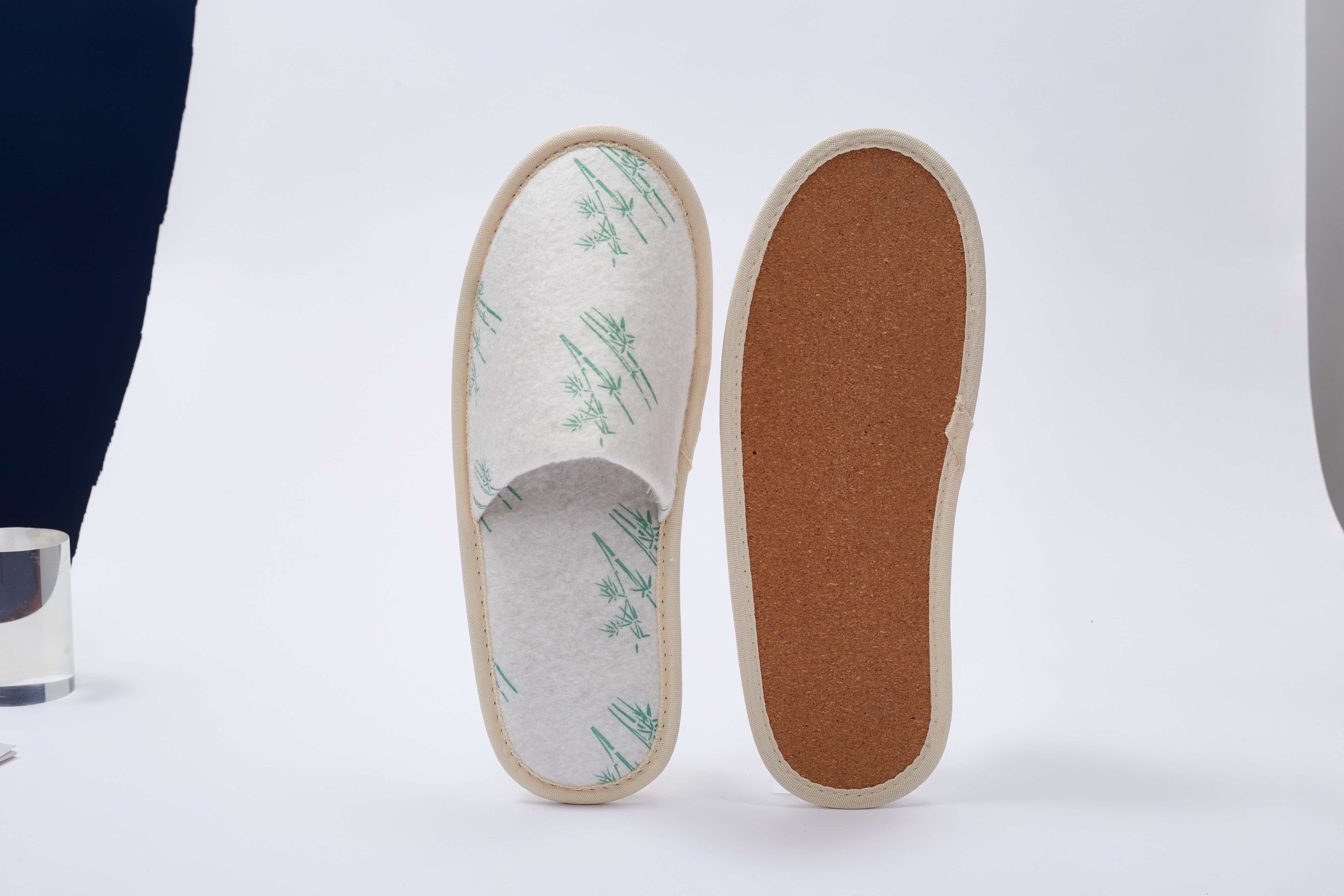
The hospitality industry faces mounting pressure to adopt sustainable practices, and guest room amenities represent an ideal starting point. Biodegradable hotel slippers manufactured from natural fibers like cotton, bamboo, or plant-based materials decompose naturally at end-of-life, contrasting sharply with conventional polyester slippers that persist in landfills for decades. Understanding the material science, construction quality, and performance characteristics of biodegradable hotel slippers enables hotel decision-makers to invest confidently in products that deliver genuine environmental benefit without compromising guest experience or operational efficiency.
Understanding Materials in Biodegradable Hotel Slippers
Natural Fiber Composition and Performance
The foundation of every quality biodegradable hotel slippers lies in its material selection. Cotton, bamboo viscose, linen, and hemp represent the primary natural fibers used in sustainable slipper construction. Cotton-based biodegradable hotel slippers offer familiar softness and breathability, making them a reliable choice for guests accustomed to premium amenities. Bamboo viscose provides exceptional silkiness and moisture-wicking properties, enhancing comfort during extended wear. The key distinction separating effective biodegradable hotel slippers from lower-grade alternatives involves fiber purity and processing methods that maintain structural integrity while ensuring genuine biodegradability at end-of-life.
Sole Materials and Durability Considerations
Sole construction fundamentally determines the longevity and practicality of biodegradable hotel slippers within a hotel environment. Natural rubber soles, cork composites, and plant-based polyurethane alternatives provide durable, non-slip surfaces that remain biodegradable throughout the product lifecycle. Premium biodegradable hotel slippers feature reinforced toe caps and heel reinforcement using natural materials, preventing premature wear in high-traffic areas. The sole thickness and cushioning density of quality biodegradable hotel slippers directly impact guest comfort during morning walks through corridors or extended room stays, making this specification critical during the selection process.
Evaluating Comfort and Fit for Guest Satisfaction
Sizing Standards and Customization Options
Effective biodegradable hotel slippers programs must address diverse foot sizes and shapes across international guest populations. Standard sizing for biodegradable hotel slippers typically ranges from small to extra-large, though some properties require custom sizing solutions for specialized clientele. Arch support becomes increasingly important when selecting biodegradable hotel slippers, particularly for properties catering to guests with mobility considerations or those staying multiple nights. The best biodegradable hotel slippers incorporate ergonomic footbeds that distribute weight evenly while remaining lightweight and packable, essential for travelers who value comfort during room stays.
Breathability and Temperature Regulation
Guest comfort extends beyond initial feel to include all-day wearability in varied room temperatures. Biodegradable hotel slippers constructed from natural fibers naturally regulate moisture and temperature better than synthetic alternatives, preventing the clammy discomfort associated with plastic-based slippers. Ventilation design in premium biodegradable hotel slippers includes mesh panels and open-toe options that accommodate guests with varying thermal preferences. Properties operating in warm climates benefit significantly from breathable biodegradable hotel slippers that maintain freshness throughout guest stays, while cooler climates may favor closed-toe variants with thicker insulation using natural wool blends.
Selecting Biodegradable Hotel Slippers for Your Property
Assessing Quality and Certification Standards
Reputable suppliers of biodegradable hotel slippers provide third-party certifications confirming environmental claims and material composition. Look for biodegradable hotel slippers backed by certifications such as OEKO-TEX, GOTS (Global Organic Textile Standard), or equivalent biodegradability testing documentation. The construction quality of biodegradable hotel slippers directly influences replacement frequency and overall cost-of-ownership; hand-stitched seams and reinforced stress points characterize superior biodegradable hotel slippers that withstand repeated laundering cycles. Hotels should evaluate sample pairs of biodegradable hotel slippers through actual guest use before committing to bulk orders, ensuring the selected style meets both comfort expectations and operational durability requirements.
Cost Analysis and Sustainability ROI
While biodegradable hotel slippers typically carry higher unit costs than conventional synthetic options, lifecycle cost analysis often reveals competitive or favorable economics. Premium biodegradable hotel slippers last longer through multiple wash cycles, reducing replacement frequency and associated procurement overhead. Marketing advantages derived from offering sustainably sourced biodegradable hotel slippers justify the investment by attracting environmentally conscious guests, improving guest satisfaction scores, and supporting brand differentiation in competitive markets. Properties demonstrating commitment to sustainability through amenities like biodegradable hotel slippers generate positive guest reviews and social media mentions that amplify brand reputation and loyalty.
FAQ
What materials make biodegradable hotel slippers truly sustainable?
Authentic biodegradable hotel slippers use certified natural fibers like organic cotton, bamboo viscose, hemp, or linen combined with natural rubber or cork soles. The entire product, from upper to sole, must decompose within defined timeframes under proper composting conditions. Certifications from recognized environmental standards organizations confirm that biodegradable hotel slippers meet genuine sustainability criteria rather than making vague eco-friendly claims.
How do biodegradable hotel slippers compare in durability to synthetic alternatives?
Quality biodegradable hotel slippers manufactured with reinforced construction and natural materials often match or exceed the durability of synthetic slippers across typical hotel use cycles. The difference emerges at end-of-life: while synthetic slippers persist in landfills indefinitely, biodegradable hotel slippers break down naturally, eliminating long-term environmental burden. Hotels report that premium biodegradable hotel slippers withstand 20-30 professional wash cycles without significant degradation, supporting multi-season use.
Can biodegradable hotel slippers accommodate different guest preferences and foot types?
Leading manufacturers offer biodegradable hotel slippers in multiple sizes, styles, and customization options to serve diverse guest populations. Options include closed-toe and open-toe designs, varying thickness levels for temperature preference, and arch support features for guests requiring orthopedic accommodation. Hotels can select specific styles of biodegradable hotel slippers that align with their target market while maintaining sustainability commitments across all guest room amenities.