
 EN
EN
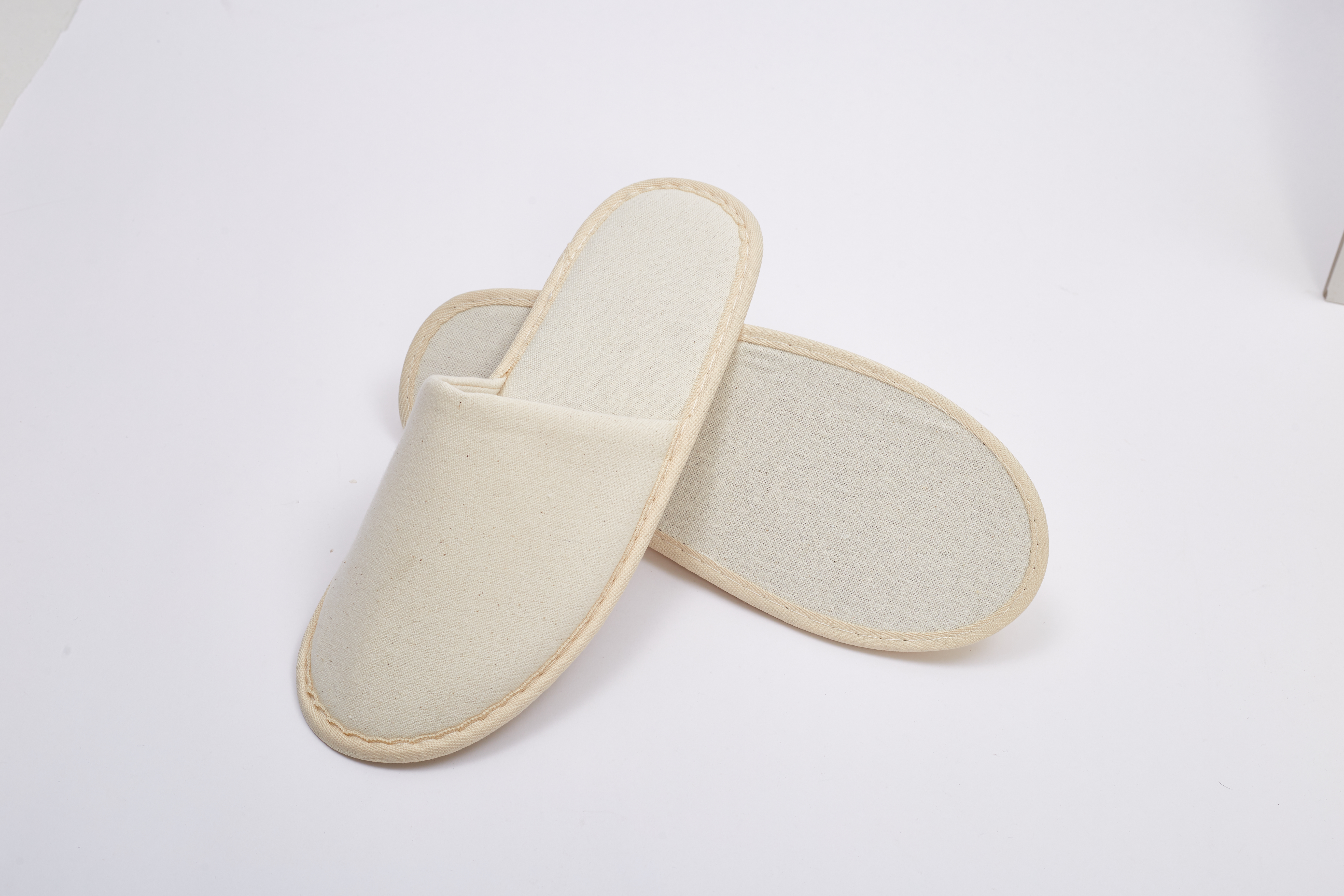
Modern hospitality demands that every guest touchpoint reflects quality, care, and environmental responsibility. Slippers hotel represent far more than a simple amenity—they embody the brand promise of comfort while signaling a property's commitment to sustainability and design excellence. As travelers increasingly expect accommodations that balance luxury with ecological consciousness, the selection and design of slippers hotel have become a strategic element of guest experience and corporate environmental stewardship.
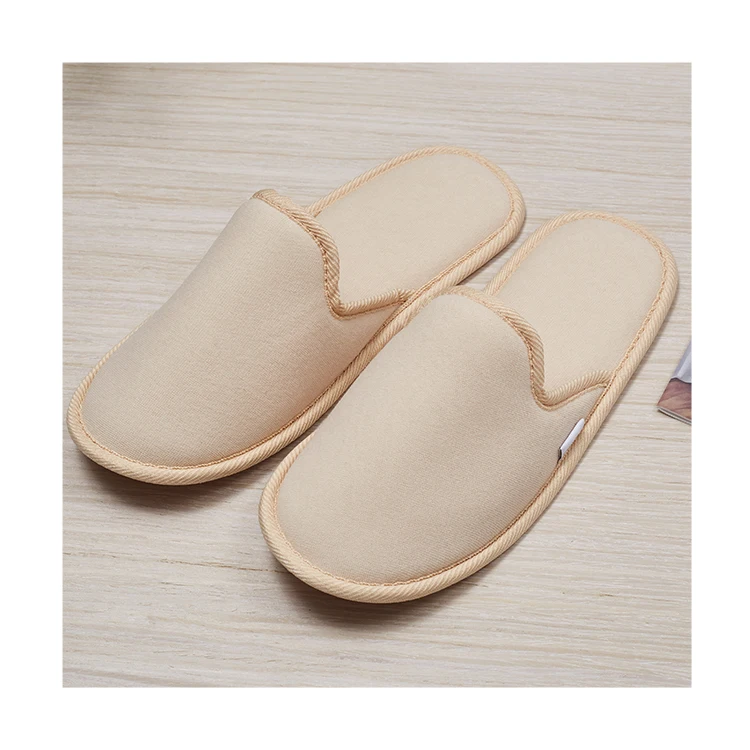
Choosing the right slippers hotel requires understanding the intersection of three critical dimensions: functional comfort that justifies daily use, aesthetic design that aligns with room décor and brand identity, and sustainable material choices that reduce environmental impact without compromising performance. This balance is achievable through informed sourcing, thoughtful design specifications, and clear prioritization of guest welfare alongside ecological outcomes.
Understanding Comfort Requirements in Slippers Hotel
Ergonomic Design and Material Selection
Comfort in slippers hotel begins with understanding how guests will use them—typically for short indoor periods, often after long travel or before bed. Quality slippers hotel feature cushioned footbeds that reduce fatigue and provide arch support, allowing guests to move through hallways and rooms without discomfort. The material composition directly affects comfort perception; premium slippers hotel use soft, breathable fabrics that prevent moisture buildup while maintaining structural integrity through repeated wear and washing cycles. Biodegradable materials like organic cotton, recycled polyester, and plant-based fibers have advanced significantly, now delivering comfort metrics comparable to conventional synthetic options while offering environmental benefits.
Fit and Accessibility Considerations
Slippers hotel must accommodate diverse guest populations with different foot sizes, mobility levels, and comfort preferences. Offering multiple size options ensures that slippers hotel serve all guests equitably, reducing the embarrassment some guests experience when standard sizing proves uncomfortable. Slip-on designs eliminate barriers for guests with limited mobility, arthritis, or other conditions affecting ability to fasten closures. Quality slippers hotel incorporate non-slip soles for safety on various floor surfaces, addressing both comfort and liability concerns inherent in hospitality operations. Elastic ankle support and reinforced heel areas ensure that slippers hotel remain securely positioned throughout the day without requiring constant adjustment.
Integrating Style and Brand Identity into Slippers Hotel
Design Aesthetics and Room Coordination
Slippers hotel serve as a daily touchpoint where brand identity becomes tangible for guests. Design choices in color, texture, and finish should align with the property's overall aesthetic—whether that means minimalist elegance, luxury warmth, or contemporary sophistication. Premium slippers hotel often feature subtle branding through embroidered logos, branded packaging, or signature color palettes rather than overt marketing. The visual quality of slippers hotel influences guest perception of the entire property; premium materials and refined finishes communicate attention to detail, while poorly constructed slippers hotel create negative impressions that extend beyond the amenity itself. Properties that successfully integrate slippers hotel into their design language often see higher guest satisfaction scores and increased likelihood of repeat visits.
Packaging and Presentation
How slippers hotel are presented affects their perceived value and likelihood of use. Thoughtfully designed packaging transforms a simple amenity into a memorable unboxing experience. Slippers hotel presented in branded boxes with quality tissue wrapping and informational cards about material sustainability often receive positive guest feedback and social media mentions. Presentation also signals to guests that these slippers hotel are intentionally curated rather than afterthought amenities. For properties operating at premium tiers, presentation becomes an extension of the overall luxury narrative, making high-quality slippers hotel one more reason guests feel special and valued.
Achieving Sustainability Without Compromising Performance
Eco-Friendly Materials and Production Standards
Sustainable slippers hotel must begin with responsible material sourcing and transparent production practices. Organic cotton, recycled polyester fibers, and innovative plant-based materials like cork or bamboo have become viable options for constructing durable, comfortable slippers hotel. These materials reduce reliance on virgin petroleum-based synthetics and lower water consumption compared to conventional alternatives. Responsible slippers hotel manufacturers increasingly pursue certifications like OEKO-TEX, Fair Trade, or carbon-neutral production status, allowing hospitality buyers to verify sustainability claims. The most effective slippers hotel balance material innovation with realistic durability—biodegradable fabrics must withstand commercial laundry processes and repeated use by multiple guests across the year without rapid deterioration, which would create waste rather than reducing it.
Lifecycle Assessment and Long-Term Environmental Impact
True sustainability in slippers hotel extends beyond material selection to encompass the entire product lifecycle. Durable slippers hotel that withstand hundreds of wash cycles and maintain structural integrity reduce the frequency of replacement, lowering aggregate environmental impact over time. Properties that partner with suppliers offering end-of-life recycling programs for worn slippers hotel can further minimize landfill contributions. Slippers hotel designed for easy disassembly—separating soles from uppers, for example—facilitate material-specific recycling rather than mixed-waste disposal. Water and energy consumption in manufacturing, transportation distances, and packaging materials all contribute to the complete environmental footprint of slippers hotel. Progressive hospitality operations increasingly conduct lifecycle assessments comparing initial cost advantages of cheaper slippers hotel against long-term environmental and replacement costs of more sustainable alternatives.
Integrating Multiple Priorities into Procurement Decisions
Cost-Benefit Analysis for Hospitality Operations
Slippers hotel present a procurement decision where lowest initial cost often conflicts with comfort, durability, and sustainability objectives. Mid-range slippers hotel typically offer the optimal balance—construction quality and material performance that justify their cost while remaining accessible for high-volume hospitality use. Properties that initially choose inexpensive slippers hotel often experience higher replacement frequency, guest complaints, and brand perception damage that ultimately increases total cost of ownership. Conversely, ultra-premium slippers hotel may exceed guest expectations for what is ultimately a temporary amenity. The most sophisticated hospitality buyers evaluate slippers hotel through lifecycle costing models that incorporate durability data, warranty terms, laundry compatibility, and replacement timelines rather than focusing narrowly on unit price.
Supplier Partnership and Quality Assurance
Successful integration of comfort, style, and sustainability in slippers hotel requires strong partnerships with suppliers who understand hospitality-specific requirements. Reliable suppliers provide detailed product specifications, durability testing data, sustainability certifications, and customization capabilities. They offer guidance on sizing recommendations, color palettes suited to different property types, and production capacities aligned with replacement schedules. Quality assurance processes should include receiving inspection for material quality, seam integrity, sole adhesion, and embroidery consistency. Properties that establish long-term relationships with suppliers of quality slippers hotel often negotiate better pricing and priority access to new sustainable material innovations, creating competitive advantages in guest experience and environmental performance.
FAQ
What makes slippers hotel different from retail slippers?
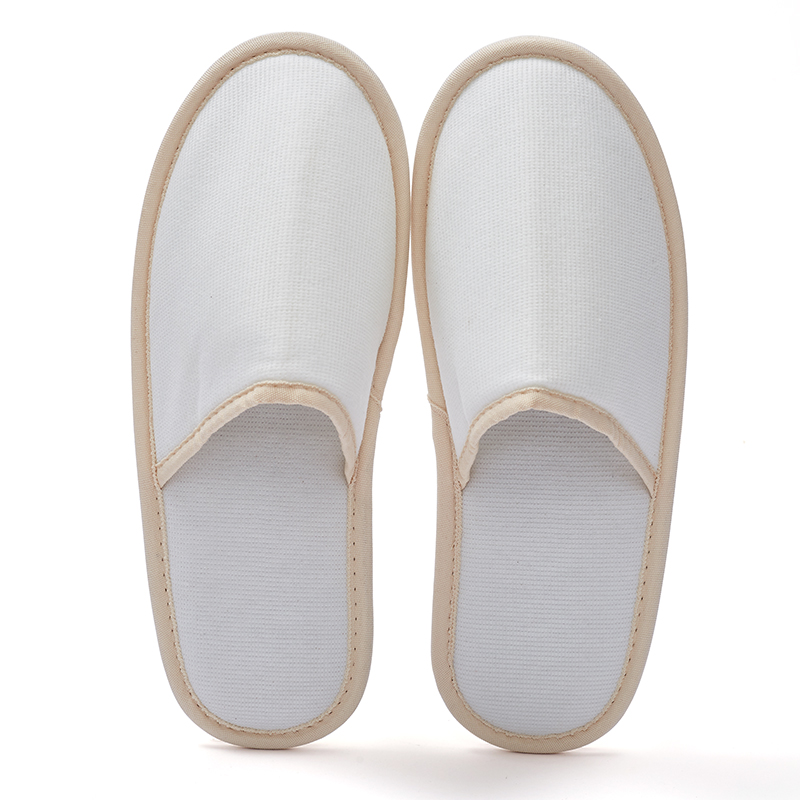
Slippers hotel are engineered for different use patterns than retail consumer slippers. Hotel versions must withstand commercial laundry cycles involving higher temperatures and mechanical stress, accommodate diverse foot sizes across guest populations, maintain appearance and performance across hundreds of uses, and align with brand aesthetic standards. Quality slippers hotel incorporate reinforced construction, superior material durability, and non-slip safety features that retail models may not require. This specialized engineering justifies the price premium for slippers hotel compared to consumer alternatives.
How often should slippers hotel be replaced?
Replacement frequency for slippers hotel depends on laundry cycles, guest volume, and material quality. Premium slippers hotel typically remain serviceable through 150–300 commercial laundry cycles before deterioration becomes noticeable. High-volume properties may replace slippers hotel annually, while lower-occupancy properties may achieve two-year lifecycles. Monitoring visible wear—sole degradation, seam separation, or loss of cushioning—provides practical guidance for replacement timing. Sustainable slippers hotel that maintain performance longer reduce both replacement frequency and environmental impact, making durability a key sustainability metric.
Can sustainable slippers hotel perform as well as conventional options?
Modern sustainable slippers hotel can match conventional counterparts in comfort, durability, and aesthetic quality. Advanced biodegradable fabrics and recycled materials now demonstrate performance characteristics comparable to virgin synthetics while offering environmental advantages. The key is selecting quality manufacturers who specifically engineer sustainable slippers hotel for hospitality applications rather than adapting consumer sustainable products to hotel use. Properties that invest in tested sustainable slippers hotel options consistently report equivalent guest satisfaction and durability outcomes while advancing their environmental commitment.