
 EN
EN

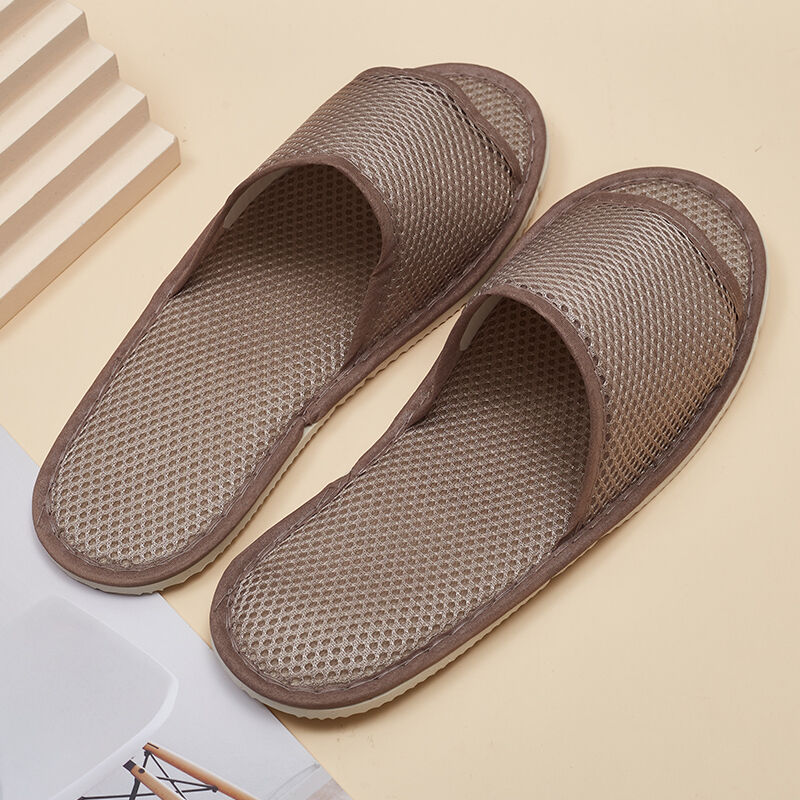
Ang pagpili ng tamang mga tsinelas para sa spa na eco-friendly para sa mga luxury spa ay nangangailangan ng maingat na pagsasaalang-alang sa pagkakabuo ng materyales na may sustainability, kaginhawahan ng bisita, at kahusayan sa operasyon. Ang mga modernong luxury spa ay nakakaranas ng tumataas na presyon na ipakita ang kanilang responsibilidad sa kapaligiran habang pinapanatili ang premium na karanasan na inaasahan ng kanilang mga customer. Ang pagpili ng mga tsinelas para sa spa ay direktang nakaaapekto sa unang impresyon ng bisita at sa environmental footprint ng pasilidad, kaya ang proseso ng pagpili ay isang mahalagang bahagi ng sustainable na operasyon ng spa.
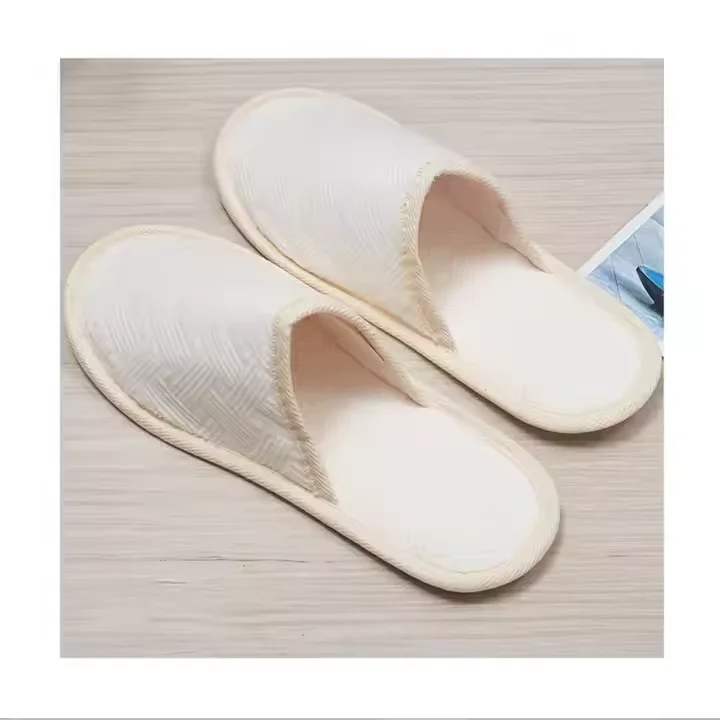
Ang proseso ng paggawa ng desisyon para sa mga tsinelas ng spa na kaibigan sa kapaligiran ay kumakatawan sa pagsusuri ng maraming kadahilanan, kabilang ang mga biodegradable na materyales, mga proseso ng pagmamanupaktura, mga pamantayan sa kaginhawahan, at kahusayan sa gastos. Ang mga luxury spa ay kailangang balansehin ang kanilang pananagutan sa pangangalaga sa kapaligiran at ang pangangailangan na magbigay ng napakahusay na karanasan sa mga bisita na nagpapaliwanag sa mataas na presyo. Ang pag-unawa sa mga kriteria sa pagpili ng mga sustainable na spa slippers ay nagbibigay-daan sa mga operator ng spa na gumawa ng impormadong desisyon na umaayon sa kanilang mga layuning pangkapaligiran habang pinapanatili ang operasyonal na kahusayan at kasiyahan ng mga bisita.
Komposisyon ng Materyales at Pamantayan sa Pagpapanatili
Mga Biodegradable na Materyales para sa Solyo
Ang pundasyon ng mga tsinelas para sa spa na kaibigan sa kapaligiran ay nakasalalay sa komposisyon ng materyal ng solya, kung saan ang mga biodegradable na opsyon ay nag-aalok ng mas mataas na benepisyo sa kapaligiran kumpara sa mga tradisyonal na sintetikong alternatibo. Ang mga solya na gawa sa pulp ay kumakatawan sa pinakabagong opsyon na pang-environment, na gumagamit ng nakapindot na natural na hibla na lubos na nabubulok sa loob ng mga industriyal na composting na kapaligiran. Ang mga materyal na ito ay nananatiling matibay sa istruktura habang ginagamit sa karaniwang spa, samantalang tiyak na nabubulok nang lubusan sa loob ng 90 hanggang 180 araw sa ilalim ng tamang kondisyon ng pag-compost.
Ang mga komposito ng likas na cork at hibla ng kawayan ay nagbibigay ng karagdagang opsyon para sa mga solong pangkapaligiran, na nag-aalok ng mas mataas na tibay para sa mga sapatos na pang-spa na kailangan ng mas matagal na paggamit. Ang mga solong gawa sa cork ay nagbibigay ng likas na antimicrobial na katangian habang pinapanatili ang kahalumigan at kahutukang kailangan para sa kumportableng pakiramdam ng mga bisita. Ang mga solong gawa sa hibla ng kawayan ay pinauunlad ang mabilis na pagbabago nito kasama ang kakayahang tumugon sa kahalumigan, na ginagawang lalo pang angkop para sa mga humidong kapaligiran ng spa kung saan maaaring mabawasan ang kumportableng pakiramdam o pamantayan sa kalinisan ng mga bisita kapag gumagamit ng tradisyonal na mga materyales.
Ang mga sol na gawa sa pulp ng recycled paper ay nag-aalok ng cost-effective na sustainability para sa mga high-volume na spa operations, na gumagamit ng mga post-consumer waste materials sa kanilang proseso ng paggawa. Ang mga sol na ito ay nagbibigay ng sapat na kumportable para sa karaniwang spa treatments habang malaki ang pagbawas sa environmental impact kumpara sa mga petroleum-based na alternatibo. Ang proseso ng paggawa ng mga sol na gawa sa recycled pulp ay nangangailangan ng minimal na chemical processing, na lalong nagpapahusay sa kanilang environmental credentials para sa mga luxury spa na nakatuon sa komprehensibong sustainability practices.
Pagpili ng Materyal para sa Itaas
Ang upper portion ng eco-friendly spa slippers nangangailangan ng mga materyales na nagpapabalance ng kaginhawahan, paghinga, at responsibilidad sa kapaligiran. Ang mga upper na gawa sa organikong cotton ay nagbibigay ng kahaluman at likas na paghinga habang sumusuporta sa mga praktika ng pangangalaga sa kapaligiran sa pamamagitan ng pagbawas sa paggamit ng pestisidyo. Ang istruktura ng hibla ng organikong cotton ay nagpapahintulot ng mahusay na pamamahala ng kahalumigan, na nagpipigil sa kakaiba sa pakiramdam habang nasa mahabang spa treatment at pananatiling mataas ang mga pamantayan sa kalinisan na kinakailangan sa mga luxury facility.
Ang mga upper na gawa sa sariwang hemp ay nag-aalok ng napakadaling tibay at likas na antimicrobial properties, na ginagawang ideal para sa mga spa na binibigyang-prioridad ang tagal ng buhay at kalinisan. Ang pagtatanim ng hemp ay nangangailangan ng kaunting tubig at likas na tumututol sa mga peste, na binabawasan ang epekto sa kapaligiran na kaugnay sa mga input sa agrikultura. Ang likas na tekstura ng hemp ay nagbibigay ng mabagal na friction na nagpipigil sa pagkakalipad sa mga basang ibabaw na karaniwan sa mga kapaligiran ng spa, na nagpapataas ng kaligtasan ng mga bisita habang pinapanatili ang mga pamantayan sa kaginhawahan.
Ang mga itaas na bahagi na gawa sa tela mula sa kawayan ay nagkakasama ang mabilis na pagbabago nito kasama ang luho at kahalumigan nito, na nakakaakit sa mga bisita na may malalim na pag-aalala sa kapaligiran at hindi sumusuko sa kaginhawahan. Ang mga likas na katangian ng tela mula sa kawayan ay kinabibilangan ng regulasyon ng temperatura at kakayahang tumatanggal ng kahalumigan, na nagpapagarantiya sa kaginhawahan ng mga bisita sa iba't ibang temperatura ng mga spa treatment. Ang likas na paglaki ng kawayan ay nangangailangan ng walang pagtatanim muli at napakaliit na paggamit ng tubig, na ginagawang isang lubhang sustainable na pagpipilian para sa mga luxury spa na nakatuon sa responsibilidad sa kapaligiran.
Kaginhawahan at Mga Konsiderasyon sa Disenyo
Mga Karaniwang katangian ng Ergonomic Design
Ang mga tsinelas para sa spa na kaibigan sa kapaligiran ay dapat maglaman ng mga elemento ng ergonomikong disenyo na sumusuporta sa kaginhawahan ng bisita sa iba't ibang paggamot sa spa at sa paggalaw sa loob ng pasilidad. Ang mga disenyo na may takip sa mga daliri ng paa ay nagbibigay ng mas mahusay na proteksyon at init, lalo na sa mga luxury spa na nag-ooffer ng mga paggamot sa labas o mga pasilidad na may pagbabago ng temperatura. Ang bahagi ng tsinelas na tumatakip sa mga daliri ng paa ay dapat magbigay ng sapat na espasyo para sa likas na paggalaw ng mga daliri habang panatilihin ang secure na pagkakasunod-sunod upang maiwasan ang pagkahulog habang lumalakad o nasa posisyon para sa paggamot.
Ang pagsasama ng suporta sa baluktot na bahagi ng paa (arch support) sa loob ng mga eco-friendly na tsinelas para sa spa ay nagpapabuti ng kaginhawahan ng bisita habang ginagamit ang pasilidad nang matagal, na partikular na mahalaga para sa mga day-long spa package na karaniwan sa mga luxury establishment. Ang mga sustainable na materyales ay maaaring isama ang ergonomikong hugis na nagbibigay ng banayad na suporta sa baluktot na bahagi ng paa nang hindi nakakompromiso sa kanilang kakayahang mabulok. Ang disenyo na may kontur ay dapat kayang sakupin ang iba't ibang hugis ng paa habang panatilihin ang minimal na profile na inaasahan sa mga kapaligiran ng spa.
Ang pagpapadagdag ng kumportableng cushion sa heel gamit ang mga sustenableng materyales ay nagpapatiyak ng kaginhawahan habang matagal na nakatayo o naglalakad sa loob ng mga pasilidad ng spa. Ang natural na latex foam ay nagbibigay ng mahusay na katangian ng cushioning habang pinapanatili ang kakayahang mabulok, na nag-ooffer ng alternatibo sa mga cushioning material na gawa sa petrolyo. Dapat magbigay ang cushioning ng sapat na pag-absorb ng shock nang hindi lumilikha ng labis na taas na maaaring makompromiso ang katatagan sa ibabaw ng spa.
Hanay ng Laki at Mga Opsyon sa Pagkasya
Ang komprehensibong hanay ng mga laki sa mga eco-friendly na sapatos para sa spa ay sumasaklaw sa iba't ibang populasyon ng mga bisita habang pinapanatili ang kahusayan sa paggamit ng mga sustenableng materyales. Ang mga luxury spa ay karaniwang nangangailangan ng mga sukat mula sa maliit hanggang sa extra-large, kung saan ang ilang pasilidad ay nangangailangan ng espesyal na sukat para sa internasyonal na mga bisita. Dapat isaalang-alang ng sistema ng pagsukat ang kagustuhan ng mga bisita na pumili ng mga sapatos para sa spa na medyo maluwag upang magbigay ng kumportableng galaw habang nasa ilalim ng mga treatment.
Ang mga elemento ng disenyo na maaaring i-adjust ay maaaring mapabuti ang versatility ng pagkasya habang pinapanatili ang pangangalaga sa sustainable na mga materyales, na partikular na mahalaga para sa mga pasilidad na nangangasiwa sa mga gastos sa imbentaryo at espasyo para sa imbentaryo. Ang mga elastic na insert na gumagamit ng natural na rubber ay nagbibigay ng sapat na puwang para sa iba't ibang lapad ng paa nang hindi nakakompromiso sa kabuuang sustainable na profile. Dapat maisasama nang maayos ang mga katangiang ito sa kabuuang aesthetic na inaasahan sa mga luxury spa environment.
Ang mga pamamaraan sa sizing na walang kinalaman sa kasarian ay maaaring payabungin ang pamamahala ng imbentaryo habang sumusuporta sa inklusibong mga karanasan sa spa, lalo na para sa mga pasilidad na naglilingkod sa iba't ibang uri ng kliyente. Dapat iwasan ng disenyo ang anumang gender-specific styling habang pinapanatili ang sopistikadong itsura na inaasahan sa mga luxury spa setting. Ang mga pagpipilian sa kulay ay dapat sumasalamin sa branding ng spa habang gumagamit ng natural na dye na umaayon sa mga layunin ng environmental sustainability.
Pagsusuri ng Epekto sa Kapaligiran
Pagsusuri sa Carbon Footprint
Ang pag-evaluate sa carbon footprint ng mga eco-friendly na sapatos na ginagamit sa spa ay nagsasangkot ng pagsusuri sa pinagkukunan ng materyales, mga proseso sa paggawa, transportasyon, at mga paraan ng pagtatapon sa dulo ng buhay ng produkto. Ang lokal na pagkuha ng sustainable na materyales ay malaki ang nagpapababa sa mga emisyon na may kinalaman sa transportasyon habang sumusuporta sa mga lokal na ekonomiya at tiyak na nagbibigay ng mas sariwang suplay ng materyales. Ang mga luxury na spa ay dapat bigyan ng priyoridad ang mga supplier na nagbibigay ng transparent na data tungkol sa kanilang carbon footprint at nagpapakita ng mga nakukuhang resulta sa pagbawas ng carbon footprint sa kanilang mga proseso sa paggawa.
Ang mga pinagmumulan ng enerhiya sa paggawa ay may mahalagang papel sa kabuuang epekto sa kapaligiran ng mga sapatos na ginagamit sa spa, kung saan ang mga pasilidad na gumagamit ng renewable energy ay nag-aalok ng mas mataas na antas ng sustainability. Ang mga pasilidad sa paggawa na pinapatakbo ng solar at hangin ay maaaring mag-produce ng mga sapatos na ginagamit sa spa na may malaki ang binawasan na carbon footprint kumpara sa mga pasilidad na umaasa sa enerhiyang galing sa fossil fuel. Ang mga operator ng spa ay dapat humingi ng impormasyon tungkol sa mga pinagmumulan ng enerhiya sa paggawa kapag sinusuri ang mga potensyal na supplier ng eco-friendly na sapatos na ginagamit sa spa.
Ang mga paraan ng paglilipat at mga materyales sa pagpapakete ay nag-aambag nang malaki sa kabuuang carbon footprint ng mga sapatos na ginagamit sa spa, kaya ang lokal na pagkuha at minimal na pagpapakete ay itinuturing na mga pangunahing priyoridad para sa mga pasilidad na may malalim na pag-aalala sa kapaligiran. Ang pagpapadala gamit ang barko ay may mas mababang emisyon bawat yunit kumpara sa pagpapadala gamit ang eroplano, kaya ito ang pinipili para sa mga order na hindi kailangang agad-agad, kahit na mas mahaba ang oras ng paghahatid. Dapat gamitin ang mga recycled na materyales at minimal na dami ng pakete upang mabawasan ang parehong emisyon mula sa transportasyon at ang pagbuo ng basura.
Mga Estratehiya sa Pagbawas ng Basura
Ang pagpapatupad ng epektibong mga estratehiya sa pagbawas ng basura para sa mga sapatos na ginagamit sa spa ay kasama ang pag-optimize ng pamamahala ng imbentaryo, pagtatatag ng mga programa sa composting, at edukasyon sa mga kawani tungkol sa tamang paraan ng pagtatapon. Ang tumpak na paghuhula ng demand ay nakakaiwas sa sobrang pag-order na nagdudulot ng lumipas nang panahon ang imbentaryo at hindi kinakailangang pagbuo ng basura. Ang mga luxury spa ay dapat magtatag ng mga ugnayan sa mga industrial composting facility na kayang i-process ang mga biodegradable na sapatos na ginagamit sa spa ayon sa mga tukoy na pamantayan ng tagagawa.
Ang mga programa sa pagsasanay ng mga kawani ay nagpapatiyak ng tamang paghawak at pagtatapon ng mga eco-friendly na sapatos na pang-spas, upang makamit ang pinakamataas na benepisyo sa kapaligiran habang pinapanatili ang mga pamantayan sa kalinisan. Dapat saklawin ng pagsasanay ang tamang kondisyon sa pag-iimbak na magpapanatili sa mga biodegradable na materyales, ang mga angkop na gabay sa paggamit, at ang tamang proseso ng pagtatapon. Ang regular na pag-update ng pagsasanay ay nagpapanatiling abiso ang mga kawani tungkol sa umuunlad na pinakamahusay na praktika at sa mga bagong sustainable na opsyon para sa mga sapatos na pang-spas.
Ang mga inisyatibo sa edukasyon ng mga bisita ay maaaring mapabuti ang epekto sa kapaligiran ng mga eco-friendly na sapatos na pang-spas sa pamamagitan ng paghikayat sa tamang paggamit at pagtatapon nito. Ang di-nakikitaang mga palatandaan at komunikasyon mula sa mga kawani ay maaaring impormahan ang mga bisita tungkol sa mga sustainable na katangian ng kanilang mga sapatos na pang-spas at sa tamang paraan ng pagtatapon nito. Ang ilang luxury na spa ay nag-ooffer ng take- bahay na opsyon para sa mga bisitang interesado sa composting ng kanilang mga sapatos na pang-spas, upang palawigin ang benepisyong pangkapaligiran nang lampas sa pasilidad.
Mga Pansamantalang at Pananalapi na Konsiderasyon
Kahusayan sa Pamamahala ng Imbentaryo
Ang epektibong pamamahala ng imbentaryo para sa mga eco-friendly na sapatos na pang-spas ay nangangailangan ng balanseng pagtugon sa mga layunin sa sustainability kasama ang kahusayan sa operasyon at kontrol sa gastos. Ang mga biodegradable na materyales ay maaaring may mas maikling buhay sa imbentaryo kumpara sa mga sintetikong alternatibo, kaya kailangan ng mas madalas na pag-order at maingat na proseso sa pag-rotate ng stock. Ang mga luxury spa ay dapat magtatag ng ugnayan sa mga supplier na kayang magbigay ng mapagkakatiwalaang schedule sa paghahatid na umaayon sa bilis ng pagbabago ng imbentaryo.
Ang mga kondisyon sa pag-iimbak para sa mga eco-friendly na sapatos na pang-spas ay dapat protektahan ang mga biodegradable na materyales laban sa kahalumigan at ekstremong temperatura na maaaring sumira sa kanilang integridad bago gamitin. Ang mga lugar na may climate-controlled na imbakan ay nakakaiwas sa maagang degradasyon habang pinapanatili ang kalidad na inaasahan sa mga luxury spa environment. Ang tamang proseso sa pag-iimbak ay dapat idokumento at sundin nang paulit-ulit upang makapag-maximize ng buhay na paggamit ng mga sustainable na sapatos na pang-spas.
Ang paghahProgno ng pangangailangan para sa mga tsinelas na ginagamit sa spa ay naging mas mahalaga kapag gumagamit ng mga biodegradable na materyales na may limitadong buhay na istok, kung kaya't kailangan ang tumpak na paghuhula ng mga pattern ng paggamit ng pasilidad. Dapat isama sa mga desisyon sa pag-oorder ang mga seasonal na pagbabago, mga espesyal na okasyon, at mga panahon ng promosyon upang maiwasan ang parehong kakulangan at basura. Ang mga nakaraang datos tungkol sa paggamit ang nagbibigay-daan sa tumpak na paghuhula na nag-o-optimize ng antas ng imbentaryo habang pinabababa ang epekto sa kapaligiran.
Marangal na Analisis ng Cost-Benefit
Ang komprehensibong pagsusuri ng gastos-at-bentahe para sa mga eco-friendly na tsinelas na ginagamit sa spa ay dapat kasama ang mga direktang gastos, mga benepisyong pangkapaligiran, halaga sa marketing, at epekto sa kasiyahan ng mga bisita. Bagaman maaaring mas mataas ang presyo bawat yunit ng mga sustainable na tsinelas na ginagamit sa spa kumpara sa mga konbensyonal na alternatibo, ang halaga nito sa marketing at ang atraksyon nito sa mga bisita ay maaaring magpaliwanag sa mas mataas na presyo na karaniwang nauugnay sa mga luxury na serbisyo ng spa. Ang mga sertipiko sa pangangalaga ng kapaligiran at mga kredensyal sa sustainability ay maaaring palakasin ang reputasyon ng spa at akitin ang mga kliyente na may malalim na pag-aalala sa kapaligiran at handang magbayad ng premium na rate.
Ang mga pagsasaalang-alang sa mahabang panahon sa gastos ay kasama ang potensyal na mga pagbabago sa regulasyon na pabor sa mga produktong pang-environment at ang tumataas na pangangailangan ng mga konsyumer para sa mga serbisyo na may responsibilidad sa kapaligiran. Ang mga luxury spa na nag-iinvest sa mga eco-friendly na sapatos na pambabaeng spa ay naka-position nang maayos para sa hinaharap na kondisyon ng merkado kung saan ang sustainability ay naging lalong mahalaga sa desisyon ng mga konsyumer. Ang investisyon sa mga sustainable na praktika ay maaaring magbigay ng kompetitibong pagkakaiba sa mga siksik na luxury spa market.
Ang mga nakatagong gastos na kaugnay ng karaniwang mga sapatos na pambabaeng spa ay kasama ang mga bayad sa pagtatapon, mga gastos sa pagpapatupad ng environmental compliance, at ang potensyal na mga panganib sa reputasyon dahil sa mga hindi sustainable na praktika. Ang mga eco-friendly na alternatibo ay maaaring bawasan ang mga nakatagong gastos na ito habang nagbibigay ng positibong mga oportunidad sa marketing na nagpapalakas sa halaga ng brand ng spa. Ang kabuuang gastos sa pagmamay-ari (total cost of ownership) ay dapat kasama ang lahat ng mga salik na ito kapag sinusuri ang iba't ibang mga opsyon ng sapatos na pambabaeng spa.
Madalas Itanong
Anong mga sertipiko ang dapat kong hanapin sa mga eco-friendly na sapatos na pambabaeng spa?
Hanapin ang mga sertipikasyon tulad ng ASTM D6400 o EN 13432 para sa biodegradability, FSC certification para sa pangangalap ng matatag na materyales, at mga pamantayan ng OEKO-TEX para sa kaligtasan ng tela. Ang mga sertipikasyong ito ay nagsisiguro na ang mga sapatos na pampaligo ay sumusunod sa mga kilalang pamantayan sa kapaligiran at ligtas para sa paggamit ng mga bisita. Bukod dito, hanapin ang mga tagapag-suplay na nagbibigay ng malinaw na impormasyon tungkol sa kanilang supply chain at ikatlong panig na pagpapatunay sa kanilang mga pangako ukol sa kapaligiran.
Paano ko maipapadeposito nang wasto ang mga biodegradable na sapatos na pampaligo?
Ang mga biodegradable na sapatos na pampaligo ay dapat isumite sa mga pasilidad ng industrial composting na kayang panatilihin ang tamang temperatura at kahalumigan para sa buong pagkabulok. Ang home composting ay maaaring hindi makarating sa mga temperatura na kinakailangan para sa tamang pagkabulok ng ilang biodegradable na materyales. Makipag-ugnayan sa iyong provider ng waste management upang matukoy ang mga angkop na komersyal na pasilidad ng composting sa inyong lugar, at magtatag ng regular na schedule para sa pagkuha upang maproseso ang dami ng basura na nabubuo mula sa operasyon ng inyong spa.
Maaari bang panatilihin ng mga tsinelas na eco-friendly para sa spa ang mga pamantayan ng luho na inaasahan ng mga bisita ng premium na spa?
Ang mga modernong eco-friendly na tsinelas para sa spa ay lubos na kayang tumugon sa mga pamantayan ng luho sa pamamagitan ng maingat na pagpili ng premium at sustainable na materyales at ng sopistikadong mga diskurso sa disenyo. Ang mataas na kalidad na organikong cotton, tela mula sa kawayan, at natural na latex na pampadulas ay nagbibigay ng kumportableng pakiramdam at estetikong atractibo na katumbas ng tradisyonal na mga materyales. Ang susi ay ang pagpili ng mga supplier na espesyalista sa luxury eco-friendly na produkto at na nauunawaan ang mga inaasahang kalidad sa premium na kapaligiran ng spa.
Ano ang karaniwang pagkakaiba sa presyo sa pagitan ng eco-friendly at konbensyonal na mga tsinelas para sa spa?
Ang mga sapatos na pang-spa na eco-friendly ay karaniwang nagkakahalaga ng 15–40% na higit pa kaysa sa mga konbensyonal na sintetikong alternatibo, depende sa mga materyales at mga sertipikasyon na kasali. Gayunpaman, maaaring kompensahin ang premium na ito sa pamamagitan ng mga benepisyo sa marketing, pagpapabuti ng kasiyahan ng mga bisita, at potensyal na pagtitipid sa gastos dahil sa pagbawas ng basura at pagsunod sa mga regulasyon tungkol sa kapaligiran. Maraming luxury spa ang nakakakita na handang tanggapin ng kanilang mga bisita ang kaunti lamang na mas mataas na presyo ng serbisyo kapag naiintindihan nila ang mga benepisyong pangkapaligiran na ibinibigay.
Talaan ng mga Nilalaman
- Komposisyon ng Materyales at Pamantayan sa Pagpapanatili
- Kaginhawahan at Mga Konsiderasyon sa Disenyo
- Pagsusuri ng Epekto sa Kapaligiran
- Mga Pansamantalang at Pananalapi na Konsiderasyon
-
Madalas Itanong
- Anong mga sertipiko ang dapat kong hanapin sa mga eco-friendly na sapatos na pambabaeng spa?
- Paano ko maipapadeposito nang wasto ang mga biodegradable na sapatos na pampaligo?
- Maaari bang panatilihin ng mga tsinelas na eco-friendly para sa spa ang mga pamantayan ng luho na inaasahan ng mga bisita ng premium na spa?
- Ano ang karaniwang pagkakaiba sa presyo sa pagitan ng eco-friendly at konbensyonal na mga tsinelas para sa spa?