
 EN
EN

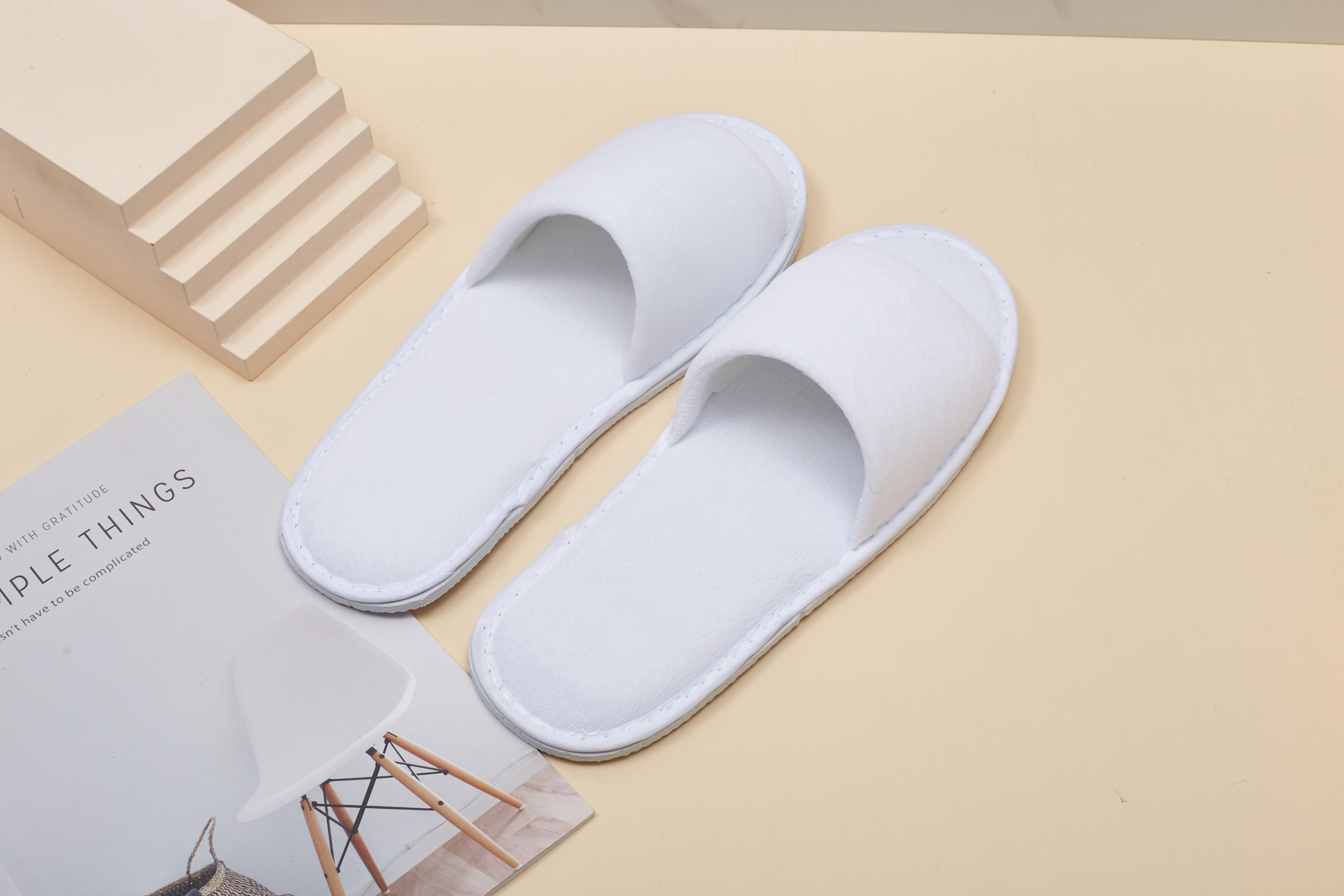
Premiumflygbolagens slippers utgör mer än enkla fodervaror i affärs- och förstaklasskabinerna – de utgör en strategisk tjänstförbättring som direkt påverkar passagerarnas nöjdhet, varumärkesuppfattningen och den operativa effektiviteten. Dessa specialanpassade komfortartiklar har utvecklats från grundläggande bekvämlighetsartiklar till sofistikerade varumärkeskontaktpunkter som flygbolag använder för att skilja sig åt med sina premiumtjänster och skapa minnesvärda passagerarupplevanden under långdistansflygningar.
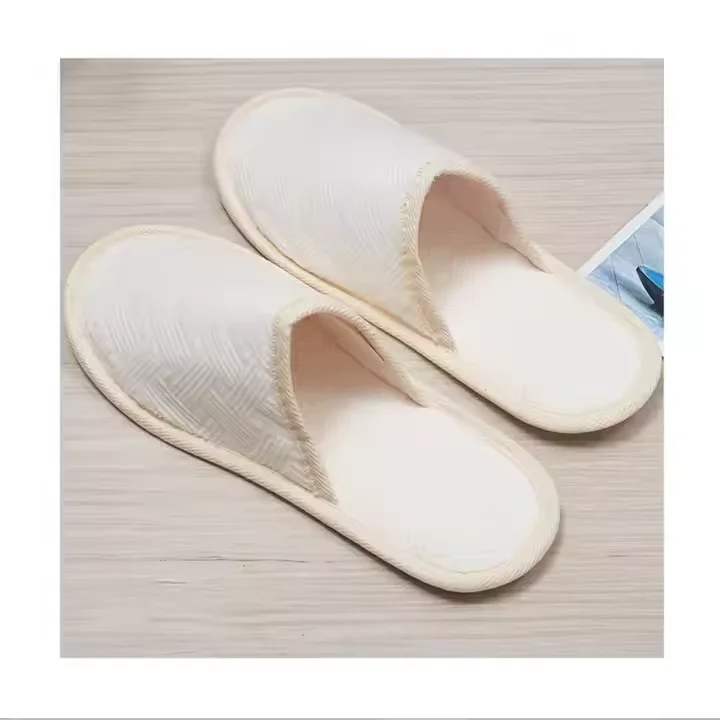
Integrationen av högkvalitativa flygbolagspantofflor i premiumkabinens service utgör en genomtänkt investering i passagerarnas komfort, vilket ger mätbara avkastningar genom förbättrade nöjdhetsscore, ökad varumärkeslojalitet och konkurrensfördel på marknaden för lyxresor. Flygbolag som inför omfattande pantoffelprogram rapporterar betydande förbättringar i passagerarnas återkopplingsscore och visar tydligt förståelse för hur små komfortdetaljer bidrar till helhetsmässig serviceexcellens och kundbevarandsstrategier.
Strategisk värde av flygbolagspantofflor för förbättring av premiumservice
Varumärkesdifferentiering genom komfortinnovation
Flygbolagens slippers fungerar som kraftfulla verktyg för varumärkesdifferentiering, vilket gör det möjligt for flygbolag att skilja sina premiumerbjudanden från konkurrenternas genom konkreta komfortförbättringar. Dessa artiklar skapar omedelbara positiva intryck när passagerarna tar plats i sina säten och etablerar en komfortinriktad serviceberättelse som sträcker sig över hela flygresans upplevande. Flygbolag som använder högkvalitativa slippers visar på en noggrannhet som passagerarna kopplar till högre servicestandard.
Den psykologiska påverkan av att få flygbolagets slippers sträcker sig längre än enbart komfort och skapar en känsla av att bli förvånad och uppskattad, vilket påverkar den totala flygnöjdheten. Passagerare uppfattar ofta att slippers tillhandahålls som ett bevis på flygbolagets engagemang för deras välbefinnande, vilket leder till positiva varumärkesassociationer och en ökad sannolikhet för framtida bokningar. Denna koppling mellan uppfattning och värde gör slippers särskilt effektiva som verktyg för tjänsteförbättring i konkurrensutsatta premiummarknader.
Strategisk implementering av slippers gör det möjligt for flygbolag att kommunicera en luxuspositionering utan omfattande infrastrukturinvesteringar, vilket gör dem till kostnadseffektiva verktyg för varumärkesförstärkning. Den relativt låga styckkostnaden för högkvalitativa flygbolagsslippers genererar en oproportionerligt hög upplevd värde bland passagerare, vilket skapar gynnsamma kostnads–nyttoförhållanden som tilltalar flygbolagens operativa chefer som söker effektiva tjänsteförbättringar.
Optimering av passagerarkomfort under långdistansflygningar
Utökade flygtider skapar specifika komfortutmaningar som flygbolagens slippers löser genom förbättrad blodcirkulation, minskad svullnad i fötterna och förbättrad avslappningsförmåga. Passagerare som bär trånga skor under långa flygningar upplever ofta obehag som högkvalitativa slippers kan lindra, vilket bidrar till en ökad resmässig nöjdhet och minskad trötthet vid ankomst. Denna komfortförbättring blir särskilt värdefull på interkontinentala rutter där passagerarnas välbefinnande direkt påverkar kvaliteten på ankomstupplevelsen.
De andningsbara materialen och de ergonomiska designerna som är karakteristiska för premiumflygbolagens slippers främjar bättre fotvård under längre perioder med begränsad rörlighet. Dessa designfunktioner hjälper till att bibehålla en behaglig fottemperatur, minska fuktansamling och ge adekvat stöd åt passagerare som föredrar att ta av sig sina skor under flygningen. Medicinsk forskning stödjer cirkulationsfördelarna med bekväma skor under luftresor, vilket gör slippers både till komfortartiklar och hälsomässigt genomtänkta serviceinsatser.
Flygbolag som inför genomtänkta slipperprogram samordnar ofta dessa komfortartiklar med andra komfortinriktade tjänster, såsom täcken, kuddar och säteskonfigurationer, för att skapa omfattande komfortmiljöer. Detta helhetsperspektiv på passagerarkomfort visar på en sofistikerad förståelse för tjänsteintegration och positionerar flygslipor som väsentliga delar av premiumtjänstpaket snarare än som valfria tillägg.
Genomförandestrategier för maximal servicepåverkan
Tidplanering och presentationsprotokoll
Den strategiska tidpunkten för utdelning av flygbolagets slippers påverkar i betydande utsträckning passagerarnas uppfattning och deras uppfattning av servicekvaliteten, där den optimala presentationen sker under fasen innan avgång, när passagerarna tar plats i sina säten. Denna tidpunkt gör det möjligt för passagerarna att omedelbart uppleva komfortfördelarna samtidigt som positiva första intryck skapas, vilka ställer förväntningarna för resten av flygservecn. Flygbolag som uppnår maximal effekt integrerar vanligtvis presentationen av slippers i välkomstservicesekvenser tillsammans med andra premiumutrustningar.
Professionella presentationsprotokoll förstärker den upplevda värdet av flygbolagets slippers genom eleganta förpackningar, tydliga bruksanvisningar och samordnad leverans tillsammans med andra komfortartiklar. Stewardessar som är utbildade i korrekta tekniker för att presentera slippers kan omvandla en enkel distribution av serviceartiklar till minnesvärda serviceögonblick som förstärker flygbolagets engagemang för passagerarnas komfort och omsorg om detaljer. Dessa presentatiosstandarder bidrar i betydande utsträckning till den övergripande uppfattningen av servicen och till måtten på passagerarnas nöjdhet.
Lyckade slippersprogram inkluderar passagerarutbildningselement som lyfter fram komfort- och hälsanytterna med att använda den tillhandahållna fotbeklädnaden under flygningen. Denna utbildande strategi hjälper passagerare att förstå det värde som ligger bakom flygbolagens slippers, samtidigt som den uppmuntrar användning som maximerar komfortfördelarna och motiverar flygbolagets investering i dessa serviceutrustningar. Tydlig kommunikation om slippers egenskaper och fördelar ökar passagerarnas uppskattning och stödjer positiv feedback kring tjänsten.
Kvalitetsstandarder och materialöverväganden
Premiumflygslippers kräver specifika material egenskaper som balanserar komfort, hållbarhet, säkerhet och hygienöverväganden, samtidigt som de uppfyller flygbranschens standarder för ombordutrustning. Material av hög kvalitet måste erbjuda tillräcklig dämpning och andningsförmåga, samtidigt som de bibehåller sin strukturella integritet under vanliga flygtider. När flygbolag väljer lämpliga material för slippers visar de förståelse för passagerarnas behov och engagemang för servicekvalitet som går utöver enbart yttre bekvämlighetsfunktioner.
Säkerhetsaspekter för flygbolagens slippers inkluderar slipfria sulor som ger tillräcklig greppkraft på golvytorna i flygplanen, vilket minskar risken för passagerarolyckor vid rörelse inom kabinen. Materialval måste också uppfylla luftfartsbranschens brandsäkerhetsregler samtidigt som de behåller komfortegenskaper som motiverar deras inkludering i premiumtjänstpaket. Dessa säkerhetskrav kräver noggrann leverantörsutvärdering och kvalitetskontrollprocesser som säkerställer konsekvent prestanda för alla distribuerade enheter.
Hygienstandarder för flygbolagens slippers innebär att de är engångsprodukter eller lätt att desinficera, vilket förhindrar kontaminationsrisker samtidigt som de bibehåller kostnadseffektivitet för flygbolagens verksamhet. Många flygbolag väljer engångsslippers som eliminerar rengöringskraven och säkerställer att varje passagerare får nytt, hygieniskt skoarbete. Detta tillvägagångssätt stödjer både passagerarnas hälsokrav och verksamhetens effektivitet genom att minska kraven på omslagstid mellan flygningar.
Driftfördelar och kostnadseffektivitetsanalys
Personalens effektivitet och servicestreamlining
Standardiserade flygbolagspantoffelprogram bidrar till serviceeffektivitet genom att ge kabinpersonalen tydliga distributionsprotokoll som integreras sömlöst i befintliga servicesekvenser. Dessa strömlinjeformade processer minskar utbildningskraven samtidigt som de säkerställer en konsekvent servicedistribution över olika besättningar och flygrutter. Välutformade pantoffelprogram förenklar faktiskt kabinens serviceoperationer genom att erbjuda en strukturerad distributionsprocess för komfortartiklar, vilket förbättrar den totala serviceorganisationen och tidsplaneringen.
Den lätta och kompakta karaktären hos högkvalitativa flygslippers minimerar lagringskraven och hanteringskomplexiteten för kabinpersonal som hanterar flera olika typer av serviceartiklar under förberedelsen av tjänsten. Effektiva förpacknings- och distributionsystem gör att personalen kan fokusera på kvaliteten i passagerarinteraktionen snarare än på logistiska utmaningar, vilket förbättrar effektiviteten i den totala tjänsteleveransen. Denna operativa enkelhet stödjer konsekventa servicestandarder över olika flygbesättningar och flygrutter.
Flygbolag som inför omfattande slipperprogram rapporterar ofta en minskning av passagerarserviceförfrågningar relaterade till komfortproblem, eftersom proaktiv tillhandahållande av komfortartiklar tar itu med potentiella problem innan de uppstår. Denna minskning av reaktiva servicekrav gör att flygvärdinnor och flygvärder kan fokusera på proaktiv serviceförbättring och passagerarengagemang, vilket bidrar till förbättrade övergripande servicekvalitet och effektivitetsmått.
Kostnadseffektivitet och avkastning på investering
Den relativt blygsamma kostnaden per enhet för flygbolagens slippers skapar ett betydande upplevt värde bland passagerare, vilket leder till gynnsamma avkastningsförhållanden som tilltalar flygbolagens ekonomiska chefer vid utvärdering av alternativ för serviceförbättringar. Kvalitetslippers kostar vanligtvis avsevärt mindre än andra premiumutrustningar samtidigt som de ger liknande förbättringar av passagerarnas nöjdhet, vilket gör dem till mycket effektiva serviceinvesteringar för kostnadsmedvetna flygbolag som söker konkurrensfördelar.
Långsiktig kostnadsanalys visar att program för flygbolagens slippers bidrar till att behålla passagerare och ökar preferensen för bokning av premiumkabiner, vilket genererar intäktsfördelar som överstiger de ursprungliga investeringskostnaderna. Passagerare som associerar positiva komfortupplevelser med specifika flygbolag visar högre återbokningsfrekvens och större villighet att betala premiumpriser för förbättrade servicelevel. Dessa behållningsfördelar skapar pågående intäktsströmmar som motiverar investeringar i slipperprogram under långa tidsperioder.
Massköp av flygslippers för flygbolag möjliggör förmånliga styckkostnader samtidigt som kvalitetskraven upprätthålls för att stödja servicemålen. Strategiska leverantörsrelationer och volymavtal gör det möjligt for flygbolag att optimera inköpskostnaderna samtidigt som konsekvent produkttillgänglighet och kvalitetskontroll säkerställs. Dessa inköpseffektiviteter bidrar till programmens övergripande hållbarhet och kostnadseffektivitet över tid.
Förbättring av passagerarupplevd erfarenhet och nöjdhet
Psykologisk komfort och upplevd service
Den psykologiska påverkan av att få flygbolagets slippers sträcker sig bortom fysiskt bekvämlighet och skapar emotionella reaktioner som påverkar den totala flygupplevelsen och varumärkesuppfattningen. Passagerare tolkar ofta tillhandahållandet av slippers som ett tecken på flygbolagets omsorg och uppmärksamhet på deras välbefinnande, vilket ger positiva emotionella kopplingar som består även efter flygresan. Denna emotionella dimension av flygbolagets slippers gör dem särskilt värdefulla för att bygga varumärkeslojalitet och uppmuntra återkommande affärer bland premiumpassagerare.
Forskning inom passagerars psykologi visar att små komfortartiklar, såsom flygbolagens skor, kan påverka totala kundnöjdhetsscoren avsevärt, ofta med effekter som är oproportionerligt stora i förhållande till deras faktiska kostnad eller komplexitet. Dessa resultat tyder på att strategisk val av komfortartiklar med fokus på passagerarnas upplevda komfort kan ge betydande förbättringar av nöjdheten utan att kräva stora investeringar i tjänstens infrastruktur. Flygbolag som utnyttjar dessa psykologiska principer uppnår konkurrensfördelar genom en förbättrad kvalitet på passagerarupplevelsen.
Den konkreta karaktären hos flygbolagens slippers skapar bestående positiva minnen som passagerare kopplar till sin flygupplevelse, vilket bidrar till muntlig marknadsföring och delning på sociala medier – en verkan som utvidgar varumärkets värde bortom den omedelbara interaktionen med passageraren. Många resenärer fotograferar och delar bilder på premiumutrustning, inklusive slippers, vilket skapar organisk marknadsföringsinnehåll som visar upp flygbolagets servicekvalitet för potentiella kunder. Denna sociala delning förstärker marknadsföringsvärdet av investeringar i slippers utöver de direkta fördelarna i form av passagerartillfredsställelse.
Integration av hälsa och välbefinnande
Moderna flygbolagspantofflor integrerar hälsomässigt orienterade designelement som tar itu med cirkulationsproblem och obehag i fötterna, vilka är vanliga under längre flygresor. Dessa välbefinnandeinriktade funktioner stämmer överens med passagerarnas ökande medvetenhet om hälsorelaterade aspekter vid resor och visar på flygbolagens engagemang för passagerarnas välbefinnande utöver grundläggande transporttjänster. Slippers med hälsomässig inriktning bidrar till att positionera flygbolag som serviceleverantörer med fokus på välbefinnande snarare än enbart som transportoperatörer.
Integrationen av flygbolagens slippers i bredare välbefinnandepaket skapar omfattande, hälsoriktade reserfarenheter som tilltalar hälsomedvetna premiumpassagerare. Flygbolag som kombinerar slippers med andra välbefinnandeutrustningar, såsom aromaterapi, hälsosamma måltidsalternativ och ergonomiska säten, visar en helhetsinriktad strategi för passagerarnas hälsa – en strategi som skiljer deras tjänster från konkurrenter som endast fokuserar på transporteffektivitet. Denna integration av välbefinnande stödjer premiumprissättning och attraherar hälsomedvetna marknadssegment.
Undervisningsmaterial som åtföljer flygbolagets slippers kan lyfta fram de hälsomässiga fördelarna med bekväma skor under flygresor, vilket positionerar flygbolaget som kunnigt om passagerarnas välbefinnandebehov och engagerat i att proaktivt ta itu med dem. Denna undervisande strategi förstärker den upplevda värdet av flygbolagets slippers samtidigt som den visar bolagets expertis inom passagerarkomfort och hälsöverväganden. En sådan positionering stödjer utvecklingen av ett premiumvarumärke och motiverar högre prissättning för tjänster.
Vanliga frågor
Vilka material är bäst för flygbolagens slippers i premiumkabin?
De bästa materialen för flygbolagspantofflor inkluderar andningsbara bomullsblandningar, bambufibrer eller miljövänliga syntetiska material som ger komfort, hygien och säkerhetsmässig efterlevnad. Premium-pantofflor bör ha slipfria sulor, tillräcklig dämpning och fuktavvisande egenskaper, samtidigt som de uppfyller luftfartens brandsäkerhetskrav. Många flygbolag föredrar engångsmaterial som säkerställer hygien samtidigt som de bibehåller kostnadseffektivitet vid distribution i stora volymer.
Hur påverkar flygbolagspantofflor passagerarnas nöjdhetsscore?
Flygbolagspantofflor bidrar vanligtvis till förbättrade kundnöjdhetsscore genom att förstärka upplevd servicekvalitet och visa på uppmärksamhet på komfortdetaljer. Studier visar att komfortartiklar som pantofflor kan öka den totala nöjdhetsscoren med 15–25 % bland premiumpassagerare, särskilt på långdistansflygningar där komfort blir allt viktigare. Den relativt låga kostnaden för pantofflor jämfört med deras inverkan på nöjdheten gör dem till mycket effektiva verktyg för serviceförbättring.
Vilka operativa överväganden finns det vid införandet av flygbolagspantoffler?
Driftöverväganden för flygbolags slippersprogram inkluderar krav på lagringsutrymme, distributionsprotokoll, personalutbildningsbehov och kvalitetskontrollprocesser. Flygbolag måste säkerställa adekvat lagerföringshantering, fastställa tydliga presentationsstandarder och samordna distributionen av slippers med befintliga serviceflöden. Framgångsrika program kräver leverantörskvalitetsavtal, konsekventa storleksalternativ och integration med kabinrensning och återfyllnadsrutiner.
Hur kan flygbolag mäta avkastningen på investeringen för slippersprogram?
Flygbolag kan mäta avkastningen på investeringen (ROI) för slippersprogram genom passagerarundersökningar om nöjdhet, andel återkommande bokningar, analys av intäkter från premiumkabiner och bedömningar av konkurrenspositionering. Viktiga nyckeltal inkluderar förbättringar av nöjdhetsscore, studier av varumärkesuppfattning, kundlojalitetsgrad och beräkningar av kostnad per nöjdhetsscore. Många flygbolag spår också omnämnanden på sociala medier och passagerarfeedback som specifikt avser komfortutrustning för att kvantifiera förbättringar av varumärkesvärde som genereras av slippersprogram.